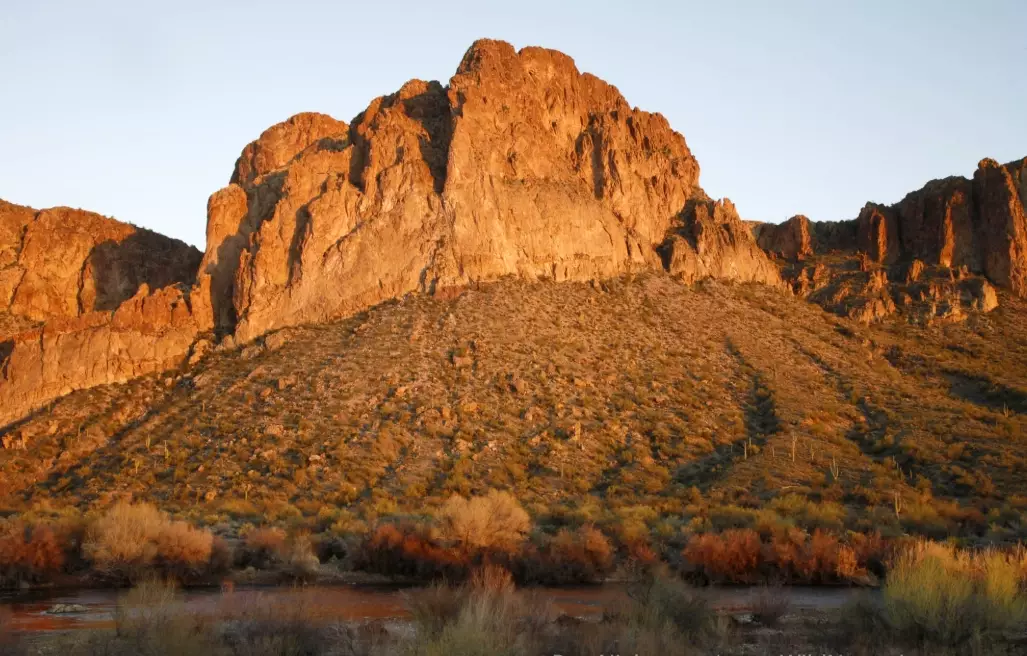
Let's be honest. When you think of Arizona, you picture the Grand Canyon, Sedona's red rocks, or maybe a lonely saguaro against a sunset. Tonto National Forest is the workhorse of the state's public lands, and it doesn't get enough credit. At nearly 3 million acres, it's not just a forest—it's a sprawling desert playground with pine-clad mountains, massive reservoirs, and canyon trails that feel a world away from Phoenix, even though it's right next door.
I've spent years exploring its corners, from crowded lake shores on Memorial Day to silent, frosty trails on the Mogollon Rim in January. This guide cuts through the generic lists. I'll tell you what's actually worth your time, how to navigate the permit system (it trips everyone up), and the mistakes I see visitors make over and over.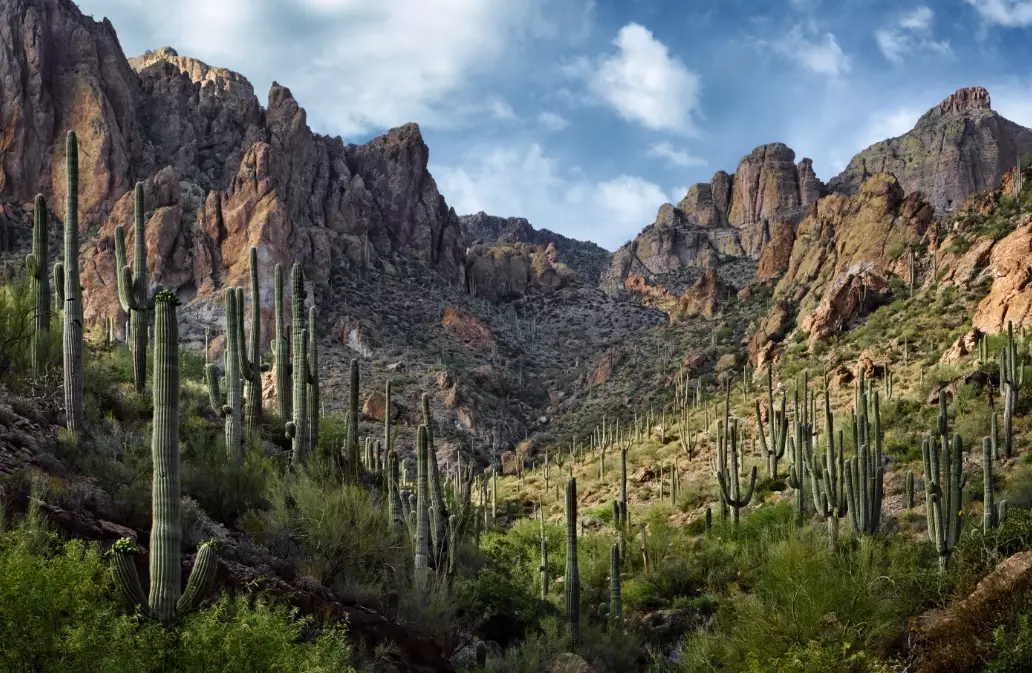
What's Inside This Guide
Top 5 Experiences You Can't Miss in Tonto
With so much space, it's easy to feel overwhelmed. Focus on these core areas and activities. They represent the best of what Tonto offers.
1. Hike the Signature Trails
Forget "best hikes"—here are the trails that define the forest's character.
| Trail Name | Area | Difficulty | Length (Round Trip) | Why It's Special |
|---|---|---|---|---|
| Horton Creek Trail | Mogollon Rim (Near Payson) | Moderate | 8 miles | A year-round creek in the desert? This lush, green canyon feels like a secret. Waterfalls, pools, and towering pines. It's busy on weekends, but for good reason. |
| Wave Cave Trail | Superstition Mountains | Moderate | 3 miles | Short but steep. The payoff is a cave with a floor that undulates like a wave and a window framing a perfect view of the valley. Go at sunrise for the best light and fewer people. |
| Boulder Canyon Trail | Canyon Lake | Strenuous | 6 miles | This isn't a walk. It's a hands-on scramble along the cliffs of Canyon Lake. You get intimate views of the water most boaters never see. Not for kids or anyone uneasy with exposure. |
| See Canyon Trail | Mogollon Rim | Easy | 4 miles | An absolute gem for fall color. The trail follows a stream through a stunning mix of maple and aspen trees. When the leaves turn in October, it's one of the most spectacular sights in Arizona. |
2. Camp Under a Blanket of Stars
Tonto's camping runs the gamut. You've got three main types: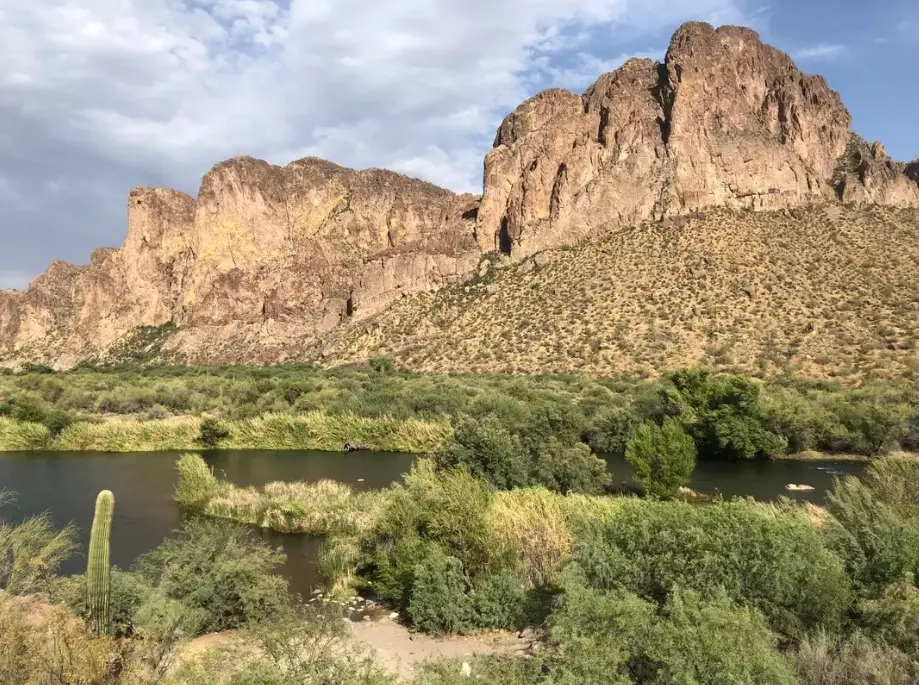
Developed Campgrounds (Best for families & first-timers): Places like Christopher Creek (near Payson) or Burnt Corral (on Apache Lake) offer amenities like vault toilets, picnic tables, and fire rings. They book up fast, especially lakeside spots. Reservations are available on Recreation.gov.
Dispersed Camping (For the self-sufficient): This is where Tonto shines. You can camp for free in most of the forest, provided you're 100-200 feet from water and roads. My favorite zone is along the Mogollon Rim Road (FR 300). You'll find countless pull-offs with million-dollar rim views. No facilities. Pack it in, pack it out.
Lakeside Camping: Waking up to water is hard to beat. Roosevelt Lake has numerous campgrounds. Cholla Bay is less crowded than the others. For something more unique, look into the boat-in campsites at Canyon Lake.
3. Get on the Water
The chain of Salt River lakes—Saguaro, Canyon, Apache, and Roosevelt—is Tonto's aquatic heart.
Kayaking & Paddleboarding: Saguaro Lake is my top pick for paddlers. The canyon walls are dramatic, and the water is often calmer than the larger Roosevelt. Rentals are available at the marina.
Powerboating & Watersports: Roosevelt Lake is the giant. It's where you go for sailing, waterskiing, or just finding a quiet cove to drop anchor. Marina services are full-scale here.
The Salt River Tubing: This is a rite of passage. Floating the Lower Salt River is a blast, but it's a logistical operation. You need a shuttle (commercial services run from Salt River Tubing & Recreation). More importantly, you need a timed entry permit from April through October. Don't just show up—you'll be turned away.
4. Drive the Apache Trail (State Route 88)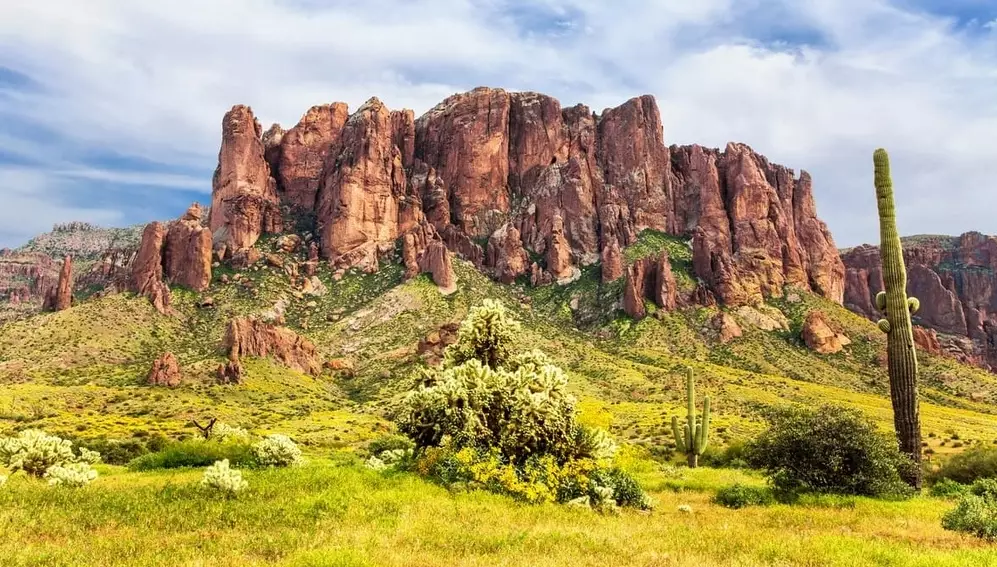
This is arguably the most scenic drive in Arizona. It winds from Apache Junction to Roosevelt Lake, past Canyon Lake and through jaw-dropping desert scenery. The catch? The section between Tortilla Flat and Roosevelt Lake (about 22 miles) is unpaved, narrow, and winding gravel.
Is it worth it? Absolutely. But don't take your low-clearance sedan. An SUV is ideal. Take it slow, pull over for photos, and stop at the Lost Dutchman State Park overlook for the classic Superstition Mountains shot.
5. Seek Out Wildlife & Wildflowers
Beyond the scenery, Tonto is alive. Desert bighorn sheep scale the cliffs near Canyon Lake. Bald eagles winter at Roosevelt Lake. Listen for the bugle of elk in the meadows near the Rim in the fall.
And then there's the spring. After a wet winter, the desert floor erupts in color. The best displays are often along the Peridot Mesa area (near Globe) or lower elevations of the Superstitions. Follow local wildflower reports on social media for timing.
Planning Essentials: Passes, Seasons & Safety
The Recreation Pass You Actually Need
This is the biggest source of confusion. A Tonto Day Pass ($8) covers most developed sites. BUT, the America the Beautiful Interagency Annual Pass ($80) covers entry to all federal sites—including Tonto—and pays for itself if you visit more than a few national parks or forests in a year. It's the one I carry.
You can buy day passes at self-service stations at major trailheads or online in advance. Display it clearly on your dashboard. Rangers do check, especially at popular spots like the Salt River.
When to Visit (The Real Breakdown)
Prime Time (March-May, Oct-Nov): Perfect hiking weather. Crowds are higher, especially on weekends at lakes and near Phoenix.
Summer (June-Sept): Brutally hot at lower elevations (
Winter (Dec-Feb): Mild and pleasant in the desert (ideal for Superstition hikes). The Rim area gets snow and can be cold. Some roads close seasonally.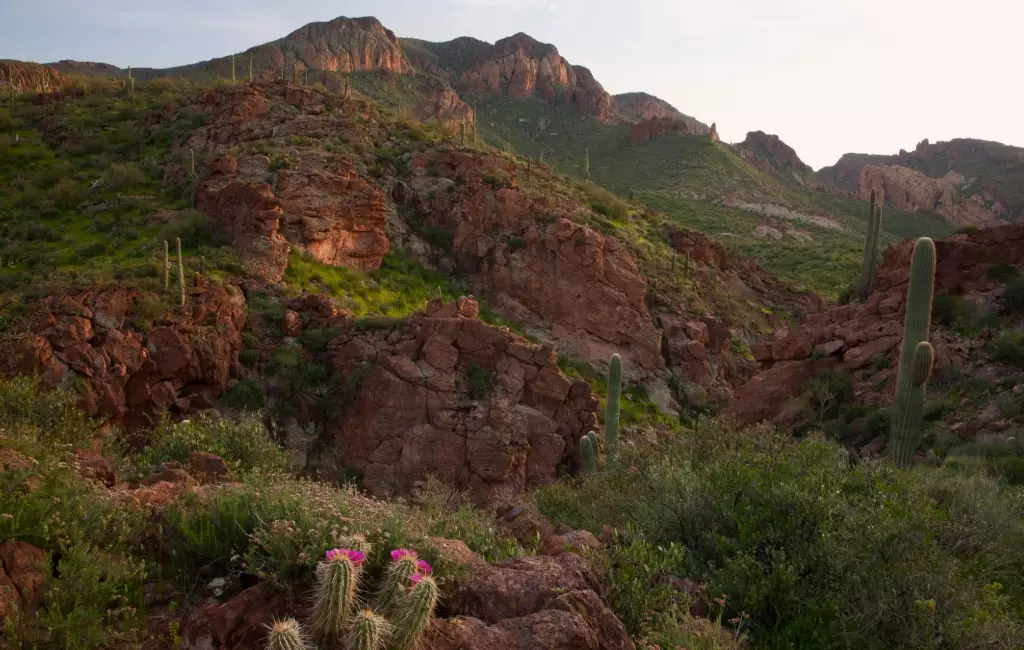
Non-Negotiable Safety Tips
Carry more water than you think you need. One gallon per person per day is a minimum for hiking.
Let someone know your plans. Cell service is spotty to non-existent in canyons and on back roads.
Watch for flash floods. If it's raining upstream, a dry wash can become a raging river in minutes.
Give wildlife space. This includes rattlesnakes (step back, give them room to leave) and curious javelina (don't run, back away slowly).
A Realistic 3-Day Itinerary
Based in Phoenix? Here's a loop that hits the highlights without too much driving.
Day 1: Superstitions & Canyon Lake. Drive from Phoenix to the Wave Cave Trail for a morning hike. Have lunch in Apache Junction. Spend the afternoon on the water at Canyon Lake—rent a kayak or take a scenic cruise on the Dolly steamboat. Camp at one of the lakeside sites or find dispersed camping nearby.
Day 2: The Apache Trail & Roosevelt Lake. Drive the Apache Trail (gravel section) to Roosevelt Lake. Explore the visitor center at the dam. Find a spot to swim or fish. In the evening, drive up to the Mogollon Rim for cooler temperatures. Camp along FR 300.
Day 3: Mogollon Rim Hiking. Hike Horton Creek or See Canyon (depending on season). Enjoy the pine forest air. Have a late lunch in Payson before driving back to Phoenix via the Beeline Highway (SR 87).
5 Common Mistakes I See Visitors Make
- Underestimating the Heat. A 3-mile hike in 105°F is a medical emergency waiting to happen. Hike at dawn in summer.
- Not Buying the Right Pass. Showing up without a Tonto Pass or confusing it with a Salt River Tubing permit will cost you time and money.
- Overloading the Itinerary. Distances are big. Pick one area per day—don't try to hike the Superstitions and see the Rim in the same afternoon.
- Expecting a "Forest" Like the Rockies. This is a desert first. The beauty is in the rugged, stark landscape. The pine forests are only in the higher elevations.
- Leaving Trash at Dispersed Campsites. Please. This is the fastest way to ruin a beautiful spot for everyone. Pack out every single thing you bring in.
Your Questions, Answered
What is the best time of year to visit Tonto National Forest?
Do I need a pass or permit to visit Tonto National Forest?
 Are dogs allowed on trails in Tonto National Forest?
Is it safe to hike in Tonto National Forest during the summer?
Can I swim in the lakes in Tonto National Forest?
Reader Comments