Quick Guide
Alright, let's cut to the chase. You're planning a Colorado road trip, you've seen the pictures of the stunning Maroon Bells, and you're looking at the map. Independence Pass, that high-altitude, winding road between Aspen and Twin Lakes, looks close. The question pops into your head: can you see the Maroon Bells from Independence Pass?
It's one of the most common questions I get from friends planning trips here. The short, honest answer? Yes, but it's complicated, limited, and frankly, not the postcard view you're dreaming of. If you're driving over the pass specifically to get that iconic shot of the twin peaks reflected in Maroon Lake, you'll be disappointed.
But if you're curious about what you can see, where exactly to look, and why the geography works against you, you're in the right place. I've driven this pass more times than I can count, in every season, sometimes specifically to answer this question. I'll give you the unvarnished truth, the exact spots to pull over (if any), and—perhaps more importantly—the far better ways to experience the Maroon Bells that don't involve squinting at a distant ridge.
The Core Answer, Plain and Simple
Can you see the Maroon Bells from Independence Pass? Technically, yes. From a few specific points near the summit of the pass, you can see the distant, northern profile of the Maroon Bells massif. However, they appear as a small, somewhat indistinct part of a much larger mountain panorama, not as the dominant, up-close foreground subject of the famous photographs. The direct, classic view of the twin peaks from the north is completely blocked by intervening ridges and the massive bulk of other mountains.
Why It's So Hard to Get a Good View: The Lay of the Land
To understand why the answer to "can you see the Maroon Bells from Independence Pass" isn't a simple yes, you need a quick geography lesson. It's all about line of sight.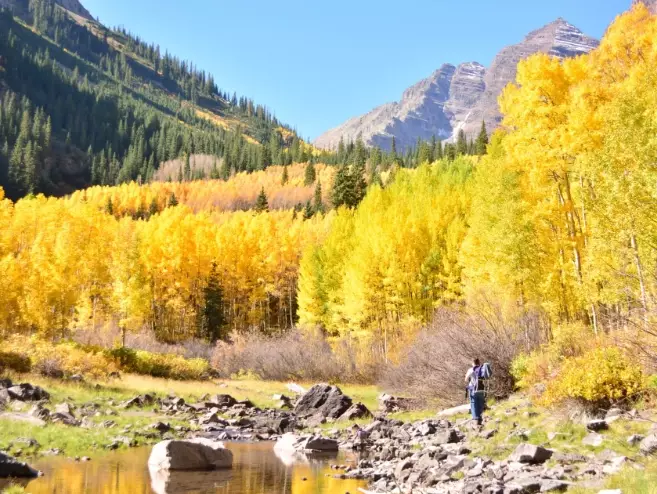
The Maroon Bells are located in the Maroon Bells-Snowmass Wilderness, southwest of Aspen. Independence Pass (Highway 82) runs east-west. The pass summit sits at 12,095 feet. The problem? Between the highway and the Maroon Bells lies a huge, rugged basin containing the Castle Creek Valley. Massive ridges and peaks like Hayden Peak and Star Peak rise directly from this valley, forming a formidable visual wall.
Think of it like trying to see a famous statue from the next street over, but there's a giant building in the way. You might catch a glimpse of the top from a specific angle on a cross street, but you can't see the whole thing head-on. That's the situation here.
From most of Independence Pass, you're looking into the Castle Creek drainage, not over it towards the Maroon Creek drainage where the Bells sit. The sight lines just don't align.
The Specific Spots: Where to Even Try
Okay, so where might you see them? There are two primary areas where the alignment is just right to sneak a partial view. Remember, this is a distant, profile view. Manage your expectations.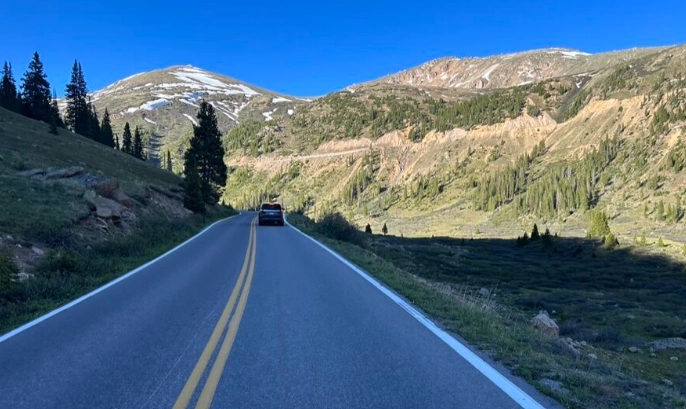
1. Independence Pass Summit Area
This is the most cited location. From the large parking lot at the summit (the one with the sign), face generally southwest. You're looking across the headwaters of the Roaring Fork River towards a sprawling sea of peaks.
The Maroon Bells are located deep within that sea. What you're looking for is the distinctive, slightly asymmetrical double-summit profile. They will be far on the left (south) side of your view. On a very clear day, with minimal haze, you can identify them. They blend in with the other maroon-colored sedimentary peaks in the Elk Range. It helps immensely to have a photo of them on your phone for comparison, or a pair of binoculars.
Can you see the Maroon Bells from Independence Pass summit? You can see a part of them. It's not satisfying for photography, but it's a fun geographical challenge for peak-spotters.
2. Linkins Lake Overlook (Just East of the Summit)
About 0.3 miles east of the summit parking lot (heading towards Twin Lakes), there's a small pull-off on the north side of the road for the Linkins Lake trailhead. This spot offers a slightly different angle.
From here, look almost due west back towards the summit ridge. The Maroon Bells appear as a small notch on the distant skyline, peeking over a closer ridge. This view is even more compressed and distant than from the summit. I've met hikers here who were absolutely certain they were looking at the Bells, but were actually looking at a completely different mountain. It's that tricky.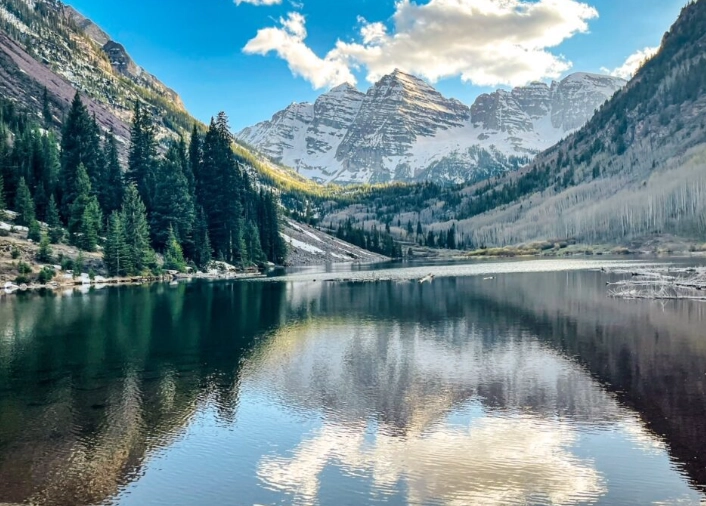
A Crucial Warning About Safety
Independence Pass is a narrow, winding road with steep drop-offs and limited shoulders. NEVER stop in a travel lane. Only use designated pull-offs or parking areas. The temptation to suddenly stop for a "maybe" view is huge—don't do it. It's dangerous for you and everyone else on the road. If you miss a pull-off, just keep driving. The view isn't worth the risk.
Let's break down what you can expect at these spots in a simple table. This should help set realistic expectations before you go.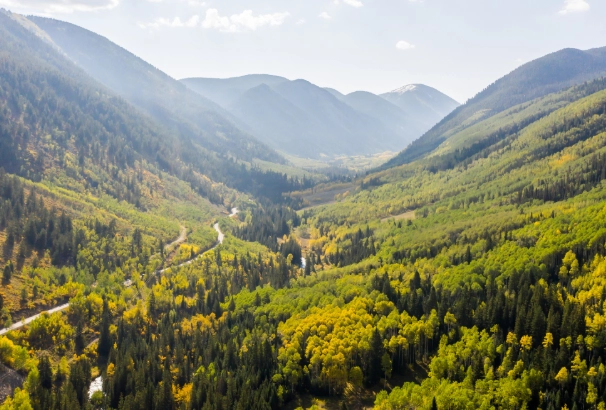
| Viewing Location | What You'll Actually See | Best For | Photography Viable? |
|---|---|---|---|
| Independence Pass Summit | Distant northern profile of the massif, blending with other Elk Range peaks. Requires clear air and often binoculars for positive ID. | Geography enthusiasts, peak-baggers checking off a sighting. | Very poor. Distant, lacking scale or foreground. |
| Linkins Lake Overlook | A tiny, indistinct notch on the far western skyline. Easily confused with other summits. | Those with extreme patience and a detailed topographical map. | No. Essentially a pixel on the horizon. |
The Bigger Factors: When and How the View Changes
So, you've accepted that seeing the Maroon Bells from Independence Pass is a marginal activity. But your chances aren't equal all year round. Several factors turn a "maybe" into a "no way."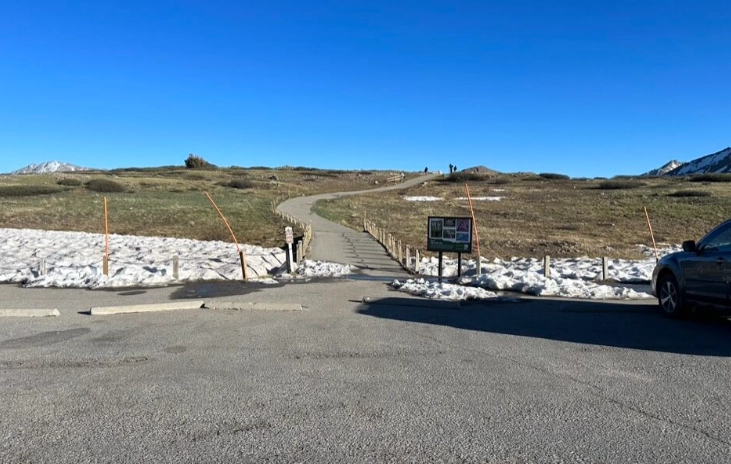
Seasonal Impact
- Summer (Late June - August): This is peak growing season. The conifer forests on the lower and mid-elevation slopes are at their densest. This greenery can soften and obscure the distinctive maroon and gray rock colors you're looking for, making the Bells harder to pick out from their neighbors.
- Fall (Mid-September - Early October): This is your best chance. The aspen trees have turned gold, providing a stunning contrast. More importantly, the air is often crisper and clearer after the summer monsoon season. The lack of haze and the contrasting colors can make the distant rock formations slightly more defined. The road is also open until mid-October, usually.
- Winter & Spring (November - Late May): The road is closed. So, the answer to can you see the Maroon Bells from Independence Pass in winter is a hard no, because you can't get there. It's buried under 20+ feet of snow.
Time of Day & Weather
Lighting is everything in mountain views.
- Morning: The sun is in the east, behind you if you're looking southwest from the pass. This illuminates the faces of the distant peaks, offering the best contrast and chance to see color and form.
- Midday: Harsh, overhead light flattens everything. Distant peaks lose definition.
- Evening: The sun sets in the west, putting the Maroon Bells massif in shadow if viewed from the pass. They become a dark silhouette against a bright sky, making identification nearly impossible.
- Weather: Afternoon thunderstorms are common in summer, creating haze and reducing visibility. A perfectly clear day following a cold front offers the best visibility. Check sites like the Colorado Department of Transportation's travel map for road conditions and webcams that might give you a sense of visibility.
Local's Tip: If you're determined to try, aim for a morning in late September. Drive from the Aspen side to the summit for the best light. Have a pair of binoculars and a photo for reference. And please, for the love of all that's good, don't block the roadway.
What You're *ACTUALLY* Seeing from Independence Pass
Here's the thing that frustrates a lot of people. They drive this incredible, scenic byway and feel like they're missing the main event. But the truth is, Independence Pass offers its own spectacular—and different—vistas. You're not missing the Bells; you're seeing something else entirely.
From the pass, you're treated to jaw-dropping views of:
- The Continental Divide: You're literally on it.
- La Plata Peak (14,336 ft): A massive, beautiful fourteener to the southeast.
- Grizzly Peak & Other Thirteeners: The immediate ridges are filled with dramatic, rugged peaks.
- The Headwaters of the Roaring Fork: A fragile, alpine landscape of tundra and rock.
Focusing solely on the elusive Maroon Bells view means you might overlook the raw, immediate beauty right in front of you. The pass is an attraction in itself, not just a potential viewpoint for another attraction miles away.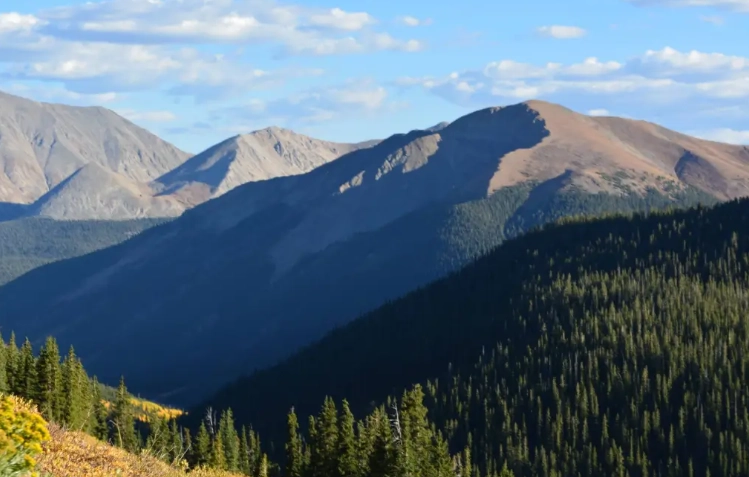
So, What's the Better Way? Your Realistic Maroon Bells Options
Let's be practical. You want to see the Maroon Bells. I get it. They're iconic for a reason. Driving over Independence Pass hoping for a glimpse is the most roundabout and least satisfying method. Here are the ways that actually work, ranked from best to... well, not best.
The Guaranteed, Famous View: Maroon Lake Scenic Area
This is it. The postcard. The reflection shot. To get here, you drive from Aspen southwest on Maroon Creek Road. From late May to October, private vehicle access is restricted during peak hours (usually 8am-5pm). You must take a reserved shuttle bus from Aspen Highlands. The reservation system is managed by the U.S. Forest Service via Recreation.gov. This is non-negotiable—plan ahead.
Pros: The view is unparalleled, iconic, and accessible with a short walk from the drop-off point.
Cons: It can be crowded. You need to plan and book in advance. It's a separate trip from Independence Pass.
The Active & Rewarding View: Hike to Crater Lake
From the Maroon Lake trailhead, a 3.6-mile round-trip hike (with significant elevation gain) takes you to Crater Lake, which sits directly at the base of the Maroon Bells. The perspective is even more dramatic and immersive. You'll leave 90% of the crowds at Maroon Lake behind.
This is my personal recommendation if you're able. You earn the view, and it feels more personal.
The Drive-Up Alternative (with limitations): Maroon Creek Road before 8am or after 5pm
Outside of the restricted hours, you can drive your own vehicle up Maroon Creek Road. This is great for sunrise (spectacular) or evening. You still need to pay a recreation area fee, but no shuttle reservation is required. Check the latest rules on the White River National Forest's official Maroon Bells page for the most current hours and fees.
Common Questions & Final Straight Talk
Let's tackle the other stuff you're probably wondering.
Is there a dedicated Maroon Bells overlook on Independence Pass?
No. There is no sign, no pull-off labeled "Maroon Bells View." Any viewing is incidental.
Can I use a super zoom lens or drone to see them from the pass?
A long lens (400mm+) might capture a recognizable shape, but the image will be hazy and lack impact. Drones are prohibited in the Maroon Bells-Snowmass Wilderness (and all Wilderness Areas) and are dangerous and illegal to fly from the pass roadway. Don't do it.
Is the view better coming from the east (Twin Lakes) or west (Aspen)?
Slightly better from the Aspen side, as you are driving uphill and the sightline to the southwest opens up more gradually. From the steep east side, you're often in tight valleys until the very summit.
How far apart are Independence Pass and the Maroon Bells trailhead?
By road, it's about a 45-minute to 1-hour drive from the summit of Independence Pass to the Aspen Highlands shuttle lot, not including wait times. They are two separate destinations.
So, can you see the Maroon Bells from Independence Pass? You can, barely, under perfect conditions, from specific spots, if you know exactly what to look for.
But should you plan your trip around it? Absolutely not.
Think of it as a fun piece of geographical trivia, a bonus if you happen to spot them. Don't let the chase for a distant, partial view rob you of experiencing two world-class Colorado attractions on their own terms. Drive the pass for its own incredible beauty. Then go see the Maroon Bells the right way. You'll thank yourself later.
Reader Comments