Quick Navigation
Let's talk about the weather in the San Juans. If you're planning a trip out here—whether it's for hiking, skiing, leaf-peeping, or just driving the Million Dollar Highway—you quickly realize that the climate isn't just a footnote. It's the main character. The San Juan mountain range climate dictates everything: what you pack, when you go, and whether your dream adventure turns into a memorable triumph or a soggy, shivering misadventure.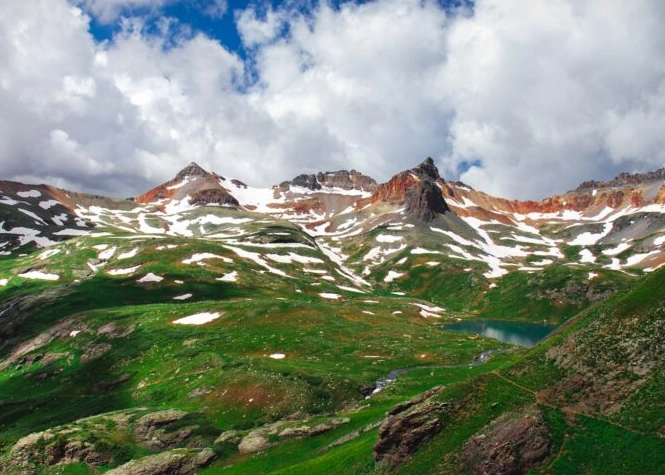
I've spent a lot of time in these mountains, in all seasons. I've been caught in afternoon thunderstorms above tree line that felt apocalyptic, and I've also enjoyed perfect, crisp autumn days where the sky is so blue it hurts your eyes. The variability is insane, but it's not random. There's a pattern, a logic to the madness.
So, what makes the weather in the San Juan Mountains so unique and, frankly, so intense?
What Really Shapes the San Juan Mountain Range Climate?
Forget any simple idea of "mountain weather." The San Juans play by their own rules, influenced by a few key heavyweight factors.
High Altitude is the Biggest Deal
This is rule number one. A huge portion of this range sits above 10,000 feet, with fourteeners like Uncompahgre Peak and Mount Sneffels defining the skyline. High altitude means thin air. Thin air holds less heat, leading to rapid temperature drops once the sun goes down. It also means the sun's UV rays are far more intense—you can get a nasty sunburn even on a cool, windy day. I learned that the hard way on my first backpacking trip here; my nose was peeling for a week.
The air pressure is lower, which can affect everything from how your bag of chips inflates to how your body feels. Altitude sickness is a real concern, not an old wives' tale.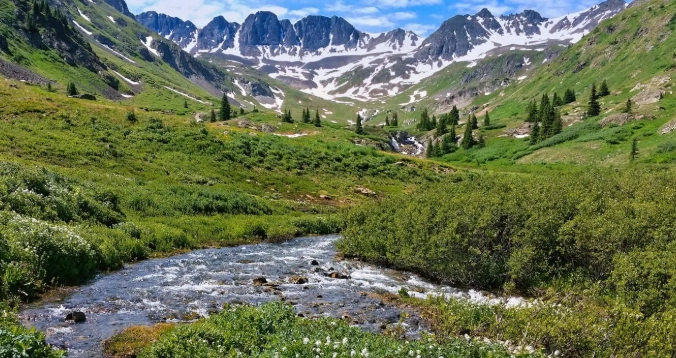
A Landlocked, Continental Heart
Located deep in southwestern Colorado, far from any moderating ocean influence, the San Juans experience true continental extremes. Summers can have pleasantly warm days (at lower elevations), while winters are long, deep, and seriously cold. The temperature swing between day and night, even in summer, can be 30 to 40 degrees Fahrenheit. You'll start a hike in a t-shirt and end it wishing for a puffy jacket.
The Southwest Monsoon: Summer's Dramatic Guest
This is the signature weather event for the summer season. From around early July through mid-September, moisture gets pulled up from the Gulf of California and the Gulf of Mexico. The result? Predictably unpredictable afternoon thunderstorms. I'm talking about building cumulonimbus clouds that roll in by 1 or 2 PM, unleashing torrential rain, hail, lightning, and a rapid temperature plunge.
This monsoon pattern is a double-edged sword. It brings vital moisture, greening the alpine meadows and feeding the wildflowers. But it also dictates the daily rhythm of any summer adventure.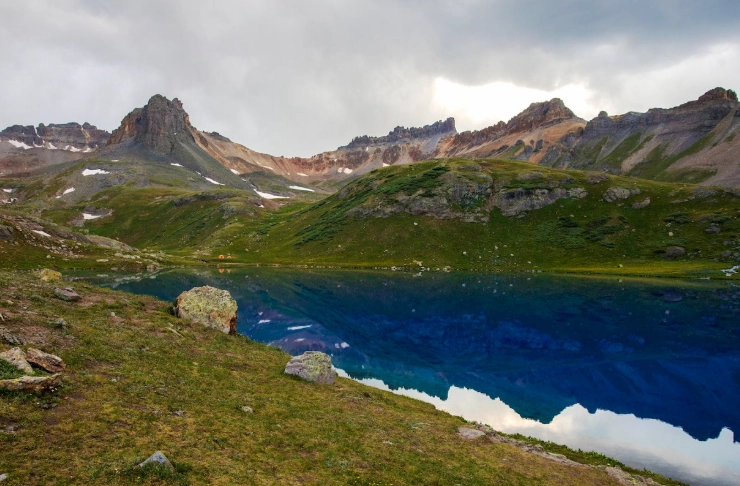
Topography: The Great Weather Divider
This might be the most fascinating part. The San Juans are a crumpled, glaciated maze of deep valleys, towering peaks, and high passes. This complex terrain creates wildly different microclimates.
- The Rain Shadow Effect: The western slopes (towards Telluride) tend to get more precipitation, especially snow, as storms come in from the west. The eastern slopes and valleys (like the area around Creede) lie in a rain shadow, often receiving less precipitation.
- Cold Air Drainage: On clear, calm nights, cold, dense air slides down the slopes and pools in the valley bottoms. That's why towns like Ouray or Lake City can be significantly colder at night than the surrounding slopes—a phenomenon called a temperature inversion.
- Aspect Matters: A south-facing slope will melt off snow weeks earlier in the spring and host different plant life than a north-facing slope just across the valley.
When people ask about "the" San Juan mountain range climate, the honest answer is, "Which part, and at what elevation?"
A Season-by-Season Breakdown of the San Juan Mountains Climate
Let's get practical. Here’s what you can realistically expect throughout the year. This isn't just textbook stuff; it's based on what you'll actually see and feel on the ground.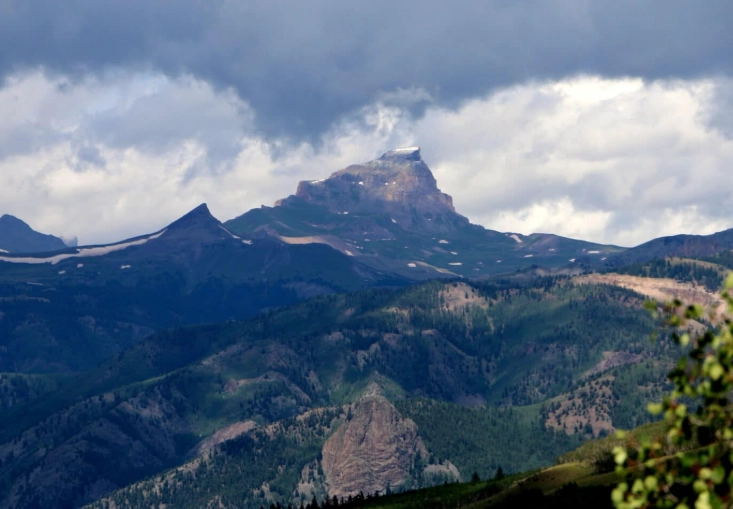
Winter (Late November - April): The Reign of Snow
Winter is the dominant season here. It's long, serious, and breathtakingly beautiful. This is when the San Juan mountain range climate shows its most formidable side.
Snowfall is measured in feet, not inches. The San Juans are part of the Colorado snowbelt, with some of the highest annual snowfall totals in the state. Places like Wolf Creek Pass and Red Mountain Pass are legendary for deep snow and avalanche danger. The snowpack is what skiers and snowboarders dream of, but it also creates major travel challenges.
Temperatures regularly dip below zero Fahrenheit, especially at night and in the valleys. Wind chill can make it feel brutally colder. Sunshine is plentiful, though, which takes the edge off the cold during the day. Winter is for prepared, experienced folks. Activities revolve around snow sports, snowshoeing, and ice climbing (Ouray's ice park is world-famous).
Spring (May - Mid-June): The Great Melt and Mud
Spring is messy, unpredictable, and in my opinion, the most challenging time to visit for typical tourism. It's a season of transition, and the mountains don't transition gracefully.
Lower valleys start to green up in May, but the high country is still buried under deep snow. This is prime mud season. Dirt roads and trails at mid-elevations become quagmires. It's too slushy for good skiing at lower elevations and too snowy for high-elevation hiking.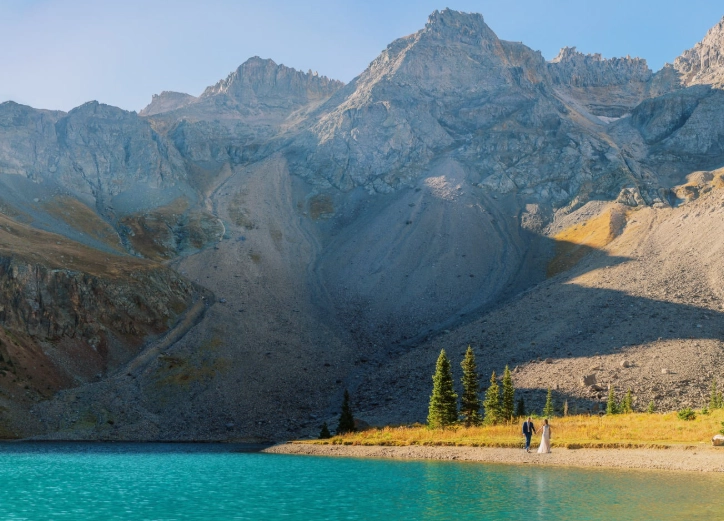
The weather is a rollercoaster. You can get a glorious 65-degree day followed by a spring snowstorm that dumps a foot of wet snow. Streams and rivers swell with snowmelt, becoming powerful and dangerous to cross. If your goal is wildflowers or high-altitude hiking, you're too early. Spring is a waiting game.
Summer (Late June - August): Peak Season with a Daily Thunderstorm
This is when most visitors arrive. Days are long, and temperatures in towns like Durango or Telluride (around 8,000-9,000 ft) are often perfect—70s and 80s with low humidity. It's idyllic... until the clouds build.
The Southwest Monsoon defines the summer San Juan mountain range climate. Mornings are typically clear and splendid for hiking. By early afternoon, those puffy white clouds darken. The key is to start your outdoor activities very early. Be headed back by lunchtime.
The table below gives a rough idea of what to expect, but remember, mountains love to break expectations.
| Elevation Band | Daytime Highs (Typical) | Nighttime Lows (Typical) | Key Summer Characteristic |
|---|---|---|---|
| Valley Towns (7,000-8,500 ft) | 75°F - 85°F (24°C - 29°C) | 45°F - 55°F (7°C - 13°C) | Pleasant, dry; monsoon storms bring brief heavy rain. |
| Mid-Elevation Slopes (9,000-11,000 ft) | 65°F - 75°F (18°C - 24°C) | 35°F - 45°F (2°C - 7°C) | Prime hiking zone. Rapid weather changes. Cool nights. |
| Alpine Zone (Above 11,500 ft) | 50°F - 65°F (10°C - 18°C) | Can freeze any night | Intense sun, strong winds, frequent afternoon storms. Snow patches can linger. |
Wildflowers peak in July and early August, especially in wet meadows and subalpine zones. It's spectacular. But the crowds are also at their peak.
Fall (September - October): The Golden Window
This is my personal favorite time to experience the weather in the San Juan Mountains. The monsoon pattern usually breaks down by mid-September. What follows is a period of remarkable stability.
The air turns crisp. Daytime temperatures are still comfortable (60s and 70s at lower elevations), but nights get decidedly cold. The big draw is the aspen change. From mid-September to early October, the mountainsides erupt in gold, orange, and red. It's a short, brilliant window.
The weather is generally more predictable than in summer, with a higher percentage of clear, sunny days. However, winter starts knocking on the door by late October. Early season snowstorms are possible, especially at higher passes. It's a shoulder season that feels like a reward for those who time it right.
How the San Juan Mountains Climate Affects Your Plans
Understanding the climate is one thing. Applying it to your trip is another. Let's get specific about activities.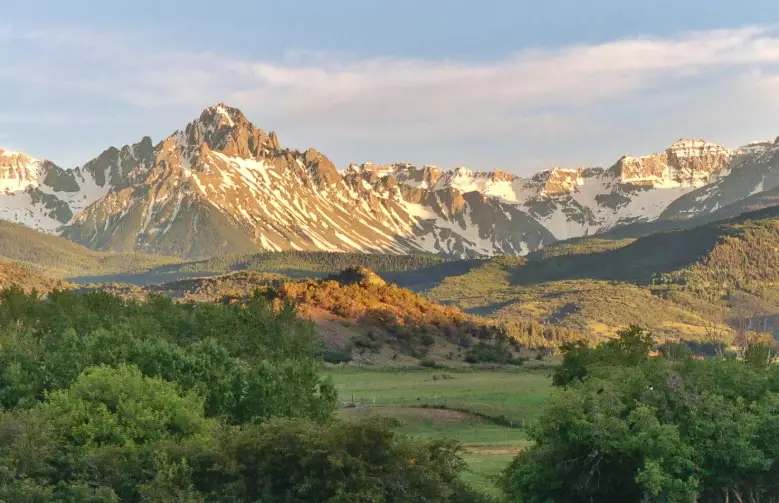
For Hikers and Backpackers
The hiking season is brutally short at high elevations. Most high passes and alpine routes are only reliably snow-free from late July to mid-September. Even then, you must respect the afternoon thunderstorm cycle.
- Packing List Must-Haves: Rain jacket and pants (not a poncho), insulating layers (fleece or puffy), sun protection (hat, sunscreen, sunglasses), and sturdy footwear. Cotton jeans are a terrible idea.
- Navigation: Trails can be obscured by snowfields early in the season or by fast-moving storms. A map, compass, and/or GPS are essential. The San Juan National Forest service sells excellent topographic maps.
- Water: Streams are plentiful in early summer from melt, but can dry up by late summer. Always carry a way to purify water.
For Skiers and Snowboarders
You're chasing the deep snow. The season at resorts like Telluride and Wolf Creek typically runs from Thanksgiving to April, with the deepest base often in February and March.
The San Juan mountain range climate produces light, dry powder, but also high avalanche danger in the backcountry. If you're venturing out of bounds, avalanche education and the proper gear (beacon, probe, shovel) are non-negotiable. Check the Colorado Avalanche Information Center forecast daily.
For Scenic Drivers and Photographers
You have more flexibility, but timing is still key.
- Fall Colors: Aim for the last week of September. The colors move from high to low elevation.
- Alpine Wildflowers: Peak is usually late July.
- Access: Many high-altitude passes (like Engineer Pass, Cinnamon Pass) are only open for a few months in summer and early fall. Always check local road conditions with the county or forest service.
Light is best in the early morning and late afternoon. Midday light is harsh. And those afternoon summer storms can create dramatic skies for photography, but also get you stuck in a downpour.
For Campers
Be prepared for cold nights, even in August. A three-season tent is the minimum. A sleeping bag rated for temperatures well below the expected low is wise. Wind is a constant factor at exposed sites. Always stake your tent down securely.
In summer, afternoon storms mean you want a good rain fly and maybe a tarp for a dry cooking/eating area. In fall, moisture can come as frost or an early snow. Proper insulation from the ground is critical.
Frequently Asked Questions About the San Juan Mountain Range Climate
Final Thoughts on Navigating This Climate
Respecting the San Juan mountain range climate isn't about being fearful; it's about being smart and prepared. This climate creates the raw, stunning beauty people come for—the deep snow, the wildflowers, the golden aspens, the dramatic skies. It's what makes the place feel alive and untamed.
The biggest mistake you can make is assuming it will be like the weather back home, or even like other mountains you've visited. Check multiple weather forecasts (I use mountain-specific sites alongside the National Weather Service), talk to local rangers at the forest service or visitor centers, and be ready to change your plans. Flexibility is the most important piece of gear you can pack.
So plan, prepare, and then go out and experience one of the most dynamic and beautiful mountain climates in the world. Just keep an eye on the sky.
Reader Comments