Let's be honest. When you think of Southwest America, you see a movie poster. A lone cowboy against a red rock sunset. It's not wrong, but it's only the first page. I've driven these desert highways for over a decade, watched families wilt at overlooks because they only planned for the photo, not the experience. Southwest America isn't just a place you see; it's a place you feel—the dry heat on your skin, the silence so deep it rings in your ears, the sheer scale that makes your daily worries feel microscopic. This guide is about getting you from the postcard to the real thing.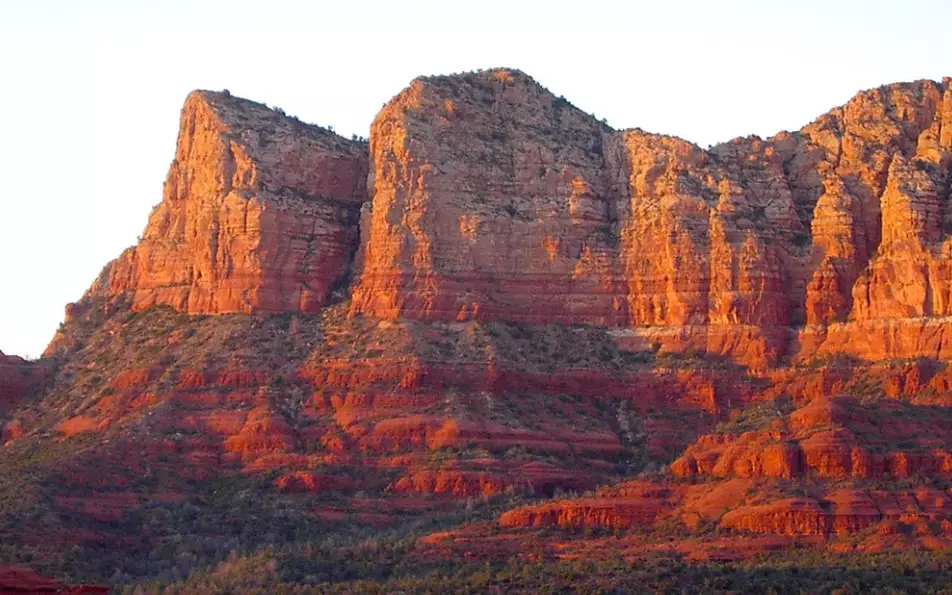
Quick Navigation: What's Inside This Guide
Planning Your Southwest America Road Trip Itinerary
The classic mistake? Trying to do the "Grand Circle" in five days. You'll spend more time in the car than anywhere else. The secret to a great Southwest road trip is choosing a loop and sticking to it, giving yourself time to actually step out of the car.
For a first-timer with a week, I recommend this loop:
- Day 1-2: Las Vegas to Springdale, Utah. It's a 2.5-hour drive to Zion National Park. Use Springdale as your base. Don't just drive through Zion Canyon—shuttle in and hike. The Riverside Walk is easy and stunning.
- Day 3: Zion to Bryce Canyon. A 2-hour drive. Stay near Bryce. The magic here is at sunrise or sunset, when the hoodoos glow. Sunset Point is the classic, but Inspiration Point has fewer people.
- Day 4: Bryce to Page, Arizona. Another 2.5 hours. This is your slot canyon day. You must book a tour for Antelope Canyon—it's on Navajo land and not accessible solo. Book weeks, even months, in advance.
- Day 5: Page to the Grand Canyon (South Rim). A 2-hour drive to the East Entrance. Most people rush to Mather Point. Skip the crowds and drive along Desert View Drive. The Watchtower at Desert View offers a quieter, more panoramic feel.
- Day 6: Grand Canyon. Hike a bit of the South Kaibab Trail. Even just going down to Ooh Aah Point changes your perspective completely. It's all about depth here.
- Day 7: Return to Las Vegas. A 4.5-hour drive. Leave early.
If you have ten days, add Monument Valley (stay at Goulding's Lodge) and maybe Sedona on the return leg. But remember, distance is deceptive. A 100-mile drive here can take two hours on winding roads.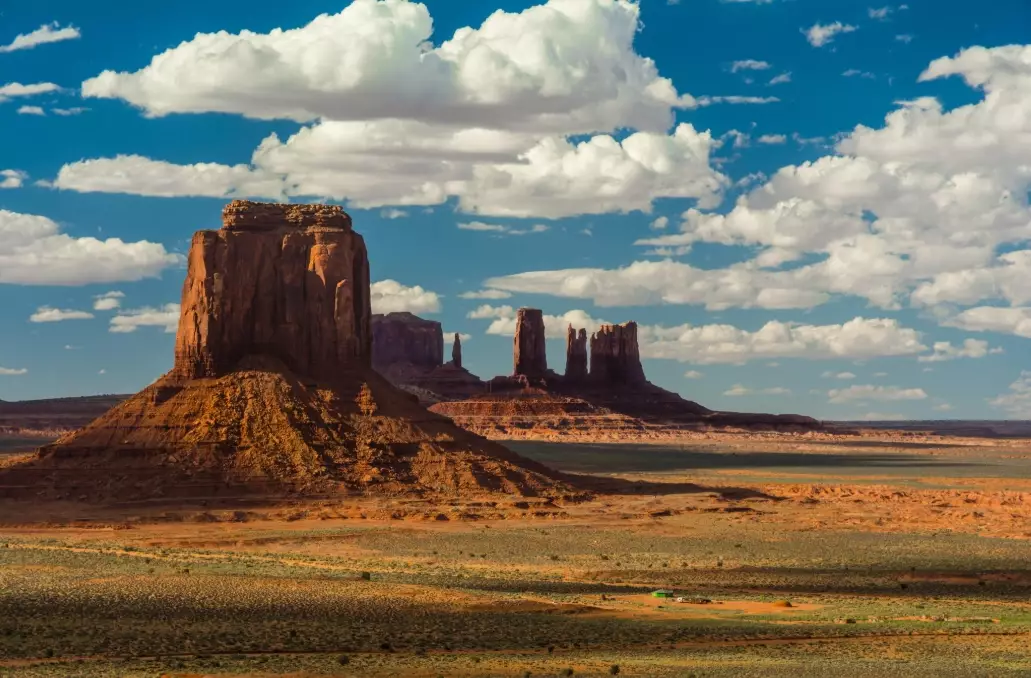
Pro Tip: Where to Stay (And Not Just Sleep)
Skip the generic chain motels at highway exits. In the Southwest, your lodging is part of the adventure. In Moab, try a rustic cabin. Near the Grand Canyon, the El Tovar Hotel on the rim is historic (book a year ahead). In Santa Fe, a traditional adobe-style inn near the plaza immerses you in the vibe. It costs more, but the memory is worth it.
Must-Visit National Parks and Natural Wonders
You know the big names. Here’s what the guidebooks often gloss over.
1. Grand Canyon National Park
Address: South Rim Entrance is off AZ-64. Fee: $35/vehicle (valid 7 days). Open: 24/7, South Rim visitor centers 8 am-5 pm. The South Rim is open year-round; the North Rim is seasonal (mid-May to mid-Oct).
Everyone goes to Mather Point. Go to Yavapai Point or Hopi Point instead. The view is just as grand, with 70% fewer people. The real magic isn't the overlook, it's the trail below the rim. Even a one-mile hike down the Bright Angel Trail makes you understand the canyon's scale.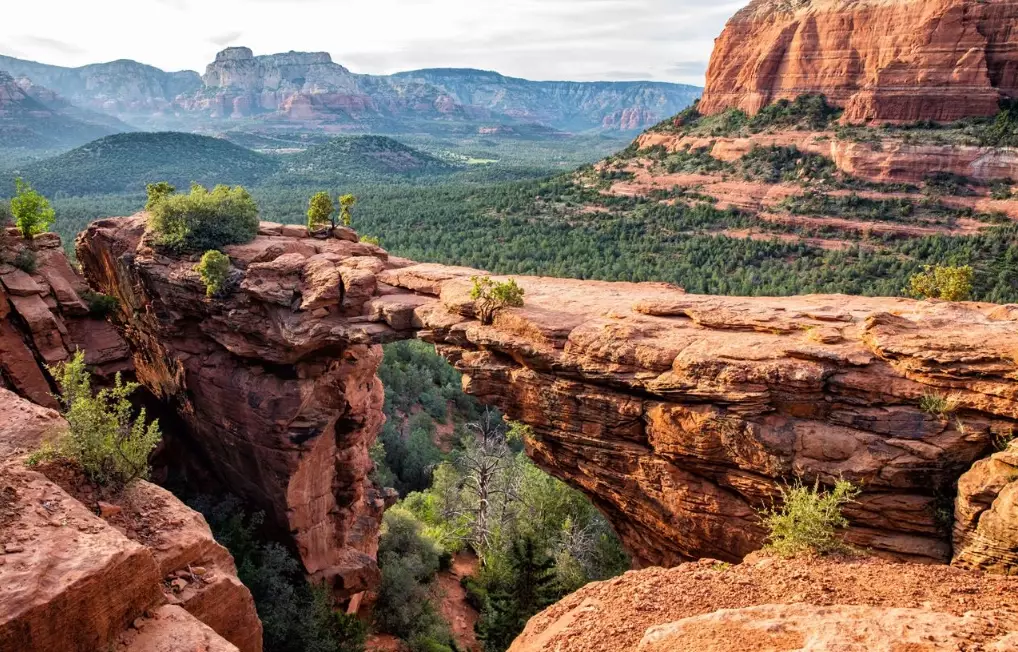
2. Zion National Park
Address: Springdale, UT. Fee: $35/vehicle. Shuttle Required: From March to November, you must take the park shuttle to access Zion Canyon Scenic Drive.
The Narrows hike is legendary, but it requires planning (rent canyoneering shoes and a walking stick in Springdale). A quieter alternative? The Canyon Overlook Trail at the east entrance. It's a one-mile round trip with a payoff that rivals longer hikes.
3. Bryce Canyon National Park
Address: Bryce, UT. Fee: $35/vehicle. The park is at high elevation (8,000-9,000 ft). It can be cold even in summer evenings.
Don't just peer over the rim. Hike down among the hoodoos. The Queen's Garden to Navajo Loop combination is a moderate 3-mile trek that puts you inside the amphitheater. The colors change with every step.
4. Monument Valley
Address: Monument Valley Navajo Tribal Park, along AZ-163. Fee: $8 per person + $20 for the 17-mile self-drive loop (cash often preferred). Hours: 6 am-8 pm (May-Sept), 8 am-5 pm (Oct-Apr).
This isn't a U.S. National Park; it's part of the Navajo Nation. Respect that. The iconic view from the highway is free. Paying the entrance fee gets you closer. For the best experience, book a sunrise or sunset tour with a Navajo guide. They'll take you to places you can't go alone and share stories you won't read anywhere.
5. Antelope Canyon
Located near Page, AZ. You MUST book a tour with an authorized operator like Antelope Canyon Tours or Adventurous Antelope Canyon Tours. Upper Canyon is more famous; Lower Canyon requires ladders and is more adventurous. Tours run ~$80-$120 per person. Book online months ahead, especially for midday light beam tours (late March to early Oct).
It's crowded. It's a conveyor belt of photography. But when that shaft of light cuts through the dusty air and illuminates the swirling sandstone walls... you forget about the crowd. It's worth it once.
How to Experience Authentic Southwest American Culture?
The landscape shapes the culture here. It's a blend of ancient Native American roots, Spanish colonial history, and a stubborn frontier spirit. You have to seek it out beyond the souvenir shops.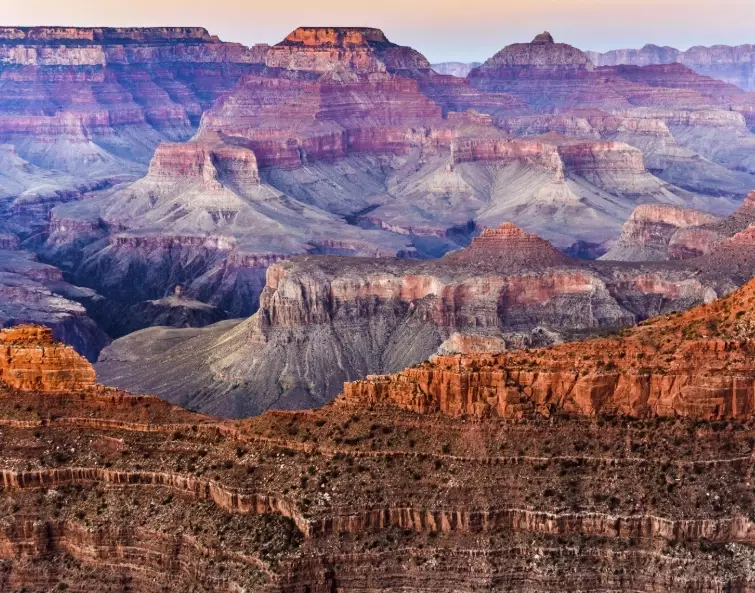
Santa Fe, New Mexico is the epicenter. The Georgia O'Keeffe Museum is a must. But wander Canyon Road for art galleries, and eat at a place like The Shed (113 1/2 E Palace Ave) for legendary red and green chile. The question "Red or Green?" is serious here. (My vote is always for "Christmas"—both).
Food is culture. Look for local specialties:
- Green Chile Cheeseburger: A New Mexico staple. Try it at Bobcat Bite (Santa Fe) or Blake's Lotaburger (statewide chain).
- Navajo Fry Bread: Often sold at roadside stands near tribal lands. Get it savory as a taco or sweet with honey.
- New Mexican Cuisine: It's different from Tex-Mex. It's all about the chile sauce. Tomasita's in Santa Fe (500 S Guadalupe St) is an institution.
Buying authentic art: Avoid imported trinkets. For Native American jewelry, pottery, or weaving, visit certified markets or artist cooperatives. The Indian Pueblo Cultural Center in Albuquerque is a fantastic, ethical starting point. They have artist demonstrations and a great museum.
What Are the Essential Tips for Desert Travel in the Southwest?
This is where most trips stumble. The desert doesn't care about your plans.
Timing is Everything: Spring (April-May) and Fall (Sept-Oct) are ideal. Summer is brutally hot, especially in lower elevations like Death Valley or Moab. If you go in summer, activities must happen before 10 am and after 4 pm. Winter can be cold and snowy at higher elevations (Grand Canyon South Rim, Bryce), but crowds vanish.
The Vehicle: A standard sedan is fine for paved roads to park entrances. But if you want to explore dirt roads to places like Valley of the Gods or the backside of Monument Valley, you need a high-clearance vehicle. Don't be the rental car stuck in soft sand.
The Packing List (The Non-Obvious Stuff):
| Item | Why It's Critical |
|---|---|
| Electrolyte Packets | Prevents dehydration headaches. Water alone isn't enough when you're sweating in dry air. |
| Physical Map & Compass | Cell service is a myth in most parks. GPS fails. A paper map from a visitor center is gold. |
| Headlamp | For sunrise hikes (starting in the dark) or even just walking back to your cabin at night. |
| Bandana or Buff | Wet it and wear it around your neck for instant cooling. Also great for dust. |
| Cash (Small Bills) | Many remote tribal parks, entry fees, and roadside vendors don't take cards. |
Reservations Are Not Optional: This is the biggest change in the last five years. You can't just show up anymore. Many national parks now have timed entry systems or require reservations for popular activities. Check each park's official NPS website months before your trip. Lodging near parks books up a year in advance for peak seasons.
Leave No Trace, Seriously: Pack out all trash. Stay on marked trails to protect fragile cryptobiotic soil (that black crust on the desert floor—it's alive and prevents erosion). Don't stack rocks. Respect wildlife distance.
Your Southwest America Questions, Answered
What is the best route for a 7-day road trip in Southwest America?
The Grand Circle is the classic choice, but it's packed. A more balanced 7-day loop starts in Las Vegas, hits Zion and Bryce Canyon, then heads to Page for Antelope Canyon before looping back via the East Rim of the Grand Canyon. This avoids the worst crowds and gives you time for short hikes. Skip trying to add Monument Valley; the detour kills the pace. Book a guided tour in Page instead for a taste of that landscape.
How can I respectfully experience Native American culture in the Southwest?
Visit tribal-run visitor centers and cultural sites, not roadside stalls. Places like the Navajo Nation's Monument Valley Tribal Park or the Hopi Cultural Center are authentic. Book guided tours with Native guides—they offer insights you won't get anywhere else. Photography rules are strict on tribal lands; always ask permission, and never photograph people, ceremonies, or sacred sites without explicit consent. Buying art directly from certified markets or artists' cooperatives supports the community.
 What is the single most important thing to pack for a Southwest desert trip?
Water. More than you think. A gallon per person per day is the bare minimum for summer. But the real pro tip is electrolyte packets. The dry air fools you; you sweat and dehydrate without noticing. Mixing electrolytes into your water prevents headaches and fatigue. Also, pack a wide-brimmed hat and a lightweight, long-sleeved shirt for sun protection—sunscreen alone isn't enough for all-day exposure.
Is it safe to hike solo in Southwest national parks?
On main trails in Zion or Bryce, yes, with common sense. But for slot canyons, desert washes, or any remote trail, go with a partner. Flash floods are a real, sudden danger. Cell service is nonexistent in most parks. Always tell someone your planned route and return time. Carry a physical map and compass—GPS can fail. If you do go solo, stick to heavily trafficked trails and start early to avoid hiking in the peak afternoon heat.
The Southwest gets under your skin. It's harsh, beautiful, and humbling. You come for the pictures, but you leave with a different sense of space and time. Plan well, respect the land and its people, and get ready to have your movie poster moment—then go find the real story behind it.
Reader Comments