In This Guide
So you typed "Is Agua Fria a real place in Arizona?" into Google. Maybe you saw the name on an old map, heard it in a conversation, or stumbled across a photo that piqued your curiosity. The short, direct answer is yes. Absolutely. But here's the thing – the answer is a bit more interesting than a simple yes or no. It's like asking if "Springfield" is a real place in America. Which one? Arizona's Agua Fria isn't just one single spot you can pin on a map with total certainty. It's a name that wraps up a river, a huge protected area of stunning wilderness, whispers of old ghost towns, and even a modern suburban community. The confusion is totally understandable, and that's exactly why we're diving deep into this.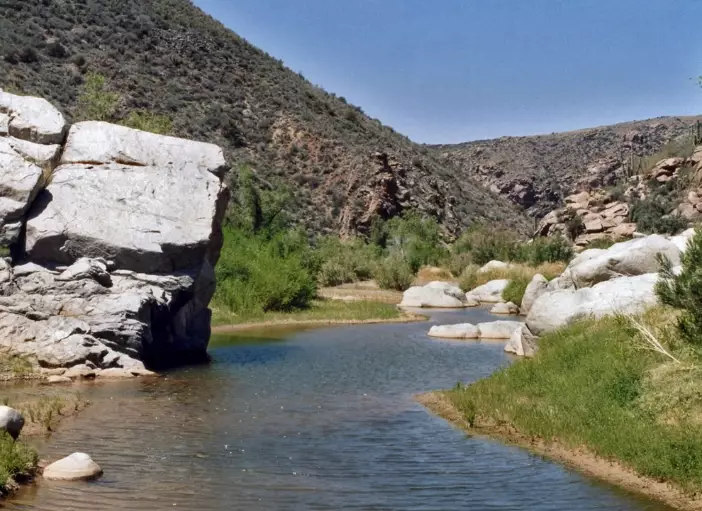
I remember the first time I tried to find it myself. I was looking at a state map, tracing my finger along the I-17 north of Phoenix. I saw "Agua Fria River" snaking across. Then I spotted "Agua Fria National Monument" in a big green blob. My GPS, unhelpfully, wanted to take me to a modern street address in a suburb. It was a mess. Which Agua Fria was the real one? Turns out, they all are. This article is the guide I wish I'd had back then.
The Core Answer: Yes, Agua Fria is definitively a real place (or rather, several real places) in Arizona. The most significant and commonly referenced entity is the Agua Fria National Monument, a federally protected area encompassing over 70,000 acres of high desert landscape, rich with Native American history. The name also applies to the Agua Fria River that flows through it, and historically to settlements that have now faded.
Untangling the Knot: What Exactly Are We Talking About?
When people ask, "Is Agua Fria a real place in Arizona?", they're usually touching on one of these four things. Let's clear up the confusion right from the start.
Quick Fact: "Agua Fria" is Spanish for "cold water." The name was likely given by early Spanish explorers or settlers, possibly referring to the perennial flows in the river, which would have been a vital and notably cool resource in the arid landscape.
First, the Agua Fria River. This is a 120-mile-long intermittent river that starts near Prescott and flows southward, eventually joining the Gila River. It's the backbone of the region. Most years, you'll see more dry riverbed than flowing water, but after rains or snowmelt, it can become a proper river. It's the geographic feature that gave everything else its name.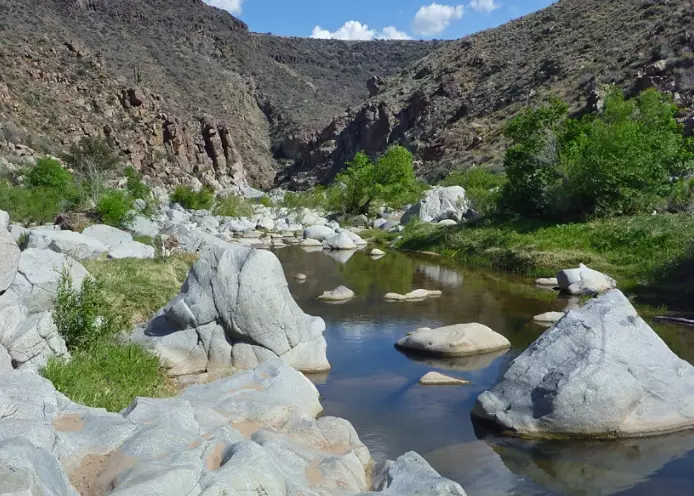
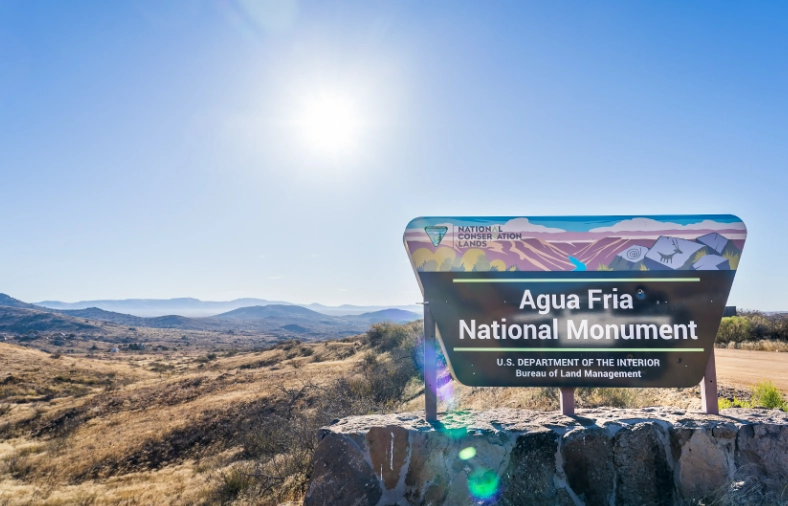
Then, the big one: the Agua Fria National Monument. This is the answer most people are looking for when they wonder about a "place" called Agua Fria. Established by presidential proclamation in 2000, it's a vast, rugged, and largely undeveloped area managed by the U.S. Bureau of Land Management (BLM). It's not a park with visitor centers and paved roads. It's raw, remote, and incredibly beautiful in a stark, desert way. Its primary claim to fame? One of the highest concentrations of prehistoric archaeological sites in the American Southwest. We're talking about hundreds of pueblo ruins, rock art sites, and other artifacts left by the people who lived there from around 1250 to 1450 AD. You can find the official planning page and maps on the BLM's Agua Fria National Monument website.
History adds another layer. There were once settlements and mining districts called Agua Fria. The most notable is often called the Agua Fria Ghost Town or the Agua Fria mining district, located near the present-day town of Mayer. Like many Arizona mining towns, it boomed and busted, leaving behind little more than foundations and stories. This is often the source of confusion for ghost town hunters.
Finally, there's the modern Agua Fria, Arizona. This is a populated place/CDP (Census-Designated Place) in Yavapai County. It's essentially a rural residential area. If you put "Agua Fria, AZ" into a modern mapping app, this is likely where it will take you. It's real, but it's probably not the historic or scenic place you're imagining.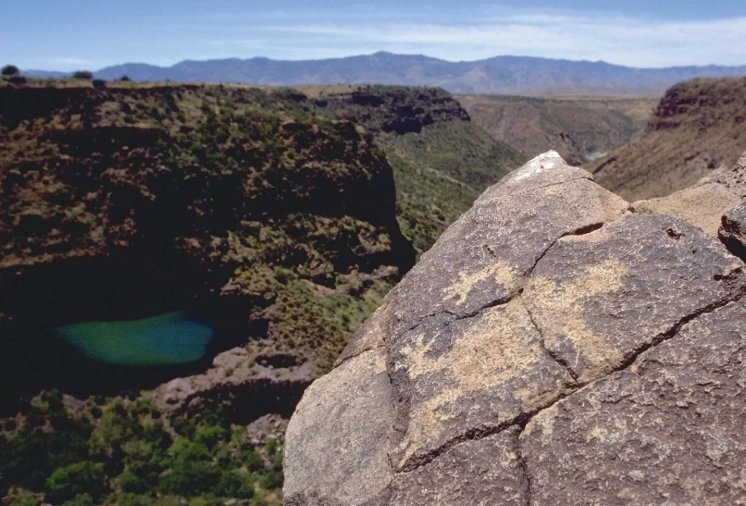
| The "Agua Fria" You Might Mean | What It Is | Key Characteristic |
|---|---|---|
| Agua Fria National Monument | Federal protected area (BLM) | 71,000+ acres of desert, canyons, & major archaeological sites. |
| Agua Fria River | Intermittent waterway | 120-mile river flowing from Prescott to the Gila River. |
| Agua Fria (Historical/Ghost Town) | Former mining settlement | Near Mayer, AZ. Mostly foundations and ruins now. |
| Agua Fria (CDP) | Modern residential area | Census-Designated Place in Yavapai County. |
So, is Agua Fria a real place in Arizona? You can see how the question has layers. It's not just one place, but a whole region defined by a river and steeped in deep history.
A Deep Dive into the Agua Fria National Monument: The Heart of the Matter
Since the National Monument is the most significant "place" bearing the name, let's focus there. This is where your sense of adventure needs to kick in.
Landscape and Geology: What Does It Actually Look Like?
Forget lush forests. The monument is classic Arizona Basin and Range country. Think wide, grassy valleys (they call them "basins") separated by sudden, steep mountain ranges. The Agua Fria River has carved deep canyons through these valleys, creating the dramatic topography that made the area defensible and livable for ancient peoples. The dominant features are the Perry Mesa and Black Mesa—vast, flat-topped tablelands that offer sweeping views. The geology is a palette of desert colors: reds, browns, and ochers in the rock, contrasted with the greens of juniper, pinon pine, and sagebrush.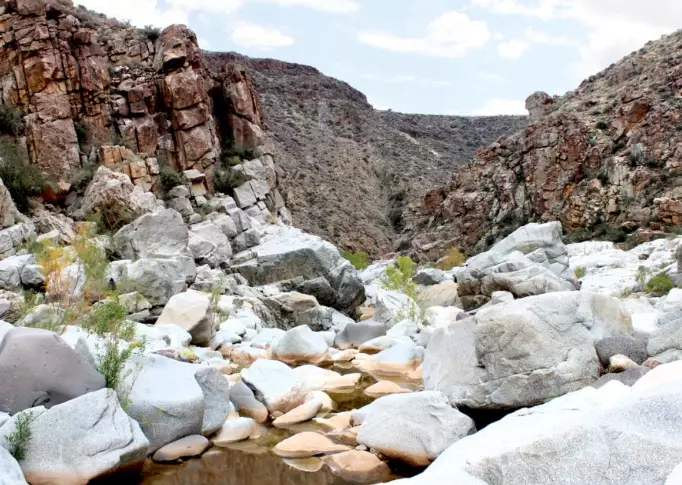
My first time hiking up onto Perry Mesa was a slog. The climb is no joke. But reaching the top and seeing that endless, flat expanse stretching to the horizon, dotted with junipers and cut by deep canyons… it feels like stepping onto another planet. The silence is profound. It's easy to see why people chose to live here centuries ago.
The Archaeological Crown Jewels: Why This Place is Protected
President Clinton didn't protect this land for its scenic value alone (though that's part of it). He did it for the history literally written on the landscape. Between 600 and 900 years ago, this area was a hub of Puebloan culture. The monuments contain:
- Pueblo Sites: Complexes of stone rooms, some with dozens or even hundreds of structures. They weren't just houses; they were communities, often built in defensible positions on mesa tops.
- Rock Art: Petroglyphs (images carved into rock) and pictographs (images painted on rock) depicting animals, geometric patterns, and human-like figures. These are fragile and sacred; look, but never touch.
- Agricultural Features: Terraces, check dams, and grids of rock piles believed to be used for farming in a challenging environment.
Sites like the Pueblo La Plata complex are astounding. Walking among those crumbling walls, you can't help but wonder about the daily lives of the people who built them. The National Park Service provides context on the broader cultural history of the region, which helps frame what you see at Agua Fria, on their Southwest Archaeology page.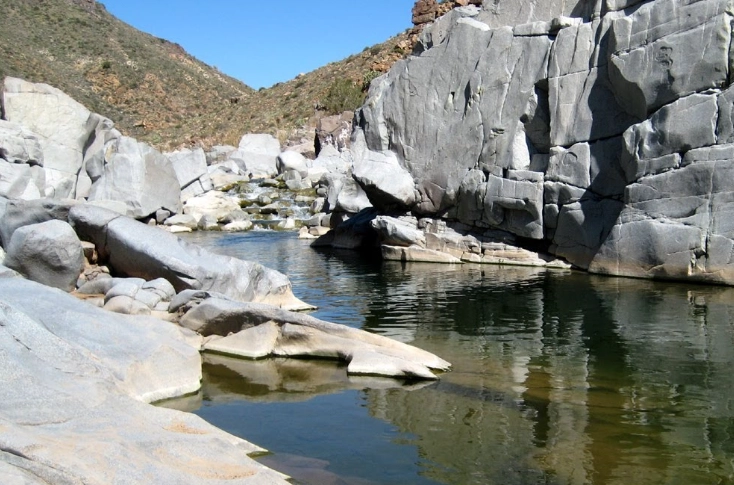
The preservation ethos is critical here. The BLM's rule is simple: "Take only pictures, leave only footprints." Collecting artifacts, even a seemingly insignificant potsherd, is illegal and robs the site of its context and history.
Wildlife and Plant Life: The Desert is Buzzing
It might look barren at first glance, but the monument is teeming with life adapted to the arid climate. Keep your eyes peeled for:
- Mammals: Mule deer, javelina (collared peccary), coyotes, bobcats, and even the occasional mountain lion.
- Birds: A paradise for raptors. Golden eagles, red-tailed hawks, and prairie falcons soar on the thermals. You'll also see ravens, roadrunners, and various songbirds.
- Reptiles: This is rattlesnake country. Several species, including the Western diamondback, call this home. Give them a wide berth.
- Flora: The vegetation is a mix of high desert and semi-arid grassland. Look for the blue-green of juniper trees, the fragrant pinon pine, prickly pear and cholla cacti, and various hardy grasses and wildflowers that bloom after spring rains.
How to Actually Visit (Or If You Even Should)
This is the practical stuff. The monument is not user-friendly in the traditional park sense. There's no entrance station, no fee, no paved scenic loop, and no cell service. Visiting is a commitment.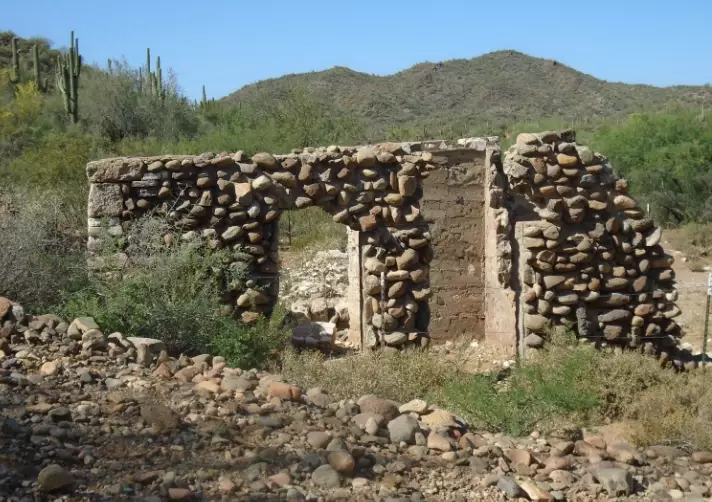
Critical Warning: The roads into the monument are primitive dirt roads, often rocky, rutted, and impassable when wet. A high-clearance vehicle, preferably 4WD or AWD, is strongly recommended for most access points. Do not attempt in a standard sedan after rain—you will get stuck. Check current conditions with the BLM Arizona State Office before you go.
Getting There and Access Points
The main access is from I-17, about 40 miles north of downtown Phoenix. The two most common entry points are:
- Bloody Basin Road (Exit 259): This is the most popular access for Pueblo La Plata. The turnoff is well-marked. The dirt road is decent for the first few miles but gets progressively worse. The drive to the trailhead can take 45 minutes to an hour over rough terrain.
- Badger Springs Road (Exit 256): Provides access to the Badger Springs trail, which leads down into the Agua Fria River canyon. The road is a bit shorter but still requires a capable vehicle.
You'll need detailed maps. The BLM website offers printable ones. I also rely on the Arizona State Parks website for general regional recreation info, as they sometimes have alerts about road conditions in adjacent areas.
What to Do There
- Hiking: This is the primary activity. Trails are unmarked and primitive. You need solid navigation skills (map, compass, GPS). The hike to Pueblo La Plata is moderately strenuous.
- Bird Watching: Excellent, especially in the river corridor.
- Photography: The landscapes, especially at sunrise and sunset, are phenomenal. The archaeological sites also offer powerful photographic subjects (be respectful).
- Stargazing: With minimal light pollution, the night skies are incredible.
What you cannot do is just as important: no camping outside of designated areas (check BLM rules), no off-road vehicle travel off established roads, no collecting of anything, and no drones without a permit.
I made the mistake of going in mid-July once. Just don't. The heat was brutal, well over 105°F (40°C). I carried way more water than I thought I'd need and drank all of it by noon. The best seasons are fall, winter, and spring. Even spring can be hot. October through April is prime time.
Common Questions (The Stuff You're Really Wondering)
Final Thoughts: More Than Just a "Yes" or "No"
So, is Agua Fria a real place in Arizona? We've answered that definitively. But the real story isn't in the affirmation; it's in the layers that affirmation reveals. Agua Fria is a testament to Arizona's complex character—a state where modern suburbs, ancient history, wild rivers, and ghost towns can all share the same name.
The Agua Fria National Monument, in particular, is a treasure. It's a challenging treasure, one that doesn't hand itself to you on a silver platter. You have to work for it. You have to pack the water, navigate the bad roads, and hike under the sun. But in doing so, you get something increasingly rare: genuine solitude, a direct connection to a profound human history, and the unvarnished beauty of the Sonoran Desert transition zone.
My advice? If you're curious, start with the BLM website. Get the maps. Plan for a cool-weather weekend. Go with a reliable vehicle and a friend. And when you finally stand on the mesa, looking out over the land that has carried the name "Agua Fria" for centuries, you'll have your own answer—one that goes far beyond a simple Google search.
Just be prepared for the desert. It doesn't care about your plans. And maybe that's the most real thing about it.
Reader Comments