Let's be honest, most people blow right past Barstow, California on their way to Las Vegas or Los Angeles. They're missing one of the Mojave Desert's most quietly spectacular secrets: Rainbow Basin Natural Area. This isn't your typical postcard desert. Forget endless flat sand. Imagine instead a bowl of earth that looks like a giant took a paintbrush dipped in ochre, sienna, purple, and slate gray and swirled it across the hills. That's Rainbow Basin. Managed by the Bureau of Land Management (BLM), it's a free, uncrowded, and utterly fascinating geological playground. I've been coming here for years, and every visit I spot some new, subtle band of color I missed before.
This guide isn't just a list of facts. It's the culmination of multiple trips, a few wrong turns (literally), and conversations with the lone BLM ranger who patrols this vast area. I'll tell you exactly how to navigate the rough roads, where to find that perfect sunset shot everyone misses, and why you might want to think twice about bringing that low-slung sedan.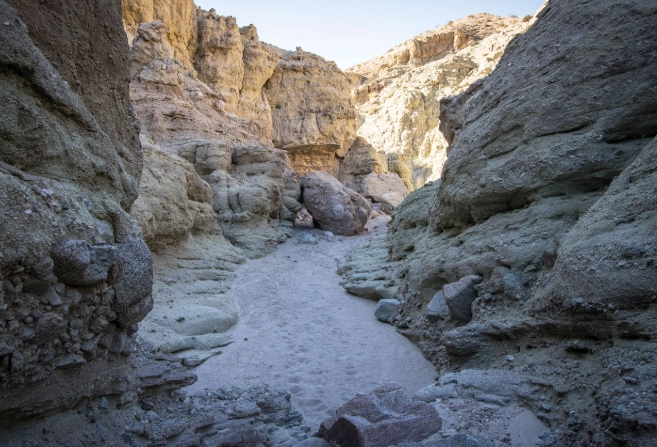
Your Quick Guide to Rainbow Basin
Planning Your Visit: The Need-to-Know Basics
Before you get lost in the beauty, let's cover the logistics. Rainbow Basin operates on a different rhythm than a national park.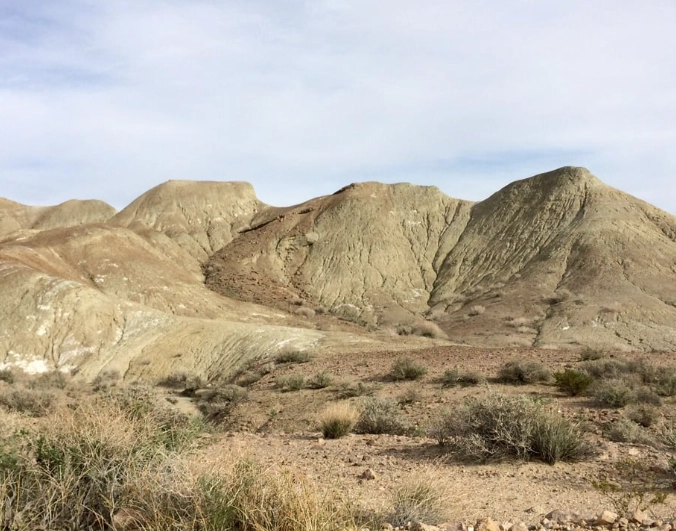
Rainbow Basin Natural Area At a Glance
Location: Approximately 8 miles north of Barstow, California, in the Mojave Desert.
Managed by: Bureau of Land Management (BLM), Barstow Field Office.
Admission Fee: None. It's completely free to enter.
Operating Hours: Open 24/7, year-round. The access road and campground are always open.
Official Page: For the most current alerts (like road closures after rain), check the BLM's official Rainbow Basin page.
My Take: The lack of gates and fees is liberating, but it means you're 100% responsible for your own safety, water, and preparedness.
The basin itself is a geologic syncline, which is a fancy way of saying the rock layers were folded into a U-shape by immense pressure millions of years ago. Erosion then carved out the center, exposing those layers in brilliant sequence. You're literally driving and hiking through a textbook of Earth's history.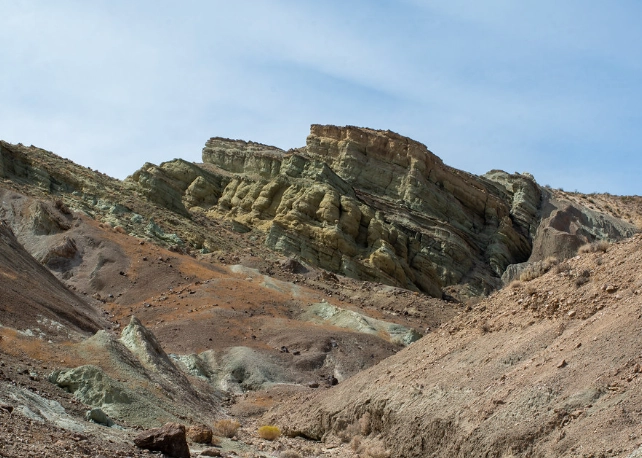
How to Get to Rainbow Basin Natural Area?
This is where most first-timers get tripped up. There's no grand entrance arch. You turn off a highway onto a road that quickly tells you what you're in for.
From Barstow: Take Fort Irwin Road north out of town. After about 6 miles, you'll see a sign for Fossil Bed Road on your right. Turn here. The pavement ends almost immediately.
Follow Fossil Bed Road all the way to its end at the "Loop Road" that circles the main basin. The road is well-signed. The main attractions—the scenic loop, the campground, and trailheads—are all along this road.
What is the Best Time to Visit Rainbow Basin?
Timing is everything in the desert.
| Season | Pros | Cons & Expert Tips |
|---|---|---|
| Spring (March-May) | Wildflowers can be stunning. Pleasant daytime temps (70s-80s°F). Ideal for hiking. | Can be windy. This is peak season, so you might see a handful more cars (but it's never "crowded"). |
| Fall (Oct-Nov) | My personal favorite. Warm days, cool nights. Perfect camping weather. Clear skies. | Days get shorter. Bring layers for evening. |
| Winter (Dec-Feb) | Brilliant, crisp light for photography. No heat stress. Solitude. | Nights are cold (can drop below freezing). Days can be chilly (50s°F). Road may be icy in mornings. |
| Summer (June-Sept) | Long days. Dramatic monsoon storm potential (rare). | Extreme heat (100°F+). Hiking is dangerous past 9 AM. Vehicle overheating risk. Not recommended for most. |
The magic hours are always early morning and late afternoon. The low sun angle makes the colors of the basin walls absolutely sing with reds and golds. Midday light flattens everything out.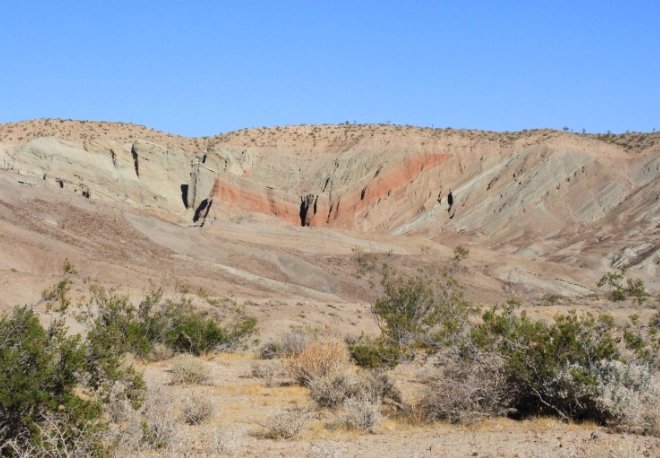
Top Things to Do in Rainbow Basin
Rainbow Basin is about immersive experience, not ticking off a list of attractions. Here’s how to spend your time.
1. Drive the Scenic Loop Road
This 4.5-mile one-way dirt loop is the centerpiece. Go slow. Stop at the pullouts. The views change with every curve. Look for the distinct "Coffee Rock" layer—a dark, cemented gravel band. This isn't a race; plan at least an hour for the loop with stops.
2. Hike the Trails (Or Make Your Own)
There are a couple of formal trails, but much of the exploration is cross-country.
Owl Canyon: A short, easy hike into a narrow slot canyon. The rock textures here are incredible. It's cool and shaded, a great midday retreat. Find it off a spur road before the main loop.
The Badlands: There's no marked trail, but from the loop road, you can simply walk into the colorful hills. Practice good Leave No Trace principles—the cryptobiotic soil crust is fragile.
My go-to hike: I park near the campground and scramble up the ridges to the south. The panoramic view of the entire basin folded out below is worth the effort.
3. Camp at the Owl Canyon Campground
This is primitive camping. No water, no hookups, just vault toilets and fire rings (check fire restrictions!). The 31 sites are first-come, first-served. The fee is minimal. Waking up to the sunrise painting the basin is an experience you can't get on a day trip. Site #12 has a particularly great view.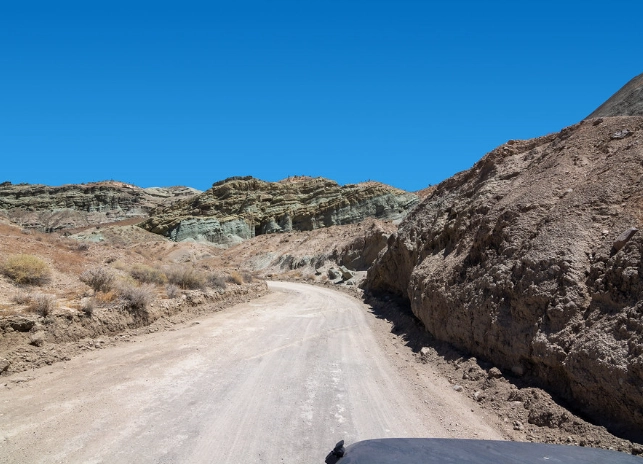
4. Photography and Stargazing
Photographers, bring a polarizing filter—it cuts the desert glare and makes the colors pop. A wide-angle lens captures the vastness, a telephoto compresses the colorful layers beautifully. At night, the lack of light pollution makes for a staggering Milky Way display. The loop road is closed at night, but you can shoot from the campground or the main road pullouts.
A Perfect Day Trip Itinerary from Barstow
If you're based in Barstow or just passing through on I-15, here's a foolproof one-day plan to see the best of Rainbow Basin without rushing.
7:30 AM: Grab breakfast and coffee in Barstow. Fill every water bottle you have (one gallon per person per day is the rule).
8:30 AM: Arrive at the Fossil Bed Road turnoff. Air down your tires slightly if you have a 4x4/SUV for a smoother ride on the washboard.
9:00 AM: Hike Owl Canyon while it's still cool and the light is soft.
10:30 AM: Start the Scenic Loop Drive. Take your time.
12:30 PM: Find a shady pullout (they exist!) for a picnic lunch. Do NOT attempt a major hike now.
2:00 PM: Explore the short walks from the loop road, focusing on photography and geology.
4:00 PM: Drive back towards the entrance, but stop at a high point overlooking the basin. This is the golden hour. The colors become unreal.
5:30 PM: Head back to Barstow, or if you're camping, check into your site and start dinner as the sunset glow fades.
Expert Answers to Your Rainbow Basin Questions
Is the road to Rainbow Basin suitable for all vehicles?
Can I use a drone at Rainbow Basin?
What's the one thing most visitors forget to bring?
Are there any guided tours of Rainbow Basin?
How does Rainbow Basin compare to more famous places like Death Valley?
Rainbow Basin Natural Area doesn't shout for your attention. It whispers. It's for the traveler who prefers dirt roads to interstates, who finds beauty in subtle bands of mineral color, and who values silence under a vast desert sky. It’s a reminder that some of the most breathtaking places are the ones you have to seek out, just a little bit. Pack your sense of adventure, your preparedness, and your camera. The painted hills are waiting.
Reader Comments