Let's get this out of the way first: Northern California isn't just San Francisco. Thinking that is the biggest mistake you can make. "NorCal" is a sprawling, wildly diverse region where you can freeze in summer fog, bake in inland heat, sip world-class wine, and hike in alpine wilderness—all within a few hours' drive. Picking the right cities to visit makes or breaks your trip.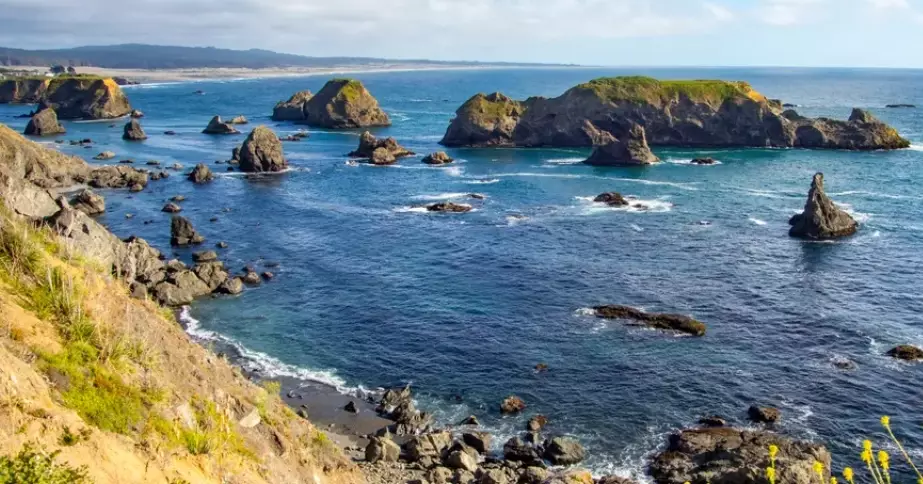
I've lived here for over a decade, and I still discover new corners. This guide isn't a bland list. It's a breakdown of the cities that actually deliver a unique Northern California experience, with the gritty details you need to plan.
Your NorCal Cities Cheat Sheet
- What Exactly is "Northern California"?
- The Urban Anchor: San Francisco
- Wine Country Classics: Napa & Sonoma
- The Dramatic Coast: Monterey & Carmel
- The Mountain Playground: Lake Tahoe
- Under-the-Radar Picks Worth Your Time
- Crafting Your NorCal Itinerary
- Local Travel Hacks & What to Avoid
- Your NorCal Questions, Answered
What Exactly is "Northern California"?
Geographically, it's everything north of Fresno. Culturally, we're talking about the area shaped by the Pacific Ocean, the Sierra Nevada, and the tech boom. For travelers, it breaks down into distinct zones, each with its own flagship cities.
- The Bay Area: The nine-county metro region anchored by San Francisco, San Jose, and Oakland.
- Wine Country: Primarily Napa Valley and Sonoma County, north of the Bay.
- The Central Coast: The stunning shoreline from Santa Cruz down to Big Sur, with Monterey as its heart.
- The Northern Interior & Sierras: Sacramento (the capital), and the mountain towns leading to Lake Tahoe and Shasta.
You can't do it all in one go. Don't try.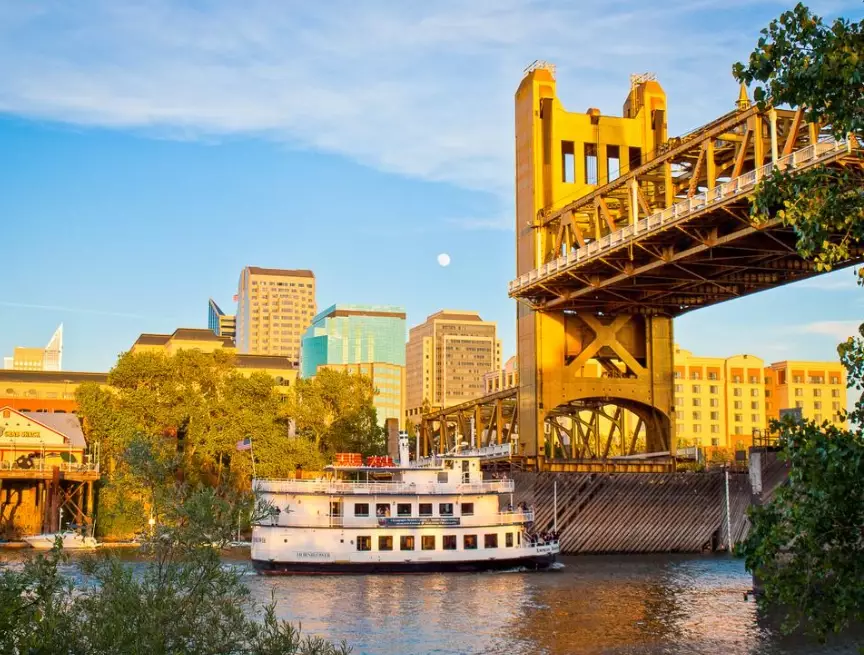
The Urban Anchor: San Francisco
Yes, you'll probably start here. It's iconic for a reason. But visiting San Francisco and experiencing it are different things.
Forget the car. Seriously. Parking is a nightmare costing $50+ a day, and break-ins in tourist areas are a genuine problem. Use Muni (the bus/streetcar system), cable cars for the novelty (a single ride is $8, buy a pass if you'll use it), and your feet. The city is only 7x7 miles.
Skip the generic Fisherman's Wharf souvenir shops. Instead, walk to the Musee Mecanique for vintage arcade games, then get clam chowder in a sourdough bowl from a walk-up stand. That's the authentic bit.
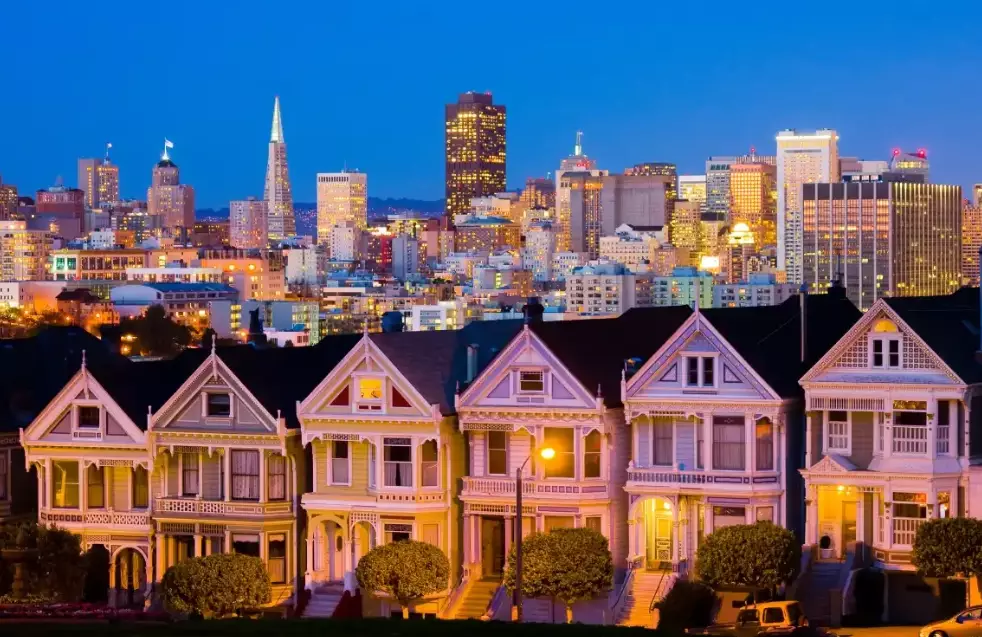
Neighborhoods Are Everything: Spend an afternoon in the Mission for murals and a burrito (Taqueria La Cumbre is a classic). Wander North Beach for Italian cafes and City Lights Bookstore. See the Painted Ladies postcard view from Alamo Square, then explore the nearby Hayes Valley for indie shops.
Golden Gate Park is larger than Central Park. Don't just see the bridge from a vista point. Walk or bike across it. The fog rolling in is a spectacle itself.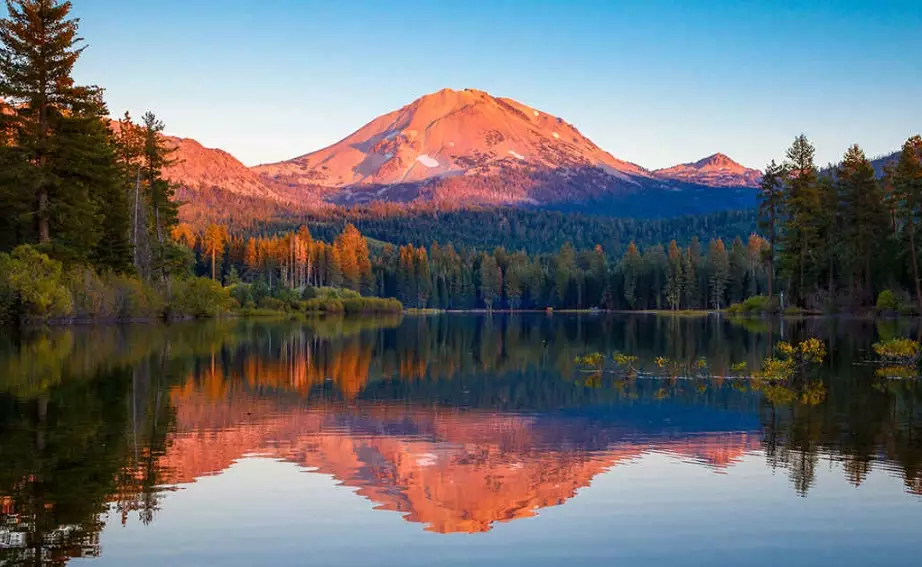
Wine Country Classics: Napa & Sonoma
These are neighboring valleys with different personalities. Napa is polished, prestigious, and expensive. Sonoma (especially the town of Sonoma itself) is more laid-back, rustic, and slightly more affordable.
The biggest rookie error? Showing up without reservations for tastings. Post-pandemic, almost every winery requires a booked appointment, especially on weekends. Period.
| City/Area | Vibe | Can't-Miss Experience | Practical Tip |
|---|---|---|---|
| Napa (Town) | Upscale, culinary-focused | Tasting at a historic estate like Beringer or a modern architectural gem like Domaine Carneros. Dinner at Oxbow Public Market. | Tastings start at $40+ pp. Book a driver or join a tour. The Napa Valley Wine Train is a touristy but fun splurge. |
| Sonoma (Town) | Charming, relaxed, historic | Exploring Sonoma Plaza, the largest town square in California. Tasting at a family-owned winery like Gundlach Bundschu. | More small-town feel. Great for biking between tasting rooms. Visit the Mission San Francisco Solano. |
| Healdsburg | Sophisticated yet friendly | World-class Pinot Noir and Chardonnay in the Russian River Valley. Chic downtown plaza dining. | Acts as a hub for three major wine regions. Accommodation books up fast. |
Stay in Sonoma if you want a quieter, more genuine small-town feel. Stay in downtown Napa for easier access to restaurants and transportation.
The Dramatic Coast: Monterey & Carmel
Two hours south of San Francisco, the Monterey Peninsula feels worlds away. The water is colder, the light is sharper, and the pace slows down.
Monterey is about marine life and history. The Monterey Bay Aquarium is arguably the best in the world—it's non-negotiable. Allow 3-4 hours. Afterwards, walk the Cannery Row (Steinbeck's old haunt, now tourist shops) but then escape to the Monterey Bay Coastal Recreation Trail, a paved path with incredible views.
Carmel-by-the-Sea (its full, fussy name) is Monterey's fancy neighbor. It's a storybook village with fairytale cottages, upscale art galleries, and a pristine white-sand beach. It feels a bit like a movie set, but in a good way. Parking can be tricky; use the public lots off Ocean Avenue.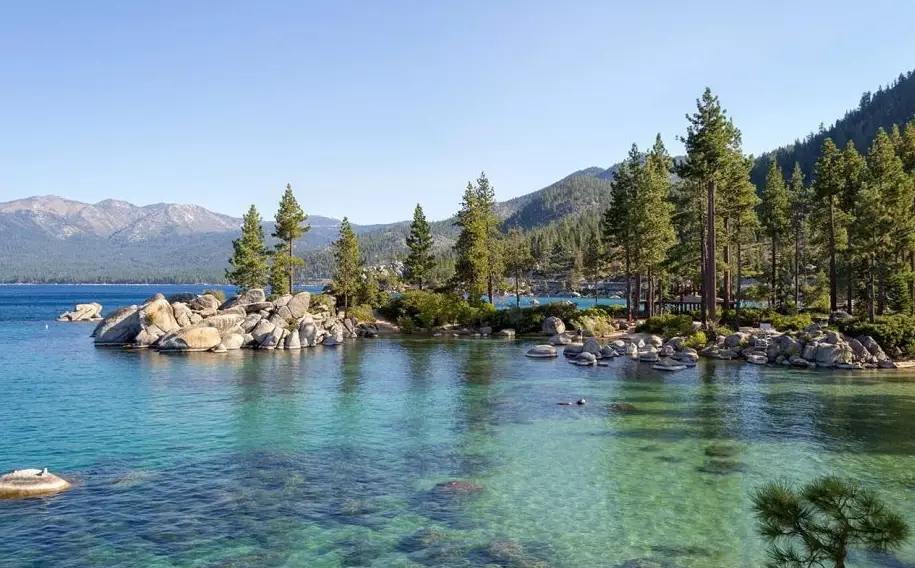
Pro-Tip: The famous 17-Mile Drive (toll: $11.25 per vehicle) connects Pacific Grove to Carmel. It's stunning, but don't just drive through. Stop at the Lone Cypress, Bird Rock, and the Pebble Beach links. Pack a sweater—the wind is no joke.
The Mountain Playground: Lake Tahoe
Tahoe is a city? Not quite. It's a massive lake ringed by towns in two states. The vibe splits between the North Shore (more relaxed, older cabins, closer to Tahoe City) and the South Shore (centered around Stateline, NV, with casinos and a busier nightlife).
This is a two-season destination. Winter is for skiing/snowboarding. Palisades Tahoe (formerly Squaw Valley) and Heavenly are the giants. Summer is, in my opinion, even better. The water is crystal clear (but cold—68°F max). Rent a kayak from Sand Harbor (Nevada side), hike the Rubicon Trail along the western shore, or simply find a rocky cove to jump in.
Most people underestimate the drive. From San Francisco, it's 3.5+ hours, often longer with ski traffic. In winter, you must carry chains in your vehicle, even with 4WD. Caltrans updates road conditions constantly.
Under-the-Radar Picks Worth Your Time
If you have time for a deeper cut, these cities offer something special without the overwhelming crowds.
- Sacramento: California's capital gets overlooked. The Midtown neighborhood is fantastic—tree-lined streets, great farm-to-fork restaurants (the city's tagline), and a vibrant vibe. Tour the stunning State Capitol building. It's a perfect stop on a drive between the Bay and Tahoe.
- Santa Cruz: The quintessential California beach town with a quirky soul. The Santa Cruz Beach Boardwalk is a classic wooden roller coaster right on the sand. The West Cliff Drive coastal path is perfect for a walk or bike ride. It's less polished than Monterey, more youthful and energetic.
- Redding: This is your gateway to the far north's natural wonders. It's home to the breathtaking Sundial Bridge and is the jumping-off point for Lassen Volcanic National Park and Shasta Lake. It's for travelers who prioritize landscapes over lattes.
Crafting Your NorCal Itinerary
Here’s the reality check. You can't do SF, Napa, Monterey, and Tahoe justice in a week. You'll be in the car non-stop. Pick a primary region and one add-on.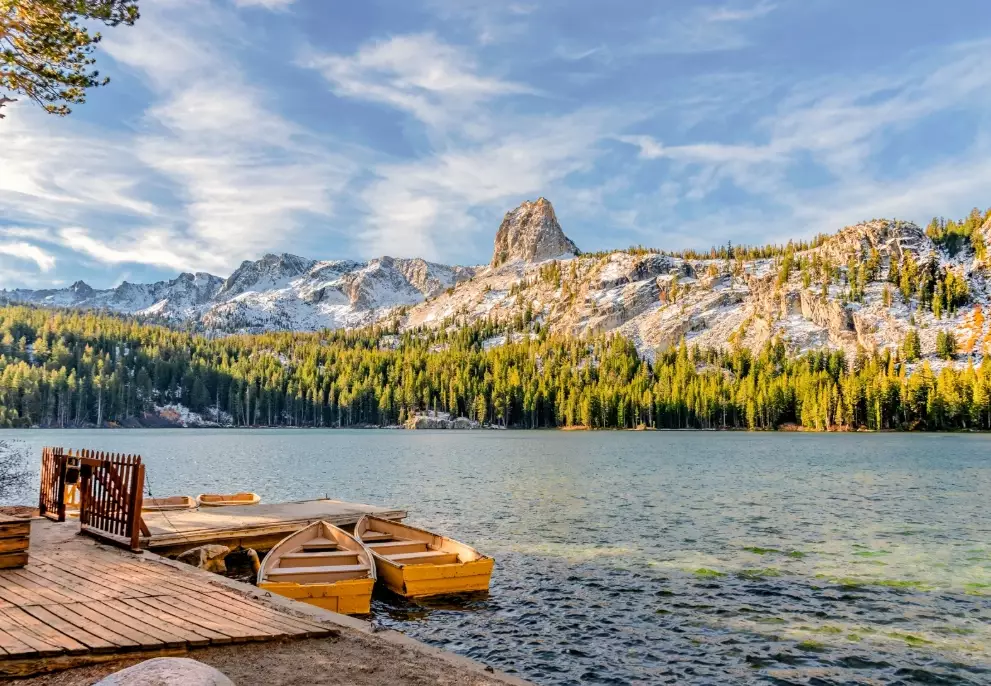
Sample 7-Day "Classic" Itinerary:
- Days 1-3: San Francisco. No day trips. Explore the neighborhoods deeply.
- Day 4: Pick up rental car. Drive to Napa/Sonoma (1.5 hrs). Afternoon tasting.
- Day 5: Full day in Wine Country.
- Day 6: Drive to Monterey (2.5-3 hrs). Afternoon at Aquarium or 17-Mile Drive.
- Day 7: Morning in Carmel, drive back to SFO (2 hrs).
Sample 7-Day "Nature & Cities" Itinerary:
- Days 1-2: San Francisco.
- Day 3: Drive to Lake Tahoe (3.5+ hrs). Settle in on South Shore.
- Days 4-5: Explore Tahoe (hike, kayak, relax).
- Day 6: Drive back towards Bay, stop in Sacramento for lunch and a Capitol tour.
- Day 7: Fly out of SFO or SJC.
Local Travel Hacks & What to Avoid
This is the stuff you learn the hard way.
Layer Up: Mark Twain supposedly said, "The coldest winter I ever spent was a summer in San Francisco." He was right. A lightweight puffer jacket or fleece is your best friend, even in August.
Traffic is a Beast: Highway 101 and I-80 are parking lots during rush hour (7-10am, 3-7pm). If you must drive between regions, do it mid-day. Consider taking the Capitol Corridor train from the Bay Area to Sacramento—it's scenic and stress-free.
Book Ahead, For Everything: This isn't a spontaneous destination anymore. Hotels in popular areas, rental cars, winery tours, even parking at Muir Woods—all need advance booking, especially May-October.
Embrace the Microclimates: It can be 55°F and foggy in San Francisco while it's 95°F and sunny in Napa, an hour away. Check the weather for each specific city you're visiting that day.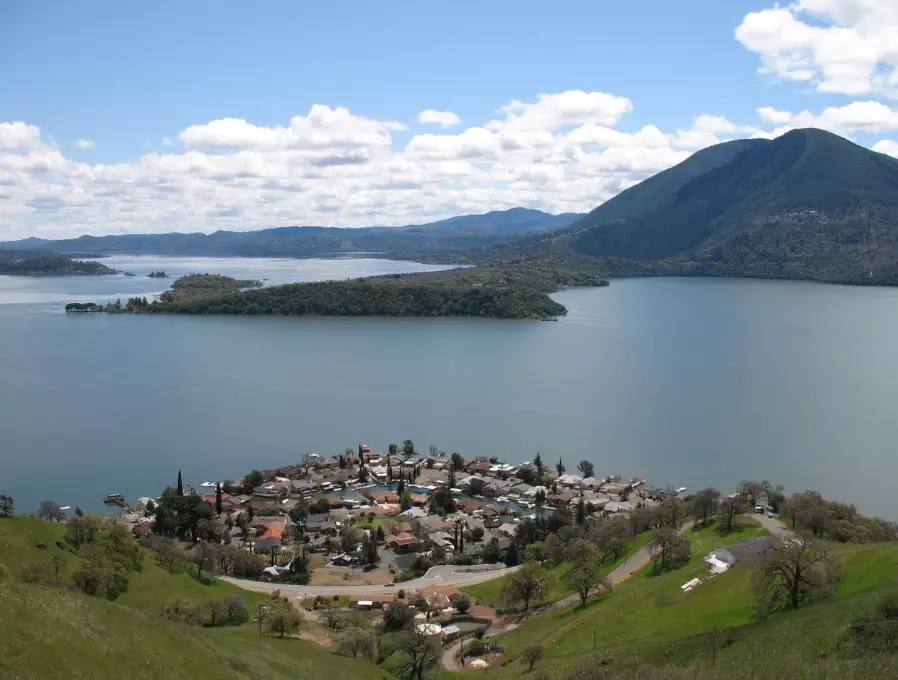
Your NorCal Questions, Answered
What is the best time of year to visit Northern California cities?
Is it better to fly into San Francisco (SFO) or San Jose (SJC) for a NorCal trip?
How many days do I need for a Northern California road trip covering multiple cities?
What's one thing most tourists miss in San Francisco that's actually worth it?
 The magic of Northern California's cities lies in their contrast. You can have urban energy, rustic charm, coastal grandeur, and alpine serenity all in one trip. The key is to choose wisely, plan smartly, and pack for every possible weather scenario. Ditch the checklist mentality. Pick two or three cities that speak to you, and dive deep. You'll leave with a much richer understanding of what makes this part of the world so relentlessly captivating.
Reader Comments