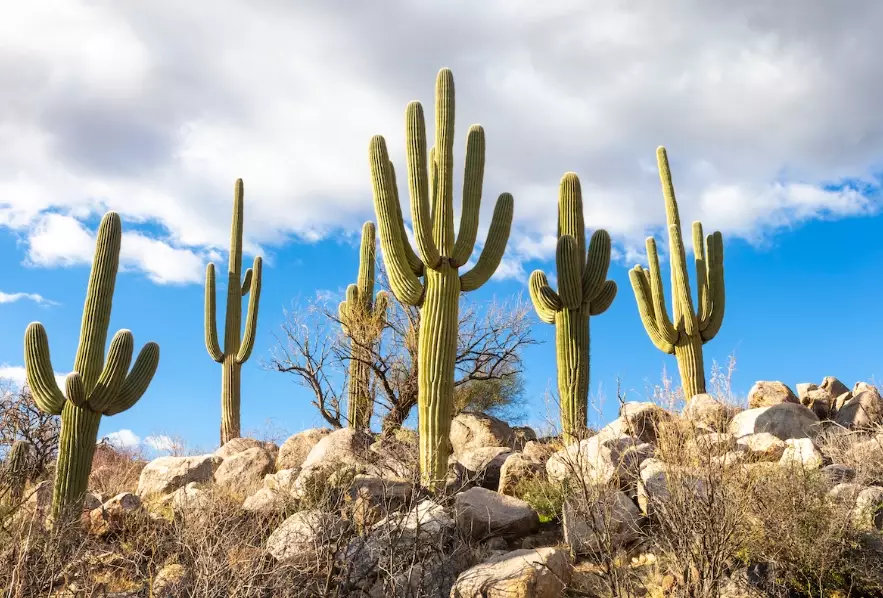
When you think of Arizona, you see the silhouette of a giant Saguaro against a sunset. But the world of Arizona cactus varieties is far richer and more accessible than that postcard image. It's not just about what you see on a hike through the Sonoran Desert; it's about which of these architectural wonders you can actually bring into your own landscape, whether you're in Phoenix or Pennsylvania. I've killed my fair share of cacti trying to replicate that desert vibe in less-than-ideal climates, and along the way, I learned what truly works. This guide cuts through the generic advice and dives into the specific species, the best places to see them in their full glory, and the non-negotiable rules for keeping them alive.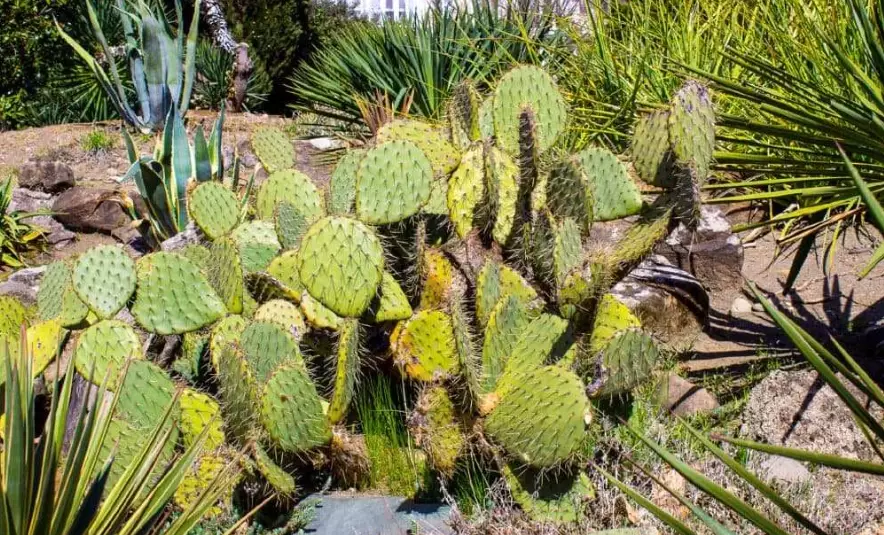
What's Inside This Guide
What Are the Most Iconic Arizona Cactus Varieties?
Forget just "cactus." Arizona's deserts host a stunning array of forms, each with a unique personality and set of needs. Here are the stars of the show, the ones that define the landscape and are most sought-after by gardeners.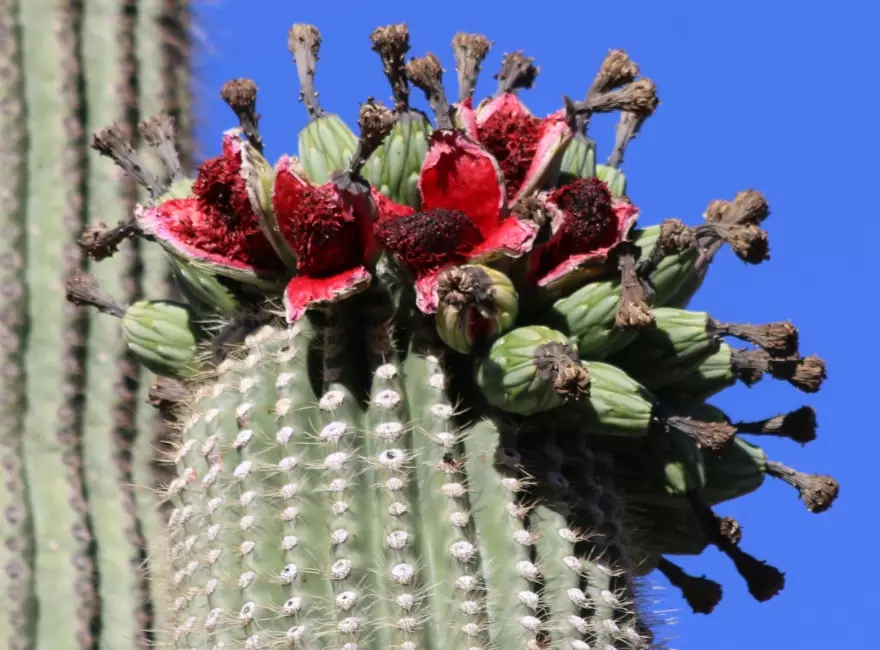
The Undisputed King: Saguaro (Carnegiea gigantea)
This is the one. The Saguaro is the state symbol of Arizona for a reason. It's not just a plant; it's a slow-motion monument. They don't even start growing their first "arm" until they're 50-70 years old. A mature Saguaro can store over 1,000 gallons of water. But here's the practical reality check everyone misses: growing one from a seedling in your backyard is a multi-generational project. They grow painfully slow—maybe an inch a year if you're lucky. For 99% of people, appreciating them in situ or at a botanical garden is the way to go.
The Rugged Barrel: Fishhook & Arizona Barrel Cacti (Ferocactus spp.)
If the Saguaro is the skyline, Barrel cacti are the sturdy, colorful buildings. The Fishhook Barrel Cactus (Ferocactus wislizeni) is common in southern Arizona, named for its hooked central spines. The Arizona Barrel Cactus (Ferocactus cylindraceus) is another classic. These are far more garden-friendly than the Saguaro. They have a satisfying, round shape, spectacular flower rings in summer, and a manageable size. They're also more cold-tolerant than many realize, handling brief dips into the 20s (°F) once established.
The Deceptively Dangerous: Cholla (Cylindropuntia spp.)
Pronounced "CHOY-ya." These are the beautiful nightmares of the desert. From a distance, varieties like the Teddy Bear Cholla look soft and fuzzy. Get within five feet, and you'll learn why they're also called "jumping cholla"—their segments detach at the slightest touch and hook in painfully. They are stunning backdrops in xeriscapes but require careful placement away from paths. The Chain Fruit Cholla, with its dangling fruits, is particularly photogenic.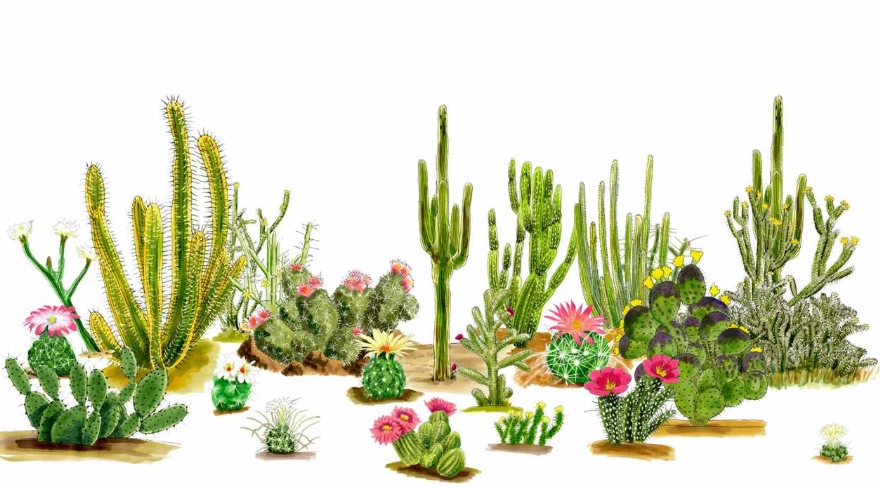
The Useful Classic: Prickly Pear (Opuntia spp.)
This is perhaps the most versatile Arizona native. Flat, paddle-like pads, often edible fruits (tunas), and flowers in shocking yellows, reds, and purples. The Engelmann's Prickly Pear (Opuntia engelmannii) is widespread. These spread readily, form dense clumps, and are exceptionally hardy. You can find cold-hardy Opuntia varieties that survive winters as far north as Canada. They're a beginner's best friend.
| Variety (Common Name) | Key Identifying Feature | Hardiness (USDA Zone) | Best For Gardeners Who... |
|---|---|---|---|
| Saguaro | Tall, columnar, iconic arms | 8b-11 | Have immense patience and live in the Sonoran Desert. |
| Barrel Cactus (Fishhook) | Barrel-shaped, hooked central spines | 8-11 | Want a sculptural centerpiece with amazing flowers. |
| Cholla (Teddy Bear) | Dense, golden spines, segmented stems | 8-11 | Need a dramatic, low-water barrier (handle with care!). |
| Prickly Pear (Engelmann's) | Flat pads, bright yellow/red flowers | 5-11 | Are beginners or need a tough, spreading ground cover. |
| Organ Pipe Cactus (Stenocereus thurberi) | Multiple stems growing from base | 9b-11 | Want a Saguaro alternative with a unique, branching form. |
Where to See Arizona Cacti in the Wild (and in Gardens)
To truly understand these plants, you need to see them in context. Arizona offers world-class viewing, from pristine national parks to curated botanical collections. Here’s where to go for the best experience.
| Location & Name | Address/Area | What You'll See & Highlights | Cost & Hours | Pro Tip |
|---|---|---|---|---|
| Sonoran Desert Museum | 2021 N Kinney Rd, Tucson, AZ | Not a museum—a brilliant fusion of zoo, botanical garden, and natural history exhibit. Cacti are labeled impeccably. Unbeatable for education. | ~$25/adult. Opens 8:30 AM. Check site for seasonal hours. | Go early. The animals (and you) are most active in the cool morning. The raptor free-flight is a must. |
| Saguaro National Park | Tucson Mountain District (West) & Rincon Mountain District (East) | The definitive Saguaro forest. The west district has denser, older stands. East has higher elevation variety. | $25 vehicle pass (7 days). Park is open 24/7, visitor centers 9-5. | For photos, sunset in the west district is magic. The Bajada Loop Drive is an easy intro. |
| Desert Botanical Garden | 1201 N Galvin Pkwy, Phoenix, AZ | One of the world's premier desert plant collections. Trails are organized by theme (Sonoran, conservation, etc.). Perfect for seeing rare varieties. | ~$30/adult. Opens at 8 AM. Evenings in spring/summer for flashlight tours. | Visit in spring (March-April) for peak bloom. The plants are shockingly colorful. |
| Organ Pipe Cactus National Monument | 10 Organ Pipe Dr, Ajo, AZ (Southwest AZ) | The only place in the U.S. where the namesake Organ Pipe cactus grows extensively in the wild. A more remote, raw desert experience. | $25 vehicle pass. Kris Eggle Visitor Center open 8:30-4:30. | Drive the 21-mile Ajo Mountain Drive for stunning vistas. Bring all supplies—it's remote. |
| Boyce Thompson Arboretum | 37615 US Hwy 60, Superior, AZ | Arizona's oldest botanical garden. Features global desert plants but has excellent Arizona sections along its main trail. | ~$15/adult. Opens at 8 AM. Closed Tuesdays in summer. | Great stop between Phoenix and Tucson. The High Trail offers a fantastic overview. |
How to Grow Arizona Cacti Successfully Outside the Desert
So you live in Ohio or North Carolina and want that Arizona look? It's possible, but you have to play by the desert's rules, not your garden's usual routine. I learned this after turning a perfectly healthy Barrel cactus into mush with kindness (read: water).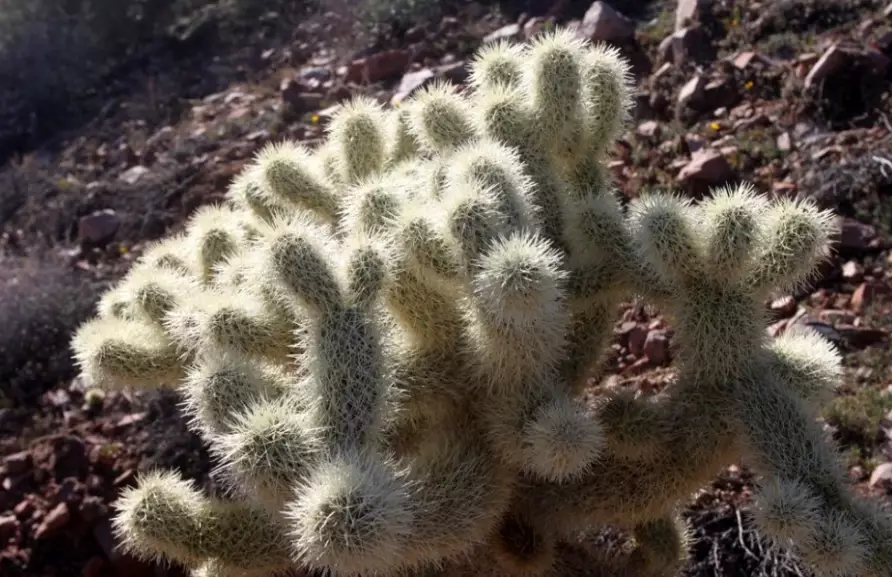
Step 1: Choose the Right Fighter
Don't start with a Saguaro. You're setting yourself up for failure. Start with the tough guys: Prickly Pear (Opuntia) is your best bet. Many species are hardy down to zone 4 or 5. Certain Barrel cactus varieties (like some Ferocactus) can handle zone 8 with perfect drainage. Check the USDA hardiness zone for any plant before buying.
Step 2: Soil is Everything. No, Really.
This is the most common point of failure. Regular garden soil or even standard potting mix holds too much moisture. You need a gritty, fast-draining mix. A simple recipe: 50% regular potting soil, 25% coarse sand (not play sand), and 25% perlite or pumice. Some experts use even less soil. The goal is water that runs straight through.
Step 3: The Watering Mindset Shift
Forget a schedule. Water only when the soil is completely dry, all the way through the pot. In the growing season (spring-fall), this might be every 2-4 weeks. In winter, when they're dormant, it might be once all season. When you do water, drench it thoroughly—simulate a desert monsoon. Then let it dry out completely again. A moisture meter is a worthwhile investment to curb your watering anxiety.
Step 4: Maximize Sun, Manage Cold
Almost all Arizona natives need full, all-day sun—6-8 hours minimum. Less sun leads to etiolation: weak, stretched growth. For cold climates, the enemy is wet + cold. Ensure perfect drainage. For potted plants, move them to a dry, cool, bright spot indoors (like a garage window) before frost. For in-ground plants, a temporary rain cover in winter can be more helpful than a thermal blanket.
Reader Comments