Quick Guide
Let's cut right to the chase, because that's probably why you're here. You're planning a trip—maybe a hike up to the Salt River, a camping weekend near Payson, or a drive through the Apache Trail—and the question popped into your head: are there bears in the Tonto National Forest?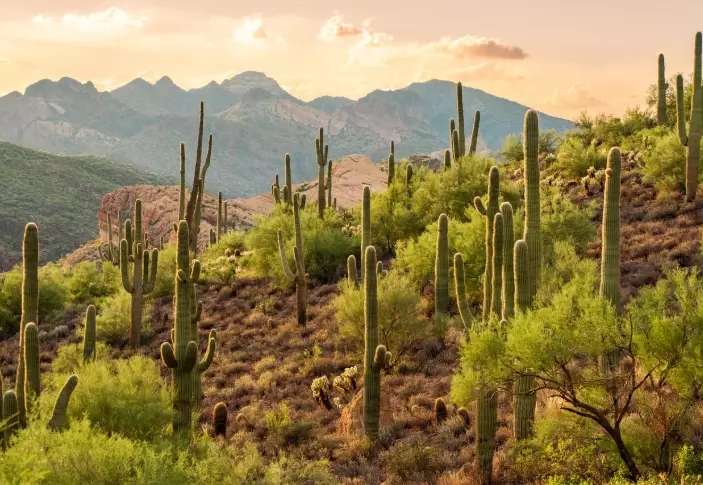
The short, definitive answer is yes. There are absolutely bears in Tonto National Forest. Specifically, we're talking about the American black bear (Ursus americanus). They're not just a mythical creature rangers talk about; they're a real, living part of the ecosystem across much of Arizona, including right here in the Tonto's nearly 3 million acres.
But before you let that "yes" send you into a panic spiral, take a breath. The reality of bears in Tonto is far less dramatic than movies make it seem. It's not a constant, lurking danger. It's a manageable fact of wilderness life. Knowing they're there isn't a reason to cancel your plans; it's a reason to get smart about your trip. My own first backpacking trip in the Sierra Anchas years ago was almost ruined by bear anxiety. I spent more time jumping at shadows than enjoying the scenery. I've since learned that knowledge, not fear, is the key.
Getting to Know Tonto's Black Bears: Not the Monsters You Imagine
When people hear "bear," they often picture a giant grizzly. That's a completely different animal, both literally and figuratively. The black bears in Arizona, including those in Tonto National Forest, are typically smaller, more reclusive, and generally want nothing to do with you.
Their coloration can be tricky—they're not always black. In the Southwest, you'll see plenty of cinnamon-colored or light brown black bears. It's confusing, I know. I once had a heated debate with a fellow hiker who swore he saw a "brown bear." After describing it, we realized it was almost certainly a cinnamon-phase black bear. The Arizona Game and Fish Department confirms that true grizzly bears (Ursus arctos) were eradicated from the state decades ago.
Where in Tonto Are You Most Likely to See Bears?
They're not evenly spread out like butter on toast. Bear activity is closely tied to two things: food and water. During dry, hot periods, they concentrate near reliable water sources. When natural food sources like acorns, berries, and insects are abundant, they disperse more widely.
Higher elevation areas with denser forest cover and more water tend to have more consistent bear populations. Think about the Mogollon Rim country around Payson and Pine, the Sierra Ancha Wilderness, and the Mazatzal Mountains. These areas provide the mix of oak woodlands, ponderosa pine forests, and riparian corridors that black bears love.
Lower, drier desert areas of Tonto, like much of the terrain closer to Phoenix, see far less bear activity. But "far less" isn't "never." Bears can and do travel long distances, especially young males looking for new territory. So even if you're in a less likely zone, the principles of proper food storage still apply. It's a good habit to have everywhere.
The Non-Negotiable Safety Guide: What to Do Before, During, and After
This is the meat and potatoes of the article. Knowing bears exist is step one. Knowing how to share the forest with them is what actually matters. Let's break it down.
Before You Go: Your Trip's Success is Decided at Home
Packing right is 90% of bear safety. It's not glamorous, but it works.
Food Storage: This is the single most important thing you can do. A "food" to a bear isn't just your sandwich. It's anything with a scent: toothpaste, deodorant, sunscreen, dog food, empty wrappers, dirty cookware, and even garbage. Your goal is to make it impossible for a bear to get these items.
- Hard-Sided Bear Canisters: These are the gold standard for backpackers. They're bulky and add weight, which honestly can be a pain, but they're utterly effective. I resisted them for years, preferring to hang my food. After a mouse chewed through my stuff sack one night (not a bear, but the lesson was the same), I switched to a canister. The peace of mind is worth the extra pound.
- Vehicle Storage: If you're car camping, your locked vehicle is generally a safe place if and only if you keep everything inside with windows completely rolled up. No exceptions. Not even for a quick run to the bathroom. A bear's sense of smell is phenomenal, and they have been known to break car windows for a candy bar wrapper. The official word from the USDA Forest Service Tonto National Forest page is clear: store all food and attractants properly.
- Campground Bear Boxes: Many developed campgrounds in Tonto (especially in higher-risk areas) provide heavy-duty metal lockers. Use them. Every single time.
The Essential Gear List: What Actually Belongs in Your Pack
Let's make this simple. Here’s a breakdown of what you need, from critical to highly recommended.
| Item | Category | Why It's Important | My Personal Note |
|---|---|---|---|
| Bear-Resistant Food Canister | CRITICAL (for backpacking) | Physically prevents access to all smellables. The most reliable method. | Brands like BearVault or Garcia are popular. Check if your rental outlet has them. |
| Bear Spray | CRITICAL (for peace of mind) | Last-line defense deterrent. More effective and safer than a gun in a panic situation. | Keep it accessible (not buried in your pack), know how to use it quickly, and check the expiry date. |
| Odor-Proof Bags (Opsak or similar) | HIGHLY RECOMMENDED | Adds an extra scent barrier inside your canister or pack. Great for trash and used toiletries. | They're cheap and effective. I double-bag my trash and used coffee grounds. |
| Headlamp (with fresh batteries) | HIGHLY RECOMMENDED | Essential for seeing at night, especially if you need to move around camp after dark. | A bright one helps you identify noises and see reflective eyes from a safe distance. |
| Whistle | RECOMMENDED | Loud, piercing sound to scare off a curious bear from a distance. | Attach it to your pack strap or belt. Your voice can give out; a whistle won't. |
During Your Trip: Smart Habits in Camp and on Trail
How you behave in the forest can greatly reduce your chances of an unwanted meet-and-greet.
Campsite Selection: Don't set up your tent right next to your cooking area. Keep them at least 100 yards apart, if possible. Cook, eat, and store your food/canister downwind from your sleeping site. Choose a campsite that's clean and doesn't have old fire rings filled with garbage—a sign of previous poor practices that could attract animals.
On the Trail: Make some noise, especially in areas with limited visibility (thick brush, near streams). I'm not talking about constant yelling. Just normal conversation, the occasional "hey bear," or wearing a bear bell works. The goal is to avoid surprising a bear. A surprised bear is a stressed bear, and that's when problems can start.
Keep dogs on a leash. I can't stress this enough. A loose dog might chase a bear, then run back to you with an agitated bear following it. It turns a non-event into a dangerous situation. Leash laws are often in place for this exact reason.
The Moment of Truth: What to Do If You Actually See a Bear
Okay, let's walk through the scenario. You've done everything right, but you still see a bear. Your heart will race. That's normal. What you do next is crucial.
- Stay Calm and Assess. Stop. Don't run. Running can trigger a chase instinct. Identify if it's a black bear (smaller, no shoulder hump, straighter face profile).
- Give It Space. Back away slowly, without turning your back. Do not approach it, ever, for any reason. Not even for a photo. Give it a clear escape route.
- Make Yourself Known. If it hasn't seen you, speak in a calm, firm voice. "Hey bear, I'm here, I'm moving on." Let it know you're human.
- If It Approaches or Stands Up. A bear standing on its hind legs is usually just trying to get a better look and smell. It's not necessarily a sign of aggression. Continue to back away, speak firmly. Group up with others to look bigger.
- If It Charges or Attacks. This is extremely rare. For a black bear, the advice from experts like the Arizona Game and Fish Department is to fight back aggressively. Do not play dead. Use your bear spray (aim for the face), yell, hit it with rocks, sticks, trekking poles—anything you have. Concentrate on the face and muzzle.
Clearing Up Your Questions: The Tonto Bear FAQ
I've gotten a ton of questions from friends and readers over the years. Here are the most common ones, answered plainly.
Why All These Rules Matter (Beyond Your Safety)
This part is important. When you're lazy with food storage, you're not just risking your own cooler. You're potentially creating a "problem bear."
A bear that learns to associate humans with an easy meal loses its natural fear. It starts seeking out campsites, breaking into cars, and becoming aggressive. That bear's story often ends tragically. Wildlife managers are forced to relocate it (which is stressful and often unsuccessful) or, as a last resort, euthanize it. A fed bear is a dead bear. It's a cliché in the outdoor community because it's painfully true.
By being responsible, you're protecting the wildlife you came to enjoy. You're helping ensure that future visitors can ask "are there bears in the Tonto National Forest?" and the answer remains a healthy, respectful "yes," not a cautionary tale about a bear that had to be put down.
So, to wrap this all up, let's revisit the core question one last time: Are there bears in the Tonto National Forest? Unquestionably, yes. But that fact should shape your preparation, not your passion for adventure. Pack your bear canister, clip that bear spray to your belt, make a little noise on the trail, and store every last scrap of scent. Then, go out and enjoy one of Arizona's most incredible landscapes with confidence and respect. That's how we all get to share this amazing place.
Reader Comments