You see it on every Texas postcard, t-shirt, and license plate frame: the iconic silhouette of a prickly pear or saguaro against a vast sunset. But the real Texas cactus experience is so much more than a symbol. It's hiking through a forest of towering candelabra-like Chihuahuan Desert plants, discovering a hidden garden of rare blooms, or learning how to keep a tiny barrel cactus alive on your patio.
The problem? Information is scattered. One site lists trails, another has garden hours, and nobody tells you the secret to actually getting a good photo without getting spines in your shin.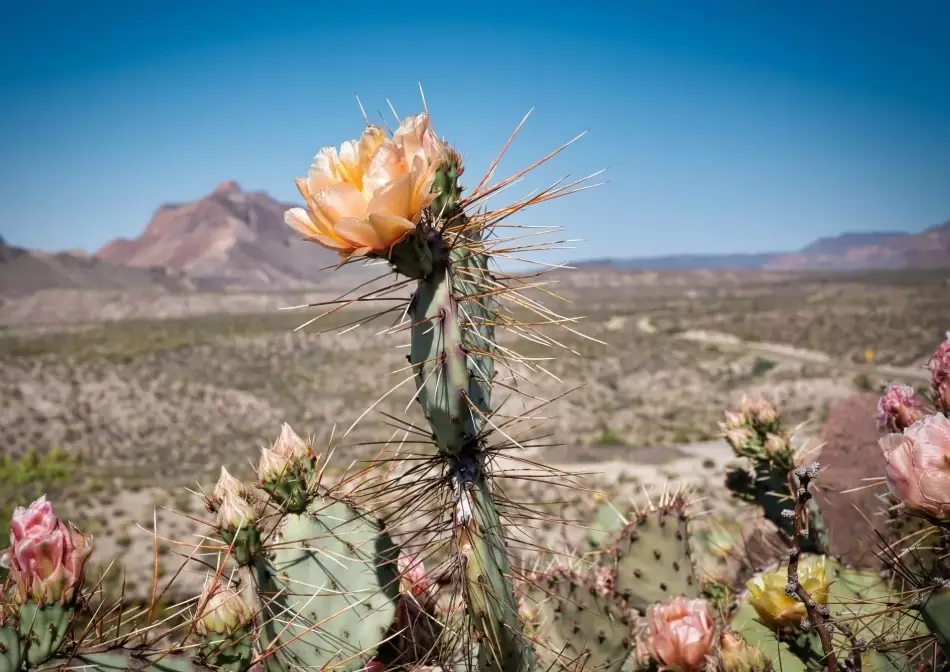
I've spent years exploring these places, made plenty of mistakes (like trying to move a cholla with my bare hands—don't ask), and talked to the botanists who care for these collections. This guide pulls it all together.
What's Inside This Guide
The Top 3 Public Cactus Gardens in Texas
Want to see an incredible variety without the desert hike? These curated gardens are your best bet. They label everything, so you actually learn what you're looking at.
1. The Cactus Garden at the Texas State Botanical Garden (Fort Worth)
This isn't just a garden; it's a masterclass in xeriscape design. Nestled within the larger Fort Worth Botanic Garden, this dedicated space showcases over 150 species organized by region. You'll see everything from the fuzzy old man cactus to vicious-looking agaves.
What makes it special: The layout. It's designed to show you how to incorporate these plants into a residential landscape. You get ideas for your own yard.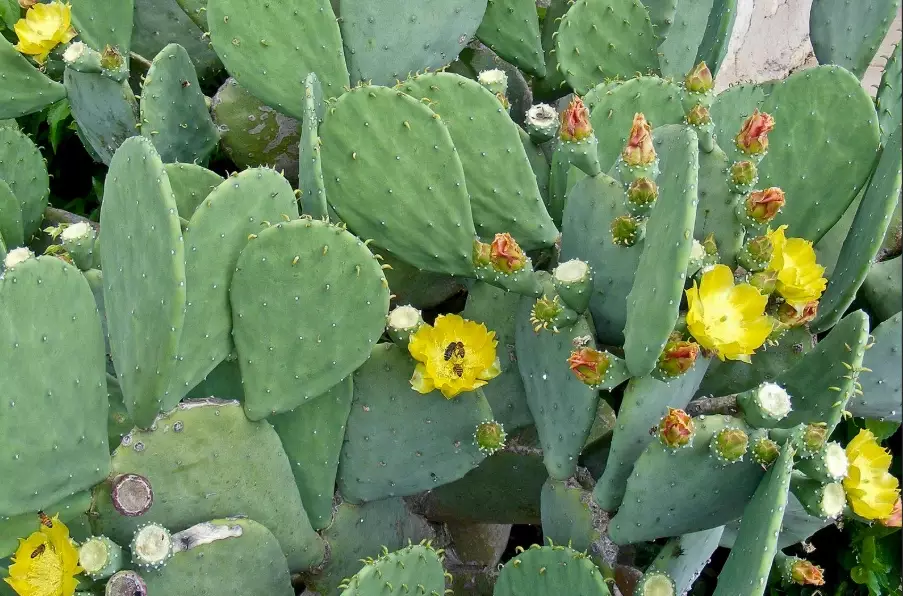
The details:
- Address: 3220 Botanic Garden Blvd, Fort Worth, TX 76107.
- Hours: 10 AM - 7 PM (Seasonal variations, check their site).
- Admission: $12 for adults. Access to the Cactus Garden is included.
- Pro Tip: Go on a weekday morning. The light is perfect for photos, and you'll have the spiky sculptures mostly to yourself.
2. The Desert Pavilion at San Antonio Botanical Garden
San Antonio's humidity might not scream "desert," but step inside their glass-walled Desert Pavilion and you're transported. This climate-controlled conservatory is a lifesaver in summer or on a rainy day. It's dense, immersive, and feels like walking through a condensed version of Big Bend.
What makes it special: The curation. They focus on plants from the Chihuahuan Desert (Texas's primary desert), so you're seeing an authentic slice of West Texas ecology.
The details:
- Address: 555 Funston Pl, San Antonio, TX 78209.
- Hours: 9 AM - 5 PM daily.
- Admission: $16 for adults.
- Pro Tip: Combine your visit with their other Texas Native Trail for a full picture of the state's flora.
3. The Cacti Collection at the Lady Bird Johnson Wildflower Center (Austin)
People go for the wildflowers, but the cactus and succulent garden here is a hidden gem. It's more naturalistic and integrated with other native plants, showing how cacti coexist in the Texas hill country landscape. It feels less like a museum and more like a preserved slice of land.
What makes it special: The context. You see cacti not as isolated specimens, but as part of a broader ecosystem.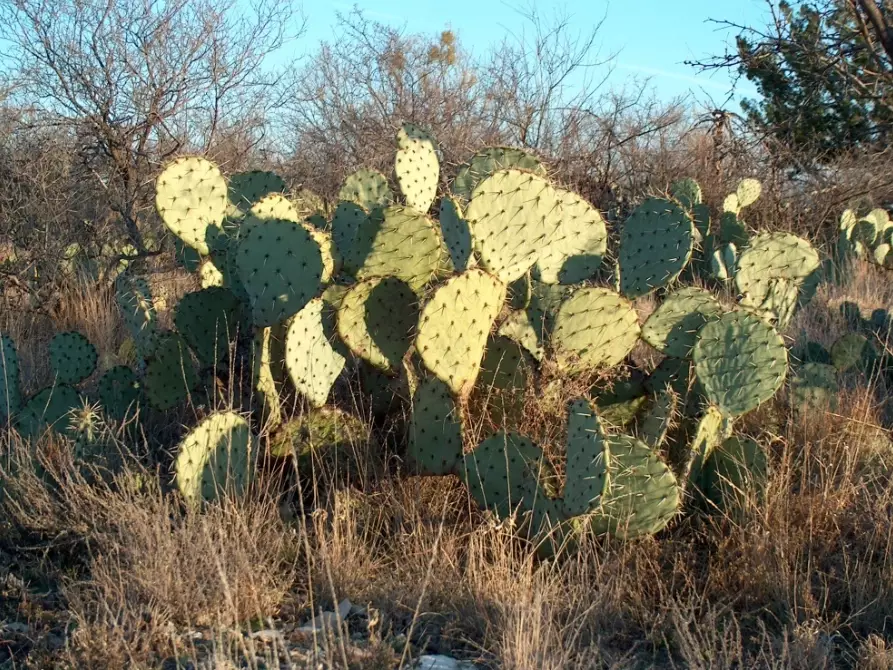
The details:
- Address: 4801 La Crosse Ave, Austin, TX 78739.
- Hours: 9 AM - 5 PM, Tuesday-Sunday (Closed Monday).
- Admission: $15 for adults.
- Pro Tip: Visit in late April or May. You might hit the overlap between bluebonnets fading and cactus flowers bursting open.
Quick Garden Comparison: Can't decide? If you want pure education and design ideas, choose Fort Worth. For an authentic, climate-controlled desert experience, pick San Antonio. For a natural, ecological context in a beautiful hill country setting, Austin is your spot.
The Best Hikes to See Cactus in the Wild
Gardens are great, but there's nothing like seeing these plants in their element. These two parks offer the most accessible and spectacular wild cactus viewing.
Big Bend National Park: The Ultimate Desert Immersion
This is the crown jewel. The Chisos Mountains rise from a sea of desert filled with prickly pear, sotol, and ocotillo. The scale is humbling.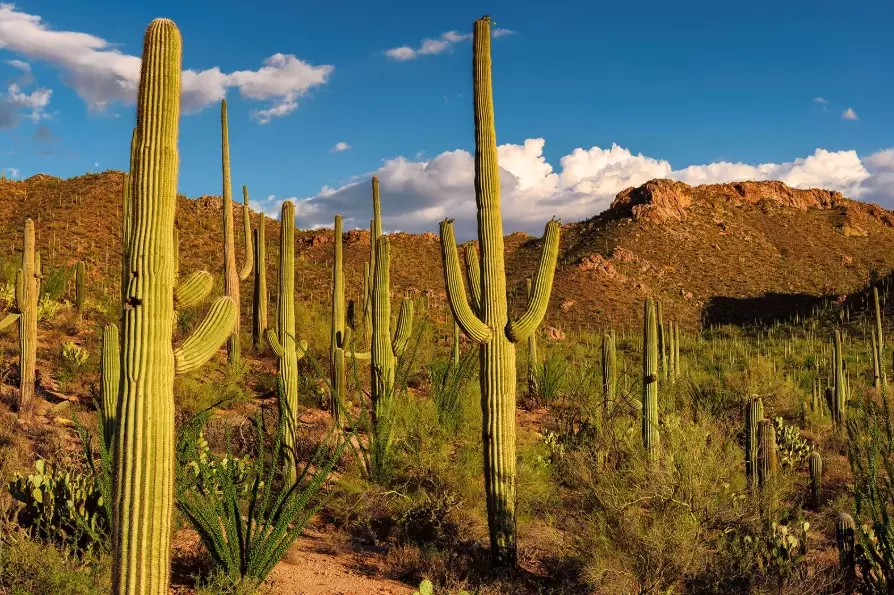
Top Trail for Cactus Viewing: The Window View Trail & The Grapevine Hills Trail.
- Window View Trail: Easy, 0.3-mile paved loop. Perfect for families or sunset. It gives you a panoramic view of the basin framed by the "Window," with cactus in the foreground. No address needed—it's at the Chisos Basin Lodge area.
- Grapevine Hills Trail: Moderate, 2.2 miles round trip to the famous "Balanced Rock." This dirt road trail gets you up close with diverse desert flora. The trailhead is about 30 minutes down a graded dirt road off the main park road. A high-clearance vehicle is recommended after rain.
Park Essentials: $30 per vehicle entry (valid 7 days). The park is remote—fuel up in Marathon or Terlingua. Spring (Feb-April) and Fall (Oct-Nov) are the best times. Summer is brutally hot.
I'll never forget my first time on the Grapevine Hills trail. A sudden afternoon storm rolled over the Chisos, and the rain made the spines on every prickly pear glisten like diamonds. The desert came alive with a scent you can't bottle.
Guadalupe Mountains National Park: A High Desert Experience
Often overshadowed by Big Bend, this park has a quieter, more stark beauty. You're in the world's most extensive Permian fossil reef, and the cactus here feel ancient.
Top Trail: The Pinery Trail to the Guadalupe Peak Overlook.
This isn't one trail, but a strategy. Start on the easy, paved Pinery Trail (0.75 miles) near the visitor center to see canyon flora. Then, drive or hike further into the park for views. The cactus here are often smaller, hardier varieties clinging to the limestone.
Park Essentials: $10 per person entry (16+). The closest services are in Whites City, NM, or Dell City, TX—both limited. Camp or stay in Carlsbad, NM. The wind is almost constant, so layer up.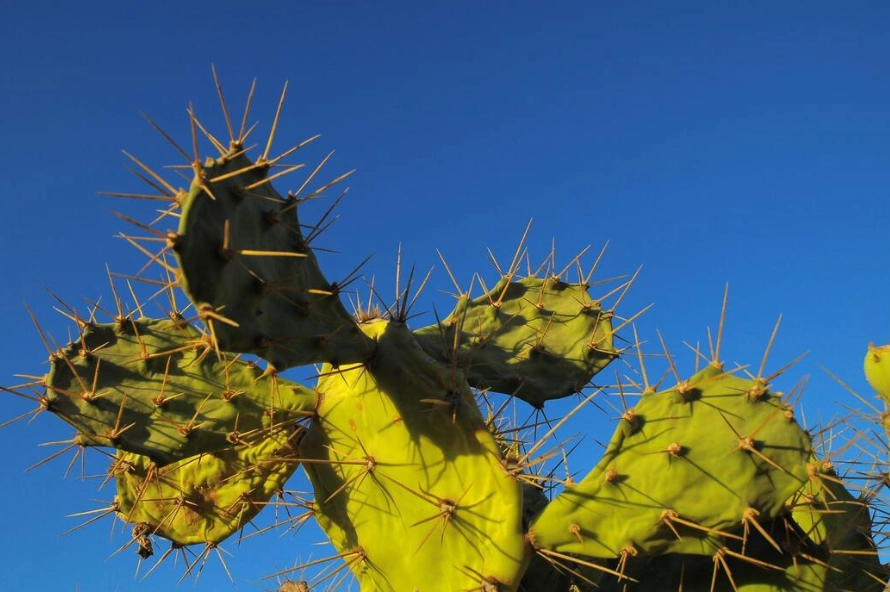
| Park Feature | Big Bend National Park | Guadalupe Mountains NP |
|---|---|---|
| Best For | Epic landscapes, river canyons, vast desert vistas | Geology, solitude, high-desert hiking |
| Cactus Density | High - vast fields of prickly pear and agave | Moderate - scattered, hardy specimens in rocky terrain |
| Accessibility | Very remote (long drives from major airports) | Remote, but closer to I-10/I-20 |
| Don't Miss | A sunset at the Sotol Vista or a soak in the Hot Springs | The view from the Frijole Ranch history area |
How to Photograph Cactus Like a Pro (And Avoid Clichés)
We've all seen the boring, straight-on shot of a cactus in midday sun. Let's do better.
Light is Everything: The golden hour isn't a suggestion; it's the rule. The low sun creates long shadows that reveal texture and shape. Backlighting a cactus makes its spines glow like a halo. Overcast days are also fantastic for capturing subtle colors without harsh contrast.
Get on Their Level: Don't just stand and shoot. Crouch down. Shoot upward to frame the cactus against the sky. Or get very close to focus on the intricate pattern of spines on a single areole.
Tell a Story: A single cactus in an empty frame is just a specimen. Include the environment—the cracked earth it's growing from, the mountain range behind it, a bee on one of its flowers. Show scale by having a person (at a safe distance) in the background.
The One Mistake I See Constantly: People focus on the cactus body and forget the background, resulting in a messy, distracting photo. Use a wide aperture (like f/2.8 or f/4) to blur the background into a soft wash of color, making your spiky subject pop.
And for safety's sake: always look where you're stepping or kneeling. A spine through the knee of your jeans is a memorable, but painful, souvenir.
Growing Your Own Texas Cactus: A Starter Guide
Inspired to bring a piece of the desert home? You can, even if you're not in Texas. The key is mimicking their natural disdain for pampering.
Choosing Your Plant: Start with something forgiving.
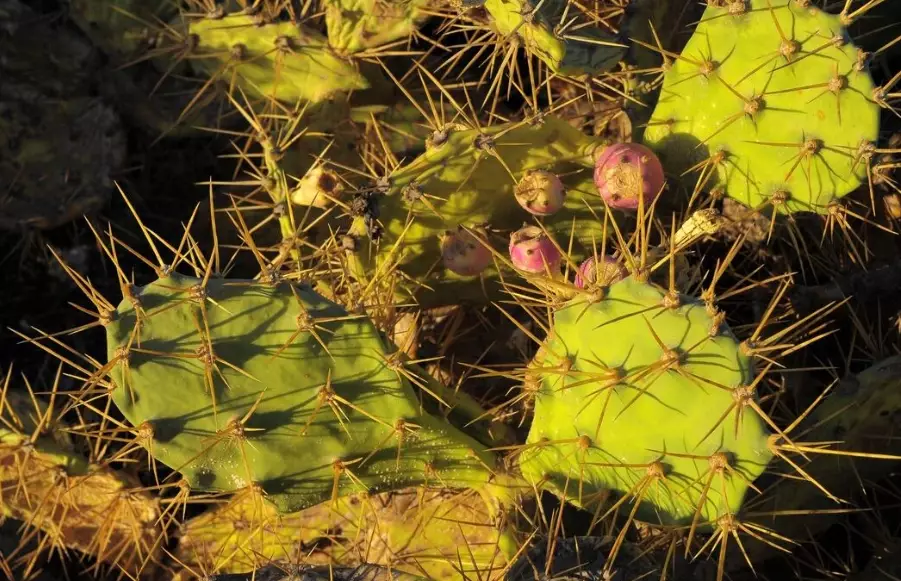
- Prickly Pear (Opuntia): The classic. Fast-growing, produces edible fruit (tunas). Just watch out for the tiny, hair-like glochids—they're worse than the big spines.
- Barrel Cactus (Echinocactus grusonii or Ferocactus): Slow-growing, sculptural. The golden barrel is a favorite. It just sits there looking perfect with minimal effort.
- Avoid for now: Saguaros. They grow incredibly slowly, are expensive, and need very specific conditions. Leave them to Arizona.
The Non-Negotiables:
- Soil: Must drain instantly. Use a commercial cactus/succulent mix, or make your own with 50% potting soil and 50% perlite/pumice.
- Pot: MUST have a drainage hole. Terracotta is ideal—it breathes and helps soil dry.
- Water: Soak thoroughly, then let the soil become completely dry before even thinking about watering again. In winter, this might mean once a month or less. Overwatering is the #1 killer.
- Sun: As much direct sun as you can give them. A south-facing window is the indoor minimum.
My first cactus was a little opuntia pad I was given. I was so excited I watered it twice a week. It turned into a mushy, rotten mess in a month. I learned the hard way: these plants thrive on benign neglect.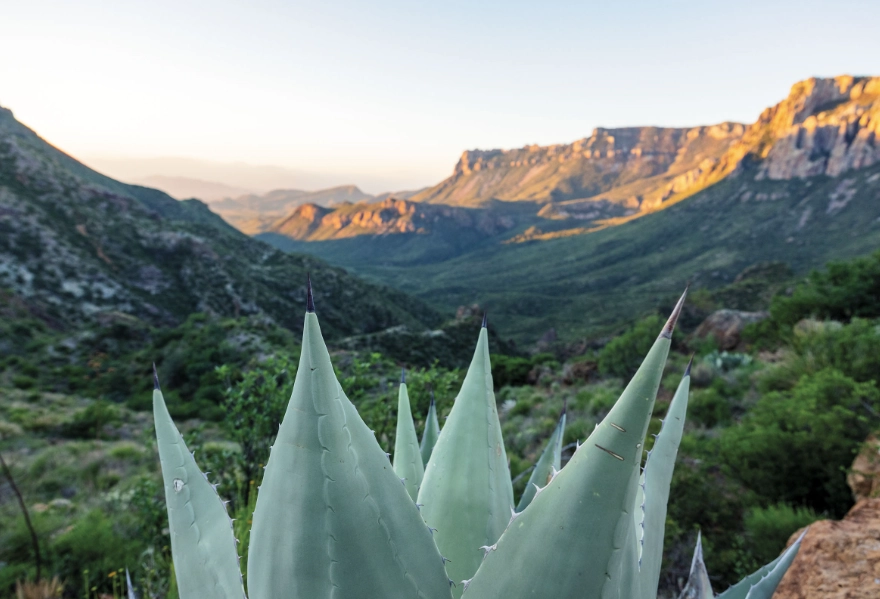
Your Cactus Questions, Answered
 Whether you're planning a road trip to see the giants of Big Bend, looking for a peaceful hour in a botanical garden, or trying to keep a single potted cactus alive on your windowsill, the world of Texas cactus is full of surprising depth. It’s a lesson in resilience, beauty in harshness, and the quiet drama of the natural world. Start with one garden visit, one short hike. You might just get hooked.
For the most current trail conditions and park alerts, always check the official Texas Parks & Wildlife Department and National Park Service websites before you go.
Reader Comments