Camping Snapshot
- Why Choose Camping in Sequoia National Park?
- The Heart of the Matter: Getting Your Sequoia National Park Camping Reservation
- Breaking Down the Best Sequoia National Park Campgrounds
- What to Pack: The Non-Obvious Sequoia Camping Checklist
- What to Do: Your Sequoia Camping Itinerary Ideas
- Staying Safe: Bears, Weather, and Common Sense
- Your Sequoia National Park Camping Questions, Answered
- Making It Happen: Final Thoughts Before You Go
Let's talk about camping in Sequoia. You've seen the pictures, those impossible trees scraping the sky, and you're thinking about trading your ceiling for a canopy of stars. Smart move. A Sequoia National Park camping trip isn't just another weekend away; it's a reset button for your brain, a chance to feel properly small in the best way possible. But here's the thing nobody tells you right away: it can also be a bit of a puzzle. Which campground? How do you even get a spot? What do you really need to pack?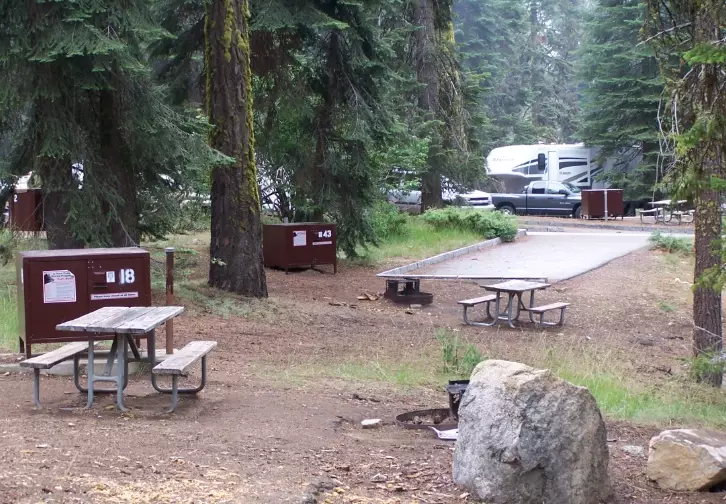
I've spent a lot of nights there, from perfect starry evenings to a few where I questioned all my life choices as the rain found the one tiny gap in my tent fly. This guide is what I wish I'd had before my first trip. We're going to strip away the confusion and get you straight to the good stuff: securing your spot under the giants, packing smart, and exploring without a hitch. Forget the generic lists. This is the real, practical, from-the-ground info for your Sequoia National Park camping adventure.
Why Choose Camping in Sequoia National Park?
Sure, you could stay in a lodge. But you'd miss the point. Waking up in a Sequoia National Park campground is the difference between seeing a painting and stepping into it. The air smells different first thing in the morning—crisp and piney. The light filters through those massive trunks in a way you just don't get by rolling in at 10 AM with the day-use crowds.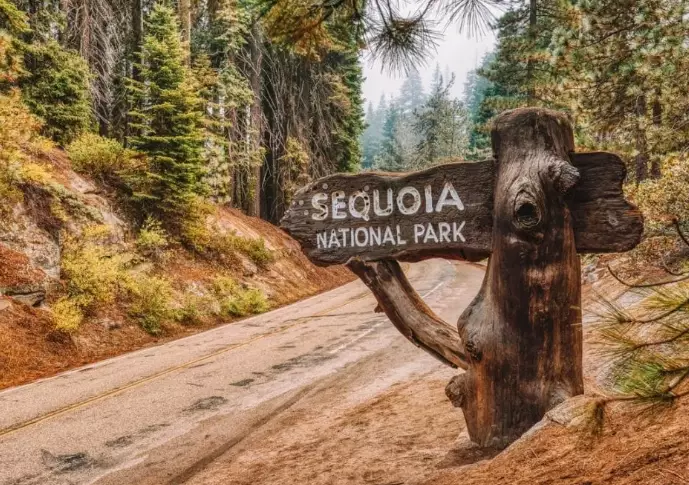
The main reason to camp? Immersion. Your backyard is an ancient forest. Your nightlight is the Milky Way, often visible with shocking clarity away from city lights. It’s also about logistics. Being inside the park means you can hit iconic trails like the Congress Trail or Moro Rock for sunrise before anyone else arrives. Trust me, having the Giant Forest to yourself for an hour is worth every bit of the planning hassle.
But it's not all serene postcard moments. Let's be honest, it can be a hassle. The booking system is competitive. The amenities are basic (we're talking vault toilets and no showers in most places). Bears are a real, daily consideration. Yet, for most of us, that's part of the appeal. It’s an adventure that feels genuine, not curated.
The Heart of the Matter: Getting Your Sequoia National Park Camping Reservation
This is the biggest hurdle, and the source of most frustration. Gone are the days of just showing up. For the popular summer and fall seasons, you need a plan.
Most reservable campgrounds in Sequoia and its neighboring Kings Canyon National Park are booked through Recreation.gov. It's the official portal, and you need to be on it. Sites for peak dates (Memorial Day through Labor Day, and into the fall color season) are released on a rolling 6-month-in-advance window. That means on January 15th at 7:00 AM Pacific Time, sites for July 15th become available. Mark your calendar.
What if you miss the 6-month window? All hope isn't lost. People cancel plans. Your new best friend is the "Notify Me" function on Recreation.gov. Set up alerts for your desired campground and dates. When a site becomes available, you'll get an email alert. You still have to be quick, but it's your best shot at a last-minute Sequoia National Park camping spot.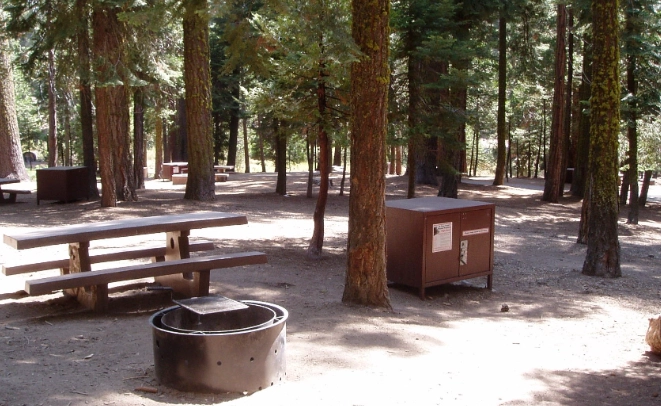
First-Come, First-Served (FCFS) Campgrounds: The Gamble
Several smaller campgrounds operate on a FCFS basis, like Potwisha and South Fork. This can work if you have flexibility. The strategy? Aim to arrive on a Sunday through Tuesday, and be at the campground entrance station early, like before 10 AM. Midweek is your friend. I once snagged a gorgeous spot at Potwisha on a Wednesday afternoon in October, but I wouldn't dare try that on a Friday in July.
Breaking Down the Best Sequoia National Park Campgrounds
Not all campgrounds are created equal. Your choice depends on what you want: easy access to big trees, river sounds, more solitude, or RV hookups. Here’s a detailed, no-fluff comparison of the main contenders for your Sequoia National Park camping stay.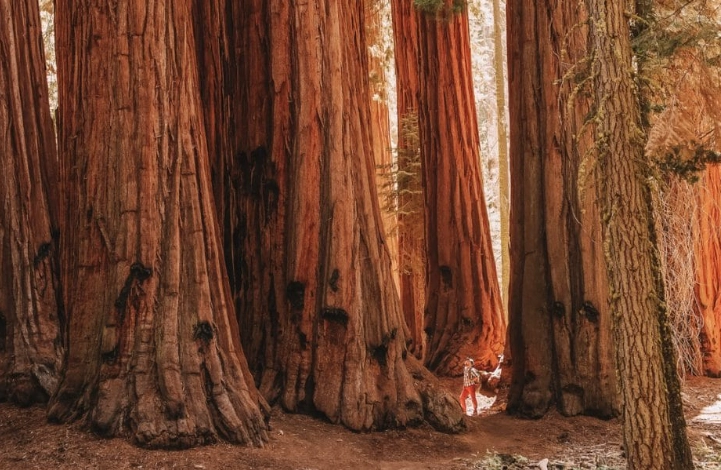
| Campground | Best For | Reservation Type | Key Amenities & Notes | My Personal Take |
|---|---|---|---|---|
| Lodgepole | First-timers, families, convenience. | Reservation (6-month advance) | Flush toilets, showers (for a fee), market, visitor center, dump station. Walking distance to the Giant Forest Museum shuttle. | It's the hub. Super convenient, but can feel crowded and noisy. The showers are a luxury after a few days, but you trade some serenity for it. |
| Dorst Creek | Families & groups wanting more space. | Reservation (6-month advance) | Flush toilets, amphitheater programs. Larger, more spread-out sites than Lodgepole. Further from the main sights (20-min drive). | Feels more like a "classic" national park campground. Sites are nice and private. The drive to the big trees is a bit of a commute, but it's quieter. |
| Potwisha | Winter/off-season trips, RVers. | First-Come, First-Served | Year-round access (lower elevation). Flush toilets, some pull-through sites. On the Kaweah River. | My go-to for off-season. The river sound is fantastic. It's at 2,100 ft, so it gets hot in summer and is less of a "giant forest" vibe. Great for stargazing. |
| South Fork | Solitude, fishing, true escape. | First-Come, First-Served | Vault toilets only. Small (10 sites), remote feeling. 45-min drive on a winding road from the main park area. | If you want to get away from it all, this is it. The road in is long and slow. You feel like you've discovered a secret. Not for people who need quick access to the main attractions. |
| Buckeye Flat | Tent campers, river lovers. | Reservation (6-month advance) | TENTS ONLY. No RVs/trailers. Flush toilets. Beautiful riverside setting. Often booked solid. | A gorgeous spot. The "tents only" rule keeps it peaceful. The sound of the river drowns out any neighboring camper noise. Highly recommended if you can get in. |
See the pattern?
Convenience (Lodgepole) trades off with tranquility (South Fork). Easy booking (Potwisha in off-season) trades off with predictability (the stress of FCFS). There's no single "best"—only the best for your trip.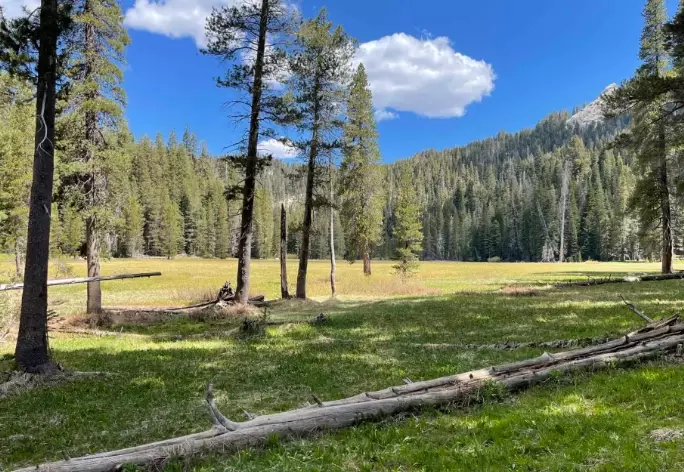
What to Pack: The Non-Obvious Sequoia Camping Checklist
Everyone tells you to bring a tent and sleeping bag. Duh. Here’s the stuff you might forget but will be desperately glad you have (or desperately miss if you don't).
The Absolute Must-Haves (Beyond the Basics)
- A Certified Bear-Resistant Food Storage Container: This is non-negotiable. In many campgrounds, hard-sided bear lockers are provided at each site. But for backpacking or if the lockers are full/absent, you need your own. I use and trust the BearVault BV500. Rangers can and will ticket you for improper food storage. It's for the bears' safety as much as yours.
- Layers, Layers, Layers: Mountain weather is fickle. A sunny 75°F (24°C) afternoon can turn into a 40°F (4°C) night. A lightweight puffy jacket, a fleece, and a solid rain shell are worth their weight in gold. Don't just pack for the forecast high.
- Comfortable Camp Shoes: After a long hike, peeling off your boots and slipping into Crocs, sandals, or down booties is a slice of heaven. Your feet will thank you.
- Headlamp with Red Light Mode: A hands-free light is essential. The red light mode preserves your night vision and is less blinding to your fellow campers. It's also less likely to attract bugs.
- A Large Water Jug & Filtration: While potable water is available at major campgrounds, having a 5-gallon jug to fill and keep at your site is a game-changer. A Sawyer Squeeze or similar filter is perfect for topping off bottles from streams on hikes.
Season-Specific Gear
Summer (June-Sept): A battery-powered fan for your tent can make sleeping on a warm night possible. Strong sunscreen and a wide-brimmed hat are crucial at high elevations. Bug spray is a must—mosquitoes can be fierce near meadows and water.
Spring/Fall (May, Oct-Nov): A warmer sleeping bag (rated to 20°F / -7°C or lower) is wise. A insulated sleeping pad (R-value of 4 or higher). Hot hands packets are cheap insurance. Be prepared for sudden rain or even snow.
Winter (Dec-Apr): This is for experienced winter campers only. You'll need a 4-season tent, a winter sleeping bag (0°F / -18°C or lower), snowshoes or skis, and expert knowledge of avalanche safety if venturing out. Most park roads and campgrounds are closed. Potwisha is the main winter camping option.
What to Do: Your Sequoia Camping Itinerary Ideas
You're not just there to sit at the campsite. Here’s how to build your days.
If You Have One Full Day:
- Morning: Shuttle from Lodgepole or drive to the General Sherman Tree. Walk the Congress Trail loop. It's paved, relatively easy, and gets you up close with countless giants. Go early to avoid the crush.
- Afternoon: Drive the Generals Highway to Moro Rock. Climb the 400 steps to the top for a 360-degree view that will literally take your breath away. Then, walk the short, stunning Crescent Meadow Loop (watch for bears!).
- Evening: Attend a ranger program at your campground's amphitheater. They're fantastic, free, and full of stories about the park's history and ecology.
If You Have Two or Three Days:
Add these in:
- Hike to Tokopah Falls: The trailhead is at Lodgepole Campground. It's a moderate 4-mile round-trip hike following the Marble Fork of the Kaweah River to a dramatic granite waterfall. Perfect for a half-day adventure.
- Explore Crystal Cave: This marble cavern requires a separate ticket and tour booked in advance. It's a cool (literally, 48°F/9°C) contrast to the forest. The road to it is narrow and winding, so check if your vehicle is allowed.
- Venture into Kings Canyon: Drive north on the Generals Highway into Kings Canyon National Park. The drive down into the canyon itself, to Cedar Grove, is spectacular. Stop at Roaring River Falls and Zumwalt Meadow for some of the best scenery in the combined parks.
The key?
Mix the iconic must-sees with quieter trails. Don't try to cram everything in. Pick two big things per day, max. The pace in the mountains should be slower.
Staying Safe: Bears, Weather, and Common Sense
This is the serious part that makes your trip smooth.
Bear Safety is Rule #1
Black bears are active, smart, and motivated by food. Your Sequoia National Park camping trip depends on you being a responsible camper.
- Store ALL Smellables: This means food, drinks, trash, toiletries (toothpaste, deodorant, sunscreen), coolers, dirty dishes, and even empty food packaging. All of it goes in the hard-sided bear locker at your site or in your certified bear canister when not in immediate use. Not in your car. Bears have learned to break into vehicles.
- Cook Away from Your Tent: Use the campground's designated food preparation areas or your picnic table. Never cook or eat in your tent. Change out of clothes you cooked in before going to sleep.
- If You See a Bear: Do not run. Make yourself look big, speak firmly, and back away slowly. Report any bear encounters to a ranger.
The NPS has exhaustive, clear guidelines on bear safety here. Read them.
Weather and Altitude
Most Sequoia National Park camping is between 6,500 and 7,500 feet. That's high enough for altitude sickness to creep up on anyone. Symptoms include headache, nausea, dizziness. The cure? Hydrate like it's your job (drink way more water than you think you need), take it easy the first day, and avoid alcohol. If symptoms get severe, descend to a lower elevation.
Afternoon thunderstorms are common in summer. Get off high points like Moro Rock and exposed ridges by early afternoon. Lightning is a real danger.
Your Sequoia National Park Camping Questions, Answered
Making It Happen: Final Thoughts Before You Go
Planning a Sequoia National Park camping trip requires more forethought than your average weekend getaway. But that's what makes it rewarding. You're not a passive tourist; you're an active participant in this incredible landscape.
Start with the reservation. That's your anchor. Build your gear list around bear safety and changeable weather. Plan a flexible itinerary that mixes famous sights with quiet moments. Embrace the lack of cell service. Listen to the wind in the sequoia tops—it sounds different than in other pines, a deeper, more resonant sigh.
Double-check your permits, your bear canister, and your tire pressure. Then go. Sleep under the oldest living things on earth. Breathe the pine air. Your Sequoia National Park camping adventure is waiting.
Reader Comments