In This Guide
Let's be honest, the first time you see a picture of Mono Lake, you think it's from another planet. Or maybe a movie set. Those weird, knobby towers rising out of still water against a backdrop of mountains – it doesn't look real. I thought the same thing. Then I drove there, pulled off Highway 395, and walked down to the shore. The reality is stranger, and honestly, more beautiful, than any photo can capture. This isn't just another pretty lake. This is Lago Mono Lake, one of North America's oldest lakes and a place that feels utterly, profoundly ancient.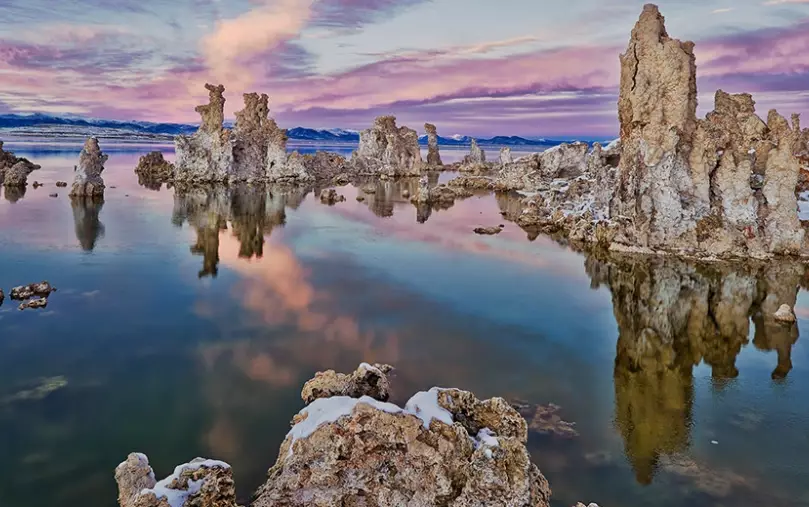
You might be wondering, why "Lago" Mono Lake? It's a bit of linguistic flair. "Lago" is Spanish for lake, so saying "Lago Mono Lake" is like saying "Lake Mono Lake." It's redundant, but you see it used, especially in older texts or to evoke a certain feel. Most folks just call it Mono Lake. But knowing the Spanish root hints at the area's history. This part of California, the Eastern Sierra, has deep connections to Spanish exploration and the later Mexican rancheros. The name "Mono" itself comes from a Native American tribe, the Mono people ("Mono" meaning "fly people" in the neighboring Yokuts' language, a nod to the lake's famous… inhabitants, which we'll get to). So even the name is a layered story.
So What Exactly IS Mono Lake?
Geologically speaking, Mono Lake is a terminal lake in a closed basin. Fancy words meaning: water flows in (from streams like Lee Vining Creek), but it doesn't flow out. The only way water leaves is through evaporation. Over millennia, this process has left the lake incredibly salty and alkaline – about 2-3 times saltier than the ocean. It's also full of dissolved salts like sodium chloride, carbonates, and sulfates. This unique chemistry is the secret behind the lake's most famous feature: the tufa towers.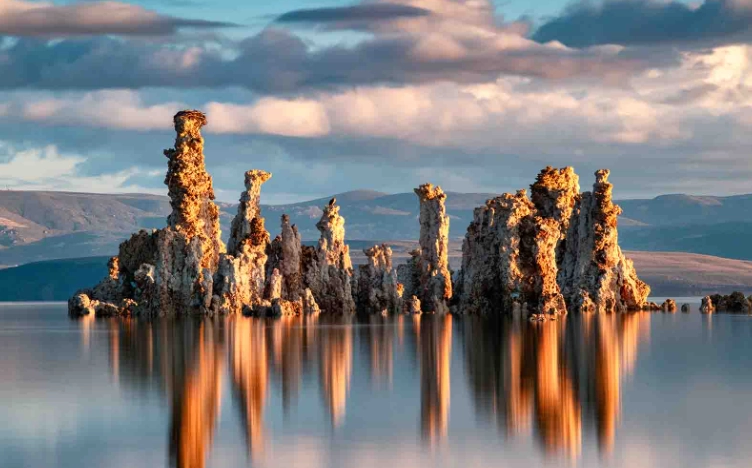
Here’s a quick snapshot of what makes this lake tick:
| Feature | Detail | Why It Matters |
|---|---|---|
| Age | At least 760,000 years old (possibly over 1 million) | One of North America's oldest lakes; a living geological record. |
| Salinity | ~79-83 grams/liter (Ocean is ~35 g/L) | Creates a harsh environment that only specialized life can tolerate. |
| Alkalinity (pH) | ~9.8-10 (Very basic; pure water is 7) | Key to the tufa formation process and limits aquatic life forms. |
| Primary Inflow | Freshwater streams (Lee Vining, Rush, Mill Creeks) | Source of calcium that forms tufa; subject of major water rights battles. |
| Famous Residents | Alkali flies, Brine shrimp, Migratory birds | Base of a remarkably productive, if strange, food web. |
The story of Mono Lake took a dramatic turn in the 20th century. In 1941, the Los Angeles Department of Water and Power (LADWP) started diverting water from the streams that fed the lake. The lake level plummeted. I mean, it dropped 45 vertical feet. Islands became peninsulas, then land bridges. The water got saltier, threatening the ecosystem. The now-exposed tufa towers, once formed underwater, became the iconic symbols of a lake in crisis. A huge legal and environmental battle, led by the Mono Lake Committee, finally resulted in a 1994 decision to protect the lake. The level is now managed to rise slowly. It's a landmark story in environmental law, proving that a determined public can change policy. You can still see the stark "bathtub ring" of minerals on the surrounding hillsides, a visible reminder of how low it got.
The Stars of the Show: Tufa Towers and a Bizarre Ecosystem
How Do Those Spooky Tufa Towers Form?
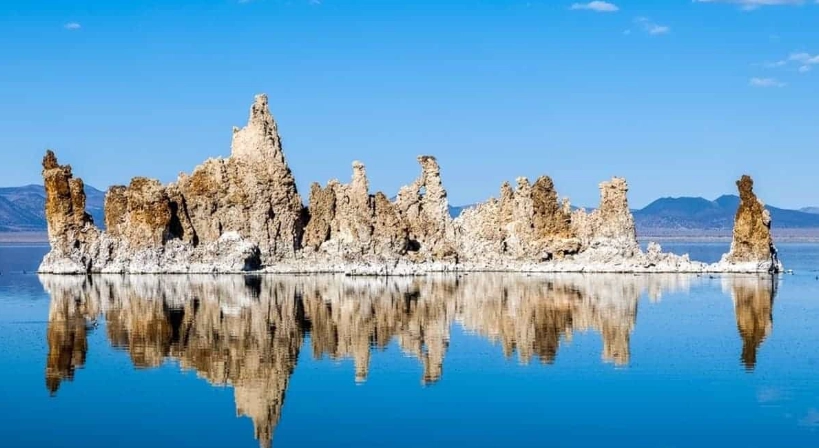
This is the magic trick. Underwater, where freshwater springs rich in calcium bubble up into the carbonate-rich lake water, a chemical reaction occurs. It precipitates limestone, building up around the spring mouth, slowly, over decades and centuries. It's like a reverse drip castle. The shapes are wild—spires, knobs, cathedral-like formations. They only grow underwater. So every tufa tower you see standing on dry land marks a past spring and a past lake level. It's a fossilized record of the lake's history. The best places to see them up close are the South Tufa Area and, my personal favorite for sunset, the Navy Beach area. Walking among them feels like being on a different planet.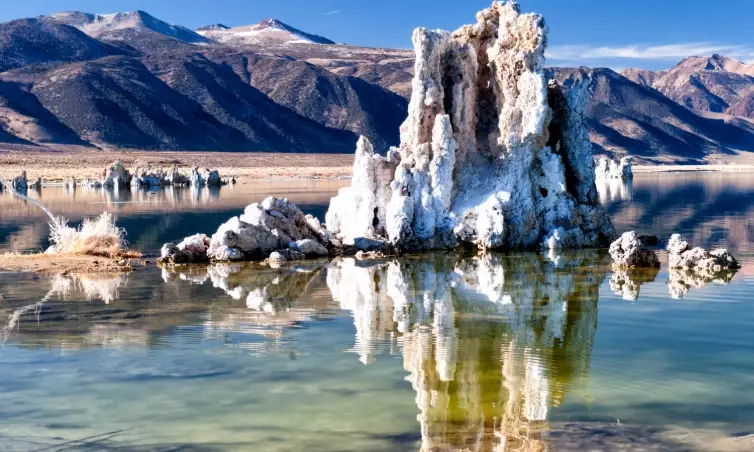
Life Finds a Way: The Alkali Fly and Brine Shrimp
Okay, let's talk about the bugs. If you visit in summer, you'll see them. The shorelines can look… moving. It's the alkali fly (Ephydra hians). Before you recoil, these are possibly the most polite flies on Earth. They don't bite. They don't care about your picnic. They live their entire life cycle in the salty shallows, feeding on algae. Their larvae form underwater, and the pupae attach to rocks. The adults form those dark bands along the shore. Native American tribes, including the Kutzadika'a Paiute, traditionally harvested the pupae (called "kutsavi") as a nutritious, high-fat food source. I tried some once (toasted, they sell them sometimes at cultural events). Tasted like a crunchy, smoky sunflower seed. Not bad!
Then there are the brine shrimp (Artemia monica). Billions of them. They're tiny, translucent, and constantly filtering algae. In summer, the water can look orange with them. They're the other critical food source, especially for the birds.
Bird Paradise: A Critical Stop on the Pacific Flyway
This is why the ecosystem matters on a global scale. Mono Lake is a vital rest stop and feeding ground for over a million migratory birds annually. They come for the all-you-can-eat brine shrimp and alkali fly buffet. The star visitors are the California Gulls, who nest on the lake's islands (when they're actually islands and not land bridges—the changing water level affects their nesting success). You'll also see massive flocks of Wilson's Phalaropes and Red-necked Phalaropes, Eared Grebes, and Snowy Plovers. The National Audubon Society has long recognized it as an Important Bird Area of global significance. Sitting quietly at dawn near the water, watching thousands of birds wheel and feed, is a humbling spectacle.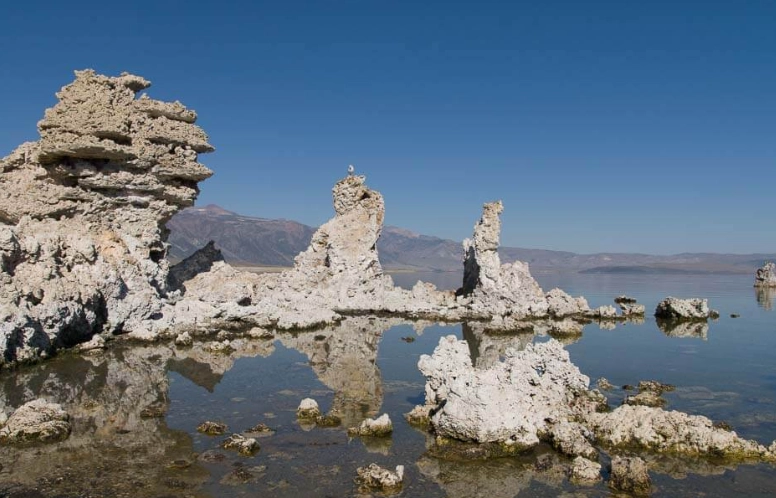
Planning Your Visit: The Practical Stuff
So you're convinced. How do you actually visit Lago Mono Lake? It's not a resort destination. It's a raw, natural experience. Here’s what you need to know.
Best Time to Visit: Late spring (May-June) and early fall (September-October) are golden. The weather is mild, the bugs (flies) are active (which is good for the birds!), and the crowds are thinner. Summer is great but can be hot and more crowded. Winter is starkly beautiful and empty, but access can be limited by snow, and the basin is cold.
Getting There: It's all about Highway 395, one of California's most stunning drives. The main access towns are Lee Vining (on the lake's west shore, home to the great Mono Lake Committee Information Center & Bookstore) and the smaller June Lake to the south. From the Bay Area, it's about a 5-6 hour drive via Tioga Pass through Yosemite (open summer/fall only). From Southern California, it's a 5-6 hour drive up 395.
Where to Stay: Lee Vining has motels, rustic cabins, and a famous RV park. For more amenities, Bridgeport to the north or Mammoth Lakes to the south are larger towns. I've camped at the Lundy Canyon campground before—basic, but waking up to those views is worth it.
Top Spots You Can't Miss at Mono Lake
- South Tufa Area: The crown jewel. An easy 1-mile loop trail takes you through the most dense and impressive forest of tufa towers. This is the must-do. There's a small parking fee (cash or card) managed by the California State Parks in partnership with the US Forest Service.
- Navy Beach: Less developed, easier access to the water, and in my opinion, the absolute best spot for sunset. The tufa formations here are more spread out, and the light reflecting off the water and the Sierra Nevada is unreal.
- Mono Lake County Park & Old Marina: A good spot for a picnic, with interpretive signs and views of the lake and islands. You can see the old rotting boat pilings, a ghostly reminder of higher water levels.
- Panum Crater: A short drive south. This is a young volcanic crater (only about 600 years old!) you can hike into. It gives you a phenomenal panoramic view of the entire Mono Basin and puts the lake's volcanic origins into perspective.
Frequently Asked Questions (The Real Ones People Ask)
My Final Take: More Than Just a Lake
Lago Mono Lake isn't for everyone. If you want a sandy beach and jet skis, look elsewhere. It's harsh, quiet, and demands a bit of engagement. You have to think about the geology, the ecology, the history. You have to be okay with a few flies and the smell of minerals.
But if you give it a chance, it gets under your skin. It's a lesson in resilience—of a lake, of an ecosystem, of a community that fought for it. It's a place that makes you feel small in the best way, connected to deep time. Standing there at dusk, watching the last light leave the tufa spires, you're standing in a basin that has seen volcanic eruptions, ice ages, and the comings and goings of species, including our own.
The fight to save Mono Lake, detailed extensively by the Mono Lake Committee, is a hopeful blueprint. And the lake itself, monitored by scientists from places like the U.S. Geological Survey, continues to be a living laboratory. It's a reminder that some of the most valuable places on Earth are the strange ones, the ones that don't fit the postcard mold. Mono Lake is, without a doubt, one of those places. Just go. See it for yourself. The memory of this ancient, saline sea, this incredible Lago Mono Lake, will stick with you long after you've washed the dust off your boots.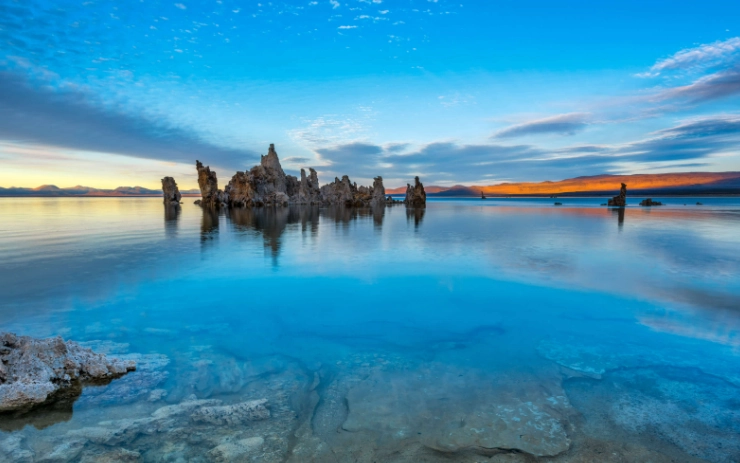
Reader Comments