Explore This Guide
You've seen the pictures. That unreal, milky-blue water against a backdrop of mountains. It looks like a Caribbean postcard plopped right into Utah. And if you're planning a trip, the question is probably nagging at you: Is Bear Lake safe to swim in Utah? I mean, it's gorgeous, but can you actually jump in without a second thought?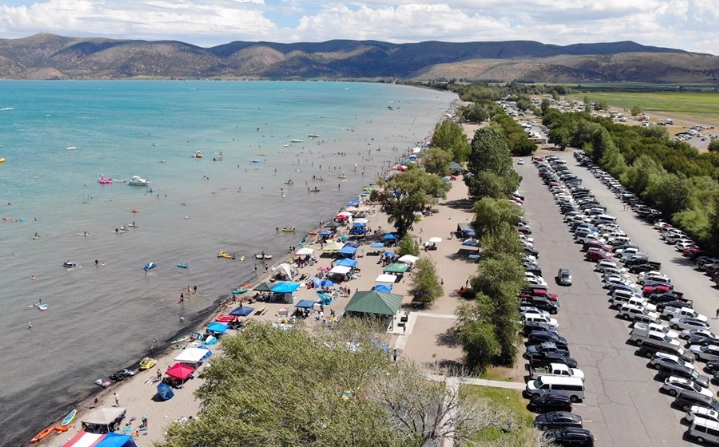
I've been there more times than I can count, with family, with friends, sometimes just to stare at the water. And I've asked myself the same thing every single time, especially before letting kids splash around. The short, honest answer? Yes, Bear Lake is generally very safe for swimming, but calling it "completely safe" would be misleading. Like any large, natural body of water, it has its moods, its quirks, and its rules for playing nice. The key isn't just knowing if it's safe, but knowing when, where, and how it's safest.
The Core Truth: The overwhelming majority of people swim, paddleboard, and jet-ski in Bear Lake every summer without incident. The main risks aren't hidden monsters; they're the usual suspects of outdoor swimming: sudden weather, cold water, and occasional poor visibility.
What Makes Bear Lake Water So Blue (And Is That Safe?)
First, let's talk about that famous color. It's not a filter. The turquoise hue comes from suspended, microscopic particles of white calcium carbonate (limestone) reflecting sunlight. The lake is a giant, ancient sinkhole fed by springs, not muddy rivers, which keeps sediment low and clarity high in most conditions.
So, is swimming in this chalky-looking water safe? From a chemical standpoint, absolutely. The calcium carbonate is harmless. In fact, the Utah Department of Environmental Quality (UDEQ) regularly monitors Bear Lake as part of its recreational water quality program. They test for indicator bacteria like E. coli, which can signal contamination from wildlife or other sources.
You can check their latest reports yourself—it's public data. In my experience, the lake's water quality consistently ranks as excellent for recreation. The isolation and primary spring-fed source are big advantages. You're far more likely to encounter water quality issues in a small, stagnant pond than in this massive, cold, spring-fed basin.
But here's a personal gripe: after a busy holiday weekend, say the 4th of July, the water near the main marinas and crowded beaches can get a bit... murky. Not from pollution in a toxic sense, but from all the stirred-up sand and activity. It's a good reminder that the clearest water is often away from the biggest crowds.
The Real Safety Factors: What to Watch Out For
Okay, so the water itself isn't toxic. Good. But safety is about more than just bacteria counts. Let's break down the actual things that can turn a fun day sour.
Water Temperature: The Big Chill
This is arguably the number one safety factor. Bear Lake is cold. Even in peak summer, surface temperatures might only reach the low 70s (°F), and that's on a warm day. Early summer and fall can see temps in the 50s and 60s.
- Hypothermia Risk: Jumping into cold water can cause gasping, rapid breathing, and loss of muscle control—even for strong swimmers. It happens faster than you think.
- My Experience: I went in once in early June, thinking "how bad can it be?" It was breathtaking, literally. I was out of the water in under two minutes, shivering. It's no joke, especially for little ones who get cold quicker.
- Tip: Wear a wetsuit if you plan to be in for more than a quick dip. It's a game-changer.
Weather & Sudden Storms
The mountains create their own weather. A sunny morning can turn into a windy, choppy afternoon with surprising speed. High winds whip up waves that can easily swamp small boats, kayaks, and paddleboards, and make swimming back to shore exhausting.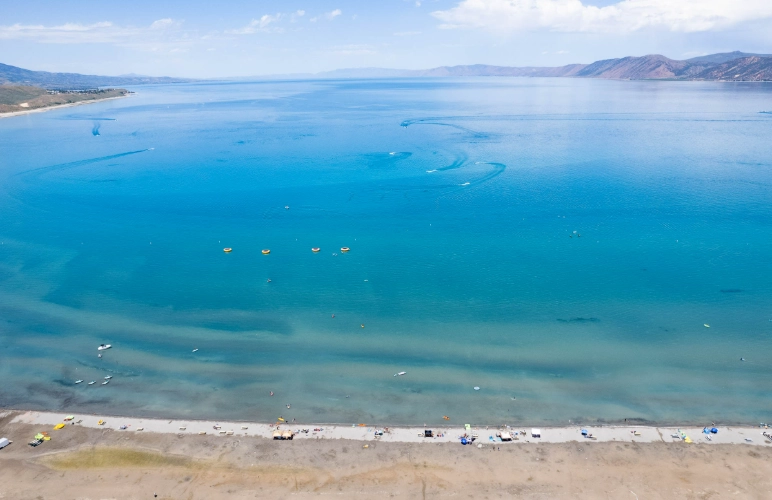
Always check the forecast before you go, and keep an eye on the sky. If you see dark clouds building over the mountains, it's time to start heading in. The National Weather Service (weather.gov) is your best friend here.
Boat Traffic & Designated Areas
Bear Lake is popular for motorized water sports. Swimmers and paddlers mixing with boats, jet skis, and water skiers is a major hazard.
- Swim Only in Designated Areas: Places like Rendezvous Beach, Cisco Beach, and the State Park Marina have buoyed-off swimming zones. Use them. This is non-negotiable for safety.
- Visibility: When on a paddleboard or kayak, assume boaters cannot see you well. A bright-colored board or life jacket helps.
Underwater Hazards & Depth
The bottom can be rocky or sandy, and it often drops off quickly. There aren't hidden currents like in the ocean, but the sudden depth change can startle inexperienced swimmers. Watch for drop-offs. Also, while not common, old pilings or rocks might be present, especially outside maintained beaches.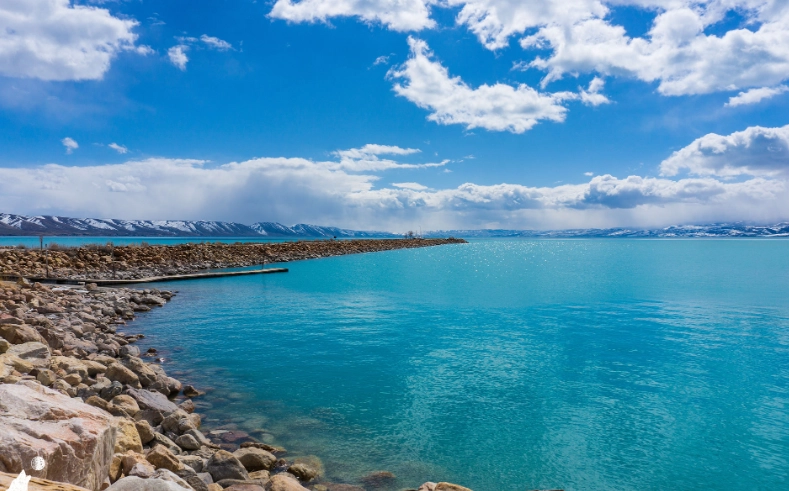
A Practical Guide: Where and When to Swim Safely
Let's get tactical. Based on safety, amenities, and overall experience, here's my breakdown of the best spots to answer "Is Bear Lake safe to swim in Utah?" with a confident "yes."
| Beach/Area | Best For | Safety & Amenities Notes | My Personal Take |
|---|---|---|---|
| Rendezvous Beach (South End) | Families, first-timers, long shallow areas | Large, buoyed swim area. Lifeguards sometimes present in peak season (check ahead). Restrooms, showers, picnic sites. Gentle slope. | The most family-friendly option by far. The shallow entry is perfect for kids. Can get VERY crowded. |
| Bear Lake State Park Marina (East Side) | Easy access, amenities, all-day visits | Designated swim beach adjacent to marina. Modern restrooms, nearby concessions. Water is often clearer here than at the south end. | My go-to for a full beach day. Having amenities close by is a huge plus. The swim area feels secure. |
| Cisco Beach (East Side) | Wind sports (kiting), less crowded swimming | Less developed. No lifeguards. Can be very windy (great for kiters, challenging for swimmers). Portable toilets only. | Beautiful and often less packed. Only swim here if you're a confident swimmer and the wind is calm. The vibe is more rugged. |
| North Beach (Idaho Side) | Spacious shoreline, sunsets | Very long sandy beach. Designated areas. Amenities vary. Water can be cooler and choppier. | Feels more expansive. A great option if the Utah side is packed. The drive is longer, so plan accordingly. |
As for timing: Late June through August offers the warmest water. Midday to afternoon is best for beating the chill. Mornings are stunning but frigid for swimming. Honestly, September can be glorious—fewer people, still swimmable if you're hardy, but the weather is less predictable.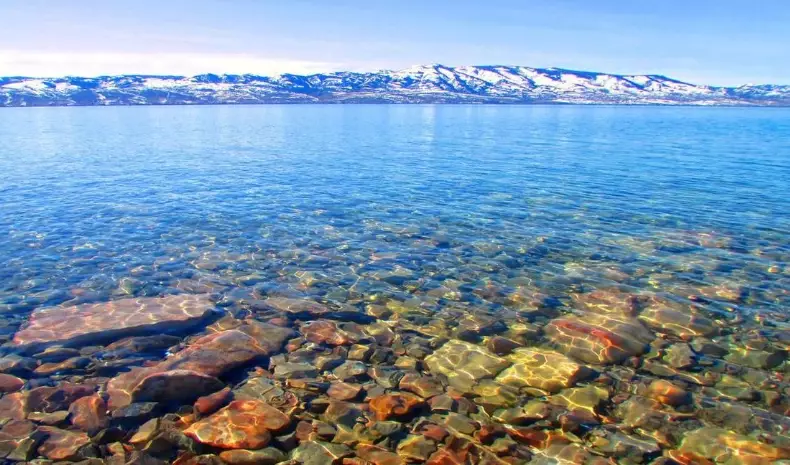
Your Pre-Swim Safety Checklist (Don't Skip This)
Before you even touch the water, run through this list. It takes two minutes and makes all the difference.
- Life Jackets: For kids, weak swimmers, or anyone on any kind of watercraft. Utah law requires it on boats/kayaks/etc. Just have them handy. No excuses.
- Footwear: Water shoes or old sneakers. The rocks near the shore can be sharp, and the sand can get scorching hot.
- Sun Protection: The elevation is over 5,900 feet. The sun is intense. Waterproof sunscreen (reapply!), hat, sunglasses.
- Hydration & Snacks: Swimming and sun are dehydrating. Bring more water than you think you need.
- Weather App: Seriously, check it one last time.
- Buddy System: Never swim alone. It's a basic rule for any open water.
Answering Your Burning Questions (The FAQ)
Here are the specific questions I've heard people ask over and over again.
Are there leeches or dangerous creatures in Bear Lake?
This one always comes up. The answer is: leeches exist, but they are tiny, not the giant movie monsters people imagine. Encounters are rare and they are not dangerous, just icky. There are no alligators, sharks, or dangerous jellyfish. The most aggressive creature you'll meet is probably a determined seagull after your sandwich.
Is the water safe to swallow accidentally?
While the calcium carbonate is harmless, swallowing any natural lake water is not recommended due to the low, but never-zero, risk of bacteria or parasites like Giardia. Try not to gulp it down, and teach kids the same. It's always wise to rinse off with fresh water after your swim.
Do I need a wetsuit to swim in Bear Lake?
For most casual swimmers in July or August, no. For extended swimming, paddleboarding, or for anyone visiting in June or September, a wetsuit will dramatically increase your comfort and safety by preventing hypothermia. For kids, it's a fantastic idea regardless of the month.
Are lifeguards present at Bear Lake beaches?
This is crucial: Do not assume there are lifeguards. Some state park beaches may have seasonal lifeguards at peak times, but this is not guaranteed. Always operate under the assumption that you are your own (and your family's) first responder. This mindset fundamentally shapes how you answer Is Bear Lake safe to swim in Utah? for yourself.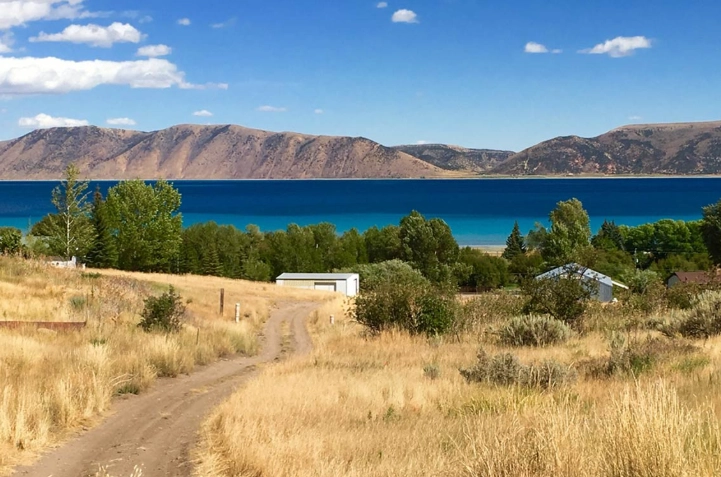
Is it safe to swim in Bear Lake with young children?
Yes, but with strict conditions. Choose Rendezvous Beach or the State Park Marina for their gentle, designated areas. Use US Coast Guard-approved life jackets, not floaties. Stay within arm's reach at all times. The cold will affect them fastest, so limit time in the water and have warm, dry clothes ready.
The Bottom Line: A Safe & Memorable Swim Awaits
Look, after all this talk of hazards and checklists, it's easy to forget the main point: Bear Lake is an incredible place to swim. The water is breathtakingly beautiful and refreshing. The experience of floating in that turquoise expanse, surrounded by mountains, is something you'll remember for years.
The goal of this guide isn't to scare you away, but to empower you. Knowledge is what turns anxiety into confidence. When you understand the lake's personality—its cold, clear water, its respect for weather, its shared space with boats—you can plan for it. You pack the right gear, you pick the right spot, you watch the sky.
Final Verdict: So, is Bear Lake safe to swim in Utah? With proper preparation and respect for its natural conditions, it is not only safe but an absolutely phenomenal experience. The risks are manageable for any informed visitor. Don't let the "what-ifs" stop you. Just let them prepare you.
Go. Enjoy that famous Bear Lake water. Splash around. Just do it with your eyes open and a little bit of smart planning. That's how you get the best of both worlds: safety and pure, unforgettable fun.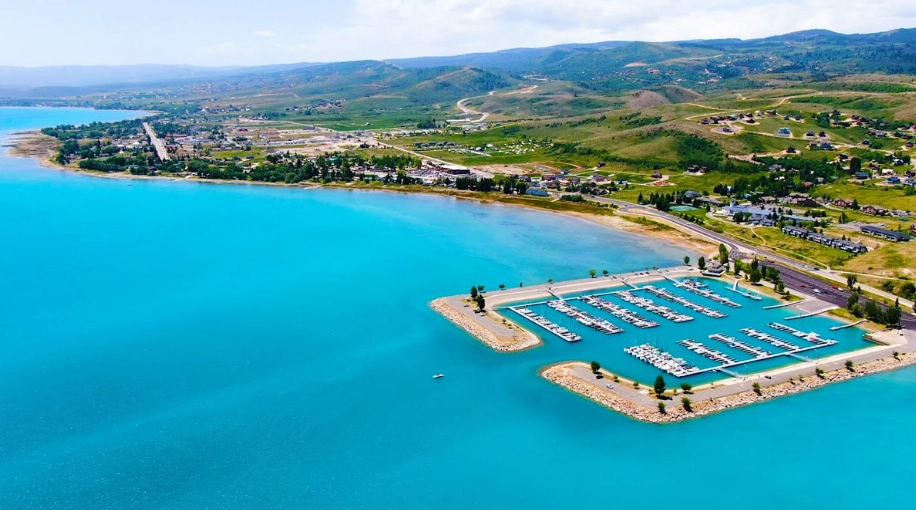
Reader Comments