Quick Guide
Let's talk about the weather. Not the boring small talk kind, but the real, practical stuff that makes or breaks a trip to see those giant trees. I've learned the hard way that checking a generic forecast for "Sequoia" just doesn't cut it. The weather in Sequoia National Park isn't one thing—it's a whole bunch of microclimates stacked on top of each other, changing by the hour and the foot of elevation. One minute you're in a t-shirt, the next you're digging for a jacket. It keeps you on your toes.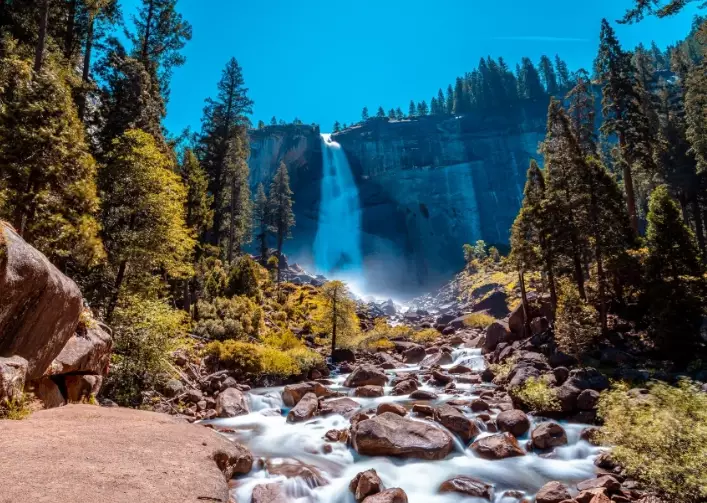
My first visit was a comedy of errors. I packed for a mild summer day at the foothills and ended up shivering at 7,000 feet, completely unprepared for how fast the Sequoia National Park weather can shift. That experience taught me more than any brochure ever could. This guide is what I wish I'd had: a no-nonsense, season-by-season, elevation-by-elevation breakdown of what you're actually getting into.
Why does it matter so much? Well, underestimating the Sequoia climate can mean closed roads, miserable hikes, or even dangerous situations. Overestimating it might have you lugging a heavy winter coat on a perfectly pleasant day. We're going to get into the nitty-gritty so you can pack the right bag, plan the right day, and just enjoy the giants without any weather-related surprises.
Why Is Sequoia's Weather So Unpredictable?
It all comes down to the lay of the land. Sequoia isn't a flat park. Your trip will likely span a vertical journey from around 1,500 feet at the Foothills entrance all the way up to over 14,000 feet at the summit of Mount Whitney (though most visitor areas sit between 5,000 and 7,500 feet). That's a bigger climb than from sea level to the top of a lot of mountains.
Think of it like this: for every 1,000 feet you drive up, the temperature drops about 3 to 5 degrees Fahrenheit. So, a sunny 75°F (24°C) day at the Ash Mountain Entrance can feel like a crisp 55°F (13°C) day up in the Giant Forest. That's a sweater-and-jeans kind of difference. The Sequoia National Park weather forecast you see on your phone is often for a specific location, like Lodgepole, and it tells you nothing about what's happening two thousand feet above or below you.
Then there's the sun. The air is thinner up high. Less atmosphere to filter those UV rays. You can get a nasty sunburn on a cool, breezy day if you're not careful. I learned that one the painful way, with a bright red neck after a long hike. And the wind? It can whip through the canyons and over the ridges with little warning, adding a serious chill factor even on a sunny afternoon.
The Seasonal Breakdown: What to Expect Month by Month
Alright, let's get into the seasons. This is where planning gets real.
Spring (April - June)
Spring is a season of dramatic transformation, but timing is everything. In April, the lower foothills are bursting with wildflowers—poppies, lupines, the works. It's gorgeous and warm. But drive up to the Giant Forest? You're likely still in winter's grip. The Generals Highway might have chain controls, and trails can be slushy or snow-covered.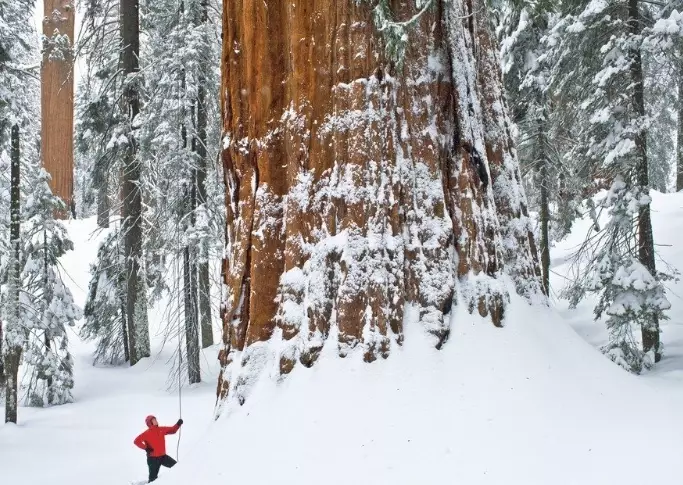
By late May and June, things start to balance out. The snow melts at mid-elevations, waterfalls like Tokopah are roaring with runoff, and the giant sequoias stand amidst green meadows. The Sequoia National Park weather in late spring is arguably some of the best for hiking—cool mornings, warm afternoons, and fewer people than in peak summer. Mosquitoes start to make their appearance in June near wet areas, so bug spray becomes part of the essential kit.
What to pack for spring: Waterproof hiking boots (for mud and lingering snow patches), all your layers (temperatures can range from 30s to 70s F / -1 to 21°C in a single day), rain jacket, sun protection, and microspikes or traction devices for your shoes if you're planning early-season hikes on potentially icy trails.
Summer (July - September)
This is peak season. The roads are clear, all facilities are open, and the high country is accessible. The Sequoia climate in summer is... pleasant, for the most part. In the sequoia groves (6,000-7,000 ft), daytime highs are usually a comfortable 70-80°F (21-27°C). Nights dip into the 40s and 50s (4-15°C), which is perfect for sleeping.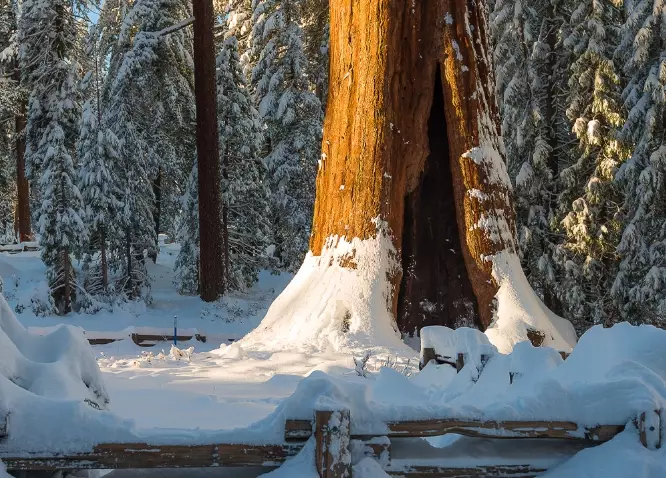
But there are two big caveats. First, the foothills and lower elevations can be hot. We're talking 90-100°F (32-38°C). If your plan involves the Foothills area or the start of the Marble Fork Kaweah River, do it early in the morning. Second, and this is a big one lately: smoke. Wildfire season in California can send smoke into the park, hazing out the views and affecting air quality. It's not a guarantee every year, but it's a real possibility you should monitor. Checking the park's air quality webcam before you head out for the day is a smart habit.
Afternoon thunderstorms are also a classic feature of the Sierra Nevada summer. They can pop up quickly, especially in July and August. One minute you're hiking under blue skies, the next you hear distant thunder. Lightning at high elevation is no joke. The rule is to be off exposed ridges and peaks by early afternoon.
What to pack for summer: Light layers for daytime, warmer layers for evening, a rain shell for those pop-up storms, a wide-brimmed hat, high-SPF sunscreen, and plenty of water. A hydration bladder is a game-changer.
Fall (October - November)
If you can swing it, fall might be the secret winner. The summer crowds vanish, the air turns crisp and clear, and the aspen groves put on a stunning golden show. The Sequoia National Park weather in October is often stable, with sunny days and cold, starry nights.
But it's a short season. The first significant snowstorms can arrive as early as October, especially at the higher elevations. Facilities start closing after Labor Day, and by late October, many services (like shuttle buses, some campgrounds, and visitor center hours) are reduced or shut down for the season. You get more solitude, but you need to be more self-sufficient.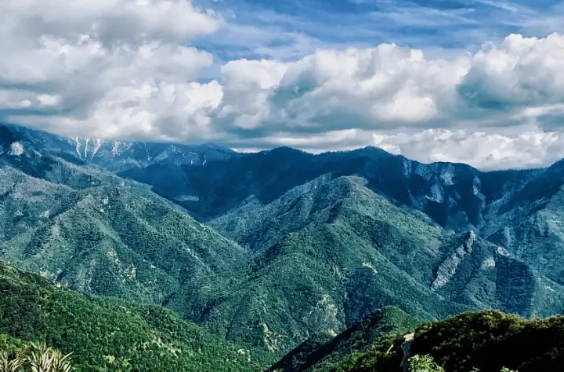
It's a fantastic time for photography. The angle of the light is lower, casting long shadows through the sequoia groves. Just be ready for anything. A bright, 60°F (15°C) day can turn into a 25°F (-4°C) night.
What to pack for fall: All your warm layers, including a warm hat and gloves. A four-season tent if you're camping, as overnight frost is common. Check road conditions frequently, as snow can temporarily close the Generals Highway.
Winter (December - March)
Winter transforms the park into a silent, snowy wonderland. The giant sequoias with a dusting of snow are a magical sight. But this is the most demanding season for visitors. The Sequoia National Park weather from December to March is dominated by snow. Lots of it. Average snowfall in the Giant Forest is over 60 inches.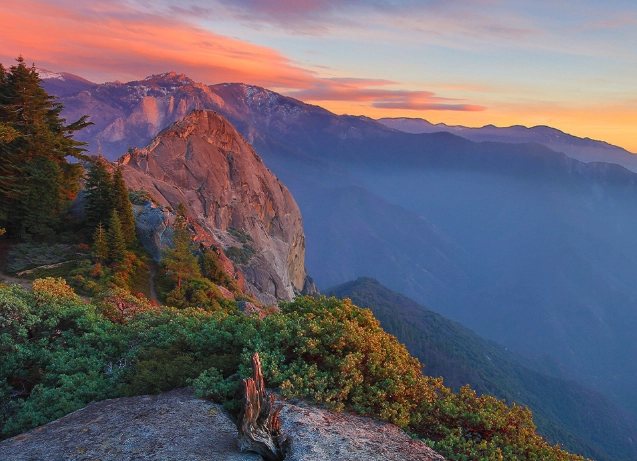
Road access is the biggest factor. The Generals Highway from the Foothills up to the Giant Forest is often open, but it requires chains in your vehicle—California law mandates you carry them, and rangers will check. The road to Cedar Grove (Kings Canyon) closes for the season. The road to Mineral King is almost always closed. You need to be comfortable with winter driving in the mountains. I'll admit, my first time driving up in winter, my palms were sweating.
Activities shift to snowshoeing, cross-country skiing, and sledding in designated areas like Wolverton. Ranger-led snowshoe walks are a fantastic way to experience the quiet forest. It's cold. Daytime highs might struggle to get above freezing, and nights are bitterly cold, often in the teens or single digits Fahrenheit (-7 to -15°C).
What to pack for winter: This is serious cold-weather gear territory. Insulated, waterproof boots. Heavy winter coat, snow pants, thermal layers, thick gloves, a warm hat that covers your ears. Hand and foot warmers are a nice luxury. For your car: chains (know how to put them on!), a snow brush/ice scraper, extra blankets, water, and snacks in case you get stuck.
Planning by Activity, Not Just by Season
Sometimes it's easier to think about what you want to do, and then work backward to the best weather for it.
For Hikers: Your sweet spot is late June through September for high-country trails (like the Lakes Trail or up towards the Tablelands). For lower-elevation hikes (like the Foothills' Paradise Creek), spring and fall are best to avoid heat. Always start early to beat afternoon heat or thunderstorms. Check trail conditions for snow patches or stream crossings, which can be hazardous in early summer.
For Campers: Summer is easiest, with all campgrounds open. But my favorite camping is in September. Fewer bugs, fewer people, cooler nights perfect for a campfire. Winter camping is only for the well-prepared in designated campgrounds like Potwisha or the open sites at Lodgepole. You'll need serious cold-weather gear.
For Families with Young Kids: Stable, warm summer weather is your friend. Stick to the paved paths in the Giant Forest, the Museum, and the easy Congress Trail. The shuttles help avoid parking hassles. Avoid the potential smoke of late summer by aiming for July or early August if possible.
For Photographers: Fall for golden light and fall color. Winter for snow-laden trees and stark contrasts. Spring for wildflowers and powerful waterfalls. Summer can have harsh midday light, so shoot at dawn or dusk.
Your Sequoia National Park Weather Packing Checklist
Forgetting something here can ruin your day. Here’s my tried-and-true list, adjusted for season.
The Absolute Essentials (Year-Round):
- Layers, layers, layers: A moisture-wicking base layer, an insulating mid-layer (fleece or puffy), and a waterproof/windproof outer shell.
- Sturdy, broken-in footwear: Waterproof hiking boots are ideal for most of the year.
- Sun protection: SPF 30+ sunscreen, sunglasses, and a wide-brimmed hat. The sun is intense.
- Hydration: A large water bottle or hydration reservoir. There are limited fill stations.
- Navigation: A physical map or downloaded offline maps. Cell service is unreliable.
Summer Add-ons: Bug spray, a lightweight, breathable hat, shorts, and a swimsuit for dipping your feet in cold streams (not recommended in swift water!).
Spring/Fall Add-ons: Warmer gloves and hat, thermal underwear, traction devices for shoes (like Yaktrax) for potential ice.
Winter Add-ons: Insulated winter boots, heavy winter coat, snow pants, thick gloves/mittens, warm hat, neck gaiter, snow chains for your car, ice scraper.
Answers to Your Biggest Weather Questions
I get asked these all the time. Let's clear them up.
What is the best month for weather in Sequoia National Park?
There's no single answer, but September is a top contender for most people. The summer crowds have thinned, the risk of afternoon thunderstorms has decreased, the days are still warm and long, and the nights are crisp. The Sequoia National Park weather in September is usually stable and glorious. Late June is a close second, just after most snow has melted but before the deepest summer crowds and wildfire smoke potential.
Is it safe to visit Sequoia National Park in the winter?
Yes, but with major caveats. It's safe if you are prepared. You must be comfortable driving on snowy, winding mountain roads and installing tire chains. You must have the proper gear to stay warm and dry. Stick to main, plowed areas and don't venture onto closed trails or roads. The park is beautiful in winter, but it demands respect. If you're not an experienced winter driver, consider a guided tour.
How accurate are weather apps for Sequoia?
Not very, if you're just looking at "Sequoia National Park." You must look up the forecast for the specific area you'll be in. Use town names like "Three Rivers" for the foothills, "Lodgepole" or "Grant Grove" for the sequoia groves. Even then, be prepared for it to be wrong, especially with precipitation. Mountain weather is fickle. The National Weather Service forecasts are generally more reliable for mountainous regions than standard phone apps.
Does it rain a lot in Sequoia?
Most precipitation falls as snow in the winter and early spring at mid and high elevations. The summer is typically quite dry, apart from those brief afternoon thunderstorms. The foothills get more rain in the spring. So, you're more likely to encounter snow than a rainy day, depending on when you visit.
How cold does it get at night?
Even in summer, temperatures can drop into the 40s °F (4-9°C) in the Giant Forest. At higher trailheads like Wolverton, it can freeze. In winter, overnight lows in the teens or lower are standard. Always pack your warm sleepwear and a good sleeping bag if camping.
Final Thoughts Before You Go
Understanding the Sequoia National Park weather isn't about memorizing numbers. It's about respecting the scale and power of the place. This is a wild mountain environment, not a curated city park. The very thing that makes it breathtaking—its huge trees, deep canyons, and towering peaks—is what makes its weather complex and sometimes challenging.
The best advice I can give is this: be flexible. Have a Plan A, but also a Plan B. If smoke rolls in, maybe focus on lower-elevation walks instead of a panoramic summit. If an afternoon thunderstorm brews, turn back a little early and enjoy a hot drink at the lodge. If snow closes your intended road, embrace the chance to snowshoe in a quiet grove.
Check the official park conditions page the day before you leave and the morning you head out. Talk to the rangers at the visitor center. They live this Sequoia climate every day and have the best, most current info.
With a little preparation and the right mindset, you can have an incredible experience in any season. The giant trees have been standing there through blizzards, droughts, and thunderstorms for thousands of years. With this guide, you'll be ready to walk among them, whatever the sky decides to do.
Reader Comments