My first time looking for Piedras Marcadas Canyon was a comedy of errors. I had the address, but Google Maps led me to a quiet suburban cul-de-sac with no signage in sight. I drove past the unassuming neighborhood entrance twice before spotting a small, brown National Park Service sign tucked behind a bush. That's the thing about this place—it feels like a secret, even though it's part of the massive Petroglyph National Monument on Albuquerque's West Mesa. You're not heading to a grand park entrance; you're slipping into a hidden chapter of the Southwest, where ancient voices are etched into stone.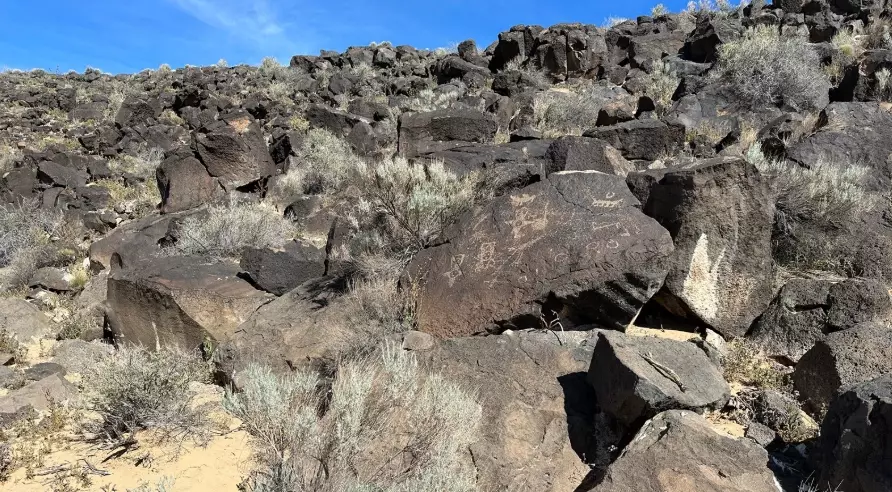
Your Quick Trail Map
What You Need to Know Before You Go
Let's cut to the practical stuff first. Piedras Marcadas Canyon is one of three main volcanic canyon units within Petroglyph National Monument. Unlike the more developed Boca Negra Canyon, it's free to enter and feels more rugged and self-guided.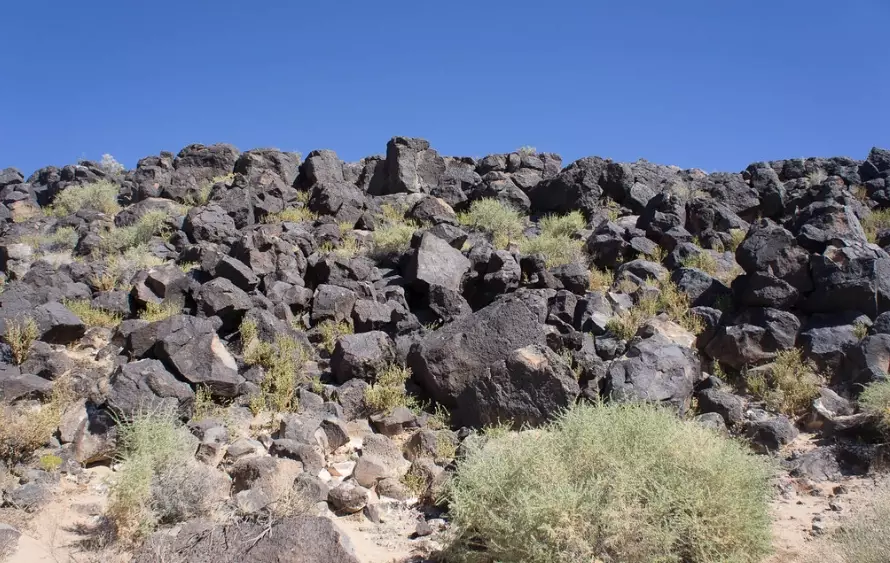
The Essentials at a Glance
| Detail | Information |
|---|---|
| Official Address | Piedras Marcadas Canyon Unit, Petroglyph National Monument, Albuquerque, NM. Use GPS coordinates for the trailhead: 35.1685° N, 106.6972° W. |
| Operating Hours | Open daily from 8:30 AM to 4:30 PM. Gates to the small parking area are locked promptly at 4:30 PM. |
| Entrance Fee | None. It's completely free, which is a fantastic perk. |
| Parking | Very limited. A small, unpaved lot fits about 15-20 cars. Overflow parking is on the neighborhood streets—be respectful of residents. |
| Best For | Self-guided exploration, photography, easy hiking, cultural history. |
| Not Ideal For | Those needing extensive facilities (there's just one vault toilet), shade, or structured tours. |
A common misconception is that you pay at a visitor center here. You don't. The main Petroglyph National Monument visitor center is off Unser Boulevard, and while it's worth a stop for context, maps, and the passport stamp, it's a 10-minute drive from the Piedras Marcadas trailhead itself.
Finding the Trailhead (It's Trickier Than You Think)
This is the biggest hurdle for first-timers. If you just type "Piedras Marcadas Canyon" into your GPS, it might drop you in the general area but not at the actual parking lot. Here’s the foolproof method: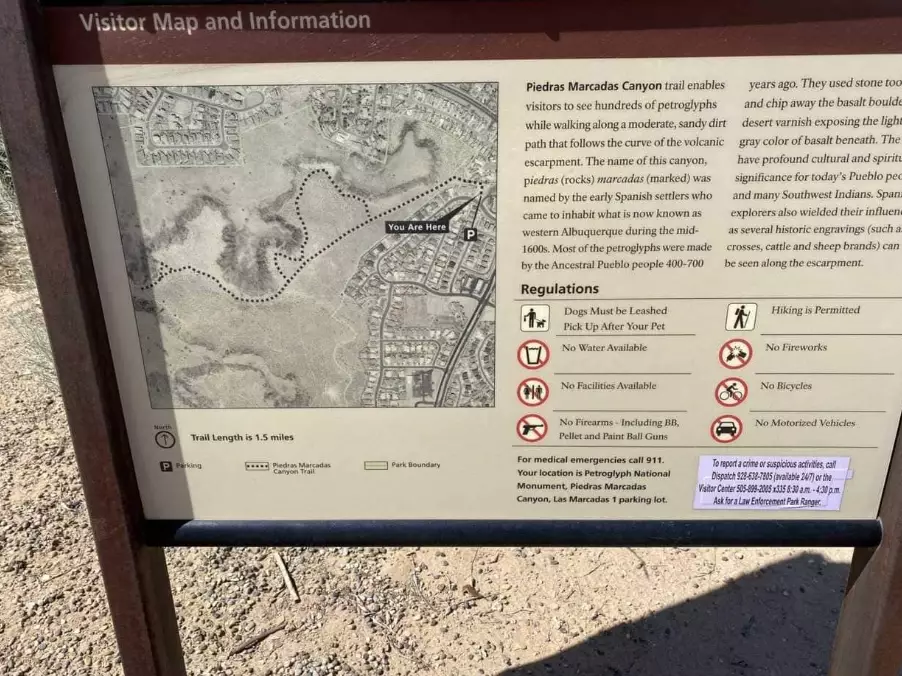
Navigate to the intersection of Paseo del Norte Blvd NW and Golf Course Rd NW. Head west on Golf Course Road. You'll quickly enter the Ventana Ranch neighborhood. Look immediately for Mountain Shadows Dr on your right. Turn right, then take the first left onto Mountain Shadows Ct. Follow this short road to its end, and you'll see the small parking area and trailhead kiosk.
See what I mean? It feels like you're going into someone's neighborhood, because you are. The monument boundary wraps around these homes. The locals are used to it, but drive slowly and keep noise down.
Hiking the Canyon: A Step-by-Step Walkthrough
The main trail is a lollipop loop—a straight out-and-back stem that leads to a circular loop around the densest concentration of petroglyphs. Total distance is about 1.5 to 2 miles, depending on how many little side spurs you explore. Elevation gain is minimal, maybe 50 feet total.
The Outward Journey (The Stem)
From the kiosk, you head north on a wide, gravelly path. The canyon walls rise gently on either side. For the first 10-15 minutes, you might see only a few scattered carvings. Don't get discouraged. This is the warm-up. You're walking on the canyon floor, which is actually an ancient lava flow. Look down—the black volcanic rock (basalt) under your feet is the same canvas the artists used.
The Main Gallery (The Loop)
When the trail forks, go right to start the loop clockwise. This is where it gets good. The trail climbs slightly onto a bench along the west canyon wall. Suddenly, they’re everywhere. Spirals, animals, humanoid figures, hands, geometric patterns. The density is stunning. You're not looking at a few isolated images; you're walking past a curated gallery with hundreds of pieces.
The loop brings you back to the fork. You can head back the way you came, or if you're feeling energetic, take the very short, slightly steeper spur trail that goes up and over a small hill in the center of the loop for a different perspective.
Trail Condition: It's well-maintained gravel and dirt. No scrambling required. However, after rain, it can be muddy and slick. Wear sturdy shoes, not sandals.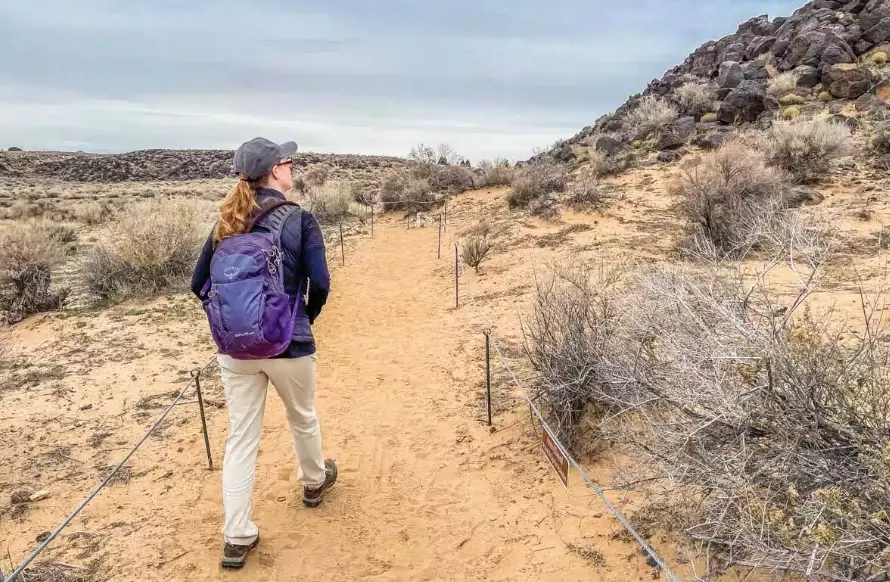
Decoding the Stones: A Beginner's Guide to the Petroglyphs
It's easy to just see "rock art." The magic happens when you start to look deeper. The petroglyphs here were created primarily by Ancestral Puebloans and Spanish settlers between 400 and 700 years ago, though some may be older.
Here’s how to move from casual looking to actually seeing:
Look for the Patina: The images aren't drawn on the rock; they're pecked or carved through the dark, desert-varnished surface of the basalt to reveal the lighter rock underneath. That contrast is what makes them visible.
Common Motifs and What They Might Mean:
- Spirals: Often interpreted as symbols of migration, life cycles, or water.
- Animals: Bighorn sheep, birds, snakes. These could represent clan symbols, prayers for successful hunts, or important spiritual beings.
- Humanoid Figures (Anthropomorphs): Some with elaborate headdresses. These might depict shamans, deities, or ancestors.
- Handprints: A universal human signature, a way of saying "I was here."
- Crosses and Livestock: These are later, from the Spanish colonial period, showing the cultural intersection that defines New Mexico.
The big mistake most people make is trying to assign a single, literal meaning to each glyph. We don't know for sure. They could be maps, calendars, clan symbols, records of events, or spiritual communications. The meaning is layered. Your job isn't to solve it, but to appreciate the complexity.
One specific panel that always stops me is a cluster of sheep and a large spiral. Stand there. Think about the person who stood in that exact spot centuries ago, with a stone tool, patiently pecking away under the same vast New Mexico sky. It’s a powerful connection that no museum glass case can provide.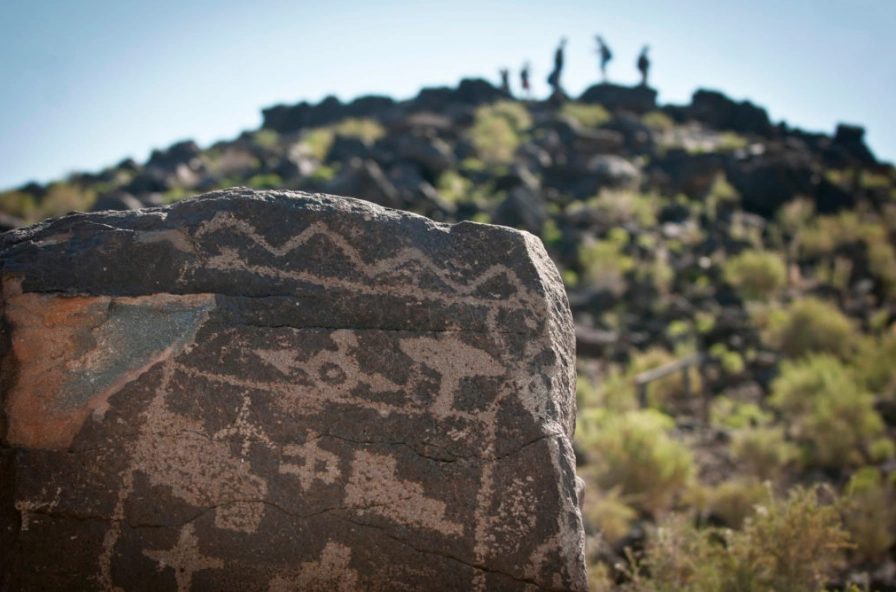
Planning Your Visit: Timing, Gear & Non-Negotiable Etiquette
When to Go:
Spring and fall are ideal. Summers are scorching—if you go between June and August, you must start at 8:30 AM. By 11 AM, the reflective heat from the black rock is intense. Winters are fine, but can be windy and cold. Sunrise and sunset offer the best light for photography and a more serene experience.
What to Bring:
- Water: More than you think. At least one liter per person. There is no water at the trailhead.
- Sun Protection: Hat, sunglasses, sunscreen. There is no shade on the trail. None.
- Good Shoes: Closed-toe hiking shoes or trainers.
- Camera or Binoculars: A zoom lens or binoculars help you see details on higher panels without leaving the trail.
- Map/Brochure: Snap a photo of the map at the trailhead kiosk or download the official NPS app beforehand.
The Sacred Rules (This is Critical):
This isn't a playground. It's a fragile, irreplaceable archaeological site.
DO NOT TOUCH THE PETROGLYPHS. The oils from your skin degrade the rock and the dark patina over time. A single touch does damage you can't see.
Stay on the designated trails. Walking on the rocks themselves accelerates erosion and can damage unseen artifacts below the surface.
Do not make rubbings or castings. This is illegal and destroys the carvings.
Pack out everything you bring in.
I've watched people lean on a panel for a photo. It makes me cringe. Your role is that of a respectful guest in a timeless gallery. Act like one.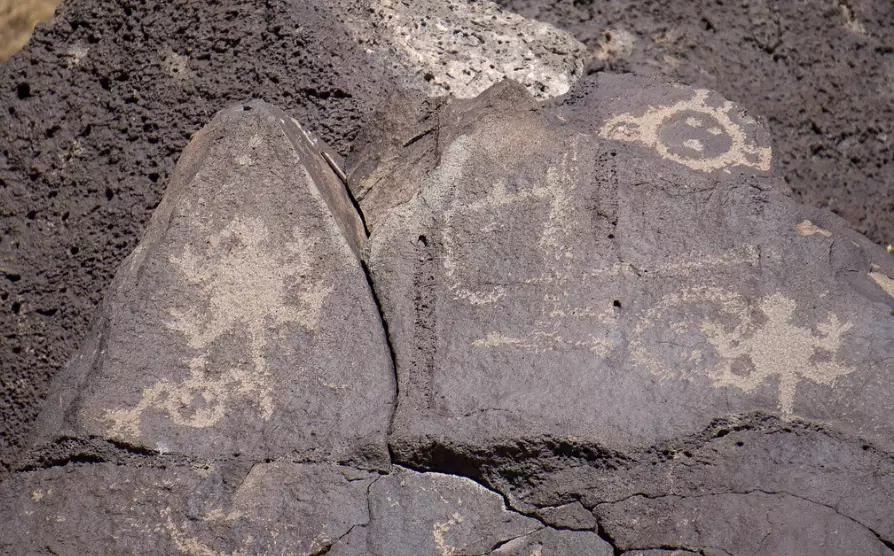
Beyond the Canyon: Tying It Into Your Albuquerque Trip
Piedras Marcadas is a perfect half-day activity. Pair it with a visit to the Petroglyph National Monument Visitor Center to get the broader story. For lunch, head to nearby Old Town Albuquerque (a 15-minute drive) for New Mexican cuisine. The Indian Pueblo Cultural Center is also a must-visit to understand the living cultures of the Pueblo people whose ancestors may have created the glyphs.
If you have more time, consider visiting the monument's other units. Boca Negra Canyon has shorter, paved trails to hundreds of glyphs but charges a small fee per vehicle. Rinconada Canyon offers a longer, 2.2-mile round-trip hike.
Questions Other Hikers Always Ask
Is Piedras Marcadas Canyon hike suitable for beginners or families?
Absolutely. The main loop trail is mostly flat, well-marked gravel, making it accessible for most fitness levels. It's great for families with older kids who can understand the 'look, don't touch' rule. Just bring water and sun protection—there's zero shade. I wouldn't recommend it for very young children in strollers due to the gravel surface, but a rugged jogging stroller could manage.
Can I bring my dog to Piedras Marcadas Canyon?
Yes, leashed dogs are allowed on the trails. This is a major plus for pet owners. However, you must be extra vigilant. Keep your dog on a short leash at all times to prevent them from scrambling up the rocks and potentially damaging the petroglyphs or disturbing wildlife. Always clean up after them.
What is the best time of day to visit for photography and avoiding crowds?
For photography, go within 2 hours of sunrise or sunset. The low-angle light creates dramatic shadows that make the carvings 'pop' and enhances the texture of the volcanic rock. To avoid crowds, weekdays are always better. Mornings are generally quieter than afternoons, even on weekends. I've had the entire loop to myself on a Tuesday at 9 AM.
Are there guided tours available at Piedras Marcadas Canyon?
Ranger-led tours are not regularly scheduled at Piedras Marcadas specifically. The visitor center at Petroglyph National Monument's Boca Negra Canyon unit offers more structured programs. For Piedras Marcadas, your best bet is a self-guided tour using the official NPS app or brochure. Occasionally, local cultural organizations like the Indian Pueblo Cultural Center host special guided events—check their calendars.
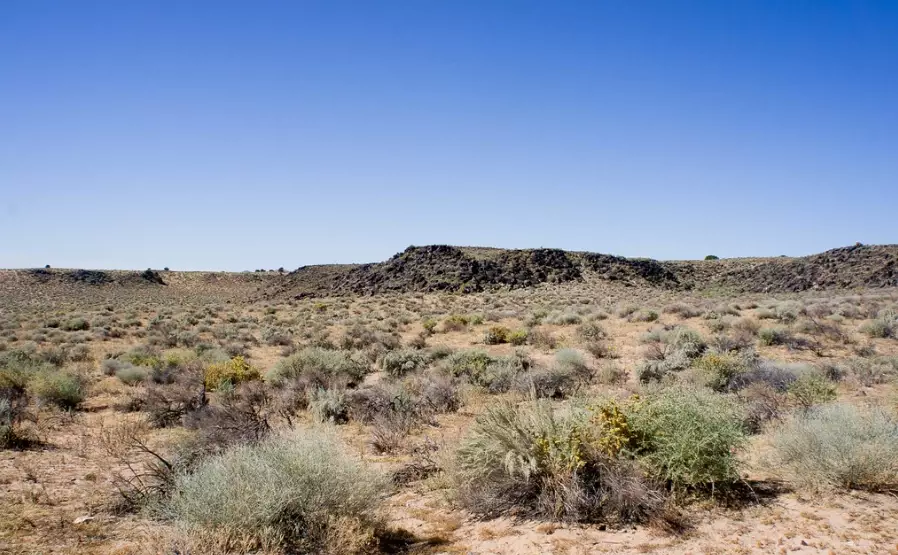 Piedras Marcadas Canyon isn't the most dramatic landscape in New Mexico, and it won't take your whole day. But it offers something rarer: an intimate, unmediated conversation with the past. You walk the same ground, see the same landmarks, and witness the human impulse to mark existence, to communicate across time. Just remember to tread lightly, look closely, and leave nothing but footprints in the dust.
Reader Comments