Let's cut to the chase. You're thinking about a trip to Utah's national parks. You've seen the photos—those impossible red rock arches, towering canyon walls, and forests of stone spires. The collective term is "The Mighty 5," and it's not marketing hype. It's a real geological wonderland spanning southern Utah, and yes, you can see them all. But should you? And more importantly, how do you do it without turning your dream vacation into a stressful, sunburned blur of parking lots and traffic?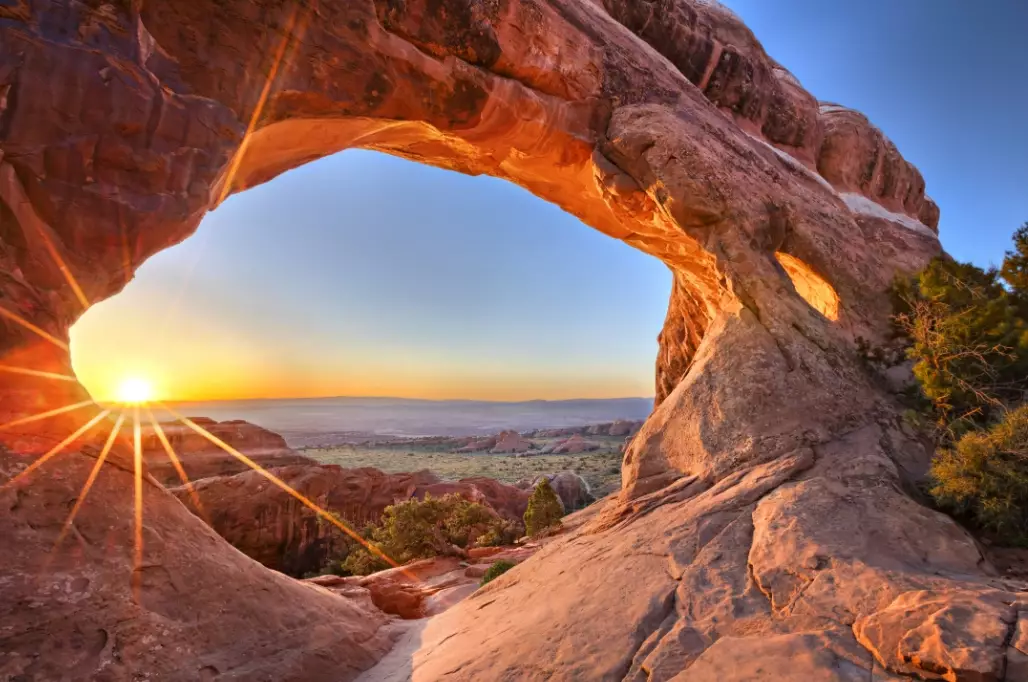
I've been hiking and exploring these parks for over a decade, guiding friends, making mistakes, and finding those quiet corners that most visitors miss. This isn't just a list of parks; it's a practical blueprint for building your own unforgettable Utah adventure.
Your Utah National Parks Roadmap
The Mighty 5: A Quick Breakdown
Each park has a distinct personality. Trying to see them all in a week is the single biggest mistake first-timers make. You'll spend more time in your car than on the trails. Here’s what makes each one unique, with the nitty-gritty details you need to plan.
| Park | Known For | Must-See / Must-Do | Entrance Fee & Key Info |
|---|---|---|---|
| Arches National Park Near Moab, UT |
Over 2,000 natural sandstone arches, including the iconic Delicate Arch. | Delicate Arch Hike (3 miles roundtrip, strenuous). Park Avenue & Balanced Rock for easy views. Fiery Furnace (permit required). | $30 per vehicle (7-day pass). TIMED ENTRY REQUIRED Apr-Oct, 7am-4pm. Reserve on Recreation.gov. Arrive before 6am or after 4pm to bypass. |
| Canyonlands National Park Near Moab, UT |
Vast, untamed desert carved by the Colorado River into three distinct districts. | Island in the Sky (most accessible): Mesa Arch at sunrise. Grand View Point. The Needles for serious backpacking. The Maze is remote 4x4 country. | $30 per vehicle. Massive park—districts are hours apart. Island in the Sky is 45 mins from Moab. Focus on one area per day. |
| Capitol Reef National Park Near Torrey, UT |
A 100-mile long wrinkle in the earth (Waterpocket Fold), pioneer history, and orchards. | Scenic Drive. Hickman Bridge hike. Pick fruit in historic orchards (seasonal). Cassidy Arch. The least crowded of the five. | $20 per vehicle. The park's heart is accessible, but Cathedral Valley and other areas need high-clearance vehicles. A hidden gem. |
| Bryce Canyon National Park Near Bryce, UT |
Not a canyon, but an amphitheater of crimson hoodoos (spire-shaped rock formations). | Sunrise & Sunset Points. Navajo Loop & Queens Garden Trail (the classic 3-mile hike down among hoodoos). Scenic Drive to Rainbow Point. | $35 per vehicle. High elevation (8,000-9,000 ft)—can be chilly even in summer. The Rim Trail is incredibly accessible for all mobility levels. |
| Zion National Park Near Springdale, UT |
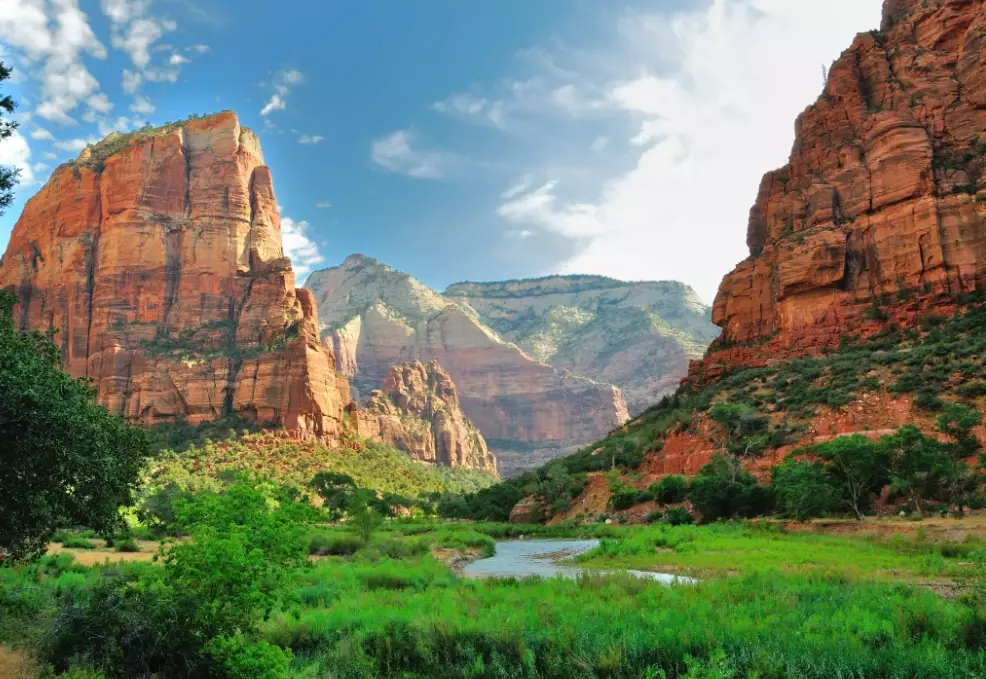
Sheer sandstone cliffs, narrow slot canyons, and the Virgin River. | Zion Canyon Scenic Drive (accessible by shuttle bus only, Mar-Nov). Angels Landing (permit required). The Narrows (hike in the river). Observation Point via East Rim Trail. | $35 per vehicle. The shuttle system is mandatory for the main canyon. Gets extremely crowded—arrive at the visitor center before 8am. Check NPS Zion website for latest trail conditions. |
See what I mean? Arches and Canyonlands are neighbors but offer totally different experiences. Zion is a world of its own. Bryce feels like another planet. Capitol Reef is the quiet, introspective one.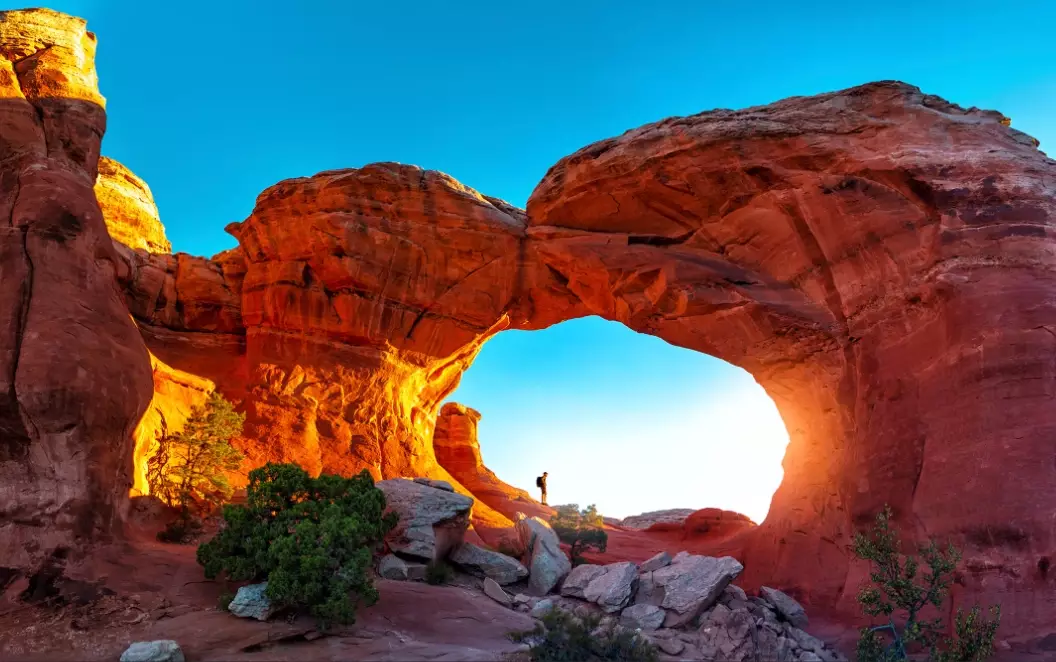
Planning Your Utah National Parks Road Trip
This is where trips are made or broken. The classic loop starts in Las Vegas or Salt Lake City.
The Classic 10-Day "Mighty 5" Loop (From Las Vegas)
Day 1-2: Zion National Park. Drive from Vegas (2.5 hrs). Stay in Springdale. Day 1: Ride the shuttle, do the Riverside Walk, scout the park. Day 2: Big hike—Angels Landing (with permit) or Observation Point. The Watchman Trail is a great sunset option.
Day 3: Bryce Canyon National Park. Drive from Zion (2 hrs). Stay in Bryce or Tropic. Catch sunset at Sunset Point. The air is thinner here, take it easy.
Day 4: Bryce to Capitol Reef. Drive the incredibly scenic UT-12 (one of America's best roads, about 3 hrs). Stop at viewpoints like the Hogback. Explore Capitol Reef in the afternoon, do the short hike to Hickman Bridge.
Day 5: Capitol Reef to Moab. Another stunning drive (2.5 hrs). You'll pass through the remote ghost town of Hanksville. Settle into Moab—your base for the next three days.
Day 6-7: Arches & Canyonlands. Use one full day for Arches (get your timed entry or go super early/late). Another full day for Canyonlands' Island in the Sky district. If you have energy, Dead Horse Point State Park (between the two) has arguably better views than parts of Canyonlands.
Day 8-9: Moab & Return. Optional: A float trip on the Colorado River, mountain biking, or exploring more of Canyonlands' Needles district. Then drive back to Vegas (about 7.5 hrs) or to Salt Lake City (4 hrs).
Too rushed? I think so. A 10-day trip is the minimum for this loop. If you have 7 days or less, pick a region: Zion & Bryce, or Arches & Canyonlands with Capitol Reef as a stopover.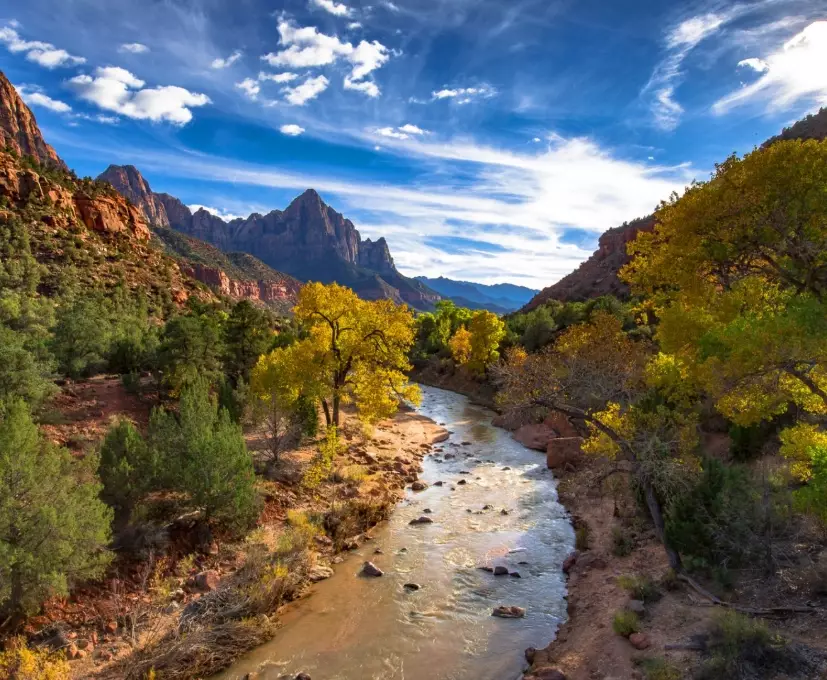
Where to Stay and Eat Near the Parks
Booking accommodations is a competitive sport. Do it months in advance, especially for spring and fall.
Moab (for Arches/Canyonlands): A bustling adventure town. Hotels fill fast. Consider camping at one of the many BLM sites (first-come, first-served, arrive early). For a treat, the Glorieta is a fantastic new food truck park. Love Muffin is the spot for breakfast and coffee.
Springdale (for Zion): Walkable town right at the park entrance. The Zion Canyon Brew Pub has decent food and great post-hike vibes. Cafe Soleil does good wraps and coffee. Lodging is expensive—look at nearby Hurricane or St. George for more options.
Bryce Canyon City/Tropic: Small towns right near the park. The Pizza Place in Tropic is surprisingly good. For a unique stay, check out the cabins at Bryce Canyon Log Cabins.
Torrey (for Capitol Reef): A small, charming town. Hell's Backbone Grill is a destination restaurant with a James Beard-nominated chef—book well ahead. Rim Rock Restaurant also has solid food and epic views.
Expert Tips for a Better Trip (Avoid the Crowds)
Here’s the stuff you won't find on every generic listicle.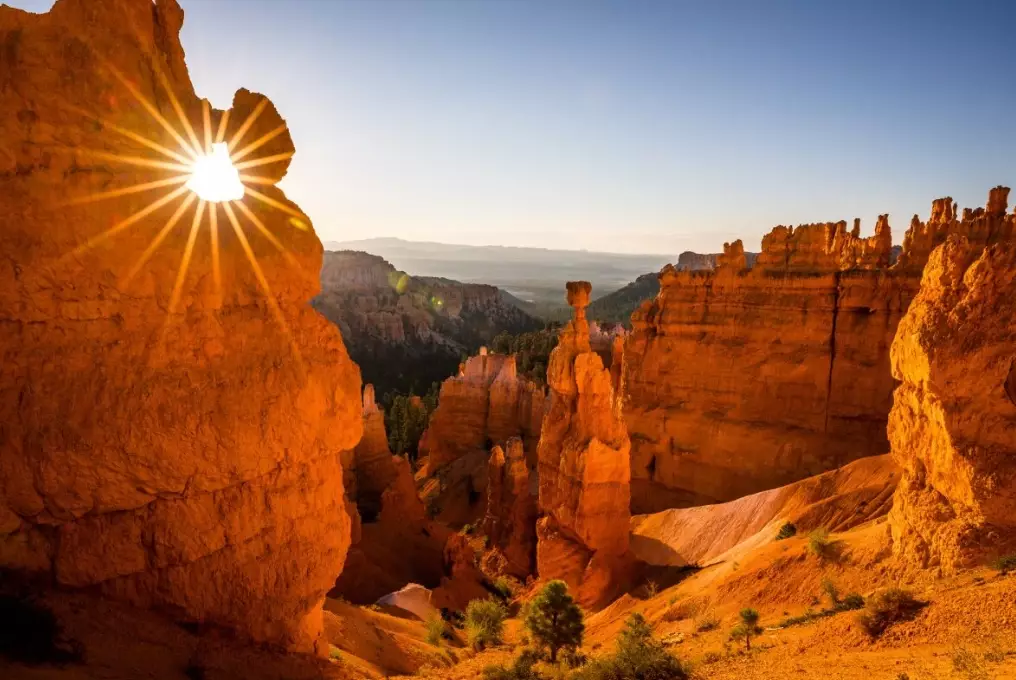
Embrace the Shoulder Seasons. April-May and September-October are golden. The summer heat in Moab and Zion is brutal (100°F+), and the parks feel like theme parks. Winter is cold but stunning at Bryce and Arches, with few people.
Start Your Day at Dawn. This is non-negotiable. Not only do you get the best light for photos, but you'll have the trails to yourself for a precious hour or two. By 10 am, the parking lots at Zion's Angels Landing trailhead or Arches' Delicate Arch are full. I'm talking 5:30 am alarm clocks. It's worth it.
Get Wet in The Narrows, But Do It Right. Renting the proper gear from an outfitter in Springdale (neoprene socks, canyoneering shoes, and a walking stick) is worth every penny, even in summer. The water is cold year-round. Check the NPS website for flash flood risk—never enter if there's rain in the forecast.
Skip the Crowd, Find the Solitude. In Zion, everyone heads to Angels Landing. Try the West Rim Trail to Cabin Spring instead—similar views, maybe 5% of the people. In Canyonlands, everyone stops at Mesa Arch (it's great, go at sunrise). Then drive 40 more minutes to Grand View Point and walk the rim. You might have it all to yourself.
My biggest piece of advice? Don't try to tick off every famous hike. Pick one or two per park that speak to you, and leave time to just sit on a rock and watch the light change. That's where the magic happens.
Your Utah National Parks Questions Answered
 How many days do I need to see all five Utah national parks?
There you have it. Utah's Mighty 5 aren't just a checklist; they're an invitation to explore some of the most dramatic landscapes on the planet. With a bit of planning, flexibility, and an early alarm clock, you can have an adventure that feels entirely your own. Now go book those permits.
Reader Comments