Let's be honest. When you think of visiting the Grand Canyon, your mind probably jumps to the South Rim with its shuttle buses, packed viewpoints, and that general national park hustle. What if I told you there's another way? A route that leads you through the high desert of Arizona to a small, unassuming town called Peach Springs, the official gateway to Grand Canyon West and the heart of the Hualapai Tribe. This isn't just a pit stop for gas. It's a destination that offers a raw, less commercialized, and deeply cultural approach to one of the world's natural wonders. I've made the drive from Kingman more times than I can count, and every time, the moment you turn off Route 66 onto Diamond Bar Road, you feel the shift. The crowds vanish, the landscape opens up, and the real adventure begins.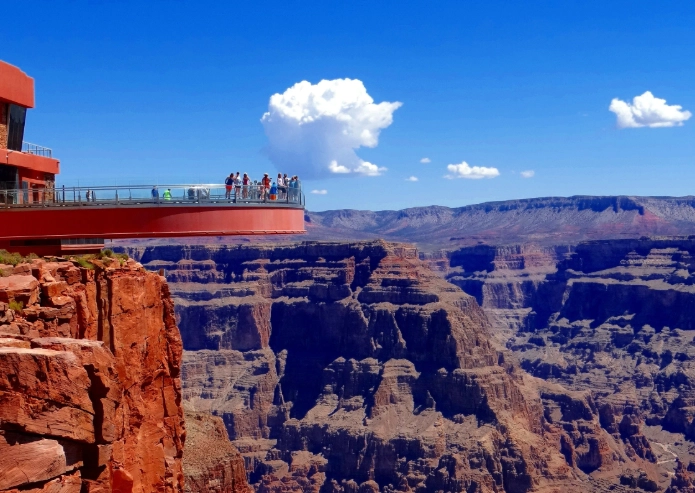
In This Article:
Why Peach Springs is the Secret Backdoor to the Grand Canyon
Peach Springs isn't trying to be Sedona or Flagstaff. It's a working community, the capital of the Hualapai Indian Reservation. Its primary role for visitors is as the launching pad for trips to Grand Canyon West, which is managed by the Hualapai Tribe, not the National Park Service. This distinction is crucial. It means a different experience, different rules, and a direct connection to the people who have called this land home for centuries.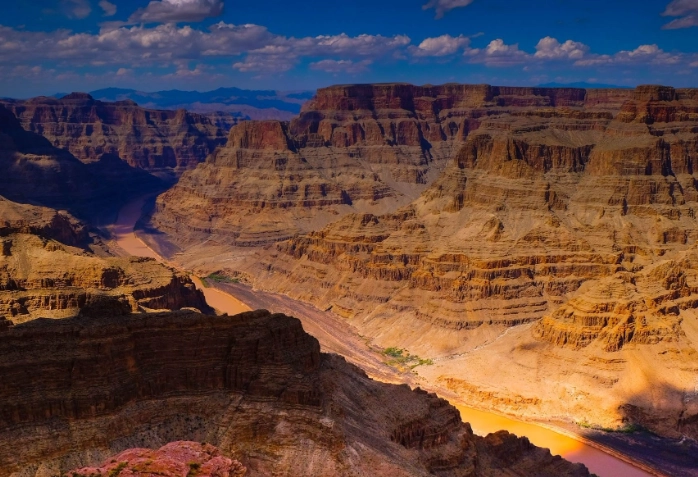
The most common mistake first-timers make is underestimating the distance and the commitment. You don't just "pop over" to the Grand Canyon from Peach Springs. The town itself is about 60 miles east of the canyon rim down a long, scenic, and mostly paved road (Diamond Bar Road). You must check in at the Grand Canyon West Welcome Center in Peach Springs before proceeding. No exceptions. Think of it less as a bureaucratic hurdle and more as getting your passport stamped for another country—because in many ways, you are.
A Quick Reality Check
Peach Springs is remote. Cell service is spotty. Gas stations are few and far between. Fill up in Kingman or Seligman on historic Route 66 before you arrive. The nearest major hospital is over an hour away. This isn't meant to scare you off—it's the appeal. It's about preparation and respecting the scale of the Arizona desert.
Exploring Grand Canyon West: Beyond the Skywalk
Grand Canyon West is the main event for most visitors coming through Peach Springs. It's home to the famous Grand Canyon Skywalk, that glass bridge that juts out over the abyss. But if you only do the Skywalk, you're missing 80% of what makes this place special.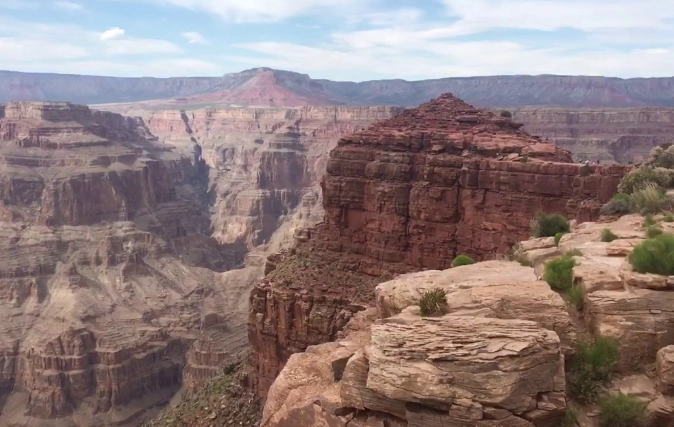
Must-See Spots at Grand Canyon West
Eagle Point: This is where the Skywalk is located. The point itself is named for its resemblance to a soaring eagle. Even if you skip the Skywalk (it's an extra fee and you can't take your own camera on it), the views from the rim here are staggering. The cultural demonstrations by Hualapai tribal members here are often overlooked. Watch a traditional dance, see intricate beadwork—it adds layers to the scenery.
Guano Point: My personal favorite. You take a short shuttle from the main area. The path leads you out to a dramatic, narrow peninsula of rock surrounded by the canyon on three sides. You can walk right to the edge (carefully!) for 360-degree views. There's a rustic snack bar here with arguably the best view from any picnic table in Arizona. The hike around the point is short but rugged—wear good shoes.
Hualapai Ranch: Designed like an Old West town, this is geared more toward families. You can do horseback rides, watch stunt shows, and play some games. It's a bit kitschy, but a fun contrast to the solemnity of the canyon views.
Tickets, Tours, and That Infamous Skywalk
You cannot just drive up and explore freely. Access is strictly controlled via tour packages purchased at the Peach Springs Welcome Center or online in advance. Booking online is strongly recommended, especially for weekends.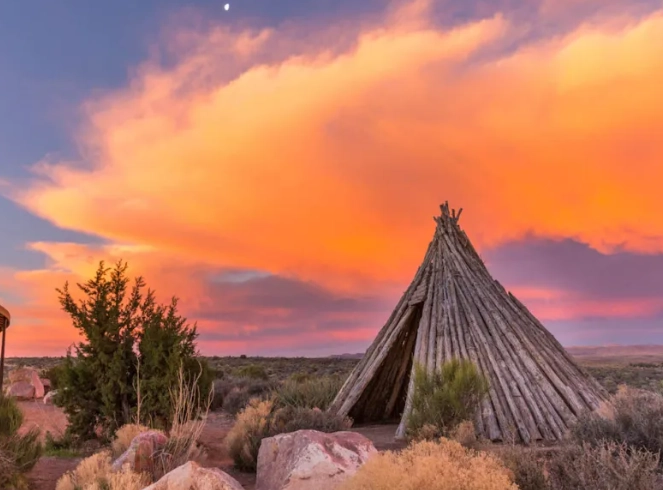
The base package is usually the "Indian Village & Eagle Point" tour, which includes shuttle access to Eagle Point and the Guano Point area. The Skywalk is always an add-on. Prices change, but expect the base tour to start around $50 per person, with the Skywalk adding another $25 or so.
Here’s a breakdown of what you need to know:
| Feature | What You Get | Pro Tip / Watchout |
|---|---|---|
| Base Tour Package | Shuttle to Eagle Point & Guano Point, access to Hualapai Ranch, visit to the Indian Village. | This is the minimum you need. Gives you the core rim experience. |
| Skywalk Add-On | Walk on the glass bridge. They provide shoe covers. No personal phones/cameras allowed. | Professional photos are expensive. The view is incredible, but it's a quick experience. Not for the severely acrophobic. |
| Helicopter/Boat Tours | Add a flight into the canyon or a boat ride on the Colorado River from the base. | Pricey but unforgettable. The helicopter gives perspective you can't get any other way. |
| Operating Hours | Typically 8:00 AM to 6:00 PM, but varies seasonally. Last entry is often around 3:30 PM. | Check the official Hualapai Tribe tourism website for current hours before you go. |
The drive from the Peach Springs checkpoint to the first canyon viewpoint is about an hour. The shuttles between points within the park are included. Plan for a full day if you're doing Grand Canyon West justice. Most people need 5-7 hours.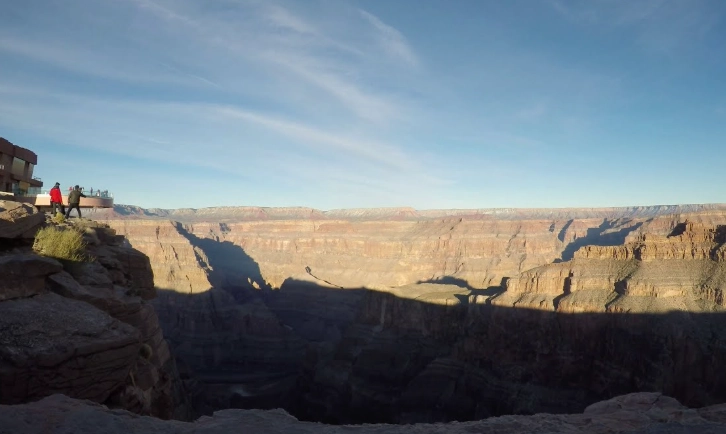
What to Do in Peach Springs: Culture & Hikes
If you have time, don't just blow through the town. There are a couple of gems worth your attention.
The Hualapai Cultural Center: Located right at the Peach Springs Welcome Center complex. It's small but packed with information. You'll see historical artifacts, learn about the Hualapai language, and understand the tribe's deep connection to the Colorado River and the canyon. It provides essential context that makes your visit to their land more meaningful.
Hiking Diamond Creek Road: This is the insider tip. With a permit from the Hualapai Tribe (inquire at the Welcome Center), you can drive your own high-clearance vehicle down Diamond Creek Road. It's the only place where a road reaches the bottom of the Grand Canyon to meet the Colorado River. It's a rough, slow drive, but you're essentially driving into the canyon. You'll see dramatic rock walls, possibly wild horses, and end up at a beach on the river. It's an adventure few Grand Canyon visitors ever experience.
Planning Your Trip: Logistics You Can't Ignore
Let's get practical. How do you actually make this happen?
Getting There: Peach Springs is on historic Route 66, about 60 miles northeast of Kingman, AZ, and 100 miles south of Las Vegas, NV. From Las Vegas, it's about a 2.5-hour drive. From Phoenix, it's closer to 4 hours. The final stretch into Peach Springs on I-40 feels like you're in the middle of nowhere—because you are.
The Road to the Canyon: After checking in at Peach Springs, you'll drive Diamond Bar Road for about 21 miles to the Grand Canyon West Airport area, then another 14 miles on a rougher, graded dirt road to the actual rim attractions. The roads are maintained, but they are bumpy. Sedans can make it if driven carefully, but an SUV is more comfortable. Don't speed—dust and surprises around corners are real.
When to Go: Spring (March-May) and Fall (September-November) are ideal. Summers are brutally hot, often over 100°F. Winters can be cold and windy at the rim, and ice can occasionally be a concern on the roads. Summer also brings monsoon thunderstorms, which can be dramatic but may cause flash flooding and road closures.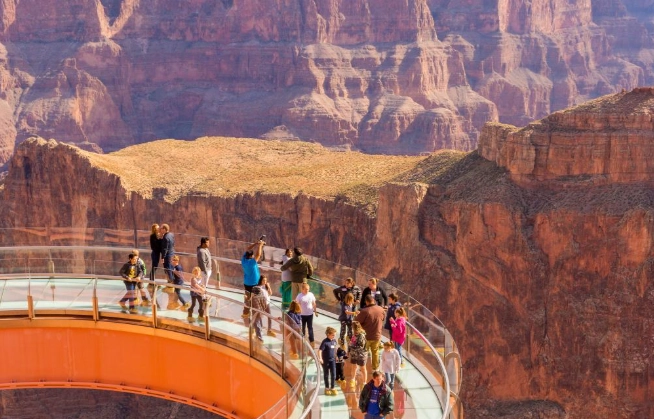
Where to Crash and Grab a Bite
Options are limited. That's part of the charm (and the challenge).
Hualapai Lodge: This is your main—and really, your best—option in Peach Springs. It's owned and operated by the tribe. The rooms are clean, modern, and comfortable. It has a pool, a decent restaurant (the Diamond Creek Restaurant), and a small gift shop. It's not a luxury resort, but it's perfect for what you need. Rates are usually reasonable, around $120-$180 per night. Address: 900 Route 66, Peach Springs, AZ 86434. Book directly through the Hualapai Tribe's tourism site.
Food: Beyond the lodge restaurant, your choices are slim. The lodge restaurant serves standard American fare—burgers, sandwiches, steaks. Portions are hearty. There's a small convenience store for snacks and drinks. My advice? Pack some snacks and water for your day at the canyon. The food options at Guano Point and Eagle Point are basic (hot dogs, chips).
Many people choose to stay in Kingman or even Las Vegas and do a very long day trip. That's possible, but it makes for a grueling 12+ hour day. Staying at the Hualapai Lodge lets you start early, beat some of the day-trip crowds from Vegas, and experience the quiet of the desert night.
Your Burning Questions, Answered
Peach Springs, Arizona, defies easy categorization. It's a town, a gateway, and a cultural touchstone. It asks for a bit more effort from its visitors—a longer drive, more advance planning, a willingness to step off the well-trodden tourist path. In return, it offers a slice of the Grand Canyon that feels more personal, more connected to the land's original stewards, and far from the maddening crowds. It's not for everyone, but for the right traveler, it's the only way to see the canyon.
Reader Comments