Let's be honest. When you think of Arizona's epic landscapes, your mind goes straight to the Grand Canyon's South Rim. The parking lots, the shuttle buses, the crowds jostling for a spot at Mather Point. It's magnificent, sure. But about 50 miles to the east, down a dirt road that feels a world away, there's a viewpoint that delivers a different kind of awe. The Little Colorado River Gorge Overlook isn't just a stop on the map; it's a raw, unfiltered encounter with the Colorado Plateau's power, famous for its startlingly vivid turquoise waters cutting through deep red rock.
I've guided trips out here for years, and I still catch my breath every time I walk to the edge. This guide isn't just a list of facts. It's everything I tell my friends before they go: how to find it, when to beat the tour buses, and the one safety rule you absolutely cannot ignore.
Your Quick Guide to the Overlook
What Exactly Is the Little Colorado River Gorge Overlook?
This isn't part of Grand Canyon National Park. It's on Navajo Nation land, where the Little Colorado River—a major tributary—has carved its own spectacular canyon before merging with the main Colorado. The overlook sits right where this smaller gorge dramatically meets the bigger one.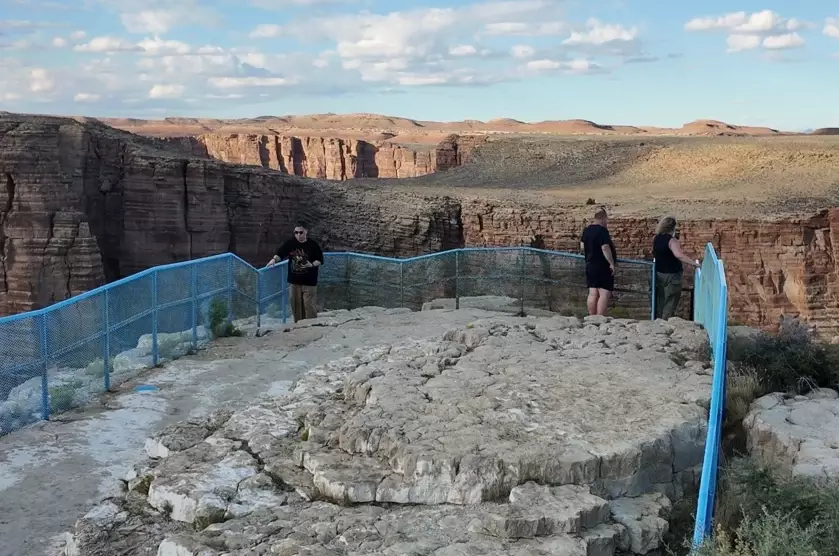
The magic is in the contrast. The cliffs are the classic, layered reds and oranges of the desert. But far below, the river often shines a surreal, milky blue-green. That color comes from dissolved minerals, primarily calcium carbonate, picked up as the water flows through limestone. The intensity changes with the season and water flow. After rains or snowmelt, it can be a raging, muddy brown. In drier periods, especially late summer and fall, the water slows, the minerals precipitate, and that iconic turquoise glow appears. It's nature's mood ring.
What you won't find here are guardrails, gift shops, or paved paths. The viewing area is essentially the canyon's rim. It's untamed. That's its appeal and its primary danger.
How to Get There: The Navigation Lowdown
Getting lost is the number one rookie mistake. GPS can be unreliable. Here’s the foolproof method.
The Official Address/Nearest Landmark: The turn-off is on Highway 64, roughly midway between Cameron, AZ (to the east) and the Grand Canyon's East Entrance (Desert View) to the west. Look for Navajo Route 6480. There's a small, easy-to-miss sign that says "Little Colorado River Gorge."
Pro-Tip from a Guide: If you're coming from Flagstaff via Cameron, set your GPS to "Cameron, AZ." Once in Cameron, head west on Highway 64 toward the Grand Canyon. Drive for about 25-30 minutes. Start looking for the sign on your LEFT. If you hit the Grand Canyon East Entrance station, you've gone about 5 miles too far.
The Final Stretch: The Dirt Road
Navajo Route 6480 is a graded dirt and gravel road. It's about 5 miles long to the parking area. In dry weather, any standard passenger car can handle it if you drive slowly (15-20 mph). The washboards and potholes will test your suspension, but it's passable.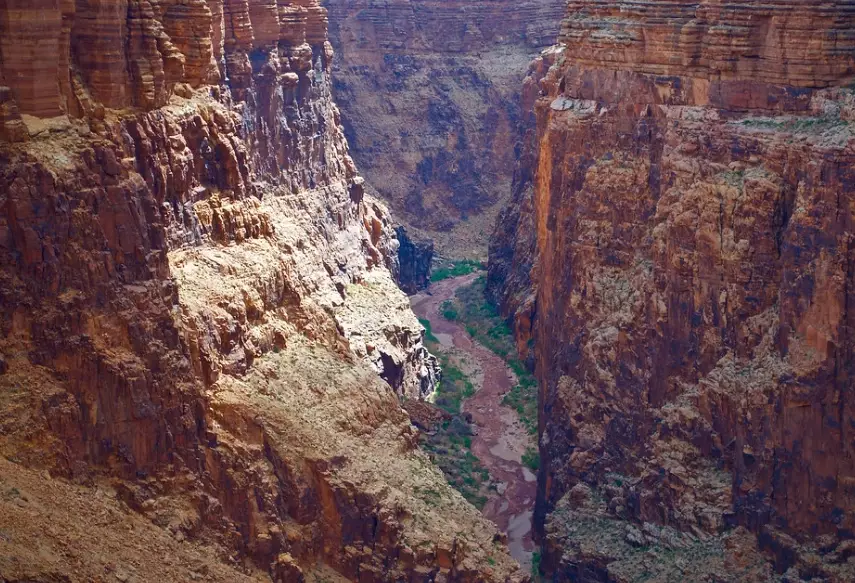
After a rain or snow? Different story. The clay can turn to slick, tire-sucking mud. If storms are in the forecast, call the Navajo Parks & Recreation Department to check road conditions. A high-clearance vehicle is strongly recommended in uncertain weather.
The road ends at a simple dirt parking lot. From there, it's a short, flat walk to the rim.
Best Time to Visit & Photography Secrets
Timing is everything for the view and your sanity.
For the Best Light & Fewest People: Be there for sunrise. The morning sun illuminates the canyon walls from the east, creating deep shadows and brilliant highlights. You'll likely have the place to yourself. Midday sun flattens the landscape. Late afternoon is also beautiful, but it's the most popular time for tour groups coming from the Grand Canyon.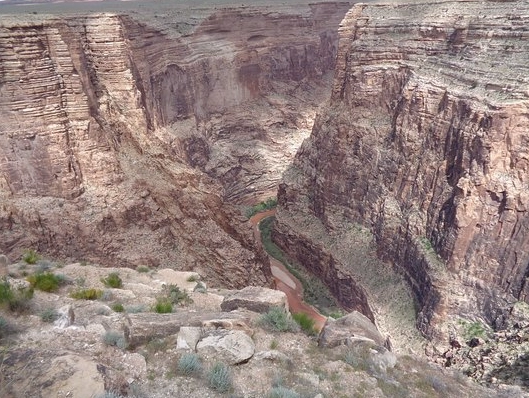
For the Turquoise Water: Aim for late summer (August-October). Spring runoff often means higher, muddier water. I've seen the most intense colors on calm, sunny days in September.
Photography Tips Beyond the Obvious:
- Lens: A wide-angle (16-35mm) captures the vastness. A telephoto (70-200mm or longer) is essential to zoom in on the river's color details and the intricate canyon walls.
- Polarizing Filter: This is non-negotiable. It cuts the desert haze, deepens the blue sky, and, most importantly, cuts the glare off the water's surface to reveal that stunning turquoise underneath.
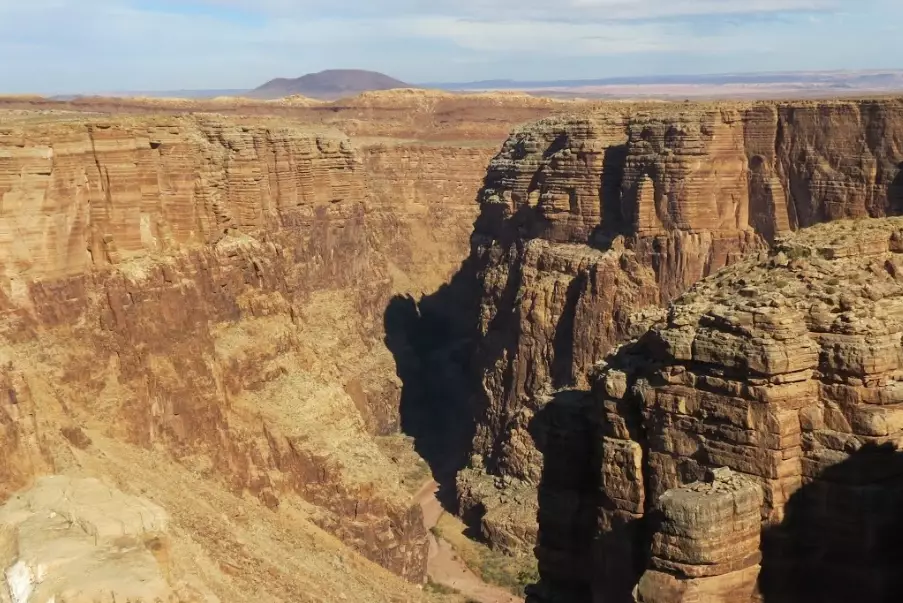
- Composition: Don't just shoot the void. Use the textured, layered rocks in the foreground to create depth. Look for patterns in the cliff walls.
Practical Info: What You Need to Know
This isn't a National Park Service operation. It's managed by the Navajo Nation. The rules and amenities are different.
| Item | Details |
|---|---|
| Entrance Fee | Yes. As of my last visit, it was $8 per person (ages 7+). Cash is preferred, though some vendors may accept cards. The fee is paid at a small booth run by local Navajo vendors near the parking area. |
| Opening Hours | Typically sunrise to sunset, daily. Hours can vary seasonally and are at the discretion of the local vendors. |
| Facilities | There are no restrooms at the overlook itself. Portable toilets are sometimes available near the parking/vendor area, but don't count on it. The last reliable public restrooms are in Cameron or at the Grand Canyon's Desert View. |
| Vendors | Local Navajo artisans often set up stalls selling beautiful handmade jewelry, crafts, and sometimes snacks/water. Supporting them is a great way to contribute directly to the community. |
| Pets | Not recommended. The rim is completely open and unsafe for animals. Leave pets in a cool, safe vehicle if you must bring them. |
Safety First: The Non-Negotiables
This is the most important section. The overlook has no barriers. The rock can be crumbly and unstable.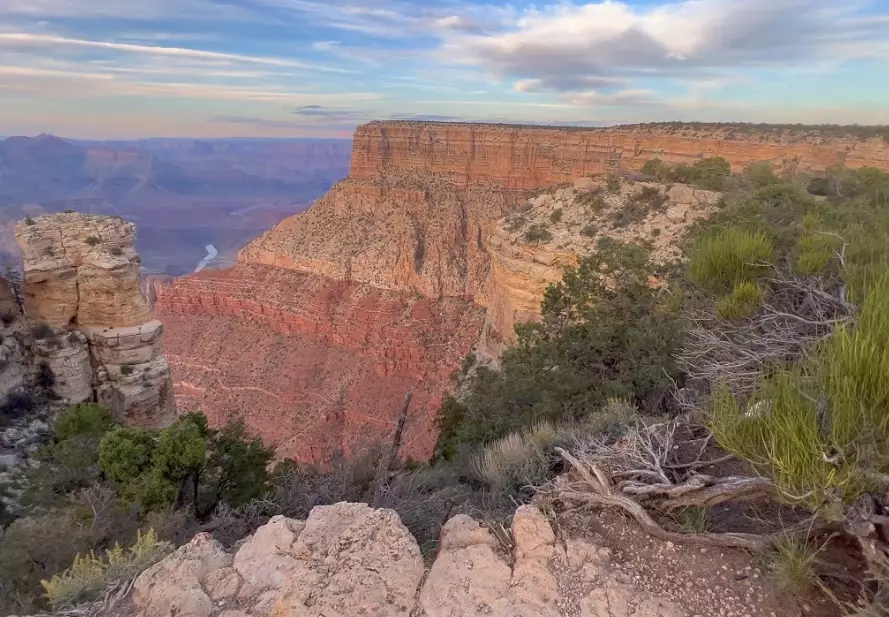
The 6-Foot Rule: I tell every single visitor this. Stay at least 6 feet back from the edge. No exceptions. Wind gusts are common and unpredictable. One misstep is all it takes. Do not climb over rocks to get a "better" view. The photo is not worth it.
Watch Children Like a Hawk: Hold their hands. This is not a playground.
Weather: The rim is exposed. Summer brings intense sun and heat with zero shade. Wear a hat, sunscreen, and bring more water than you think you need. Afternoon thunderstorms (July-Sept) can bring lightning—you are the highest point. If you hear thunder, head back to your car immediately.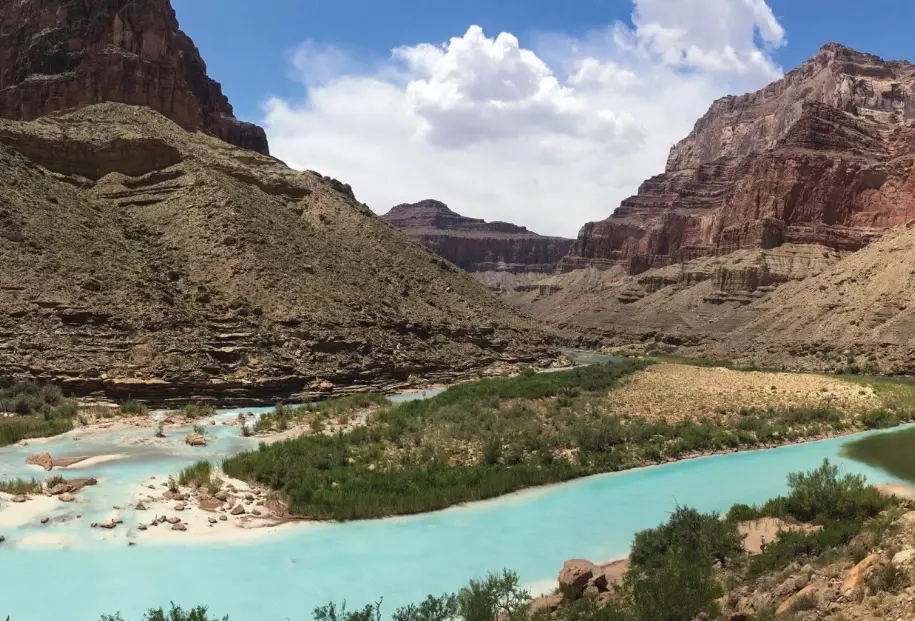
Your Questions, Answered (By a Local)
Is the Little Colorado River Gorge Overlook worth it if I'm short on time at the Grand Canyon?
It depends on your tolerance for driving. The detour from the main Grand Canyon tourist circuit (South Rim villages) adds about 2.5-3 hours round-trip with viewing time. If you only have one day at the South Rim, I'd prioritize the main park sights. But if you're driving between Page (Antelope Canyon) and the Grand Canyon, or you have an extra half-day and want a more rugged, solitary experience, it's absolutely worth it. It feels more "discovered" than "developed."
What's the biggest mistake people make when driving from Flagstaff?
Relying solely on GPS and missing the turn-off. Highway 64 is a beautiful, fast road, and that small sign for Navajo 6480 comes up quickly. Set your odometer from Cameron. Also, not filling the gas tank in Cameron. It's the last reliable station for miles in either direction.
Can you hike down to the river from this overlook?
No. There is no maintained or safe trail from this specific overlook down to the river. The walls are sheer and dangerous. Access to the river is highly restricted and usually requires a guided tour (like a rafting trip) or special permit from the Navajo Nation for specific areas far from here. Respect the signs and closures.
We're visiting in winter. Is the road still accessible?
It can be, but it's a gamble. The dirt road does not get plowed. If there's snow or ice on the ground in the high desert (above 5,000 ft), the road will likely be impassable for standard cars. Always check conditions locally in Cameron before attempting the drive. The view with a dusting of snow is magical, but only if you can get there safely in a 4x4.
Where's the closest place to eat or get supplies?
Cameron is your hub. It has a trading post with a decent restaurant, a small grocery, and the gas station. The Grand Canyon's Desert View Watchtower (about 30 minutes west) has a small snack bar and gift shop. Packing snacks and plenty of water from Cameron is your best bet.
The Little Colorado River Gorge Overlook offers a jolt of pure, unmediated desert grandeur. It asks a little more effort from you—a bumpy road, a keen eye for safety, a respect for the land and its people. In return, it gives you a memory that feels uniquely your own, far from the crowded overlooks. Just remember the 6-foot rule, bring cash and water, and let that turquoise ribbon in the canyon floor work its quiet magic.
Reader Comments