Quick Navigation
Let's cut to the chase, because I know that's why you're here. You've seen the pictures, those stunning aerial shots of trains looping around a perfect curve carved into the Pennsylvania mountainside. And the question pops into your head, a simple one really: Can you ride the Horseshoe Curve?
I had the exact same thought before my first visit. I imagined boarding a vintage passenger car and slowly chugging around that iconic bend, watching the world pivot below. It's a romantic idea, straight out of a travel magazine. Well, I'm here to give you the straight answer, and then dive into everything else you actually can do, which is, honestly, way more than you might think.
The Short Answer: No, you cannot ride a train on the active Horseshoe Curve as a regular passenger service. The tracks are strictly for freight and some Amtrak trains that don't stop there. But hold on—don't click away! The real experience of visiting and “riding” the curve in spirit is absolutely worth your time, and there are some fascinating alternatives that get you close to that dream.
See, the Curve isn't just a piece of track; it's a living museum of American railroading. Built in 1854 by the Pennsylvania Railroad to conquer the Allegheny Mountains, it's a National Historic Landmark and a Civil Engineering Landmark. It solved a huge problem—how to get trains up a steep grade—by creating a 1,800-foot, 220-degree turn that gains altitude gently. Up to 70 freight trains still use it every day. That's the magic. You're not visiting a static relic; you're watching the backbone of the national economy in action.
So, How DO You Experience the Horseshoe Curve?
Since you can't ride the Horseshoe Curve itself, the next best thing is mastering the art of visiting it. The main hub is the Horseshoe Curve National Historic Landmark, operated by the Railroaders Memorial Museum in Altoona. This is your mission control.
The centerpiece is the funicular incline railway. For a small fee, it hauls you from the visitor center parking lot up the steep hill to the famous overlook. This little ride is part of the fun—it feels like you're being transported to a secret vantage point. And then you step out.
The view. It's everything. You're standing on a massive observation deck looking right down the spine of the curve. You can see the entire magnificent loop. The first time a double-stacked container train, over a mile long, slowly groans its way around the bend below you, it's humbling. The sound, the sheer scale—photos don't do it justice. You'll find yourself asking again, but in a different way, “Can you ride the Horseshoe Curve?” while watching those engineers do exactly that.
Visitor Tip: Bring a radio! Tune a handheld scanner to 161.100 MHz (the railroad's radio frequency for that section). Listening to the engineers and dispatchers talk as you watch the trains navigate the curve adds a whole new layer of understanding to the operation. It turns a viewing session into a live-action drama.
What's at the Visitor Center & Overlook?
The visitor center itself is smaller than some expect, but it's packed with good context. You'll find historical exhibits explaining the “why” and “how” of the Curve's construction—the backbreaking labor, the engineering ingenuity. There's a gift shop for the obligatory souvenir (I'm a sucker for a good patch). But let's be real, you're here for the outdoor deck.
The overlook has multiple levels. There are picnic tables (bring lunch!), informational plaques, and plenty of space for tripods. The best part? It's not a rushed experience. You can stay as long as you like, watching train after train. The rhythm is unpredictable but constant. Sometimes you wait 20 minutes, sometimes three trains appear in succession. It's a lesson in patience that rewards you with raw industrial power.
Alternative Ways to “Ride” Near the Horseshoe Curve
Okay, so you can't ride the main line curve. But central Pennsylvania is railfan heaven, and there are ways to get on a train in the area that capture the same spirit.
The most famous is the Everett Railroad, based in nearby Hollidaysburg. They offer seasonal excursion rides on vintage diesel and steam locomotives through the scenic countryside. While their tracks don't go over the Horseshoe Curve itself (different railroad), the vibe is perfect. The click-clack on the rails, the whistle blowing—it satisfies that core desire to be on a moving train. Check their schedule for themed rides like fall foliage trips or pizza trains.
Another fantastic option is the Strasburg Rail Road over in Lancaster County. It's a bit of a drive (about two hours), but it's America's oldest operating railroad. Their steam-powered excursions are impeccably run through beautiful Amish farm country. For a deep dive into historic railroading, it's a perfect complement to the Horseshoe Curve's modern-day spectacle.
And then there's Amtrak. The Amtrak Pennsylvanian route (between Pittsburgh and New York) actually does travel over the Horseshoe Curve! Here's the catch: the train doesn't stop there, and as a passenger, your view can be somewhat obscured. You'll be sitting in a modern Amtrak car, whizzing through the curve in about 60 seconds. You might get a decent look out the window if you're on the correct side (south side, facing west, is generally better). It's not the grand, elevated view from the overlook, but you can technically say you've been on a train that traversed it. It's a fun bit of trivia more than a primary viewing method.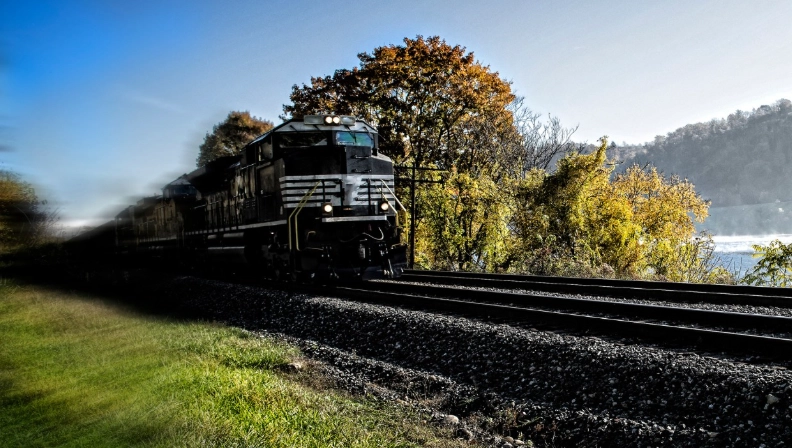
| Experience | What It Is | Proximity to Curve | Best For |
|---|---|---|---|
| Horseshoe Curve Overlook | Funicular ride to observation deck | ON the Curve (viewing) | Spectacular photos, watching heavy freight action |
| Amtrak Pennsylvanian | Modern passenger train on the main line | GOES OVER the Curve (riding) | Saying you did it, a quick transit view |
| Everett Railroad | Vintage excursion train on a branch line | NEAR the Curve (same region) | Nostalgic train ride experience, family fun |
| Hiking/Biking the Path | Altoona Railbed Trail (Kittanning Point) | ABOVE the Curve (looking down) | Free alternative view, exercise, different perspective |
Planning Your Visit: The Nitty-Gritty Details
Let's get practical. You want to know if you can ride the Horseshoe Curve, but you also need to know how to plan the trip that answers that question.
Getting There & Parking
The address is 2400 Veterans Memorial Hwy, Altoona, PA. It's well-signed. Parking is ample and free. From the lot, you'll see the visitor center and the base of the incline railway. It's all very straightforward. No tricky logistics here.
Hours and Admission
This is crucial: check the official website before you go. Hours are seasonal. Generally, it's open daily from late spring through fall, and weekends only in the shoulder seasons. It's closed in the heart of winter. Admission covers the funicular ride up and down and access to the visitor center exhibits. Prices are reasonable—think movie ticket price, not theme park.
I made the mistake once of not checking. Drove two hours on a Tuesday in April only to find the gates locked. A rookie move. Don't be me.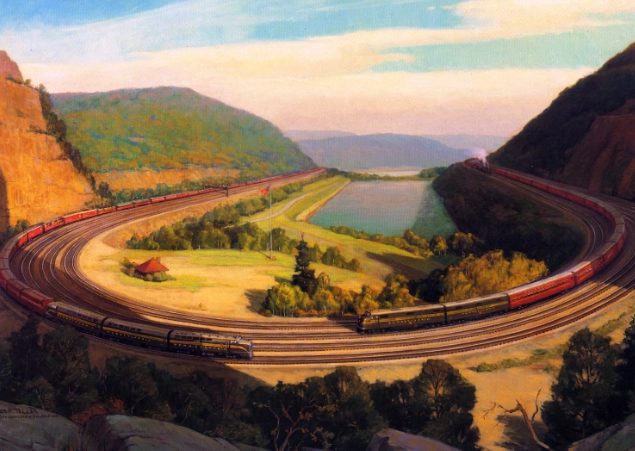
When to Go for the Best Experience
Train schedules are unpredictable, but some times are better than others.
- Weekdays: Typically more freight traffic, as that's the core of the business.
- Late Morning to Afternoon: Seems to be a reliable time for consistent action.
- Weather: A clear day is obviously best for photos and views. But don't discount a moody, foggy day—it adds incredible atmosphere to the industrial scene.
- Special Events: The museum sometimes hosts “Railfan Days” with extra activities, vendors, and sometimes even equipment on display. Worth aligning your trip if possible.
Packing List Essentials: Binoculars, a radio scanner, a camera with a zoom lens, sunscreen/hat (the deck has little shade), water, snacks, and patience. Dress in layers—it can be windy and cooler up on the hill.
Beyond the Curve: Other Rail Attractions in Altoona
If you're making the trip, Altoona is your basecamp. The Railroaders Memorial Museum downtown is an absolute must-do companion visit. It's housed in the former Altoona Works machine shop, a historic building itself. Their collection of locomotives and artifacts tells the human story of the railroad—the engineers, conductors, and shop workers. It provides the crucial context that makes seeing the Curve more meaningful. You can spend hours there. Their website, railroadcity.com, has the latest info.
For a unique and free perspective, seek out the Altoona Railbed Trail access point near Kittanning Point. It's a paved trail on the old railbed that goes through a tunnel and offers a high, panoramic view down onto the Curve from the opposite side of the valley. It's a different angle altogether and a great option for hikers or bikers. You can find more details and trail maps through the official Pennsylvania Department of Conservation and Natural Resources site.
And if you're into engineering history, the entire area is dotted with remnants of the old Allegheny Portage Railroad, the system the Horseshoe Curve replaced. The National Park Service site for Allegheny Portage Railroad NHS has great background.
Your Questions, Answered (The Real FAQs)
Let's tackle the stuff you're actually typing into Google.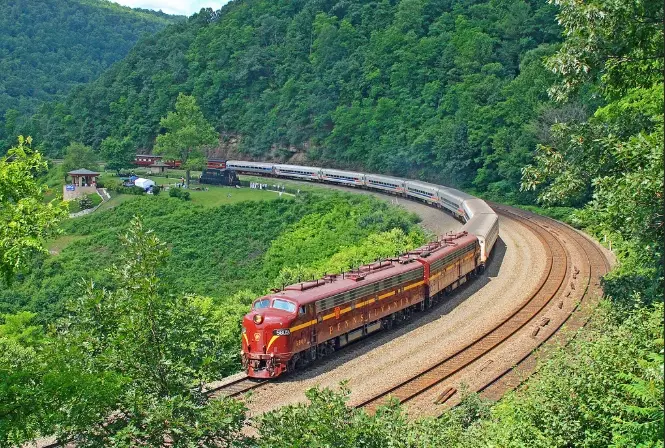
Yes, but it's not a dedicated experience. The Amtrak Pennsylvanian service uses the tracks and goes around the curve. However, the train doesn't stop, the view from a passenger window is brief and often partially blocked, and you're traveling at track speed. It's a cool fact for train buffs, but it's not a substitute for visiting the overlook to truly see and appreciate the engineering. If you're taking the train between Pittsburgh and Harrisburg anyway, try to get a seat on the south side of the train for the best chance at a glimpse.
Absolutely, if you have any interest in trains, history, or American industry. It's not an amusement park; it's a place of awe. The sight of a massive modern freight train navigating a 19th-century solution is powerful. For railfans, it's pilgrimage-worthy. For families, it's educational and surprisingly engaging for kids who like big machines. For photographers, it's a dream. Just go with the right expectations: it's about observing, learning, and appreciating.
You cannot walk on or across the active tracks—that's extremely dangerous and illegal. The safe, official way to access the prime viewing area is by paying for the funicular ride at the landmark. However, as mentioned, the Altoona Railbed Trail offers a hiking/biking path with a distant, aerial view from the other side of the gorge for free.
Plan for at least 2-3 hours. This gives you time to see the visitor center exhibits, ride the incline, and spend a good chunk of time on the deck waiting for and watching multiple trains. If you're a serious photographer or railfan, you could easily spend half a day or more. Bring a chair if you want to settle in for the long haul.
Before it was built in 1854, crossing the Allegheny Mountains was a major bottleneck for rail travel and commerce. Trains had to be broken apart and hauled up steep inclines by cables, which was slow and inefficient. The Curve's graceful, 1.8-mile loop at a steady 1.8% grade allowed locomotives to pull their trains up the mountain continuously. It revolutionized east-west trade and cemented Philadelphia and Pittsburgh's importance. The American Society of Civil Engineers designated it a National Historic Civil Engineering Landmark, which you can read about on their official website to understand its significance from an engineering perspective.
The Final Verdict: Riding vs. Experiencing
So, back to the big question. Can you ride the Horseshoe Curve? In the literal sense of buying a ticket for a scenic loop-the-loop, no. That passenger service doesn't exist.
But.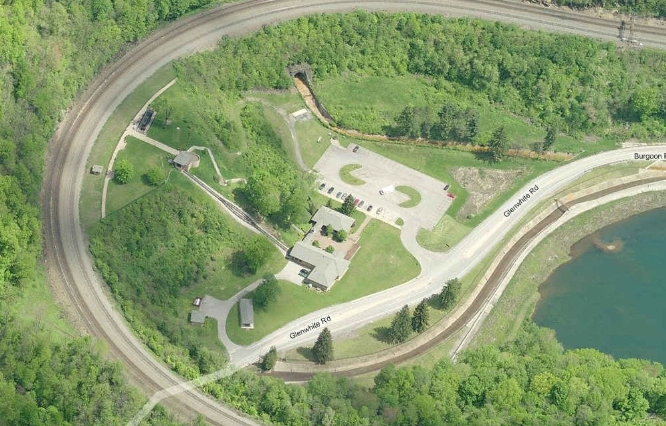
You can ride a funicular to stand above it. You can ride an Amtrak train over it in a blur. You can ride a historic train through the valleys that made it necessary. You can ride a bike on a trail that frames it perfectly.
More importantly, you can experience it. You can feel the ground vibrate under your feet as 20,000 tons of steel and cargo strains against the grade. You can understand a pivotal moment in American history. You can get that perfect shot.
The desire to ride the Horseshoe Curve comes from a place of wanting to connect with something monumental. And you absolutely can. You just connect with it from the observation deck, camera in hand, watching the endless parade of modern freight do the hard work, just as trains have done for over 160 years. That's the real ride. And it's waiting for you in Altoona.
Reader Comments