Let's cut to the chase. You've seen the photos—towers of crimson rock against an impossibly blue Arizona sky. You've heard about the "vortexes." You're thinking about a trip to Sedona. Good choice. But most guides just scratch the surface, listing the same five hikes. After more trips there than I can count, I've learned that to really get Sedona, you need to understand its rhythm, its quiet moments, and its very real logistical quirks. This isn't just a list of places; it's your playbook for navigating the magic and the crowds of one of America's most stunning natural escapes.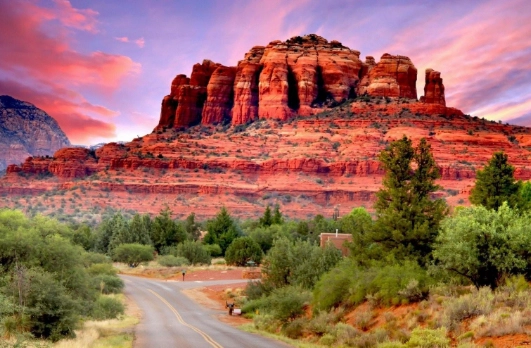
Your Sedona Adventure at a Glance
What You Absolutely Can't Miss in Sedona
Sedona's beauty is vast, but your time isn't. Focus on these core experiences that define the area. A common mistake? Trying to do them all in one afternoon. The traffic on State Route 89A through Uptown is no joke.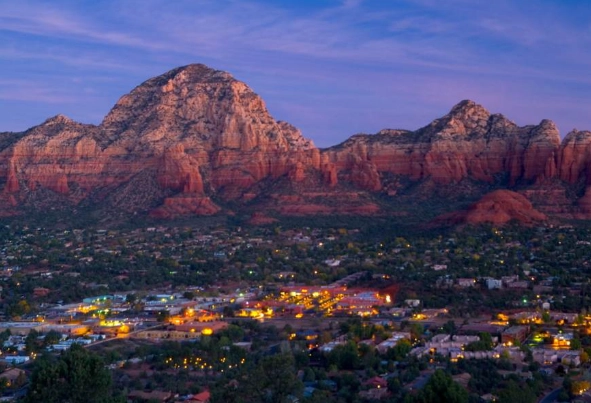
The Iconic Viewpoints (Easy Access)
These require little to no hiking but deliver maximum impact. Perfect for sunrise, sunset, or if you have mobility concerns.
Airport Mesa: This is the postcard view. The "Airport Road" loop off SR 89A leads to a free parking area (spaces fill fast by 9 AM). The 360-degree view of Bell Rock, Courthouse Butte, and the entire valley is unmatched. No address needed—just follow the signs. Open 24/7, but parking is the real limitation.
Chapel of the Holy Cross: 780 Chapel Rd, Sedona, AZ 86336. More than a church, it's an architectural marvel built into the rocks. The view from the courtyard is breathtaking. It's free to visit (donations welcome), open 9 AM - 5 PM daily. Pro tip: Go right at opening or around 4 PM to avoid the tour bus crowds that clog the small parking lot mid-day.
The Signature Hikes (Moderate Effort)
You haven't really been to Sedona until you've walked among its rocks. These two are essentials.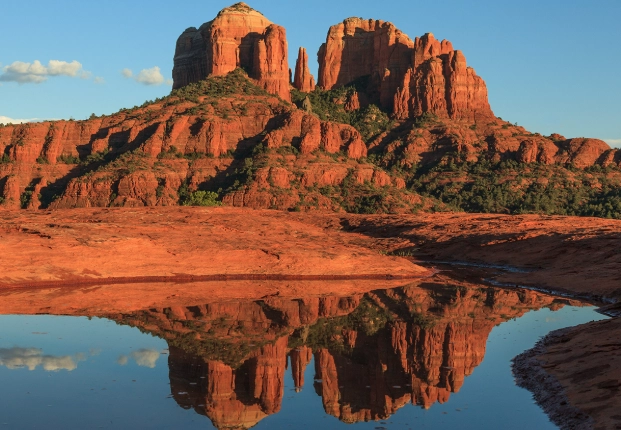
Cathedral Rock Trail: The vortex hike. It's short (about 1.2 miles round trip) but steep, involving some real rock scrambling. The trailhead (Back O' Beyond Rd) requires a Red Rock Pass ($5 daily). The payoff is a panoramic view from between the towering spires. Start early—I mean 7 AM early—unless you enjoy a conga line of hikers.
Devil's Bridge Trail: The largest natural sandstone arch in Sedona. The most popular access is via the Dry Creek Road trailhead (4x4 recommended for the last rough mile) or the longer, smoother Mescal Trailhead. The total hike is about 4.2 miles out-and-back. Getting a photo on the bridge involves a wait, sometimes over an hour at peak times. Go on a weekday, or embrace the wait as part of the social experience.
Red Rock Pass Note: You need a pass to park at most trailheads and national forest sites. A $5 daily pass works, but if you're staying 3+ days, the $15 weekly pass is a no-brainer. Buy them at self-service stations at trailheads or visitor centers. Don't get a ticket—they check frequently.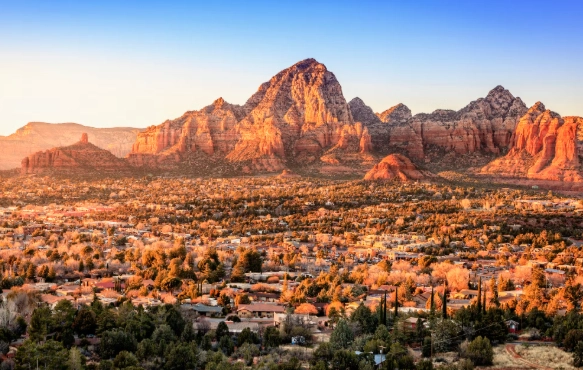
The Deeper Experience (Vortex Sites)
Whether you're a believer in energy or just a seeker of quiet places, the vortex sites are where Sedona feels different. They're not marked with neon signs; they're specific locations known for a palpable sense of peace.
Bell Rock Vortex: Easily accessible from the Bell Rock Pathway parking lot (SR 179, pass required). You can walk a flat path right to its base. It's known for masculine, energizing energy. I find it best at dawn when the light hits the rock and the crowds are still asleep.
Boynton Canyon Vortex: Access is via a moderate 6-mile round trip hike in the Enchantment Resort area. This vortex (a blend of masculine and feminine) is subtler, located in a side canyon about 2.5 miles in. The silence here, away from the main trail, is profound. It feels less like a tourist stop and more like a discovery.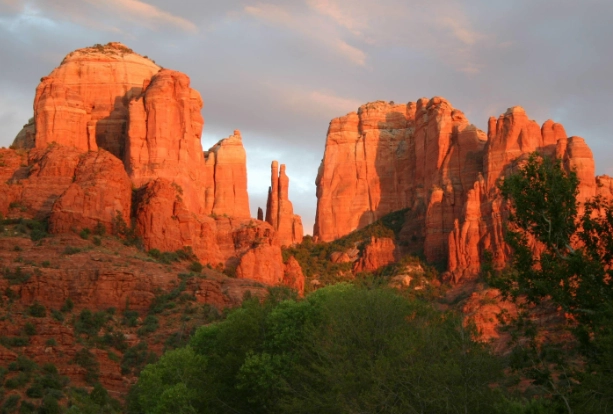
Building Your Perfect Sedona Itinerary
Here’s a realistic 3-day blueprint that balances activity, relaxation, and avoids burnout.
Day 1: Arrival & Red Rock Immersion
Morning: Drive into Sedona (if coming from Phoenix, stop at Montezuma Castle National Monument). Grab a Red Rock Pass.
Afternoon: Check in, then head straight to Cathedral Rock for that late afternoon light. If it's packed, opt for the Bell Rock loop instead.
Evening: Sunset at Airport Mesa. Dinner in West Sedona (less touristy than Uptown).
Day 2: Canyon Views & Spiritual Vibes
Morning: Sunrise hike to Devil's Bridge. Be on the trail by 7:30 AM to beat the heat and crowds.
Late Morning: Visit the Chapel of the Holy Cross.
Afternoon: Explore Boynton Canyon or take a guided jeep tour with a company like Pink Jeep Tours for off-road perspectives you can't get on foot.
Evening: Stroll Tlaquepaque Arts & Shopping Village—it's kitschy but beautifully built, good for an hour before dinner.
Day 3: Scenic Drive & Local Flavor
Morning: Drive the Red Rock Scenic Byway (SR 179) south, stopping at the official overlooks.
Late Morning: Short hike at Fay Canyon (shady, easy, features a hidden arch) or visit the Honanki Heritage Site (cliff dwellings, requires a dirt road drive).
Afternoon: Browse local art galleries in Uptown or treat yourself to a spa session—many hotels use local red clay in treatments.
Evening: Final dinner with a view.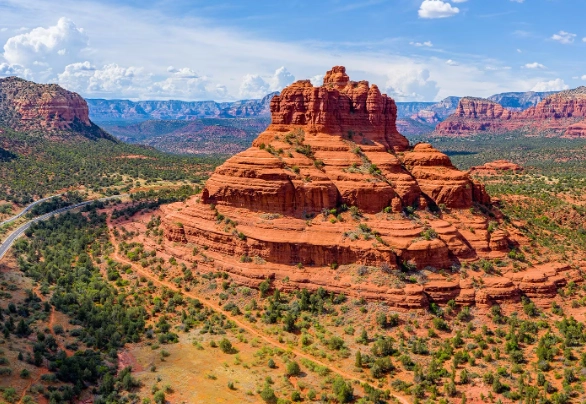
Where to Stay and Eat (Without the Guesswork)
Hotels: Views vs. Value
Sedona hotels are pricey. You're paying for the location.
For the Splurge (View is Everything):
Enchantment Resort (525 Boynton Canyon Rd): Nestled in its own canyon, it's a destination itself. Rooms start around $600+ per night. You're paying for seclusion and direct trail access.
Amara Resort & Spa (100 Amara Ln): Creek-side location with good views, a great pool, and walkable to Uptown. More central, prices around $400+.
For Better Value (Still Great Access):
Sky Ranch Lodge (1105 Airport Rd): Perched near Airport Mesa, many rooms have killer balconies. It's older but clean, and the view-to-price ratio is fantastic (~$250-$350). My go-to for a value stay with a wow factor.
Sedona Real Inn & Suites (95 Arroyo Pinon Dr): In West Sedona, no dramatic views but spacious suites with kitchens, free breakfast, and a friendly vibe. Ideal for families or longer stays (~$200-$300).
Eating Well in Sedona
Forget chain restaurants. The food scene is surprisingly good.
Elote Cafe (771 SR 179): The most famous. Authentic Mexican-inspired fine dining. No reservations, line forms at 4 PM. Is it worth the 2-hour wait? For a special occasion, maybe. The smoked corn dip is legendary.
The Hudson (671 SR 179): New American. Reserve a window table for sunset. The food is solid, but you're really here for the view of the red rocks from their huge windows.
Indian Gardens Cafe & Market (3951 N SR 89A, Oak Creek): In Oak Creek Canyon north of town. Fantastic breakfast/lunch spot with a huge, shaded patio. The vibe is pure Arizona casual. Get the seasonal salad.
Sedona Beer Company (40 Soldier Pass Rd): Great local brews, solid burgers, and a lively patio. A perfect, unpretentious post-hike stop.
Pro Tips for a Smooth Sedona Trip
This is the stuff you learn the hard way.
- Traffic is Real: SR 89A through Uptown is a bottleneck, especially between 11 AM and 3 PM. Plan your route to avoid it when possible. Use the SR 179 bypass.
- Parking is a Sport: Popular trailheads (Devil's Bridge, Cathedral Rock) are often full by 8 AM. Have a backup hike in mind or use the Sedona Shuttle (operates weekends and holidays on key routes) to access trailheads like Devil's Bridge.
- Hydrate Like It's Your Job: The desert air is dry, and you're hiking. Carry more water than you think you need. I bring a 3-liter hydration pack for any hike over an hour.
- Respect the Land: Stay on marked trails. The cryptobiotic soil (that black crust) is a living ecosystem that takes decades to grow. Don't drive or walk on it.
- The Best Light: The red rocks glow during the "golden hours"—the first hour after sunrise and the last hour before sunset. This is also when the temperatures are mildest and crowds are thinner. Structure your days around these windows.
Your Sedona Questions, Answered
Is Sedona a good destination for families with young kids?
Absolutely, but you need to pick your activities. Skip the steep, scrambling hikes like Cathedral Rock. Instead, focus on the easy Bell Rock Pathway, the scenic drive, the Chapel, and Tlaquepaque. Look for hotels with pools. The Pink Jeep Tours offer family-friendly bumpy rides that kids usually love. Pack tons of snacks and water—kid meltdowns in the desert heat are no fun.
I only have one day in Sedona—what's the single best thing to do?
Don't try to cram everything. Pick one iconic hike (Cathedral Rock for the vortex feel, Devil's Bridge for the photo op), visit the Chapel of the Holy Cross, and watch sunset from Airport Mesa. That sequence gives you a solid taste of Sedona's landscape, spirituality, and vistas without spending the whole day in your car. Have lunch at Indian Gardens Cafe on your way in or out.
What's the biggest mistake first-time visitors make when planning a Sedona trip?
Underestimating the need for advance planning for key things. They show up at 11 AM expecting to park at Devil's Bridge and get frustrated. They don't book a hotel until the last minute and pay a premium. They don't check the weather for sudden afternoon thunderstorms in monsoon season (July-August). My rule: Book lodging months ahead for peak seasons (spring, fall). Plan your hike times strategically. Always have a Plan B.
Is the "vortex" energy real or just a marketing gimmick?
It's a personal experience. Scientifically, there's no instrument that measures a "vortex." However, the designated sites are consistently places of exceptional natural beauty, profound quiet, and geological interest. Whether you call it energy, awe, or just a break from your phone, the effect is real. Go with an open mind, sit quietly for 10 minutes, and see what you feel. You might be surprised. Even skeptics often leave feeling unusually peaceful.
What should I pack that I might not think of?
Beyond the obvious (hiking boots, water):
Headlamp: For early sunrise or late sunset hikes.
Lip balm & heavy lotion: The dry air will chap you quickly.
Layers: Desert temperatures swing wildly. A 40-degree morning can become an 80-degree afternoon.
Cash for the Red Rock Pass machines.
A physical map or offline GPS: Cell service is spotty on many trails and backroads.
Sedona isn't a place you just see; it's a place you feel. It challenges you with its hikes, rewards you with its views, and quiets you with its vast spaces. With this guide, you're not just visiting—you're engaging with it on its own terms. Now go get those red dirt stains on your shoes. They're a badge of honor.
Reader Comments