Explore This Guide
If you've typed "What is the Island in the Sky?" into Google, you're probably getting a mix of answers. A stunning national park vista? A sci-fi concept? A metaphorical phrase? Honestly, it can be a bit of a head-scratcher. The truth is, the term pops up in several completely different contexts, and which one you're looking for depends entirely on what brought you here.
Most likely, you're curious about that breathtaking, otherworldly landscape you've seen in photos—a vast, flat-topped mesa surrounded by canyons so deep they look like oceans. That's the one. The literal, jaw-dropping place. And that's what we're going to dive deep into first. But because I know how searches work, we'll also touch on the other meanings so you have the complete picture. Consider this your one-stop guide to understanding exactly what the Island in the Sky is, whether you're planning a trip or just satisfying your curiosity.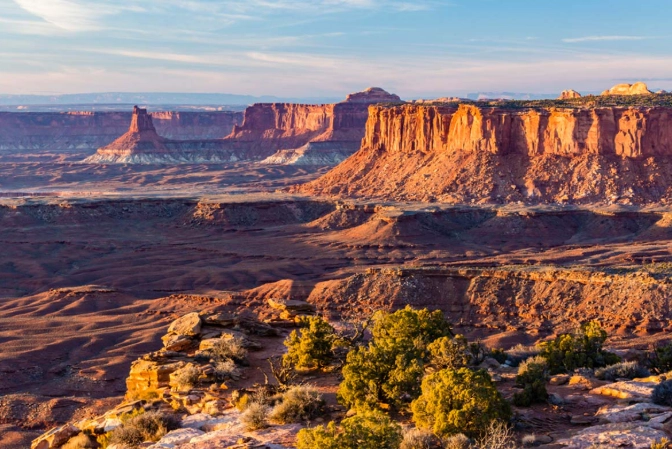
The Main Attraction: Island in the Sky, Canyonlands
Let's talk about the big one. When you see professional landscape photos of the American Southwest with endless horizons, deep red canyons, and a winding river far below, there's a good chance you're looking at the view from the Island in the Sky. It's not just a clever nickname; the place genuinely feels like a solitary island adrift in a sea of rock and sky.
I remember my first visit. You drive up a long, winding road from the desert floor, and suddenly the world opens up. The ground just... falls away. You're standing on the edge of a continent of rock, and it's humbling. This district is the most accessible part of Canyonlands National Park, which is why it gets the most attention. The park itself is divided into four districts (Island, Needles, Maze, and the rivers), and they're not connected by roads inside the park. It's a huge, wild place.
Where Exactly Is It?
You'll find it in southeastern Utah. The nearest town with services is Moab, which is about a 40-minute drive (32 miles) away. That proximity to Moab is a double-edged sword—it makes getting there easy, but it also means it can get busy. The entrance station is right off Highway 313. If you're coming from Arches National Park (also near Moab), it's a totally different experience. Arches is about, well, arches. Island in the Sky is about sheer, staggering scale.
How Did This "Island" Form?
This isn't just a random hill. We're talking about hundreds of millions of years of geology at work. The short story is layers. Ancient seas, deserts, and rivers deposited different colored sand, silt, and mud, which compacted into rock—sandstone, shale, limestone. Then, the Colorado River and its tributaries (the Green River is the other major one here) started their slow, relentless carving act over the last 20 million years or so.
The mesa top is a resilient layer of Cedar Mesa Sandstone. It erodes much slower than the softer rocks beneath it. So, as the rivers cut down, they undercut and wear away the softer layers, leaving this tougher caprock high and dry. What you're standing on is a remnant of a much larger landscape that has mostly been washed away. It's a lesson in patience written in stone.
What Can You Actually Do There?
You don't just drive up, snap a photo, and leave. Well, you could, but you'd be missing out. The experience of visiting the Island in the Sky is a mix of effortless vista-viewing and challenging adventure. Here’s the breakdown.
For Everyone: The Scenic Drive & Overlooks
The paved road runs along the mesa top for about 12 miles, with pull-offs at various overlooks. Each one offers a different perspective. This is the perfect activity if you have limited time, mobility concerns, or young kids.
- Mesa Arch: The famous one. A low, graceful arch framing a view of the White Rim and distant La Sal Mountains. Sunrise here is a photographer's pilgrimage—the underside of the arch glows orange-red.
- Grand View Point Overlook: The name doesn't lie. This is the end of the road, and the view is simply monumental. You can see hundreds of square miles of canyons, the White Rim road snaking below, and the confluence of the Colorado and Green Rivers in the distance (though they're hard to spot).
- Green River Overlook: A more intimate, but no less stunning, view of the Green River canyon as it cuts through the landscape. Great for sunset.
- Upheaval Dome: A weird, crater-like feature. Geologists debate whether it's a salt dome or a meteorite impact site. A short hike leads to views into the chaos.
You could easily spend half a day just hopping between these overlooks, reading the interpretive signs, and trying to comprehend the vastness.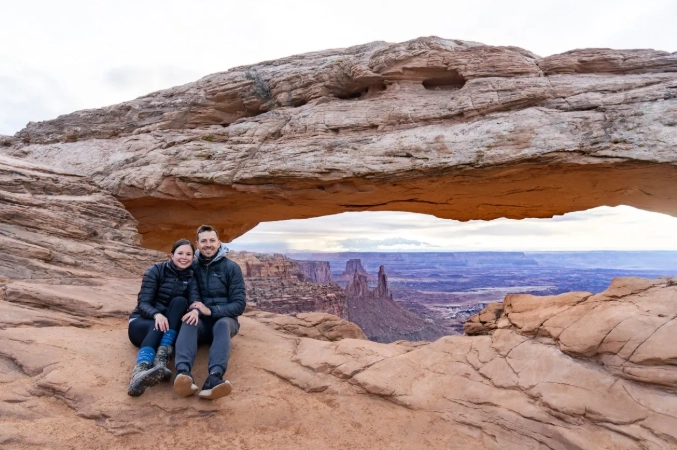
For Hikers: Trails on the Edge
To really feel the place, you need to walk a bit. The trails here often follow the mesa edge.
- Mesa Arch Trail: An easy, 0.7-mile loop. A must-do, even with crowds.
- Grand View Point Trail: Extends about 2 miles (round trip) from the overlook along the very edge of the mesa. Flat and mostly easy, but the exposure is no joke—watch your step and your kids.
- Aztec Butte Trail: A 2-mile round trip that involves a short, steep climb to a butte topped with ancestral Puebloan granaries. Combines great views with a bit of history.
- Murphy Point Trail: A favorite for avoiding the bigger crowds. It's a 3.6-mile round trip on a relatively flat trail to a secluded, expansive overlook. You feel like you've discovered it yourself.
For Adventurers: The White Rim Road & 4x4
Below the mesa cliffs lies the White Rim, a broad bench of white sandstone. A 100-mile primitive dirt road loops around it. This is the domain of serious mountain bikers (multi-day trips) and 4x4 vehicles. It requires permits, planning, and self-sufficiency. Looking down from the mesa, you'll often see tiny specks moving along this road—that's the adventure happening a thousand feet below your feet.
Practical Guide: Planning Your Visit
Alright, so you're sold on visiting this Island in the Sky. Here’s the nitty-gritty you need to know to make it happen.
| What to Know | Details & Tips |
|---|---|
| Best Time to Visit | Spring (April-May) & Fall (Sept-Oct) are ideal. Pleasant temps. Summer is scorching hot with intense sun. Winter can be cold and snowy, but crowds are minimal and the snow-dusted red rock is magical. |
| Fees & Passes | Park entrance fee is $30 per vehicle (valid 7 days). The America the Beautiful Annual Pass ($80) is a steal if you visit more than a couple of national parks in a year. Buy it online or at the entrance. |
| Getting There | Fly into Salt Lake City or Grand Junction. It's a 4-hour drive from SLC. Moab is your basecamp. Fill your gas tank and get groceries there. The park has no gas, food, or lodging (except campgrounds). |
| Where to Stay | Moab has everything from hotels to campgrounds. Inside the park, Willow Flat Campground (first-come, first-served, 12 sites) is basic but offers incredible night skies. No hookups. Book Moab accommodations far in advance for peak seasons. |
| Essential Gear | Water, water, and more water. A gallon per person per day is not an exaggeration. Sun protection (hat, sunscreen, sunglasses), sturdy shoes, layers of clothing (temps swing), camera, and a good map. Cell service is unreliable. |
Seriously, bring more water than you think you need. I've seen too many people with little 16-ounce bottles looking miserable by 10 AM. The desert dryness and altitude will dehydrate you faster than you realize.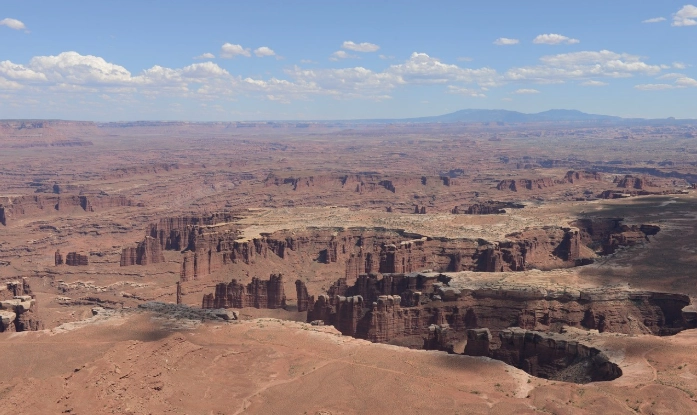
A Sample One-Day Itinerary
If you only have a day (which is common), here's how to make the most of it:
- Early Start: Leave Moab by 6:30 AM to catch sunrise at Mesa Arch. Yes, it's early. Yes, it's worth it.
- Morning: After sunrise, hike the Mesa Arch loop if you haven't. Then drive to the end of the road to Grand View Point. Do the hike out to the very tip.
- Midday: Drive back towards the entrance, stopping at the Green River Overlook. Have a picnic lunch here (pack it in Moab!).
- Afternoon: Hike to Upheaval Dome (first overlook is short, second is longer) to ponder the geological mystery. On your way out, stop at the Shafer Canyon Overlook to watch 4x4s descend the terrifyingly steep switchbacks of the Shafer Trail.
- Evening: Head back to Moab, or if you're camping, enjoy the unbelievable star show. The lack of light pollution is insane.
Other Meanings of "Island in the Sky"
Now, because the internet is a weird place, you might have been searching for something else. Let's quickly address the other things "Island in the Sky" can refer to, so you're fully informed.
The Sci-Fi & Metaphorical Concept
In fiction and metaphor, an "island in the sky" often means a floating landmass, a hidden city above the clouds, or a place of refuge or isolation high above the world. You see it in video games (like "BioShock Infinite's" Columbia), anime, and fantasy novels. It represents the unattainable, the heavenly, or the detached. It's a powerful image of separation.
There's also a classic 1937 aviation adventure novel by James Hilton called "Lost Horizon" which features a hidden Tibetan monastery called Shangri-La, sometimes poetically described as an island in the sky. And a 1943 war film titled "Island in the Sky" about a stranded aircraft crew. So the phrase has a long cultural tail.
The Ecological Term: Sky Islands
This is a fascinating real-world concept. In ecology, a "sky island" refers to isolated mountain ranges surrounded by radically different lowland environments (like deserts). The mountains are "islands" of cooler, wetter habitat, and they often contain unique species that evolved in isolation, cut off from other mountain ranges. The Madrean Sky Islands straddling the US-Mexico border in Arizona and New Mexico are a prime example. So, while not a single place, this is a legitimate scientific use of the term. It’s about biodiversity and isolation, much like oceanic islands.
See? Asking "what is the Island in the Sky" isn't a simple question. But for 90% of people, the answer is that breathtaking mesa in Utah.
Frequently Asked Questions (FAQs)

Hopefully, the question "What is the Island in the Sky?" is now fully answered for you. It's a real place you can visit, a specific district of Canyonlands National Park that delivers some of the most profound landscape views you'll ever witness. It's also a concept that fires the imagination in stories and science. But the real magic is standing on that sandstone edge, feeling the wind, and trying to take in a view that seems to go on forever. That's the experience that sticks with you. Just remember your water.
Reader Comments