In This Guide
I see this question pop up all the time in travel forums and planning guides. "Is the Navajo Nation in the Grand Canyon?" It sounds straightforward, but the answer is a bit more interesting than a simple yes or no. If you're looking at a standard map of Arizona, the confusion makes total sense. You see this massive, iconic national park, and right next to it, you see this huge swath of land labeled "Navajo Nation." The lines seem to touch, maybe even overlap. So what's the real deal?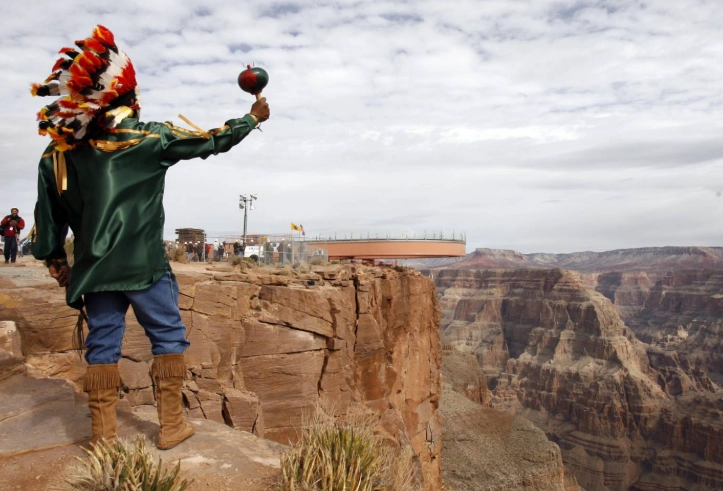
Let's get the direct geographical answer out of the way first. The Navajo Nation is not inside the Grand Canyon National Park. The park itself is federally managed land, operated by the National Park Service. The Navajo Nation is a sovereign tribal nation with its own government, laws, and borders. Think of them as neighbors, not the same entity.
The Core Answer: No, the Navajo Nation is not within the boundaries of Grand Canyon National Park. However, it borders the park directly to the east. The Grand Canyon itself is a physical feature that extends into and through Navajo lands, especially on the eastern end. So while the park isn't on the reservation, significant parts of the actual canyon are.
This distinction between the "park" and the "canyon" is where most of the confusion—and the most fascinating part of the story—lies. It's not just about lines on a map. It's about history, culture, and two very different ways of experiencing one of the world's great wonders.
Neighbors, Not Roommates: Understanding the Border
To really grasp the relationship, you need to picture the layout. Grand Canyon National Park is divided mainly into the South Rim (the most visited part) and the North Rim. The developed park areas, visitor centers, and main lodges are all on this federal land.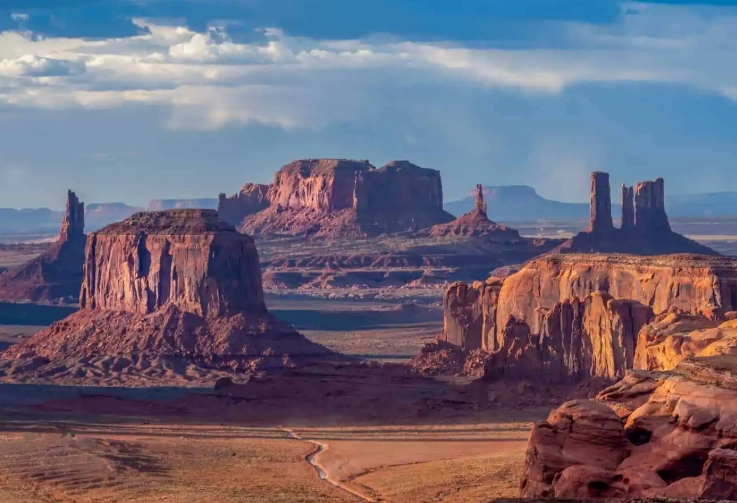
Now, look east from the South Rim's Desert View Watchtower. The land you see stretching out beyond the park boundary is the Navajo Nation. The political border is clear, but the canyon walls don't care about survey lines. The Colorado River keeps carving, and the landscape continues seamlessly.
This eastern portion of the canyon, where the park ends and the reservation begins, includes some absolutely stunning sections. When people ask, "Is the Navajo Nation in the Grand Canyon?" they're often sensing this connection. The canyon is a part of their homeland. In fact, one of the most famous and photographed vistas of the entire canyon—Antelope Canyon—is located entirely on Navajo land near Page, Arizona, not in the national park at all. That alone should tell you how intertwined they are.
Jurisdiction and Experience: A Side-by-Side Look
This might be the most helpful way to see it. Visiting the Grand Canyon National Park and visiting the Navajo Nation portions of the canyon are related but distinct experiences. Here’s a breakdown:
| Aspect | Grand Canyon National Park (South Rim) | Navajo Nation (Eastern Canyon Areas) |
|---|---|---|
| Governing Body | U.S. National Park Service (Federal) | Navajo Nation Government (Sovereign Tribal Nation) |
| Primary Entrance Fee | Standard NPS vehicle fee ($35+). Covers park entry. | Separate, site-specific fees. Paid per location (e.g., Antelope Canyon tour, Monument Valley). |
| Type of Experience | Developed, structured. Paved trails, shuttle buses, large visitor centers, ranger programs. | Often more raw and guided. Access to many sites requires a Navajo guide. Focus on cultural perspective. |
| Key Iconic Sites | Mather Point, Bright Angel Trail, Hermits Rest, Desert View Watchtower (though this is right on the border). | Antelope Canyon (Upper/Lower), Monument Valley, Canyon de Chelly, Little Colorado River Gorge Overlook. |
| Cultural Context | Interpretation focuses on geology, ecology, and general history. Less emphasis on contemporary tribal life. | Direct cultural immersion. Stories, history, and significance are told from the Navajo (Diné) perspective. |
| Regulations | Standard NPS rules (no drones in most areas, stay on trails, etc.). | Navajo Nation laws apply. Strict rules on photography permits, guiding requirements, and respect for sacred sites. No off-roading or solo backcountry exploration without permits. |
See what I mean? They're two different worlds sharing one colossal geological masterpiece. Asking if the Navajo Nation is in the Grand Canyon is like asking if Brooklyn is in Manhattan. They're part of the same larger entity (New York City / the Colorado Plateau), but governed and experienced differently.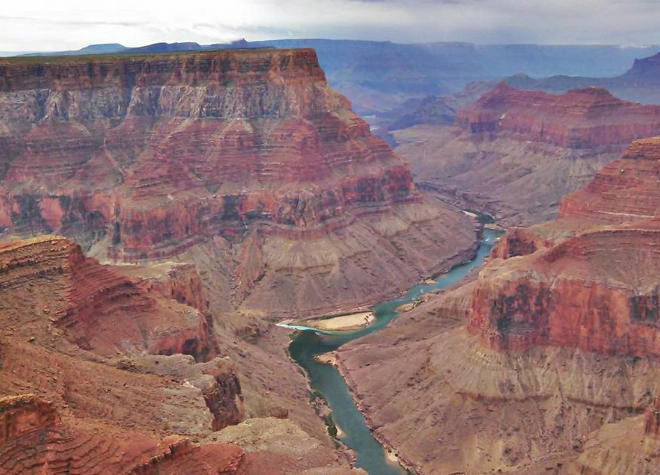
The Heart of the Matter: It's a Cultural Canyon, Too
This is where a simple geography lesson turns into something much richer. For the Navajo, or Diné, the Grand Canyon and the surrounding lands aren't just a scenic backdrop. They are woven into the very fabric of their creation stories, history, and identity.
The canyon and its tributaries are part of their ancestral homeland. While the Hopi tribe has particularly deep creation ties to the canyon itself, the Navajo people have lived in and around the region for centuries. The landscape is filled with history, from ancient Puebloan ancestors to the Navajo's own resilience, including the tragic period of the Long Walk in the 1860s.
So, if the Navajo Nation isn't in the park, why does it feel so connected? Because the connection isn't political—it's cultural, historical, and spiritual. The border is a modern line on a map; the relationship with the land is ancient. The Grand Canyon is a physical place that exists both within a national park and within the living territory and heritage of the Navajo people.
This is a crucial point for any visitor to understand. It transforms a trip from mere sightseeing into a more respectful and meaningful engagement with the place. You're not just looking at rocks; you're looking at a homeland.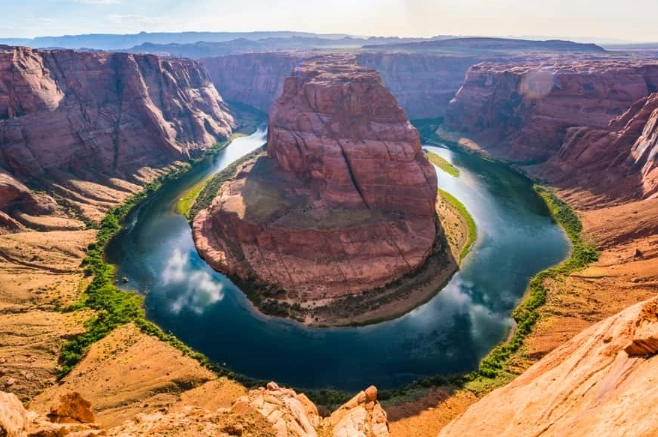
Must-Visit Navajo Nation Spots Near the Grand Canyon
If you're planning a trip to the area, confining yourself to the national park boundaries means missing out on profound experiences. Here are key places on the Navajo Nation that answer the spirit of the question, "Is the Navajo Nation in the Grand Canyon?" with a resounding, "Come and see for yourself."
- Canyon de Chelly National Monument (Chinle, AZ): Technically a National Monument, it's managed jointly by the NPS and the Navajo Nation. All access to the canyon floor requires a Navajo guide. The sheer cliffs hold ancient ruins, and the canyon is home to many Navajo families who farm the bottomlands. It's a living landscape. The National Park Service provides official information on visiting, but booking a tour is done through local operators.
- Monument Valley Navajo Tribal Park: The iconic landscape of buttes and mesas you've seen in countless Westerns. This is the definitive image of the American Southwest for many, and it's entirely within the Navajo Nation. The 17-mile Valley Drive is a self-guided (though rough) loop, but the best tours are led by Navajo guides who share stories and take you to restricted areas. Their official site is the best source: Navajo Nation Parks & Recreation page for Monument Valley.
- The Little Colorado River Gorge Navajo Tribal Park: This is perhaps the most direct answer to the geographical question. This overlook, located on Navajo land along Highway 64 between Cameron and the Grand Canyon's East Entrance, provides a stunning view of a deep, narrow section of the Little Colorado River as it carves its way toward the main canyon. You're looking at a part of the Grand Canyon system, and you're standing on the Navajo Nation. It's a powerful spot.
- Antelope Canyon (Page, AZ): As mentioned, this world-famous slot canyon is on Navajo land. Access is strictly through guided tours operated by authorized Navajo companies. Upper and Lower Antelope Canyon offer different experiences, but both are unforgettable lessons in light and stone.
Practical Advice for Travelers: Navigating the Two Worlds
Okay, so you get the idea now. They're neighbors. You're probably planning a trip and want to know how this affects you. Here’s the real-world, practical stuff.
Respect is the Number One Rule. On the Navajo Nation, you are a guest on sovereign land. Rules are different and are taken seriously. Always follow posted signs, obtain permits where required (especially for photography beyond casual snapshots), and never wander off trails or into restricted areas. This isn't just about rules; it's about respecting people's homes and sacred sites.
You'll learn things you'd never read on a plaque. You'll hear stories. You'll see the land through their eyes. That's the whole point of travel, isn't it? The fee you pay goes directly into the local community, supporting families and preserving the culture. It's a win-win.
Logistics: The gateway town for the eastern South Rim is Cameron, Arizona, where you'll find the historic Cameron Trading Post. This is a great place to stop, shop for authentic Navajo crafts (look for the artist's signature), and get oriented. From there, you can head west into Grand Canyon National Park's East Entrance (Desert View), or head north to Page/Lake Powell, or east towards Monument Valley.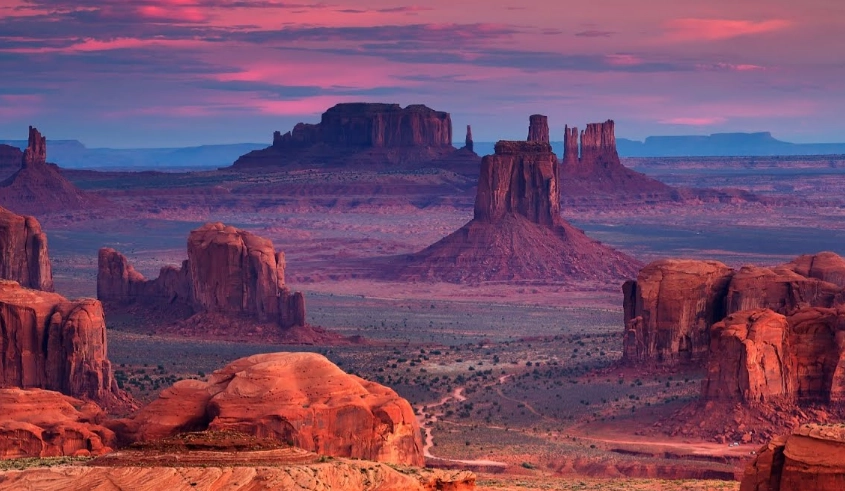
Common Questions Travelers Actually Ask (And My Answers)
Wrapping It All Together: More Than a Yes or No
So, after all this, where do we land on "Is the Navajo Nation in the Grand Canyon?"
Geopolitically, no. The park and the nation are separate entities with a shared border. Culturally and geographically, the answer is deeply interconnected. The Grand Canyon ecosystem and its stories spill over the park's fence lines. The Navajo Nation holds and protects some of the most spectacular chapters of the greater Canyon's story.
Ultimately, the question is a great starting point. It leads you to a more important realization: to truly know the Grand Canyon, you must look beyond the national park map. You have to acknowledge and, if possible, visit the sovereign indigenous nations that have called this impossible landscape home for generations.
Your trip will be infinitely richer for it. You'll move from being just a spectator to a more informed and respectful guest. You'll see the layers—not just in the rock, but in the history and the living culture. And that's the best answer of all.
Plan to see both. Budget time and money for both. Respect the rules of both. And you'll come home with an understanding of the American Southwest that most visitors completely miss. That's the real treasure.
Reader Comments