Your Quick Sculptured Beach Planner
If you're searching for "sculptured beach california," you've likely seen photos of those dramatic, wind-carved rocks along the coast. I first visited Sculptured Beach over a decade ago while exploring Point Reyes, and it's one of those places that sticks with you—not just for the views, but for the sense of discovery. Unlike the packed shores of Santa Monica or Malibu, this spot feels raw and untouched. Located within the Point Reyes National Seashore in Marin County, Sculptured Beach is a testament to nature's artistry, offering solitude and stunning geology. This guide dives deep into everything you need to know, from precise directions to those little tricks that most visitors miss.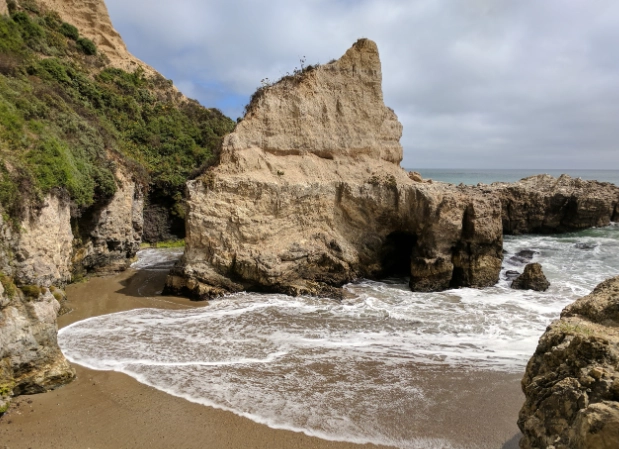
What Makes Sculptured Beach Unique?
Sculptured Beach isn't your typical sandy stretch. The name comes from the intricate sandstone formations that look like abstract sculptures, shaped by relentless Pacific winds and tides over millennia. Geologically, it's part of the Monterey Formation, which creates those layered, eroded patterns. Address-wise, it's situated at the end of Sculptured Beach Road, off Sir Francis Drake Boulevard in the Point Reyes National Seashore. For GPS, use "Point Reyes National Seashore, California" as your base—the beach itself is a short hike from the trailhead. There's no official street address, but coordinates are approximately 38.07°N, 122.95°W. What sets it apart? The isolation. You won't find boardwalks or vendors here, just the sound of waves and the chance to see harbor seals or migrating whales from the cliffs.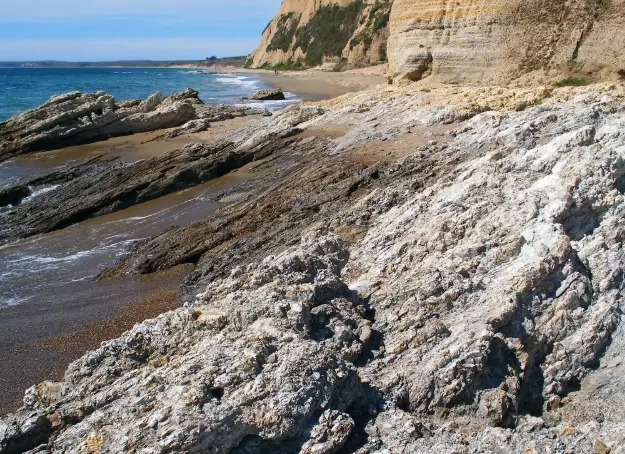
Local Insight: Many think Sculptured Beach is just about the rocks, but the tide pools are equally mesmerizing. During low tide, you can spot anemones, starfish, and crabs in the shallow pools—a hidden world most rush past.
How to Get to Sculptured Beach Step-by-Step
Getting there requires a bit of planning, but that's part of the adventure. Here's a breakdown:
By Car (The Most Common Route)
From San Francisco, take US-101 north and exit onto Sir Francis Drake Boulevard heading west. Drive for about 20 miles—this road winds through forests and pastures, so enjoy the ride. After passing the town of Inverness, look for Sculptured Beach Road on your left. It's an unpaved, narrow lane; I've seen rental cars struggle, so drive slowly. Parking is available at the trailhead for free, but spaces are limited to about 10-15 cars. Arrive early, especially on weekends. The hike down to the beach is roughly 0.5 miles each way, with a moderate descent of 200 feet. It's not wheelchair-accessible, and the trail can be muddy or rocky.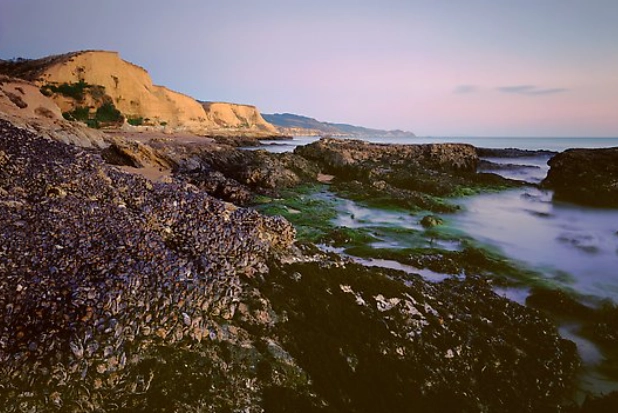
By Public Transportation
Public transit is tricky but doable. From San Francisco, take Golden Gate Transit to San Rafael, then transfer to Marin Transit Route 68 towards Point Reyes Station. From there, you'll need a taxi or rideshare (like Uber) to the trailhead—expect a 15-minute ride costing around $20-30. Schedules are limited, so check the Marin Transit website for updates. Honestly, if you're without a car, consider carpooling or joining a guided tour from Point Reyes Station.
When to Visit for the Best Experience
Timing is everything at Sculptured Beach. The Point Reyes National Seashore is open year-round from sunrise to sunset, but beach access can be tide-dependent. Here's what I've learned:
- Best Seasons: Spring (March to May) and fall (September to November) offer mild temperatures, fewer crowds, and clearer skies. Summer (June to August) often brings fog and wind—still beautiful, but pack a jacket. Winter (December to February) is rainy and rough, but you might have the place to yourself.
- Tide Considerations: Check tide charts before you go. Low tide is prime for exploring the rock formations and tide pools. High tide can submerge parts of the beach, making it dangerous. The National Park Service website provides daily tide predictions—I always glance at it the night before.
- Hours: No strict opening hours, but aim to arrive by mid-morning and leave before dusk. Rangers recommend against night visits due to wildlife and safety concerns.
I made the mistake once of visiting in late afternoon during high tide—ended up scrambling up the cliffs when waves surged. Lesson learned: plan around the tides, not just the clock.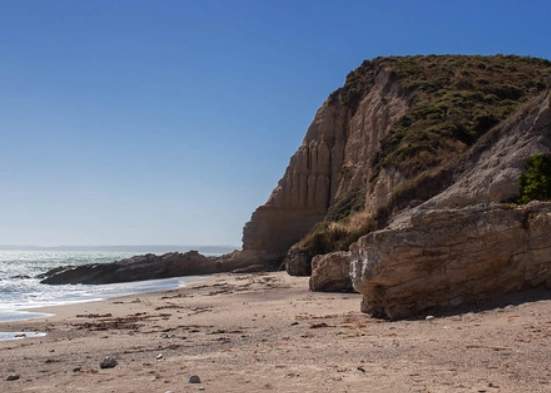
Top Things to Do at Sculptured Beach
This isn't a lounging beach; it's an exploring one. Here's how to spend your time:
Hiking the Trail
The hike from the parking lot to the beach is short but steep in parts. Wear sturdy shoes—I've seen people in flip-flops turn back. The trail offers glimpses of the ocean and wildflowers in spring. Once down, you're greeted by the main "sculptures": towering sandstone pillars and arches. Spend an hour or two wandering; the formations change with the light, so photographers love golden hour.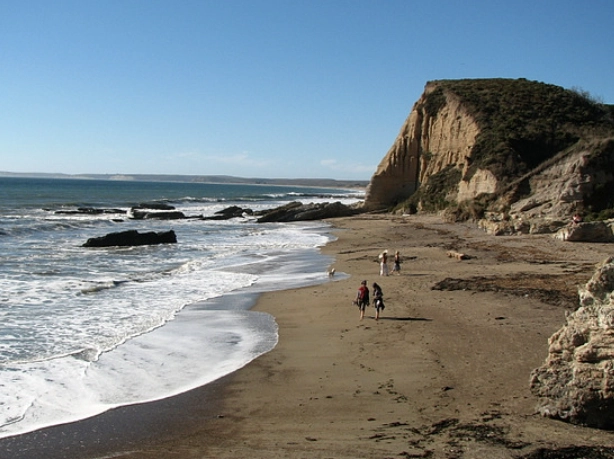
Photography Hotspots
Bring your camera. The best shots are from the north end of the beach, where the rocks frame the ocean. A wide-angle lens helps capture the scale. For something different, focus on the textures up close—the wind patterns in the stone are like fingerprints. Drones are technically allowed but check NPS regulations; I avoid them to respect the tranquility.
Tide Pool Exploration
During low tide, the rocky shelves reveal vibrant tide pools. Look but don't touch—these ecosystems are fragile. I've spent hours spotting purple sea urchins and hermit crabs. It's a great activity for kids, but supervise closely; the rocks can be slippery.
Bird and Wildlife Watching
Point Reyes is a birding hotspot. At Sculptured Beach, you might see pelicans, ospreys, or even peregrine falcons. Harbor seals often bask on distant rocks. Bring binoculars and move quietly—you'll see more.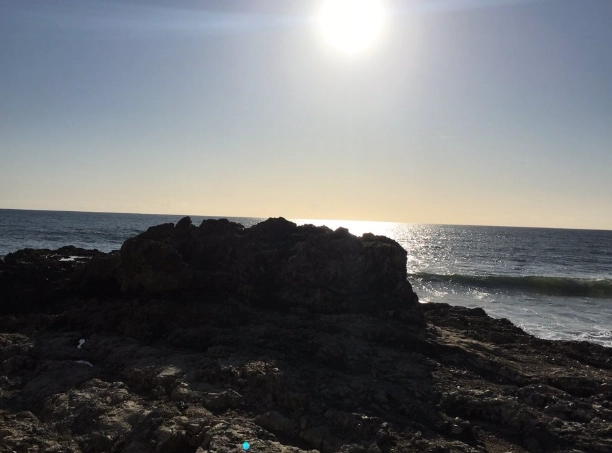
Practical Tips for a Smooth Visit
Let's get into the nitty-gritty. Based on my visits, here's what you need to know:
- Cost and Fees: No entrance fee for Point Reyes National Seashore. Parking at the Sculptured Beach trailhead is free, but some lots in the area charge $5-10. Carry cash just in case.
- What to Bring: Layers—the weather shifts fast. A windbreaker, hat, sunscreen, and water are essentials. No drinking water on-site, so pack at least a liter per person. Snacks too; there are no facilities. A small first-aid kit isn't a bad idea for scrapes on the trail.
- Footwear: I can't stress this enough: hiking shoes or boots. The trail has loose gravel and sharp rocks. I once wore running shoes and regretted it when my ankles twisted on the descent.
- Safety: Cell service is spotty. Tell someone your plans. Watch for sneaker waves; never turn your back on the ocean. If you're alone, stick to the main beach area.
One pro tip: download offline maps of the area. Google Maps can lose signal in these coastal hills.
Nearby Attractions and Where to Stay
Sculptured Beach is just one piece of the Point Reyes puzzle. If you're making a day or weekend of it, here are some additions:
Nearby Points of Interest
- Point Reyes Lighthouse: About a 30-minute drive south. Offers whale watching in winter and stunning cliff views. Check the National Park Service site for opening hours—it's often closed on windy days.
- Tomales Point Trail: A longer hike (9.4 miles round-trip) with tule elk sightings. Less crowded than the beach.
- Point Reyes Station: A quaint town with cafes, artisan shops, and the Bovine Bakery—try their pastries. Great for a post-hike meal.
Accommodation Options
For overnight stays, book early, especially in peak seasons. Here are a few I've tried:
- Point Reyes Seashore Lodge: In Olema, about 20 minutes away. Rates start around $200/night. Cozy rooms with fireplaces, but can be pricey.
- Airbnbs in Inverness: More affordable, around $150/night. Look for ones with kitchenettes to save on meals.
- Camping: Point Reyes has limited campgrounds like Sky Camp. Reservations required via Recreation.gov. Roughly $25/night, but facilities are basic.
I prefer staying in Inverness—it's closer and has a local vibe. Avoid last-minute bookings; this area fills up fast.
Common Questions Answered by a Local
Is Sculptured Beach good for a family day trip with young kids?
It depends. The trail is steep and rocky, so toddlers might struggle. I've seen families manage with carriers for little ones, but if your kids are under 5, consider easier spots like Limantour Beach nearby. For older kids who enjoy exploring, it's a blast—just keep them away from the cliff edges and tide pools during high tide.
What's the biggest mistake first-timers make when visiting Sculptured Beach?
Ignoring the tide charts. So many arrive at high tide and can't access the best formations. Check the National Park Service website for tide predictions—plan to arrive 1-2 hours before low tide. Also, wearing inadequate footwear; I've helped tourists with blisters from flimsy shoes more times than I can count.
Can I have a picnic or fly a drone at Sculptured Beach?
Picnics are fine—pack out all trash, as there are no bins. Drones are permitted but with restrictions: stay below 400 feet, avoid wildlife, and don't disturb other visitors. Personally, I skip the drone; the noise breaks the serenity, and the wind often makes flying tricky.
Are there guided tours available for Sculptured Beach?
Rarely for the beach itself, but Point Reyes National Seashore offers ranger-led programs on geology and wildlife. Check their event calendar. For a private guide, companies like Point Reyes Outdoors provide custom hikes, but they're pricey—around $100 per person. I'd recommend going solo with this guide; it's more rewarding.
What should I do if I encounter wildlife like seals or snakes?
Keep your distance. Seals are protected—stay at least 100 yards away. For snakes (mostly garter snakes here), just step back calmly. I once saw a visitor try to touch a seal pup; not only is it illegal, it stresses the animal. Observe with binoculars and move quietly.
Sculptured Beach is more than a destination; it's an experience that rewards preparation. Whether you're a photographer, hiker, or just someone craving quiet coastline, this spot delivers. Remember, respect the environment—leave no trace, and you'll help preserve it for others. If you have more questions, drop a comment below (though I'm not a real blog, this guide aims to be your go-to resource). Happy exploring!
Reader Comments