Quick Guide
Let's cut to the chase. You're probably planning a trip through Arizona, maybe driving along I-40 or Route 66, and you've heard about this place called the Painted Desert Inn. Now it's a museum. But what is it, really? Is it just another old building, or is it something you should actually pull over for? I wondered the same thing the first time I saw it perched on the rim of that incredible, colorful landscape. It looks... surprisingly elegant for the middle of the desert.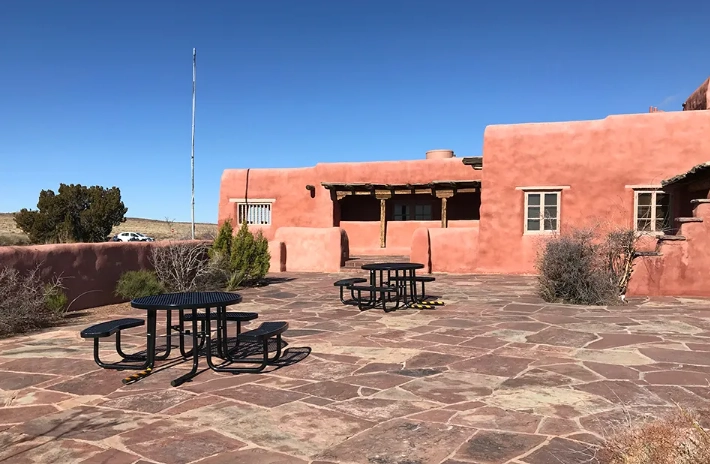
I'm not here to give you a dry, textbook history lesson. I want to tell you what it's like to stand in that building, to feel the coolness of its stone walls against the desert heat, and to understand why this spot mattered so much. The Painted Desert Inn museum is a storybook made of stone and timber, and its chapters cover everything from ancient trade routes to the golden age of American road trips.
In a nutshell: The Painted Desert Inn is a historic lodge-turned-museum located in Petrified Forest National Park, Arizona. Built in the 1920s and later redesigned in the iconic Pueblo Revival style, it served travelers on Route 66. It's now a National Historic Landmark managed by the National Park Service (NPS), showcasing local history, geology, and the artistry of the Civilian Conservation Corps.
From Dusty Stop to National Landmark: The Layers of History
This isn't a building that just appeared. Its history is layered, like the desert cliffs it overlooks. To really get the Painted Desert Inn museum, you need to peel back those layers.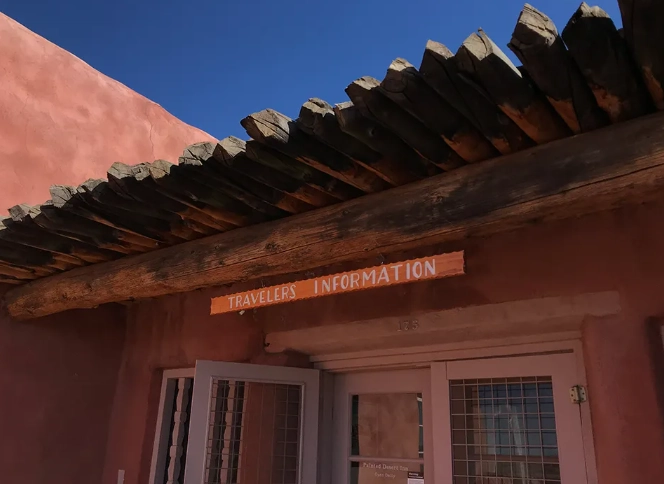
The Stone House and the Fred Harvey Touch
It started in the 1920s as a simpler, rougher structure called the “Stone Tree House,” built from local petrified wood and sandstone. A guy named Herbert David Lore ran it. But the magic really began in the 1930s when the Fred Harvey Company—the folks who basically invented civilized travel in the Wild West—took over.
Fred Harvey partnered with the Santa Fe Railway to create a network of hotels and restaurants where the food was good, the service was crisp, and you wouldn't get food poisoning. They were a big deal. They hired architect Mary Colter, a legend in Southwestern design, to redesign the inn in the late 1930s. Colter is the genius behind other masterpieces like the Watchtower at Grand Canyon. She transformed the inn into a Pueblo Revival masterpiece, blending it so perfectly into the landscape it looks like it grew there.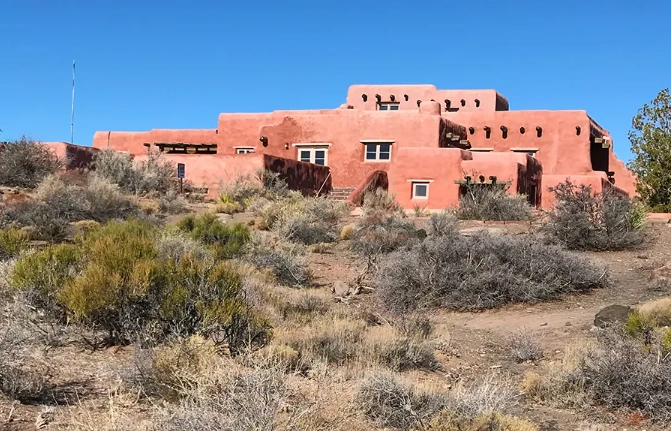
The Civilian Conservation Corps (CCC) did the actual construction work. Those guys were incredible. They hand-carved the beautiful ceiling beams, laid the flagstone floors, and built the massive stone fireplaces. When you walk in, you're walking through their craftsmanship. It's humbling.
The Heyday and the Slow Fade
For a couple of decades, the Painted Desert Inn was the place to stop. Route 66 travelers would pull in for a meal, maybe spend the night, and stare out at the multi-colored badlands. It was a beacon of comfort on a long, dusty road.
But then, progress happened. I-40 was built, bypassing the old road. Travel patterns changed. The inn closed as a lodging facility in 1963. It limped along as a gift shop and information center for a while, but it was fading. By the 1970s, it was in rough shape. The Park Service faced a tough choice: tear it down or save it.
Thankfully, they chose to save it. A major restoration project from 2004 to 2006 painstakingly brought the inn back to its 1949 appearance. They fixed the roof, repaired the murals, and shored up the foundations. It wasn't just a renovation; it was a rescue mission. Today, the Painted Desert Inn museum stands as a testament to that decision.
What You Actually See Inside the Museum
Okay, history lesson over. What's in there now? You're not checking into a hotel room. The museum focuses on three main things: the building itself, the people connected to it, and the land that surrounds it.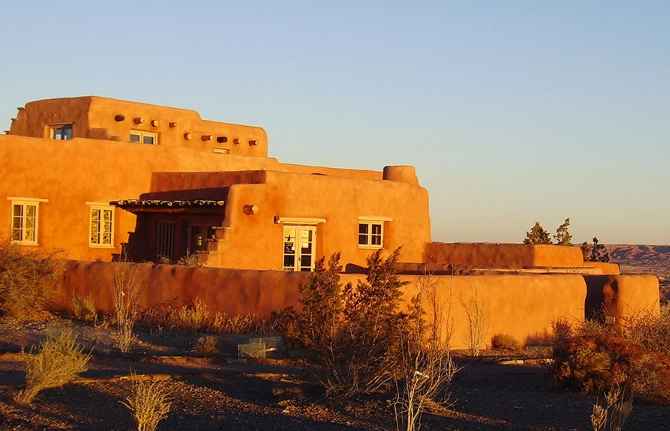
First, the building is the main exhibit. Look up. The ceiling is spectacular—hand-painted by Fred Kabotie, a renowned Hopi artist, and his nephew, Otis Polelonema. The designs aren't just decoration; they tell Hopi stories and symbols. The furniture, the light fixtures, even the color schemes are all period-perfect, giving you that genuine 1940s Fred Harvey vibe.
Then there are the exhibits. They're not huge or flashy, but they're thoughtful. You'll learn about:
- The CCC Workers: Photos and tools showing the young men who built this place during the Great Depression.
- Route 66 Culture: What it was really like to travel the "Mother Road" back in its prime.
- Geology of the Painted Desert: Why the hills look like a box of melted crayons (spoiler: it's iron and manganese).
- Native American History: The area has been home to Puebloan peoples for millennia. The museum connects the ancient petroglyphs you can see elsewhere in the park to the living cultures of the region.
My personal favorite spot? The original lunch counter. You can almost hear the clatter of dishes and the chatter of travelers planning the next leg of their journey. It's a powerful little time capsule.
The Practical Guide: Visiting the Painted Desert Inn Museum
Let's get down to brass tacks. You need to know how to make this visit happen. The Painted Desert Inn museum is located within Petrified Forest National Park. That's key. You can't just drive up to it independently.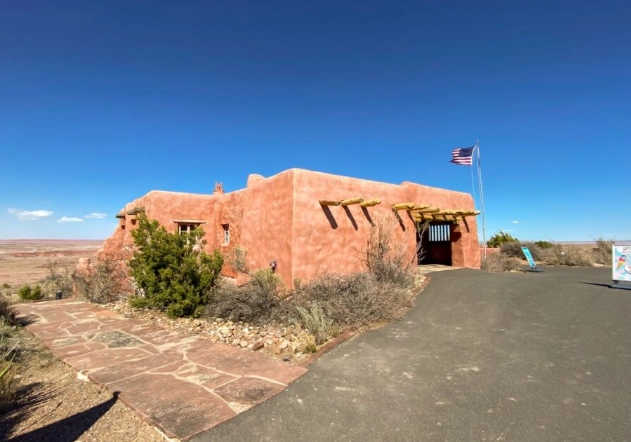
Critical First Step: You must pay the park entrance fee to get to the museum. Check the latest fees and passes on the official Petrified Forest National Park website. An America the Beautiful pass works here too.
Getting There and Timing Your Visit
The museum is near the north entrance of the park, right off the Painted Desert Rim Drive. If you're coming from I-40, take exit 311. From the south entrance (near Holbrook), you'll drive the 28-mile park road all the way through.
Here’s a quick table to break down the essentials:
| What | Details | Notes & Tips |
|---|---|---|
| Operating Hours | Typically 9:00 AM to 5:00 PM, daily. | Always confirm! Hours can change with season and staffing. The NPS website is your best friend. |
| Best Time to Visit | Spring (April-May) or Fall (Sept-Oct). | Summer is scorching. Winter can be cold and windy, but beautifully quiet. Late afternoon light makes the desert colors pop. |
| Time Needed | 45 minutes to 1.5 hours for the museum. | This doesn't include driving through the park or hiking. Plan a half-day minimum for the whole park experience. |
| Facilities | Restrooms, water fountain, bookstore. | No food or drink for sale inside. Bring water! There are picnic areas in the park. |
| Accessibility | The main floor is accessible. | Some historic doorways are narrow. The lower level (sometimes open) may have stairs. Rangers are helpful—ask questions. |
What to Do Around the Museum
Don't just go to the museum and leave. That's like only eating the breadstick at a feast. The Painted Desert Inn museum is your gateway to the rest of Petrified Forest National Park.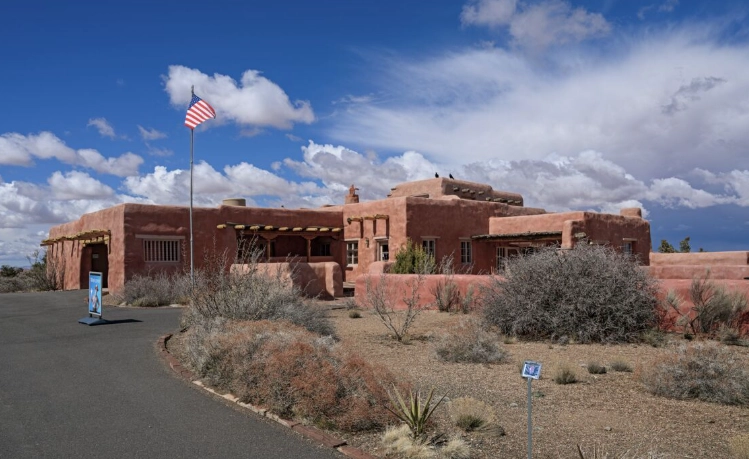
Right outside the door, you have the Painted Desert Rim Trail. It's an easy, paved walk along the canyon edge. The views are ridiculous. Every few steps, the colors change. It's the perfect companion experience to the museum's history lessons.
Then, drive south into the park. You'll transition from the painted desert badlands to the valley of the Petrified Forest. The giant, colorful logs of ancient stone are mind-bending. Hike the Giant Logs or Crystal Forest trails. It's a totally different world from the inn, but it's the ancient world the inn's visitors came to see.
Let's be real, the desert is harsh. The sun is intense, and there's often wind. Dress in layers, wear a hat, and put on serious sunscreen. And for the love of all that is good, bring more water than you think you need. There are very few services once you're in the park.
Common Questions (Stuff People Really Want to Know)
I've gotten questions from friends, read forums, and these are the things that seem to trip people up or make them hesitate.
Is it worth the park entry fee just for the museum?
If you're *only* going to the Painted Desert Inn museum and then turning around and leaving, maybe not. The fee is for the whole park. The museum is the brilliant first act of a much larger show. The value is in combining it with the scenic drive, the petrified wood hikes, and the vast silence of the desert. Think of the museum as the fascinating introduction to the park's story.
Can you stay overnight at the inn?
Nope. This is the biggest point of confusion. The Painted Desert Inn has not operated as a hotel since 1963. There are no lodgings inside Petrified Forest National Park. The nearest hotels are in Holbrook, about 25-30 minutes from the south entrance. The inn is purely a day-use museum now. I wish you could spend the night—imagine the stars!—but it's not an option.
Is it kid-friendly?
Yes and no. Kids who are into history, art, or dinosaurs (petrified wood is kinda like dinosaur trees!) might find it cool. The building itself is interesting. But it's a museum with "look, don't touch" exhibits. The real win for kids is outside: the short rim trail, the wide-open spaces, and the later hikes among the giant petrified logs. Manage expectations—it's not a playground.
How does it compare to other Fred Harvey/Mary Colter buildings?
If you've been to the Grand Canyon, you might know El Tovar or the Hopi House. The Painted Desert Inn museum is smaller, more intimate, and feels more remote. It lacks the grand lobby of El Tovar but has a cozier, more rustic charm. It's a purer example of Mary Colter's commitment to authenticity and place. It doesn't feel built *on* the land; it feels built *from* the land.
Final Thoughts: The Takeaway
The Painted Desert Inn museum isn't for everyone. If you're in a mad dash to check boxes, you might find it too quiet. But if you slow down for a minute, it gets under your skin.
It's a monument to a specific moment in American travel, frozen in time. It's about the ambition to bring comfort to a wild place, the skill of the workers who shaped it, and the vision to preserve it. Standing on that porch, looking over a desert that has seen continents shift, you feel the brief, brave story of human presence in this immense landscape.
So, should you go? If you're passing by on I-40 with a couple of hours to spare, the detour into Petrified Forest National Park to see the Painted Desert Inn museum is absolutely worth it. Pair it with a walk on the rim and a quick look at the petrified wood. You'll leave with more than a photo; you'll leave with a sense of place. And that, in my book, is what good travel is all about.
Just remember your water bottle.
Reader Comments