Just east of Flagstaff, Arizona, Walnut Canyon National Monument isn't your typical scenic overlook. You drive through ponderosa pines, pay your fee at a modest visitor center, and then you see it—a massive, winding limestone canyon. The real magic starts when you look closer. Dotting the canyon walls are dozens of small, dark openings. Those aren't natural caves. They're the homes of the Sinagua people, built over 700 years ago. This place is a time capsule, and walking its trails feels like stepping directly into the past. Most guides will tell you to hike the Island Trail. I will too, but I'll also tell you why the Rim Trail is where you'll really feel the history, and the one mistake almost every first-time visitor makes with timing.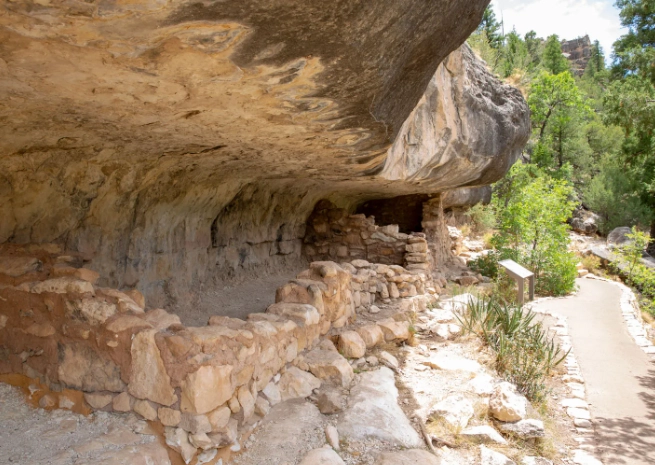
Quick Navigation: What's in This Guide
Who Were the Sinagua? The People of Walnut Canyon
The name "Sinagua" is Spanish for "without water," given by early archaeologists who were amazed these communities thrived in a semi-arid land. They weren't a single tribe but a cultural group, master farmers and traders who lived across north-central Arizona from around 500 AD to 1425 AD. Walnut Canyon was a prime spot. The south-facing cliffs offered passive solar heating in winter and shade in summer. The canyon itself provided a natural fortress and, crucially, seeps and springs for water.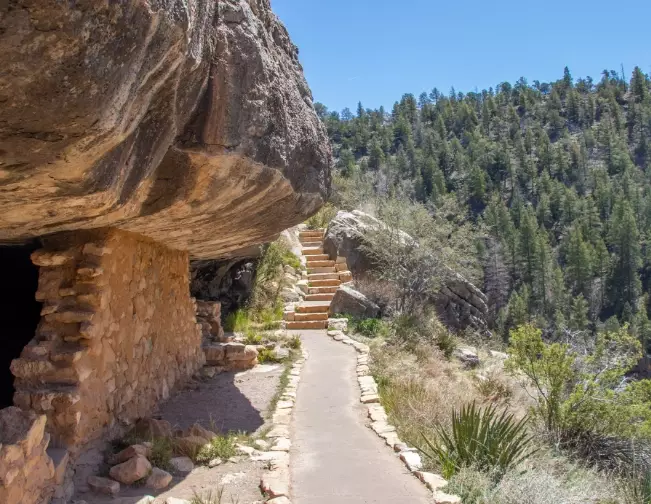
They built their homes from the canyon's own limestone blocks, mortared with mud. You'll see the walls are still remarkably intact. They farmed the canyon rim, growing corn, beans, and squash. Then, around 1250 AD, they left. The reason isn't definitively known—a prolonged drought, resource depletion, social pressures, or a combination. They didn't vanish; they likely migrated and integrated with neighboring Pueblo groups, like the Hopi, who consider the Sinagua their ancestors.
Walking here, you're not just looking at ruins. You're seeing a successful, sophisticated adaptation to a challenging environment that lasted for centuries.
How to Plan Your Visit: Tickets, Hours & Getting There
The Essential Info at a Glance
Address: 3 Walnut Canyon Road, Flagstaff, AZ 86004. Don't just rely on GPS; follow the well-marked brown National Monument signs from I-40.
Standard Entrance Fee: $25 per vehicle (good for 7 days). $20 per motorcycle. $15 per individual (hiker, cyclist). America the Beautiful passes are accepted.
Best Time to Visit: Spring (April-May) and Fall (September-October). Summers are hot, and afternoon thunderstorms are common in July and August. Winters can be cold and icy.
Time Needed: A solid 2-3 hours to do both trails and see the visitor center exhibits without rushing.
The monument's hours change seasonally, which catches a lot of people off guard. In peak summer, it's typically 9 AM to 5 PM. In winter, it often closes at 4:30 PM and may have reduced days. Always check the official National Park Service page for Walnut Canyon for the latest schedule before you go. The gate closes promptly at closing time, so factor in your hike back.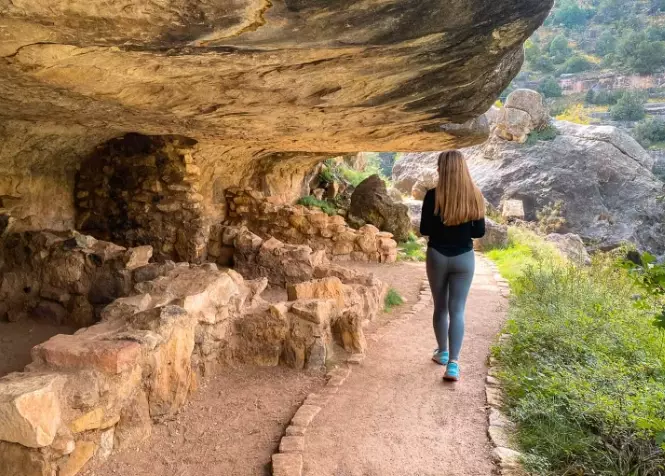
Getting there is straightforward. From downtown Flagstaff, take I-40 east for about 7.5 miles. Take Exit 204, turn right at the end of the ramp, and follow Walnut Canyon Road for about 3 miles to the entrance. There's no public transportation, so you'll need a car or rideshare. The road is paved and fine for all vehicles.
Here’s a quick breakdown of what to expect seasonally:
| Season | Pros | Cons & Tips |
|---|---|---|
| Spring (Apr-Jun) | Wildflowers, mild temps, active wildlife. | Can be windy. Still busy on weekends. |
| Summer (Jul-Aug) | Longer hours, guaranteed open. | HOT. Hike the Island Trail first thing in the morning. Afternoon storms are dangerous on exposed trails. |
| Fall (Sep-Oct) | Ideal temperatures, smaller crowds. | Perfect all-around conditions. |
| Winter (Nov-Mar) | Solitude, dramatic light on cliffs. | Ice and snow make the Island Trail stairs treacherous or closed. Call ahead. Rim Trail may be your only option. |
Hiking the Trails: Island Trail vs. Rim Trail
You have two main options, and they offer completely different experiences. Most people beeline for the famous one. Smart visitors do both.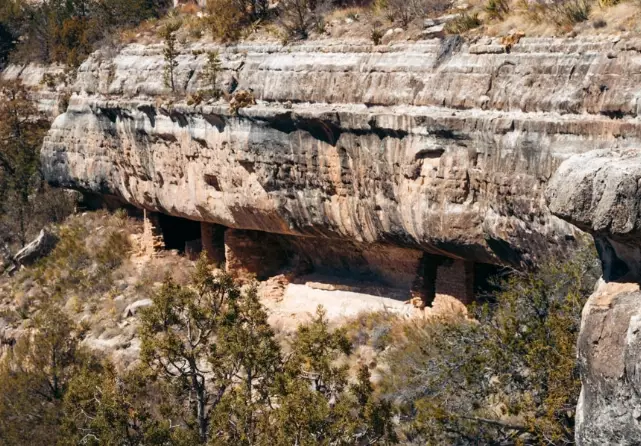
The Island Trail: Getting Up Close (The Physical Challenge)
This is the star. A 0.9-mile loop that descends 185 feet (56 meters) into the canyon on a series of 240+ stone and metal steps. It winds around a limestone "island" where you can peer into about 25 cliff dwelling rooms. You are literally walking right past their front doors.
The big mistake? Underestimating the climb back up. At 7,000 feet elevation, those 240 steps feel like 500 if you're not acclimated. Take it slow. Bring water. The park stresses this, but I've seen too many people struggling halfway up, red-faced and breathless. The trail is narrow in places with steep drop-offs, so watch your step and hold kids' hands.
It's worth every step. You get an intimate sense of scale. You can see the soot stains from ancient fires on the ceilings, the handprints in the mortar. It’s incredible.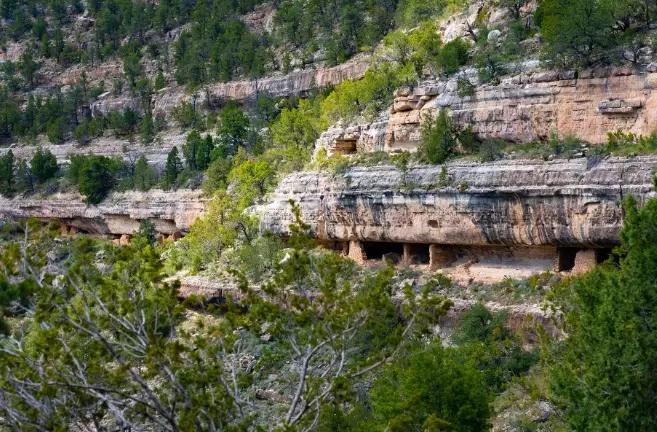
The Rim Trail: Seeing the Big Picture (The Historical Context)
This is the overlooked gem. A 0.7-mile paved loop along the canyon rim. It's mostly flat and accessible. People think it's just a nice walk with views—and it is—but its real value is context.
From above, you see the whole community layout. You spot dwellings across the canyon you missed below. The trail passes a reconstructed pit house (an earlier dwelling style) and pueblo, showing how Sinagua architecture evolved. Interpretive signs explain their farming techniques on the rim. Doing the Rim Trail second helps everything click. You go from "cool old houses" to understanding a complete, functioning settlement.
Photography Tips for the Cliff Dwellings
Getting a great shot here is trickier than it seems. The dwellings are in shadow for a good part of the day, and the contrast between dark alcoves and bright sky is harsh.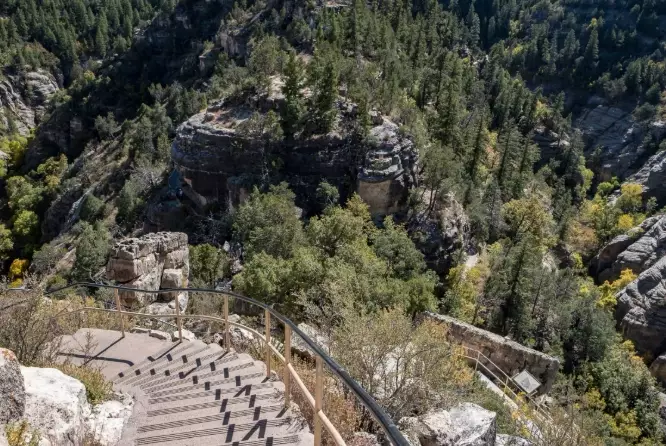
Bring a lens with a decent zoom (a 24-70mm or 24-105mm is perfect). You'll want it to isolate details across the canyon from the Rim Trail. A wide-angle can capture the scale inside the dwellings on the Island Trail. Don't forget to look for small details: a shaped stone, a grinding slick (metate) left in place, or the patterns in the masonry.
For phone photographers, tap to focus on the darker dwelling opening to keep it from becoming a black hole. Use HDR mode to balance the light. And be patient—wait for a moment when other visitors move out of your frame to get that clean, timeless shot.
Beyond History: The Quiet World of Walnut Canyon Birds
If you sit quietly for a few minutes, the canyon comes alive with wings. It's a fantastic birding spot, a fact often overshadowed by the archaeology. The mix of pinyon-juniper woodland on the rim and the canyon's microclimates attracts a diverse crowd.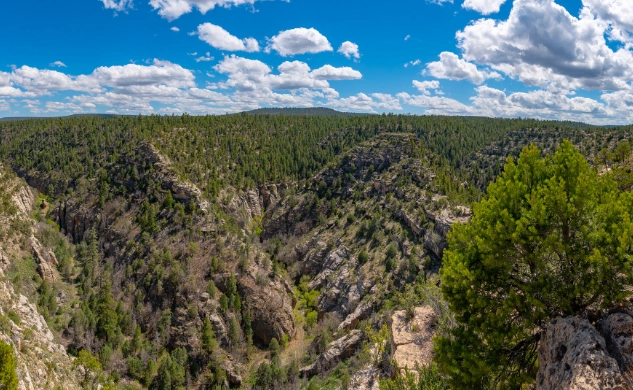
Listen for the distinctive "whit-wheet!" of the White-throated Swift zipping past the cliffs—they nest in crevices just like the Sinagua did. You'll almost certainly see and hear Steller's Jays and Scrub Jays squawking in the pines. With luck, you might spot a Peregrine Falcon cruising the canyon updrafts, or a Common Black Hawk if you're near the creek area.
Bring a pair of binoculars. The best birding is often from the Rim Trail in the early morning. It adds a whole other layer to the visit, connecting you to the living ecosystem that sustained the people who lived here.
Reader Comments