Let's get one thing out of the way: if you're coming to New Mexico expecting forests of the giant, arm-raising saguaro, you're in the wrong state. That's an Arizona icon. What New Mexico offers is subtler, stranger, and in my opinion, far more fascinating. We're talking about twisted soaptree yuccas piercing white gypsum dunes, fiery red claret cup cacti clinging to volcanic cliffs, and ancient-looking prickly pears that have witnessed centuries. This isn't just about plants; it's about stark beauty, resilience, and a landscape that feels quietly alive.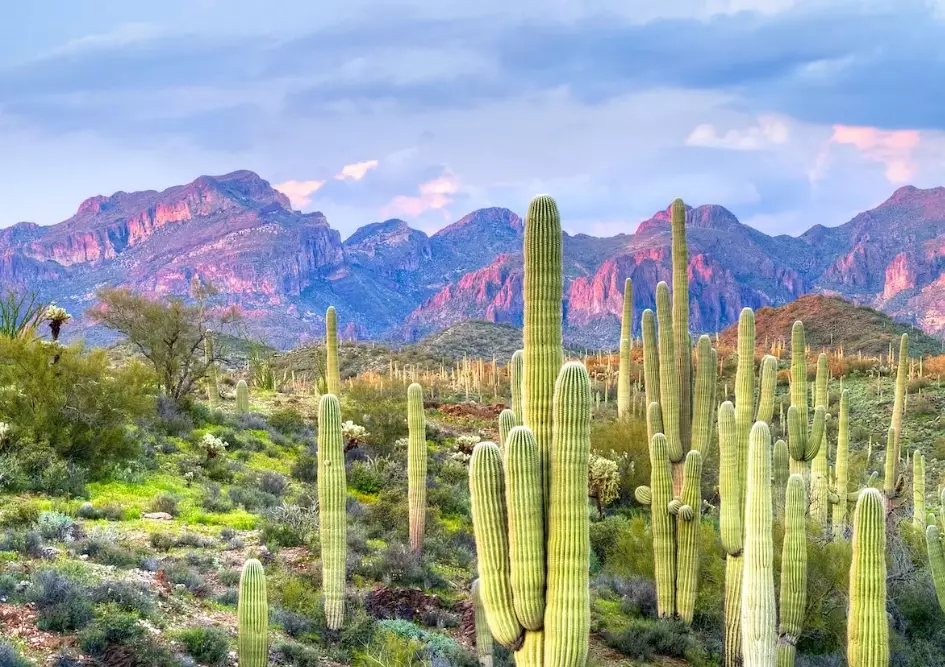
I've spent a decade with a camera in one hand and a field guide in the other, getting sunburned and poked in every corner of this state. This guide cuts through the generic lists. I'll show you where to go, how to shoot it, and even how to not kill one if you try to grow it at home.
What's Inside This Guide
Where to Find New Mexico Cactus: Top Spots Mapped
You can't just drive anywhere and see a postcard scene. The magic happens in specific ecosystems. Here are the places that consistently deliver, with the practicals you need to plan your trip.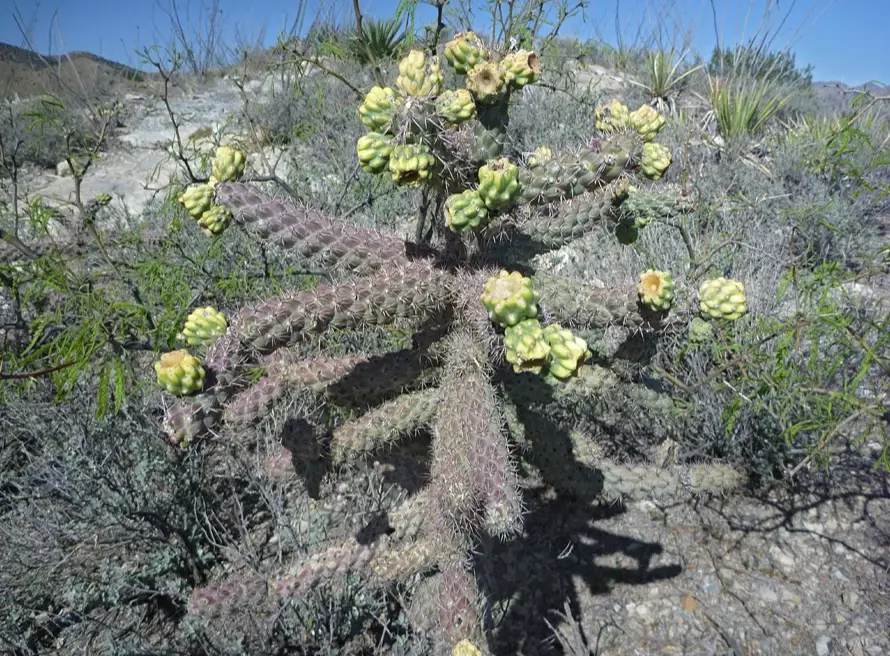
| Spot & Park | What You'll See & Vibe | Key Practical Info |
|---|---|---|
| White Sands National Park | The Signature Shot. Soaptree yuccas (Yucca elata) are the stars here, their green shaggy skirts and white flowers standing in surreal contrast to the bright white gypsum dunes. It's a photographer's dream at sunrise/sunset. | Address: Highway 70, between Alamogordo & Las Cruces. Fee: $25 per vehicle (good 7 days). Best Time: Sunrise or late afternoon for shadows. Hot Tip: Hike the Alkali Flat Trail (backcountry permit needed) for the most isolated, dramatic specimens. |
| Bandelier National Monument | History meets Botany. Claret cup cacti (Echinocereus triglochidiatus) explode with shocking red blooms in late spring against the tan volcanic tuff cliffs. You'll see prickly pear and cholla nestled among ancient Pueblo dwellings. | Address: Near Los Alamos, NM. Fee: $25 per vehicle. Bloom Time: Peak is usually mid-to-late May. Hot Tip: The Frey Trail switchbacks offer the best close-ups of blooming claret cups against the canyon wall. |
| City of Rocks State Park | A Hidden Gem. Massive volcanic rock formations create a bizarre garden landscape dotted with barrel cacti, hedgehog cacti, and cholla. It feels like a natural sculpture garden. | Address: Off Highway 61, near Faywood. Fee: $5 per vehicle (NM state park). Camping: Yes, and it's fantastic under the stars. Hot Tip: Explore off the main paths between the rock formations for the most interesting cactus arrangements. |
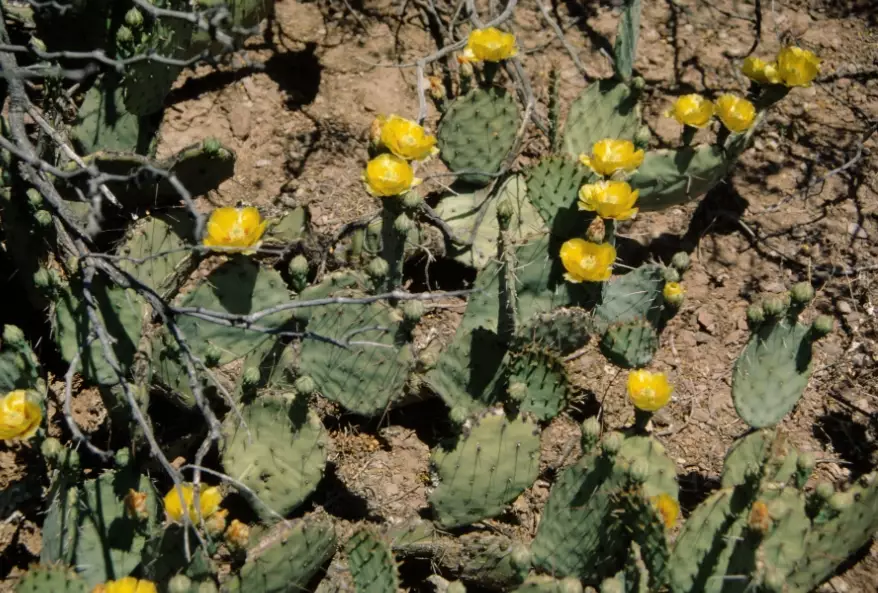
| The Rio Grande Valley (Albuquerque South) | Accessible Variety. Drive or bike the Bosque trails south of Albuquerque. You'll find extensive stands of prickly pear and cholla in the sandy soils. The Rio Grande Nature Center State Park has a great native plant garden for easy identification. | No fee for the Bosque trails. Rio Grande Nature Center: $3 per vehicle. Best for: An easy, close-to-town cactus fix, especially in spring when the prickly pears bloom yellow. |
One place I'm hesitant to recommend is the famous Chihuahuan Desert Gardens at UTEP in El Paso, Texas. It's a fantastic collection, but it's across the state line. If you're in the Las Cruces area, it's worth the drive, but for a pure New Mexico experience, stick to the spots above.
Meet the Locals: New Mexico's Iconic Cactus & Succulent Species
Knowing what you're looking at changes everything. These aren't generic "cacti"; they have personalities.
Soaptree Yucca (Yucca elata)
Technically a succulent, not a true cactus, but it defines the New Mexico desert aesthetic. That tall, skinny trunk topped with a pom-pom of sharp leaves? That's it. The trunk is covered in a thatch of dead leaves—don't peel it off, that's its sun protection. In spring, a magnificent flowering stalk shoots up from the center, covered in creamy white bells.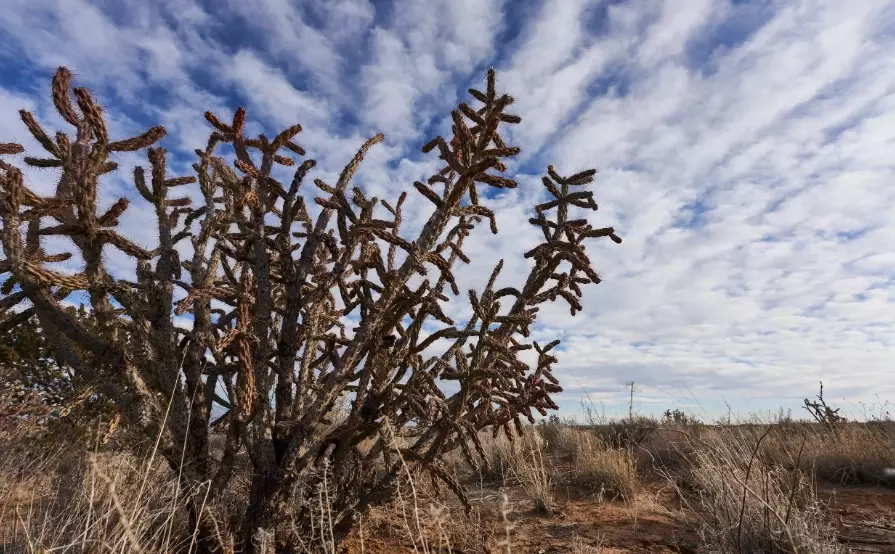
Claret Cup Cactus (Echinocereus triglochidiatus)
This is the showstopper. A low-growing, clustering cactus that produces the most brilliant, fiery red-orange flowers you can imagine. They look like someone dropped goblets of wine on the rocks. You find them in higher, rockier desert areas. Seeing a hillside covered in them in May is a spiritual experience.
New Mexico Prickly Pear (Opuntia phaeacantha)
The workhorse of the landscape. Flat, paddle-like pads that turn a beautiful purple in winter cold. Their flowers in late spring are a stunning yellow, sometimes with a red center. Later, they produce the edible "tuna" fruit. A word of caution: their glochids (tiny, hair-like spines) are the worst. They get everywhere.
A Quick Safety Note: Always watch where you step or sit. Give cholla cacti ("jumping cholla") a wide berth—their segments detach easily and hitch a ride. Carry a fine-toothed comb or multi-tool pliers in your daypack to remove spines. It's not a matter of if, but when.
How to Photograph New Mexico Cactus Like a Pro
I see the same mistakes every year. People standing at high noon, shooting with the sun behind them, getting flat, lifeless images of these incredible sculptures.
Here’s the shift: think of cactus as architecture and portrait subjects.
Light is Everything: The golden hours (sunrise/sunset) are gospel for a reason. The low-angle light creates long shadows, reveals texture in the spines and bark, and warms up the colors. But here’s a secret most blogs won’t tell you: a bright, cloudy day can be perfect for close-up flower shots. It acts as a giant softbox, eliminating harsh shadows on delicate petals.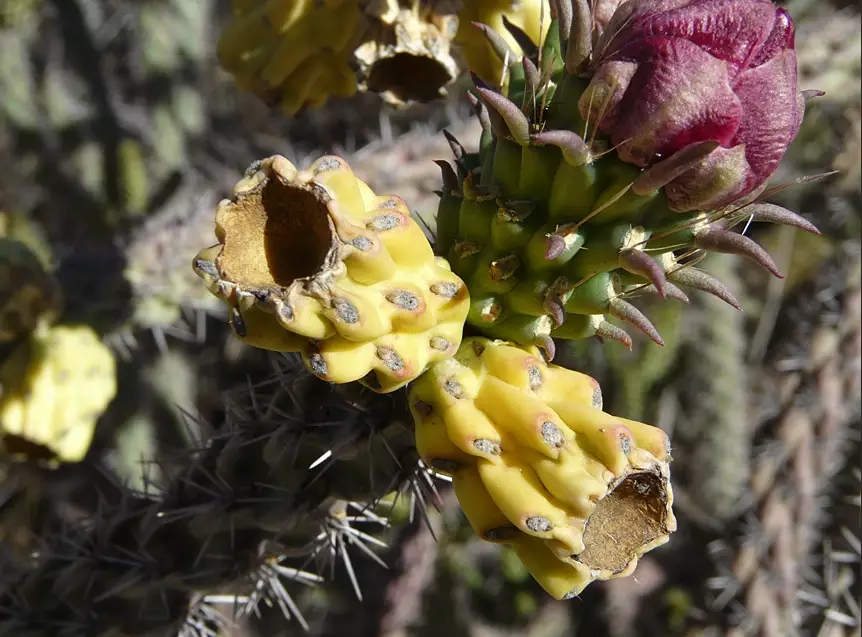
Compositional Tricks:
- Get Low: Don't shoot down on them. Get your camera at their level. It makes them look monumental, not like specimens.
- Use the Landscape: Frame a soaptree yucca against the sweeping dunes of White Sands. Place a claret cup in the foreground with the Bandelier canyon in the background. Context tells a story.
- Isolate Details: A macro lens (or your phone's portrait mode) is your friend. Focus on the pattern of spines, a water droplet after a rain, or the intricate center of a flower.
My most shared photo? A soaptree yucca at White Sands at sunrise, with the shadow of the dune crest cutting diagonally across the frame. It took planning, a 4:30 AM alarm, and cold feet, but it captured the feeling, not just the thing.
Thinking of Growing One? The Realities of Home Care
You see a cute little barrel cactus at the nursery and think, "How hard can it be?" Let me be the voice of experience: it's a different mindset.
First, source ethically. Never, ever dig one up from the wild. It's illegal, often fatal to the plant, and depletes the ecosystem. Buy from a reputable nursery. Many, like Plants of the Southwest (they have locations in Santa Fe and Albuquerque), specialize in native, ethically propagated plants.
Now, the hard truth about care: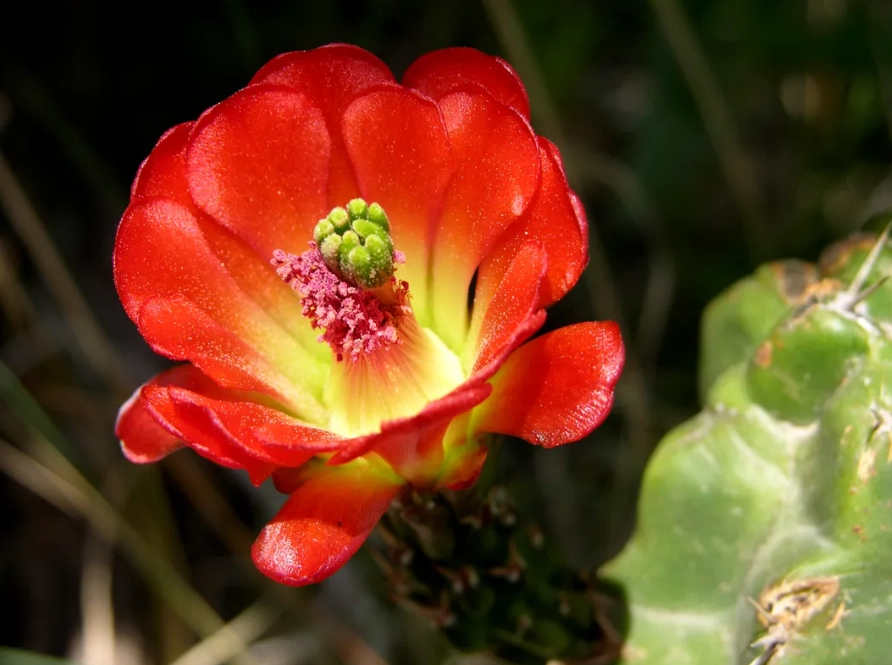
Soil is Non-Negotiable: That bag of "cactus mix" from the big-box store? It's usually still too organic and holds too much water. You need to make it grittier. I mix 50% commercial cactus soil with 50% pumice or perlite. The goal is water that runs straight through.
Watering is a Dance, Not a Schedule: "Water once a week" is a death sentence. You water only when the soil is completely dry all the way to the bottom of the pot. In summer, that might be every 10-14 days. In winter, maybe once a month or not at all if it's cool and dormant. When you do water, soak it thoroughly until it runs out the drainage hole. Then, forget it exists.
Sunlight: They crave bright, direct light. A south-facing window is the minimum. Without enough light, they etiolate—stretch out weirdly and become weak.
It's a practice in restraint. You're not nurturing; you're providing the harsh conditions they're built for, just in a pot.
Cactus in New Mexico Culture: More Than Just a Plant
This isn't just botany. The prickly pear (nopal) is a cornerstone of traditional Hispano and Mexican cuisine here. The paddles (cleaned of spines, of course) are grilled or boiled as "nopalitos," a tart, green vegetable. The fruit makes syrups, candies, and margaritas.
And you can't talk about New Mexico art without Georgia O'Keeffe. Her paintings from her time in Abiquiú often feature the stark, beautiful forms of the local hills and, yes, the simple, powerful shapes of the native flora. She didn't just paint flowers; she painted their essence. Looking at a soaptree yucca against a big sky, you start to see what she saw.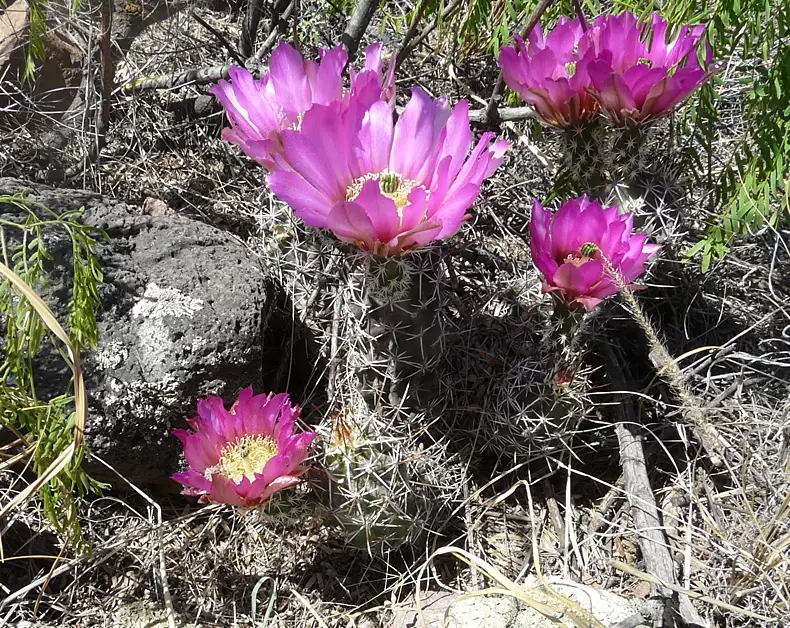
Your Cactus Questions, Answered
What's the best time of year to see cactus flowers in New Mexico?
The prime blooming window is typically late April through early June. However, this is highly dependent on spring rainfall. A dry spring means fewer flowers. For reliable blooms, target the first two weeks of May and focus on lower elevations like the Chihuahuan Desert around Las Cruces, where things heat up earlier.
Can I legally take a cactus from public land in New Mexico?
Almost never. Removing any plant, including cacti, from state parks, national parks, monuments, or Bureau of Land Management (BLM) land without a permit is illegal and carries heavy fines. It's also ecologically damaging. If you want a cactus, buy one from a reputable nursery that propagates its plants. This ensures genetic diversity and protects wild populations.
 What is the most common mistake people make when trying to grow a New Mexico cactus at home?
Overwatering and using the wrong soil. People treat them like regular houseplants. New Mexico cacti need a gritty, fast-draining mix (think 50% potting soil, 50% perlite/pumice). They need a deep, thorough watering only when the soil is completely dry, followed by perfect drainage. In winter, most need a cool, dry dormancy period with little to no water. Killing with kindness is the #1 cause of death.
Where is the single best place for a first-time visitor to see a variety of New Mexico's cactus landscapes?
For a concentrated dose, head to the Living Desert Zoo and Gardens State Park in Carlsbad. It's not just a zoo; it's a 1,300-acre protected preserve of native Chihuahuan Desert habitat. You'll see soaptree yuccas, claret cup cacti, prickly pears, and more in their natural setting, all along a paved, accessible trail with excellent interpretive signs. It's the perfect classroom before you venture into more remote areas.
New Mexico's cactus scene asks you to slow down and look closer. It's not about the grand, obvious statement. It's about the twist in a yucca trunk, the shocking red flash of a flower against gray rock, and the quiet endurance of life in a hard land. Bring your curiosity, your camera, and a good pair of closed-toe shoes. You'll leave seeing the desert differently.
Reader Comments