In This Guide
So you're thinking about the San Juan Mountains. Good choice. Honestly, it's one of those places that doesn't just look good on Instagram—it feels different when you're there. The air, the scale of everything, the quiet. But where do you even start? The range is huge, sprawling across southwestern Colorado, and it's dotted with these little pockets of civilization, each with its own vibe. Are you looking for a luxury ski-in/ski-out condo, a gritty historic mining camp turned adventure hub, or a quiet valley town that's mostly locals? The San Juan mountain range cities and towns offer all of that and then some.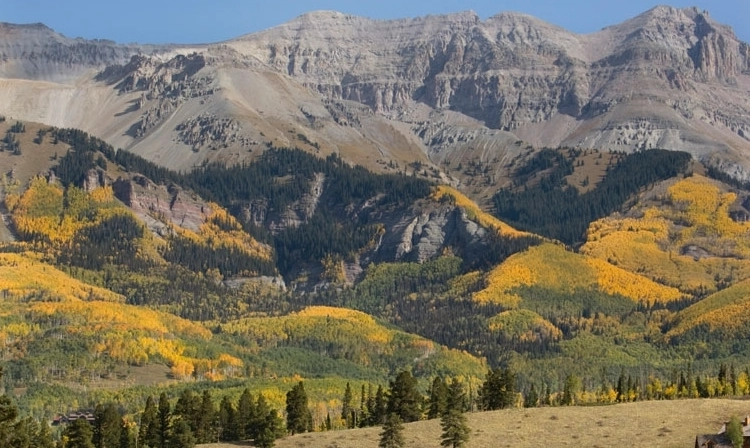
I've spent a lot of time bouncing between these places, sometimes for work, mostly for play. I've gotten caught in surprise summer hailstorms above tree line, waited out avalanche closures on the mountain passes, and had some of the best green chile of my life in a diner that hasn't updated its decor since 1978. This guide isn't just a list pulled from a brochure. It's the stuff I wish I'd known before my first trip, mixed with the hard-won lessons from a dozen trips after.
Let's cut through the noise and talk about what these places are really like.
The Heart of the Matter: Major San Juan Mountain Range Cities & Towns
When people talk about San Juan mountain range cities, they're usually referring to a handful of key spots. Some are full-fledged towns with grocery stores and airports. Others are barely-there hamlets that serve as gateways to the backcountry. The character varies wildly.
Here’s the breakdown of the main players. It’s worth glancing at this table to get a quick lay of the land before we dive deep.
| Town/City | Vibe & Vocation | Best For | Notable Quirk/Heads-Up |
|---|---|---|---|
| Durango | The historic, lively hub. A real city with a downtown, a university (Fort Lewis College), and the Durango & Silverton Narrow Gauge Railroad. | Families, first-time visitors, combining culture with outdoors. A great basecamp. | Can feel busy, especially in summer. Less of a "mountain town" and more of a city in the mountains. |
| Telluride | World-class, postcard-perfect, and pricey. A box canyon beauty with a major ski resort and film festival. | Skiing, luxury stays, festivals, stunning scenery. Honeymoons or splurge trips. | Expensive. The airport (TEX) is dramatic but weather-prone. The free gondola connecting Telluride to Mountain Village is a genius public transit system. |
| Ouray | "The Switzerland of America." An intimate, stunning town surrounded by sheer cliffs, famous for its ice climbing and hot springs. | Ice climbing, jeeping, relaxing in hot springs, stunning photography. | Tiny! Accommodation books up fast. The public hot springs pool is a fantastic, affordable soak. |
| Silverton | A raw, high-altitude (9,318 ft!) relic. Feels like stepping back into the mining era. End of the line for the train from Durango. | Extreme skiing (Silverton Mountain), hardcore jeeping, history buffs, no-frills adventure. | Very remote. Limited services, especially in winter. Not for those seeking luxury or nightlife. The vibe is authentically rugged. |
| Lake City | The quiet, laid-back alternative. Surrounded by the vast Lake Fork of the Gunnison valley and access to incredible 4x4 trails. | Jeeping (the Alpine Loop starts here), fishing, hiking, escaping crowds. | The most remote of the bunch. A true getaway. Don't expect big chain stores—embrace the general store charm. |
| Ridgway | The laid-back, artsy gateway. More affordable than Ouray, with amazing views of the Sneffels Range and a famous film history (True Grit). | Art galleries, budget-friendly base for exploring Ouray/Telluride, rafting on the Uncompahgre. | A great "if you can't stay in Ouray" option. Has a wonderful small-town park and a fantastic pizza place. |
Looking at that, you might already feel pulled in one direction. But let me tell you, the table only scratches the surface.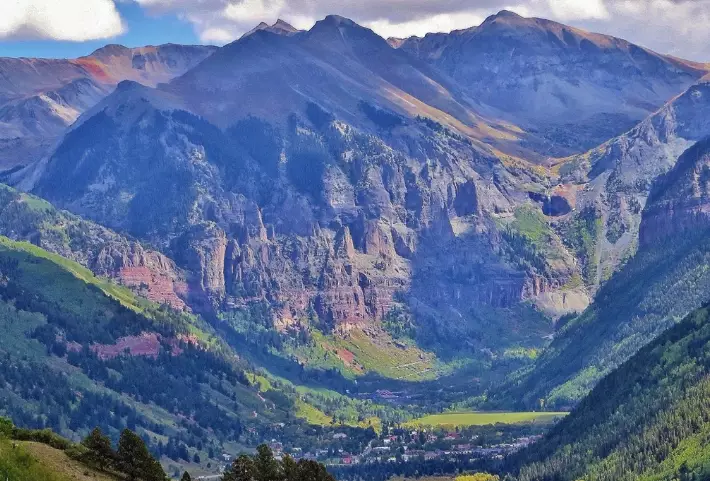
Durango: The Anchoring City
Durango is often the first stop for many. It's got an airport (DRO) with decent connections, which is a big deal out here. You fly in, rent a car, and you're off. The historic downtown along Main Avenue is the real deal—brick buildings, saloon-style doors, but filled with legit restaurants, breweries like Ska and Steamworks, and shops that aren't just tourist traps.
The train. You can't talk about Durango without the Durango & Silverton Narrow Gauge Railroad. It's a National Historic Landmark and for good reason. The chug up the Animas River Canyon to Silverton is breathtaking. Is it touristy? Absolutely. But it's also a genuinely cool piece of engineering history. I took it once in the fall, and the aspens were unreal. Just book way, way in advance.
Local's Tip: Skip the crowded chain hotels by the highway. Look for a cabin or B&B in the surrounding Animas Valley or on the road towards Purgatory Resort. You'll get more space, better views, and real quiet.
Durango's downside? It's not a sleepy mountain town. There's traffic, especially on summer weekends. The Walmart is always packed. But that also means you have access to everything—a real hospital, multiple grocery stores, hardware stores for when you forget your camping fuel. It's the most practical base for exploring the wider San Juan mountain range cities and beyond.
Telluride: The Crown Jewel (With a Price Tag)
Telluride is stunning. There's no other word for it. The town sits in a box canyon with waterfalls cascading down the cliffs at the end of the street. The ski resort is top-tier, the hiking is incredible right from town, and the Telluride Film Festival brings a crazy energy every Labor Day.
But here's my slightly negative, but honest, take: it can feel a bit... curated. The wealth is palpable. The million-dollar condos in Mountain Village, the designer shops on Colorado Avenue. It lacks some of the gritty, authentic character of a place like Silverton. That said, the free gondola is a game-changer. You can park in Mountain Village (which is often easier), ride the gondola down to Telluride for dinner, and never move your car. It's brilliant public infrastructure.
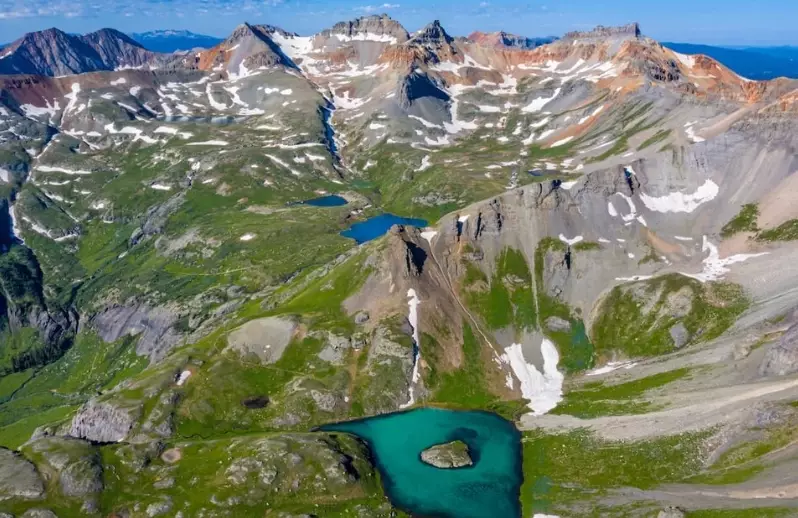
For hiking, the Jud Wiebe Trail is a classic loop that gives you insane views without a brutal climb. For a real challenge, hike up to Blue Lakes below Mount Sneffels—the trailhead is a drive away, but it's one of the most beautiful spots in all the San Juans.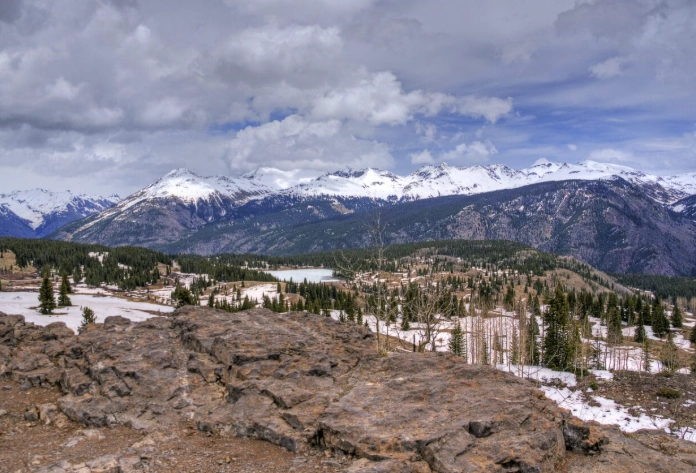
Ouray & Silverton: The Ice Climbing and Jeep Capitals
I'm grouping these two because they're linked by the Million Dollar Highway (US 550), one of the most spectacular and white-knuckle drives in America. No guardrails, sheer drops, and views that will make you pull over every five minutes.
Ouray is like a fairy tale village. The Ouray Hot Springs Pool is the town's social center. After a long day of hiking the Perimeter Trail or tackling one of the infamous 4x4 roads like Black Bear Pass (experts only!), there's nothing better than a soak. The town is small, walkable, and incredibly friendly. The downside? Everyone knows how great it is, so summer and fall weekends are packed. Book your hotel or campsite months ahead.
Now, Silverton. Silverton doesn't care if you like it. It's at 9,318 feet, it's battered by snow for eight months of the year, and it's proud of its hardscrabble history. The buildings on Blair Street look like a movie set of the Old West because, well, they basically are. There's one main street, a few bars (the Avalanche Cafe is a must for breakfast), and a overwhelming sense of being at the edge of something wild.
Heads Up: Silverton Mountain is a ski area, not a resort. It's for experts only, largely hike-to terrain, with no frills. Do not go here expecting groomers and a fancy lodge. It's about as raw as lift-served skiing gets in the Lower 48.
Silverton is the epitome of a San Juan mountain range city that has fully embraced its identity as an adventure outpost. It's not trying to be anything else.
Planning Your Trip: The Nitty-Gritty Details Everyone Forgets
Alright, so you're leaning towards a couple of these San Juan mountain range cities. Now what? This is where most generic guides fall short. They tell you what's there, but not how to actually deal with it.
When to Go (It's Not Just About Summer vs. Winter)
- Peak Summer (July-August): Wildflowers, warm days, afternoon thunderstorms. Book everything now. I mean it. Campsites, hotels, even rental cars. It's chaos, but beautiful chaos.
- Shoulder Seasons (Late May-June & September-October): My personal favorite. Fewer people, cooler temps, fall colors in September are mind-blowing. The catch? High mountain passes and trails may still have snow in June, and facilities in smaller towns like Silverton or Lake City start to shut down in October.
- Winter (November-April): For skiers and snowshoers. Telluride and Purgatory (near Durango) are the big resorts. Ouray's ice park is world-famous. Roads can be treacherous—US 550 over Red Mountain Pass is no joke. Always check CDOT's road conditions.
- "Mud Season" (April-May & late October): The secret off-season. It's ugly. Snow is melting, everything is brown and muddy, many businesses are closed. But if you want a dirt-cheap rental and total solitude, and don't mind hiking in slush, it's an option.
See what I mean? It's not just picking a season, it's about matching your tolerance for crowds, weather uncertainty, and what's actually open.
Getting Around: You Need a Car, But What Kind?
Public transport between these towns is basically non-existent. You need a vehicle.
- A standard SUV or AWD car is fine for getting between Durango, Telluride (via a paved pass), Ouray, and Ridgway on main highways.
- If you plan to explore ANY 4x4 trails (like the Alpine Loop, Ophir Pass, Imogene Pass), you need a true, high-clearance 4x4 vehicle. Do not attempt these in a rental sedan or even a standard SUV. Rent a proper Jeep Wrangler or similar from a local outfitter in towns like Ouray or Silverton. They know the roads and their vehicles are set up for it.
Altitude is a Real Thing
Most of these San Juan mountain range cities are above 7,000 feet. Silverton is over 9,000. You will feel it. Drink absurd amounts of water—way more than you think you need. Go easy on alcohol the first day or two. Take it slow on your first hike. Listen to your body. Headaches and shortness of breath are common. If it gets bad, descend. It's not a joke.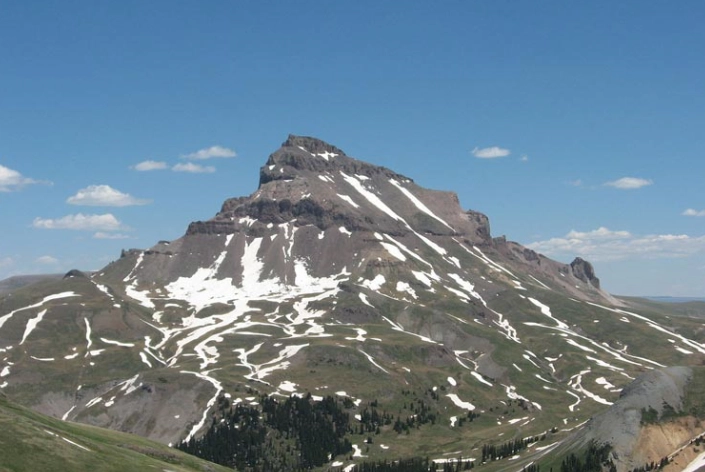
Digging Deeper: Beyond the Obvious Attractions
Everyone goes for the hiking, skiing, and jeeping. But what about the other layers? The stuff that makes a place stick in your memory?
The Food Scene: It's surprisingly good. You're not just stuck with burgers (though there are great ones).
- In Durango, try the New Mexican cuisine at Nini's Taqueria or the fine dining at Primus.
- In Telluride, there's amazing sushi at Honga's Lotus Petal (weird but works).
- In Ouray, the Outlaw Restaurant has solid steak and atmosphere.
- In Silverton, it's all about the Avalanche Cafe for a huge, carb-loaded breakfast before a day in the hills.
The History: This is mining country. The hills are literally scarred with old mines and ghost towns. The National Park Service has great resources on the mining history of Colorado. In places like the Animas Forks ghost town near Silverton, you can walk among crumbling buildings and almost hear the echoes of the past. It adds a profound layer to the landscape.
The Arts: Ridgway has a fantastic little arts scene. Telluride has its famous festivals (Film, Bluegrass). Even Durango has a thriving theater and music community. It's not all rough and tumble outdoors.
Answers to the Questions You're Probably Googling (FAQ)
Answers to the Questions You're Probably Googling (FAQ)
Which San Juan mountain town is best for families?
Hands down, Durango. It has the most amenities (pools, a children's museum, the train, milder weather), the most variety of activities, and the most options for accommodations like vacation rentals with kitchens. It's less overwhelming than the high-altitude intensity of Silverton or the premium prices of Telluride.
I'm on a tight budget. Can I still visit?
Yes, but you have to be strategic. Ridgway or the outskirts of Durango will have more affordable lodging than Telluride or downtown Ouray. Camping is your best friend—the San Juan National Forest has countless developed and dispersed campsites. Cook your own meals. Focus on free activities: hiking, driving scenic byways (like the San Juan Skyway), exploring historic downtowns, and soaking in free hot springs (like the one in Ridgeway State Park, or the primitive ones along the road to Dunton).
What's the best itinerary for a first-time, 5-day trip?
Fly into Durango (DRO).
Day 1-2: Explore Durango. Ride the train to Silverton and back (a long day). Hike the Animas River Trail.
Day 3: Drive the Million Dollar Highway to Silverton, spend a few hours, then continue to Ouray. Soak in the hot springs pool. Stay in Ouray or Ridgway.
Day 4: Hike in the Ouray area (Perimeter Trail is great) or take a 4x4 tour. Drive to Telluride in the afternoon via the breathtaking Dallas Divide (stop for photos!). Ride the free gondola.
Day 5: Hike in Telluride (Bridal Veil Falls, Jud Wiebe) before driving back to Durango, possibly via the scenic Lizard Head Pass.
It's a packed itinerary but hits the iconic highlights of the central San Juan mountain range cities.
Is it safe to drive the mountain passes in winter?
It can be hazardous. The Colorado Department of Transportation (CDOT) does an amazing job plowing, but storms roll in fast. Red Mountain Pass between Silverton and Ouray is particularly notorious. Always: 1) Check the CDOT website for real-time conditions and closures. 2) Have an AWD/4WD vehicle with snow tires (all-season tires are not enough). 3) Carry winter emergency gear: blankets, food, water, shovel, kitty litter for traction. 4) Don't be in a hurry. If a storm is forecast, change your plans.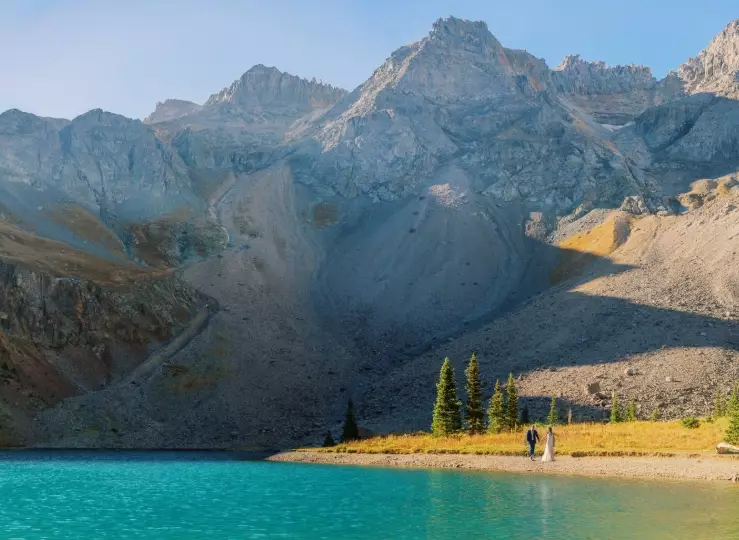
The Final Word: Picking Your San Juan Mountain Base
So, after all this, how do you choose? Don't just pick the prettiest picture. Ask yourself:
- What's my budget? Telluride > Ouray > Durango > Ridgway > Silverton/Lake City (generally).
- What's my adventure style? Luxury ski vacation? Telluride. Hardcore backcountry? Silverton. Family-friendly mix? Durango. Jeep-centric exploring? Ouray or Lake City.
- How do I handle crowds? If you hate them, look to Lake City or the shoulder seasons in any town.
- Do I need easy access? Durango's airport is the major gateway. Telluride's is stunning but trickier. Everything else is a drive from a regional airport (Montrose, Gunnison).
The beauty of the San Juan mountain range cities is that there isn't a wrong answer. Each town is a key that unlocks a different part of this magnificent, rugged, and deeply rewarding corner of Colorado. Whether you end up sipping a craft beer on a sunny patio in Durango or eating a hearty stew in a historic Silverton saloon after a long day in the hills, you'll understand why people fall in love with this place and keep coming back.
Do your research, pack your layers (seriously, the weather changes in minutes), and respect the altitude and the landscape. The San Juans don't do half-measures, and that's exactly why we go.
Reader Comments