Your Road Trip Compass
Let's cut to the chase. You're probably planning a trip between Aspen and Leadville, or maybe you just want to experience one of the most breathtaking drives in the Rockies. And the big question on your mind is a simple one: is Independence Pass open right now? I get it. I've been there myself, staring at the map, wondering if I need to reroute my entire day because of a closed mountain pass. It's frustrating.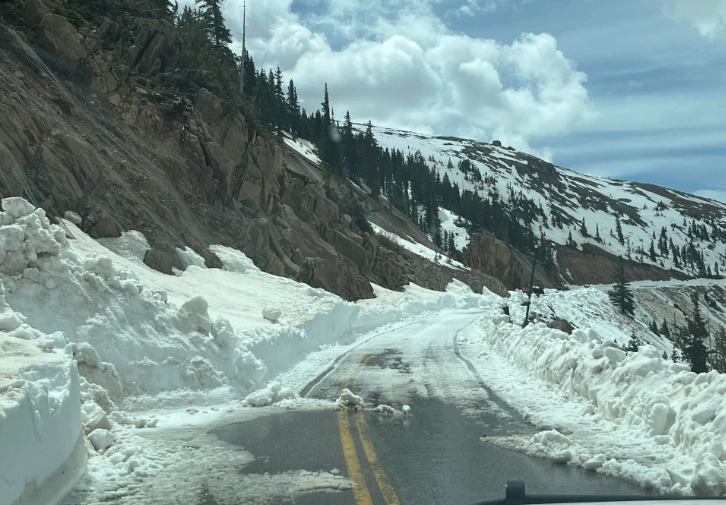
The short answer is, it depends entirely on the time of year and the weather. Independence Pass, that gorgeous stretch of Colorado State Highway 82, isn't like your average interstate. It's a high-alpine road that bows to the whims of Rocky Mountain winters. So, asking "is Independence Pass open" isn't a yes-or-no question with a permanent answer. It's a seasonal dance with snowplows and avalanche control.
I remember one June, I was dead sure it would be open. I'd heard the "Memorial Day" rule of thumb. Packed my little sedan and headed up from the Aspen side, only to find the gates still closed about halfway up. A late-season storm had dumped more snow than expected. Had to turn around, drive all the way down to I-70, and add hours to my trip. Lesson learned the hard way.
This guide is here to make sure that doesn't happen to you. We're going to dive deep into everything you need to know about the pass's status, but also the how, when, and why behind it. Because knowing why it closes tells you more than just a date on a calendar.
Independence Pass Status: When It's Open and Why It Closes
So, let's tackle the core issue. The operating season for Independence Pass is typically from late May or early June through late October or the first significant snowfall in November. But that "typically" is doing a lot of heavy lifting. The exact dates shift every single year based on snowpack, spring storms, and road repair schedules.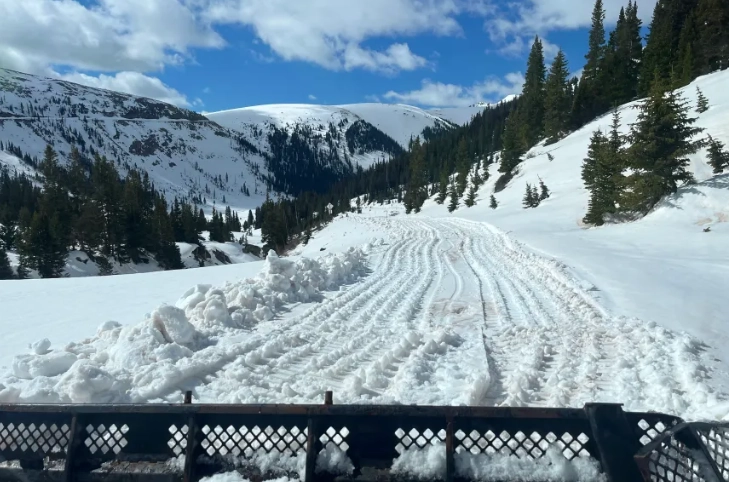
The closure isn't some bureaucratic decision. It's a matter of safety and practicality. The pass crests at 12,095 feet (3,687 meters). At that elevation, winter is a serious force. The road becomes impassable due to deep snow, and more critically, avalanche danger becomes extreme. The steep slopes on either side of the road are prime avalanche terrain. The Colorado Department of Transportation (CDOT) doesn't just close the gates; they often trigger controlled avalanches on purpose to make the area safe before the plows even start.
Here’s a rough breakdown of the typical timeline, but please, treat this as a guideline, not a promise:
| Time of Year | Typical Status | What's Happening |
|---|---|---|
| November - April | Firmly Closed | Road is buried under deep snow. High avalanche risk. No maintenance or plowing. |
| Late April - May | Evaluation & Prep | Crews assess snowpack and avalanche conditions. Spring storms can delay opening. |
| Late May - Early June | Target Opening Window | Plowing and avalanche mitigation work begins. Opening date is announced. |
| June - October | Generally Open | Road is clear and maintained. Temporary closures for weather still possible. |
| Late October - November | Seasonal Closure | First major snowstorm triggers closure for the winter. Gates are locked. |
How do you actually find out if Independence Pass is open? Don't just Google it and trust a random blog from last year (except this one, of course, which will always point you to the primary sources). You need to go straight to the folks in charge.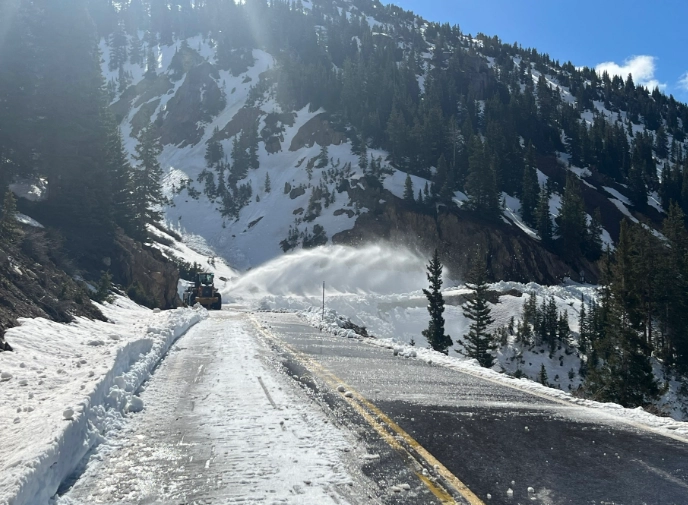
The absolute best resource is the official Colorado Department of Transportation (CDOT) travel website, COtrip.org. This site has real-time road conditions, webcams, and alerts. You can search for Highway 82 specifically over the pass. Another great source is the White River National Forest website, as the pass runs through federal land. Local news outlets like the Aspen Times also report reliably on the opening and closing announcements.
What About Temporary Closures During Summer?
Even when the answer to "is Independence Pass open" is a summer yes, things can change fast. Afternoon thunderstorms are a daily occurrence in the Colorado mountains. These can bring heavy rain, hail, and even snow at the summit any month of the year. The road might close temporarily for safety during severe weather or for accident cleanup.
Construction is another factor. It's a narrow, winding road with few alternatives for repair work. You might hit a pilot car or a delay for repaving or guardrail work. Always build in extra time.
Driving Independence Pass: The Nitty-Gritty Details
Okay, so you've confirmed the pass is open. Now what? Driving it is an experience, not just a commute. It's stunningly beautiful but demands your full attention. This isn't a zone for texting or gawking at the views while moving (pull over for that!).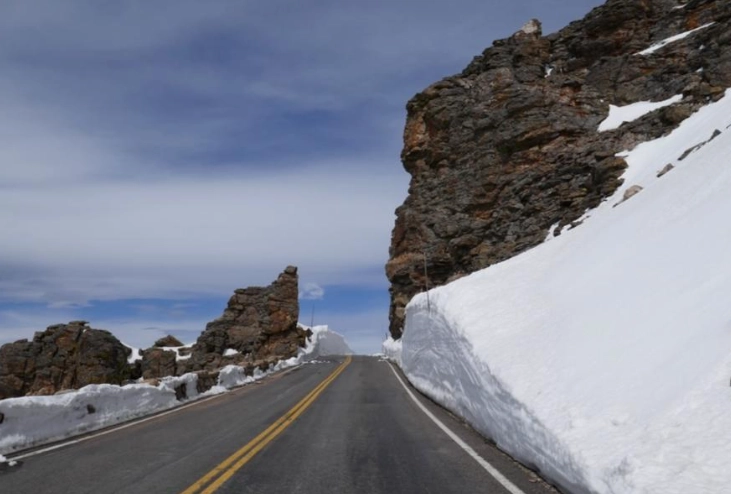
The road is a two-lane highway, but in many places, it feels much narrower. There are sharp switchbacks, steep drop-offs with minimal guardrails in sections, and grades that can test your vehicle. The 20-mile stretch from Aspen to the summit climbs over 3,000 feet.
What's the best car for the drive? Honestly, anything in good mechanical shape will do. I've done it in a compact sedan many times. You don't need four-wheel drive in the summer, but you do need good brakes and a patient driver. Low-clearance sports cars might scrape in a few spots. Motorcycles are very common, but riders need to be extra cautious of gravel, wind, and sudden weather changes.
My personal driving tips? Start early in the day to avoid afternoon storms. Drive slowly, especially on the corners. Use pullouts to let faster local traffic pass—you'll see them riding your bumper. And for heaven's sake, don't stop in the middle of the road to take a picture. There are plenty of designated scenic overlooks.
The Two Sides: Aspen vs. Leadville Approaches
The drive feels different depending on which side you start from.
From Aspen (West Side): This is the more dramatic, "wow-factor" climb. You leave the glamour of Aspen and almost immediately start winding up the narrow valley of the Roaring Fork River. The road is tight, with rock walls on one side and the river far below on the other. The vegetation changes quickly from aspen groves to pine and then to alpine tundra. It feels more intense and engineered.
From Twin Lakes/Leadville (East Side): This side feels more open, starting in the broad valley near the stunning Twin Lakes. The climb is still significant, but the curves are slightly more sweeping initially. You get incredible views of the Collegiate Peaks wilderness. Personally, I find this side slightly less white-knuckle, but it's still a serious mountain road.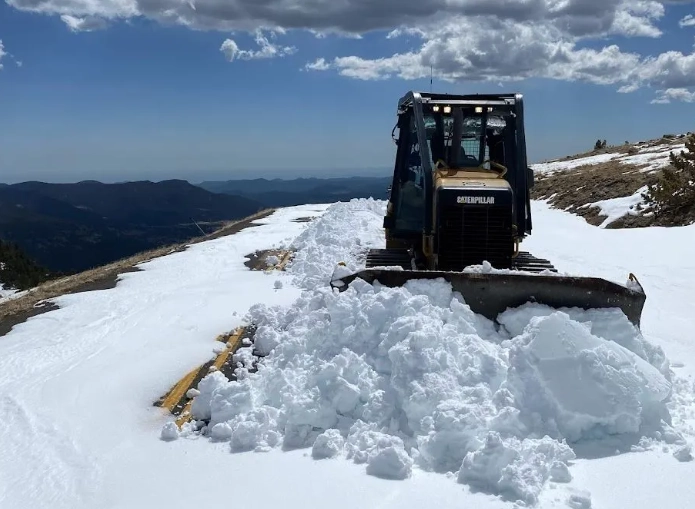
Weather, Altitude, and Safety: What You're Really Signing Up For
This is the part most guides gloss over, but it's essential. When you ask "is Independence Pass open," you're also asking if you're prepared for the environment it travels through.
Altitude Sickness: The summit is over 12,000 feet. That's high. If you're coming from sea level, you might feel it: shortness of breath, headache, fatigue, dizziness. It's no joke. Drink tons of water, avoid alcohol, and take it easy. If you feel unwell, descend. The National Park Service has a great primer on altitude illness that applies here.
Weather Whiplash: You can leave Aspen in sunny, 75-degree weather and find it blowing 45 degrees with sleet at the top 45 minutes later. Pack layers—a fleece, a rain jacket, a hat. Even in July.
Packing Checklist for Driving Independence Pass
- Layers of Clothing: Jacket, hat, gloves (even in summer).
- Water & Snacks: More than you think you need. Services are limited.
- Full Tank of Gas: Top off in Aspen or Leadville. No gas stations on the pass.
- Phone Charger: Service can be spotty, but a charged phone is key.
- Paper Map or Downloaded Directions: Don't rely solely on cell service.
- Sunglasses & Sunscreen: The sun is intense at high altitude.
- Camera: You'll regret not having one.
Wildlife: You might see mountain goats, marmots, pikas, or deer. They can be on the road. Go slow, especially at dawn and dusk. And never, ever feed them.
Things to See and Do (If You Can Tear Your Eyes from the Road)
This isn't just a road; it's a destination. Once you're up there, take your time at the pull-offs.
The Summit: There's a large parking area at the top. Walk the short paths. Read the signs. Breathe the thin air. The views are 360 degrees of Rocky Mountain magnificence.
Independence Ghost Town: Just a couple of miles west of the summit on the Aspen side. It's a well-preserved mining ghost town from the 1800s. You can wander among the old log cabins and a stabilized mill building for free. It's a fascinating and slightly eerie glimpse into Colorado's boom-and-bust past.
Continental Divide: You'll cross it right near the summit. That's the hydrological apex of the continent—water on one side flows to the Atlantic, on the other to the Pacific.
Hiking Trails: Several trails head off from the highway, ranging from easy walks to serious backcountry routes. The Forest Service site lists some options. Be prepared for steep, rocky terrain and changing weather.
Look, the drive itself is the main event. The sheer scale of the landscape is humbling. The engineering of the road, blasted out of granite cliffs, is impressive. It's a place that makes you feel small in the best way possible.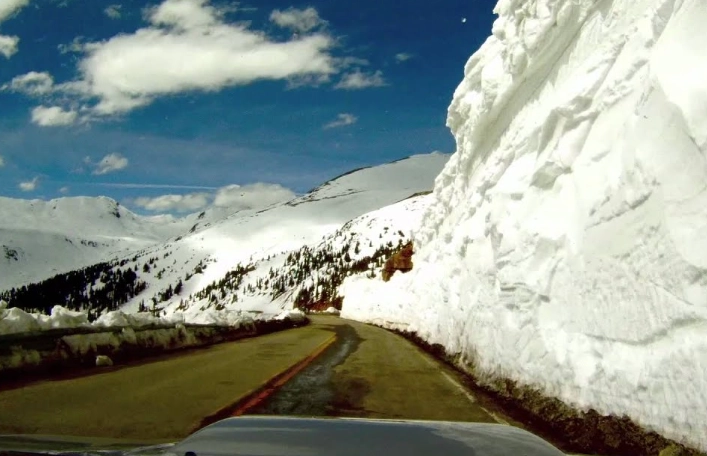
Your Independence Pass Questions, Answered
Your Independence Pass Questions, Answered
Is Independence Pass open right now?
I can't give you a real-time answer here, but I've given you the tools to find it instantly: CDOT's COtrip.org. Check that site. It's the official source.
What is the best time to drive Independence Pass?
Late June through September offers the most reliably clear weather and snow-free conditions. July and August are peak, but also busiest. September and early October are fantastic, with fall colors (the aspen groves are insane), but the risk of an early closure climbs.
Can I drive a rental RV over Independence Pass?
Probably not. Most rental RVs exceed the 35-foot length limit. You must check your specific vehicle's length. If it's over 35 feet, the answer is no, regardless of the answer to "is Independence Pass open." It's illegal and dangerous.
Are there bathrooms or food on the pass?
There are primitive vault toilets at the summit parking lot and sometimes at the Independence Ghost Town. There are no restaurants, gas stations, or shops. Bring everything you need with you.
How long does it take to drive over Independence Pass?
Without stopping, the 30-40 mile crossing takes about 1 to 1.5 hours of pure driving time. But you should plan for at least 2-3 hours minimum to allow for slow traffic, stopping at overlooks, visiting the ghost town, and just soaking it in. Don't rush it.
Is it scary to drive?
It can be intimidating if you're not used to mountain roads. The drop-offs are real, the curves are tight, and it's often busy. If you're a nervous driver, take the eastern approach from Leadville first, as it feels slightly less sheer initially. Drive during daylight, go slow, and use pullouts. It's not technically difficult for a normal car, but it requires focus.
So, there you have it. The next time you or anyone else wonders, "is Independence Pass open," you'll know it's more than a simple status check. It's about understanding the rhythm of the mountains, preparing for an adventure, and respecting one of Colorado's most spectacular but demanding roads. Do your homework, pack your patience and your layers, and you're in for an unforgettable experience. Just maybe double-check that COtrip link one more time before you head out.
Reader Comments