Quick Navigation
- Where on Earth Are They? Getting Your Bearings
- The Billion-Year Story: How the San Juans Were Forged
- Reaching for the Sky: The Famous Peaks and Passes
- Playing in the Mountains: What You Actually *Do* There
- The Human History: Boom, Bust, and Preservation
- What Nobody Tells You: The Practical, Gritty Facts
- Your Burning Questions, Answered
- The Final, Unavoidable Fact
Let's cut right to the chase. You're searching for San Juan mountain range facts, probably because a photo stopped your scroll, or a friend won't stop raving about their trip, or maybe you're just tired of hearing about the same old Colorado spots. Good. You've come to the right place. This isn't a dry encyclopedia entry. This is the stuff you actually need to know before you go, while you're there, and after you leave, wondering how you can get back.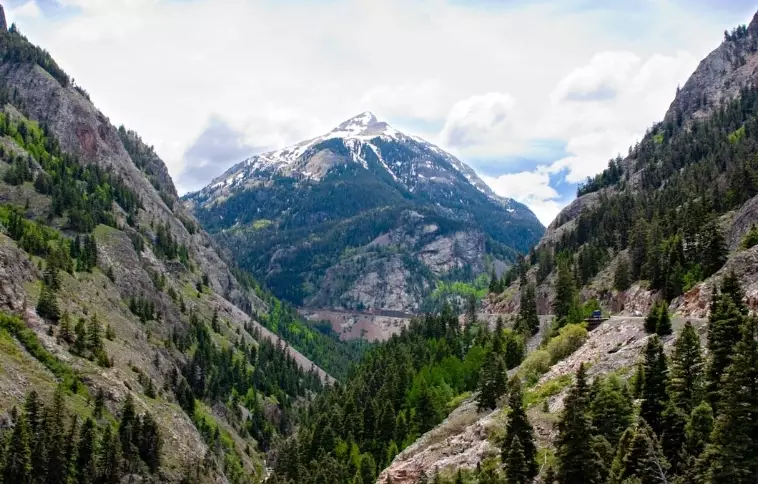
I remember my first time driving into the San Juans from the east. You leave the more rounded, forested hills near Monarch Pass and suddenly—bam. The world erupts. Jagged, crumbling peaks stacked on top of each other, valleys so deep they swallow the afternoon light. It feels chaotic, ancient, and a little intimidating. That's the first real fact about the San Juan mountain range: it doesn't look like the rest of the Rockies. It feels different. And that difference has a story.
Core Fact: The San Juan Mountains are a major mountain range in the southern Rocky Mountains, located primarily in southwestern Colorado, with a small extension into northern New Mexico. They cover a massive area, roughly 12,000 square miles, making them one of the most extensive and geologically complex ranges in the state.
Where on Earth Are They? Getting Your Bearings
This seems basic, but you'd be surprised how many people get it wrong. The San Juans aren't near Denver. They're not close to Colorado Springs. If you're flying in, your gateways are Durango, Telluride (via Montrose), or even Albuquerque if you're coming from the south.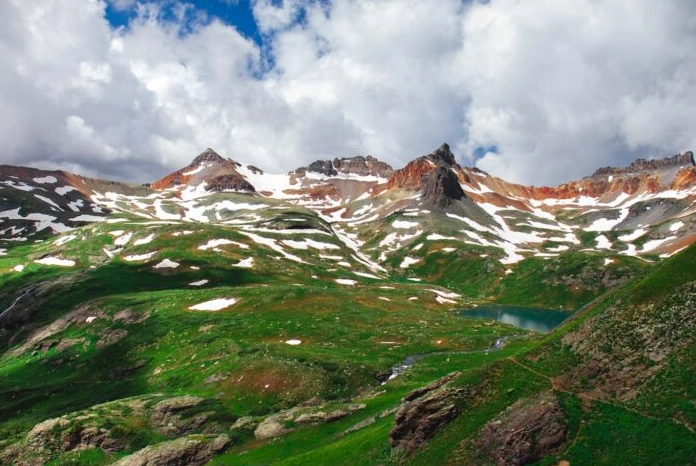
The heart of the range is cradled by a network of iconic, historic towns that are as much a part of the San Juan mountain range facts as the peaks themselves. You've got:
- Durango: The southern hub. A real town with a famous railroad (the Durango & Silverton Narrow Gauge), a university, and a great base for the Weminuche Wilderness.
- Silverton: A time capsule. A high-altitude (9,318 ft!) mining town plopped in a bowl of towering peaks. The streets are dirt, the history is palpable, and the access to backcountry is insane.
- Ouray: The "Switzerland of America." Nestled in a spectacular, steep-walled valley. Famous for its ice climbing and the Million Dollar Highway.
- Telluride: The glamorous one. A world-class ski resort in a box canyon of sheer beauty. The contrast between its historic main street and luxury homes is a story in itself.
These towns are connected by some of the most breathtaking (and sometimes white-knuckle) drives in the country, like the Million Dollar Highway (US 550) between Silverton and Ouray. That drive alone delivers a crash course in San Juan mountain range facts—you'll see exposed geology, old mines clinging to cliffs, and vistas that demand pull-offs.
The Billion-Year Story: How the San Juans Were Forged
Here's where the essential San Juan mountain range facts get really interesting. Why do they look so wild and broken? It all comes down to fire and ice. Seriously.
Most of the Colorado Rockies were pushed up by the slow, steady crunch of tectonic plates. The San Juans had a much more dramatic teenage phase. About 35 to 25 million years ago, this area was a volcanic hellscape. Not just a few volcanoes, but one of the largest volcanic fields on Earth. We're talking colossal caldera eruptions that would make Mount St. Helens look like a firecracker. These eruptions dumped thousands of feet of ash and lava, building up the initial mass of the range.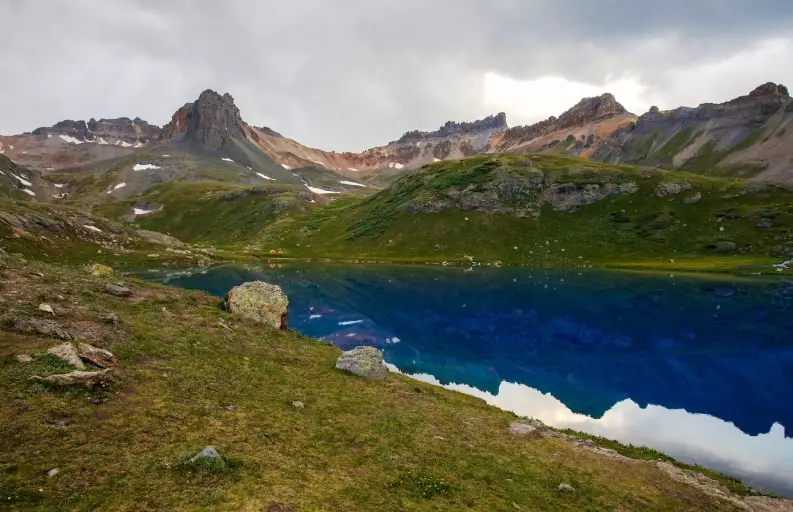
Then, things cooled down. The volcanic rock, much of it relatively soft and brittle compared to granite, was carved up by the real sculptor: glaciers. During the ice ages, massive rivers of ice gouged out the deep, U-shaped valleys you see today—like the one holding Lake City or the Uncompahgre Gorge near Ouray. The combination of soft, fractured rock and intense glacial carving created the signature San Juan look: incredibly steep, rugged peaks separated by deep, lush valleys.
To make sense of this timeline, here's a quick breakdown:
| Era/Period | What Happened | What You See Today |
|---|---|---|
| Precambrian & Paleozoic (Really Old) | Deposition of ancient sedimentary rocks (sea floors, etc.). | Found deep in the core of some peaks, like the Grenadier Range. |
| Late Cretaceous to Paleogene (~100-65 mya) | Laramide Orogeny – the main uplift of the Rocky Mountains. | The foundational "push" that created the early landscape. |
| Oligocene (~35-25 mya) | Intense Volcanism – the San Juan Volcanic Field erupts. | The dominant rock you see: volcanic tuffs, breccias, and lava flows. The source of the range's bulk. |
| Pliocene to Pleistocene (~5 mya - 12,000 ya) | Major Glacial Periods – ice sheets carve the landscape. | U-shaped valleys, sharp arêtes, cirques, and glacial lakes. The final, dramatic sculpting. |
For the true geology nerds (and to add some serious EEAT credibility), the U.S. Geological Survey (USGS) has incredibly detailed maps and studies of the San Juan volcanic field. It's complex stuff, but it explains why the hiking can be so tricky—the rock is often loose and crumbly.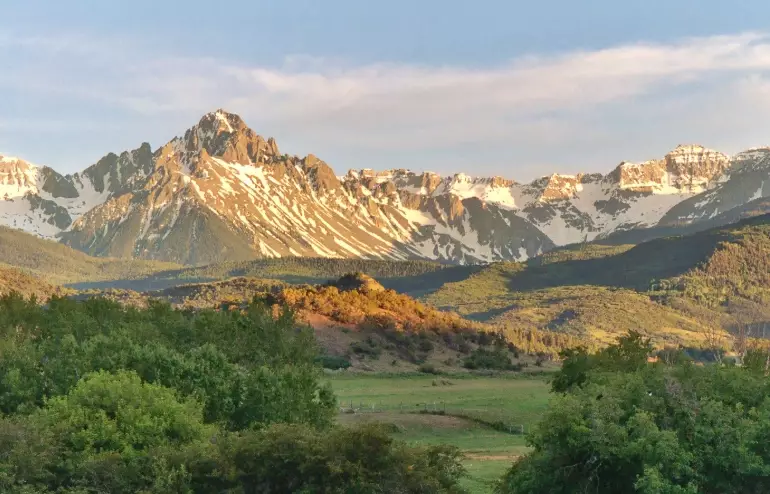
Reaching for the Sky: The Famous Peaks and Passes
No list of San Juan mountain range facts is complete without talking about the big ones. While the range doesn't have the sheer number of 14,000-foot peaks ("14ers") as the Sawatch Range, the ones it does have are notoriously rugged and remote.
The king of them all is Uncompahgre Peak (14,321 ft). It's a giant, broad mesa-like summit that dominates the skyline near Lake City. What's wild about Uncompahgre is that it's a huge block of relatively ancient Precambrian rock that was lifted up through all the younger volcanic stuff. The standard route is a non-technical hike, but the exposure near the summit gets people's hearts racing.
Then you have Mount Sneffels (14,158 ft), often called the "Queen of the San Juans." This peak is the poster child for the range. It's a stunning, pyramid-shaped peak visible from Ridgway and Telluride. The standard route goes up a steep, loose couloir (the Lavender Col) that holds snow well into summer. It feels much more like mountaineering than hiking.
But focusing only on 14ers misses the point of the San Juans. Some of the most spectacular mountains are just shy of that mark. The Grenadier Range in the Weminuche Wilderness, with peaks like Vestal Peak (13,864 ft) and the iconic Arrow Peak, features sheer, smooth walls of dark metamorphic rock that look utterly impenetrable. They're a mecca for serious technical climbers.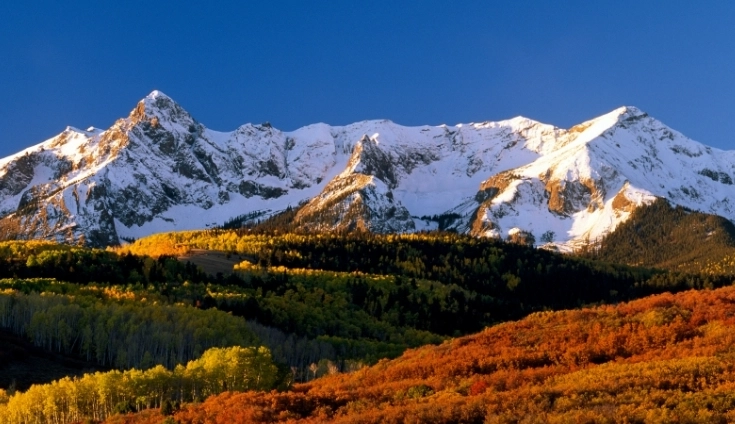
A Reality Check: The rock in the San Juans is notoriously unstable. A fact many glossy brochures omit. The beautiful, colorful rock that makes the slopes so photogenic is often volcanic tuff or breccia—essentially hardened ash and debris. It can be loose and crumbly. Scrambling up a San Juan peak often feels less like climbing solid rock and more like navigating a steep pile of dinner plates. Good footing and careful handholds are non-negotiable.
Playing in the Mountains: What You Actually *Do* There
Okay, you know where they are and how they formed. But what's it like to be there? The San Juan mountain range facts translate into some of the best outdoor recreation in the Lower 48, but with a distinct flavor.
Hiking and Backpacking
This is the main event. Trails range from gentle paths to alpine lakes to epic, multi-day traverses. The Weminuche Wilderness, the largest in Colorado, is the crown jewel. It's remote. You want to get deep in? You're probably taking the Durango & Silverton Narrow Gauge Railroad to the trailhead—that's a fact and an experience in itself.
Some classic hikes that deliver the full spectrum of San Juan mountain range facts:
- Ice Lakes Basin near Silverton: A brutally steep hike rewarded with unreal turquoise blue lakes set under sheer peaks. It's gotten insanely popular for a reason.
- Blue Lakes Trail near Ridgway: A more moderate climb to stunning lakes at the base of Mount Sneffels. The wildflowers in July are ridiculous.
- Highland Mary Lakes near Silverton: A slightly less crowded alternative to Ice Lakes, with a fantastic loop option.
Backpacking here is serious business. Weather changes fast. Trails are often steep and rocky. And the distances are vast. But the solitude you can find, especially east of the Continental Divide, is profound.
4x4 and Alpine Loop
If hiking isn't your speed, you can still get into the high alpine. The San Juans are legendary for their network of historic mining roads, now used by 4x4 enthusiasts. The Alpine Loop Back Country Byway is a famous 65-mile circuit connecting Lake City, Silverton, and Ouray. It takes you over two 12,000+ foot passes (Cinnamon and Engineer) past ghost towns and mines. You need a high-clearance, four-wheel-drive vehicle. No exceptions. Seeing a family in a minivan trying to tackle these roads is a seasonal tragedy.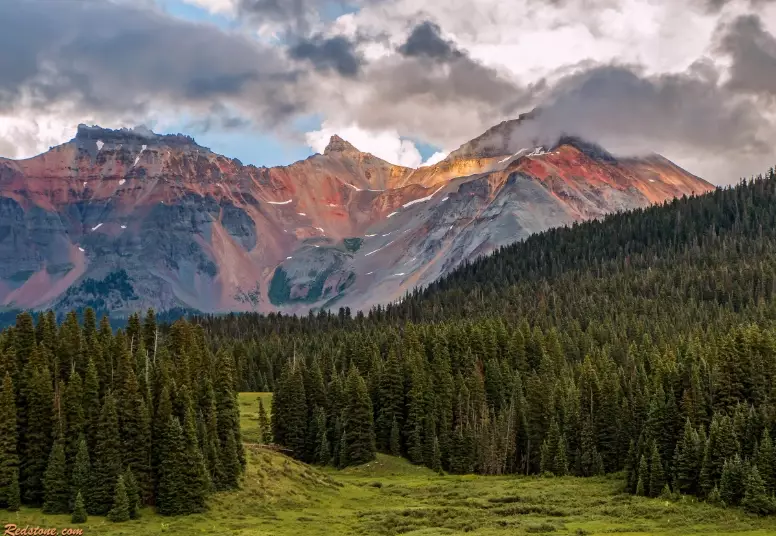
Winter Magic
The San Juan mountain range facts don't disappear under snow; they transform. Telluride and Silverton Mountain offer world-class, challenging skiing. But the real secret is the backcountry skiing and snowboarding. The terrain is complex and avalanche-prone—expert territory. Ouray becomes the Ice Climbing Capital of the world, with a frozen waterfall park that's completely unique.
The Human History: Boom, Bust, and Preservation
The mountains aren't just rocks and trees. People have left a deep mark. In the late 19th century, the San Juans were the scene of one of the last great American silver rushes. Towns like Silverton, Telluride, and Ouray exploded almost overnight. The hills are still scarred with mine adits, tram towers, and ghost towns like Animas Forks and Ironton.
This mining history is a crucial layer of San Juan mountain range facts. It shaped the towns, built the scary roads you drive on, and left an environmental legacy that's still being managed today. You can feel this history everywhere. It's not curated in a museum; it's rotting quietly beside the trail.
The shift from extraction to preservation and recreation took time. The creation of wilderness areas like the Weminuche (1975) and the relentless advocacy of locals helped protect the core of the range. Now, the challenge is balancing overwhelming popularity with the fragility of these landscapes. Seeing the trash and human waste issues at places like Ice Lakes Basin is a depressing modern fact of life here.
What Nobody Tells You: The Practical, Gritty Facts
Guidebooks love the pretty pictures. Let's talk about the stuff that actually affects your trip.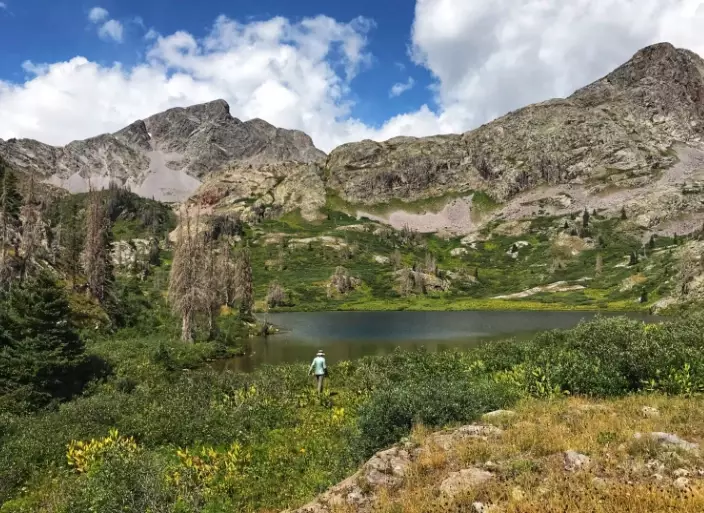
Most trailheads start above 9,000 feet. You will get out of breath faster. You might get a headache. Hydrate like it's your job, go slower than you think, and consider spending a night in Durango or Silverton to acclimatize before a big hike. I've seen too many eager, fit people from sea level have their trip ruined by altitude sickness on day one.
Afternoon thunderstorms are a daily ritual in July and August. They roll in fast, and lightning above treeline is deadly. A key San Juan mountain range fact for safety: be off high peaks and exposed passes by noon. No debate.
Cell service is spotty to non-existent on most trails and even on many highways. Download offline maps. Tell someone your plan. Carry the ten essentials. Search and rescue operations here are complex and time-consuming. Self-reliance is part of the deal.
Yes, even here. The secret is out. Popular trailheads (Ice Lakes, Blue Lakes) fill up by 6 AM on a summer weekend. To find solitude, you need to either go on a weekday, go deeper into the wilderness, or target lesser-known trails. The San Juan Mountains Association is a great resource for finding these gems and practicing Leave No Trace.
Your Burning Questions, Answered
You've got questions. After countless trips and conversations, here are the ones I hear most.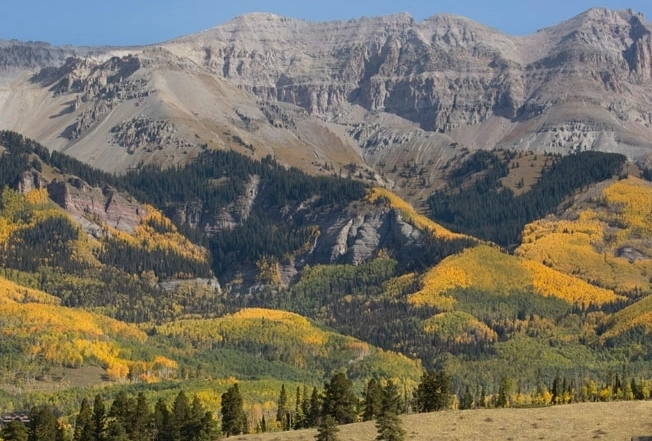
Are the San Juan Mountains part of the Rocky Mountains?
Yes, absolutely. They are a major sub-range of the Southern Rocky Mountains. Their unique geology just makes them stand out from their cousins to the north.
What's the best time of year to visit?
For hiking and general access: Late July through September. June can be muddy with snowmelt and lingering snowfields on high passes. October brings stunning fall colors (the aspen groves are insane) but also the risk of early snowstorms. Winter is for skiers and ice climbers.
Are they good for family trips?
It depends. The towns are fantastic for families—Durango has the train, Ouray has hot springs and a great park, Telluride has free gondolas. For hiking with younger kids, stick to lower-elevation trails like the Perimeter Trail in Ouray or the Riverwalk in Durango. Save the big alpine hikes for teenagers or very adventurous, acclimatized kids.
How do they compare to other Colorado ranges?
They're more rugged, more colorful, and generally feel more remote than the Front Range peaks near Denver. They have more dramatic glacial carving than the Sangre de Cristos to the east. They're less about bagging a quick 14er and more about immersing yourself in a vast, complex landscape.
Is a 4x4 necessary?
To get between major towns on paved highways (US 550, CO 145), no. A regular car is fine. To access the vast network of dirt roads, historic sites, and remote trailheads that are core to the San Juan experience, a high-clearance 4x4 vehicle is often essential. Renting one in Durango is a popular option.
The Final, Unavoidable Fact
Here's the thing about gathering all these San Juan mountain range facts. They can tell you about elevation and geology and trail miles. But they can't prepare you for the feeling. The feeling of standing on a 12,000-foot pass, looking at a sea of unnamed, jagged peaks stretching to the horizon. The chill of diving into an alpine lake that was snow an hour ago. The smell of rain on pine needles as a storm clears over a ghost town.
The San Juans are demanding. The roads are scary, the hikes are hard, the rock is loose, and the weather is fickle. They don't always give you what you want. But they always give you something real. They remind you that wilderness isn't a theme park. It's raw, beautiful, indifferent, and deeply powerful.
That's the most important San Juan mountain range fact of all. It's a place that gets under your skin. You come for the photos, but you'll remember the effort, the thin air, the sudden silence, and the scale of it all. Just go. But go prepared, go respectfully, and let the mountains show you what they are.
Reader Comments