Quick Navigation
Let's get something straight right off the bat. If you're typing "national parks in New Mexico Albuquerque" into Google, you might be setting yourself up for a tiny bit of confusion. Albuquerque itself is a vibrant city, but it doesn't house a national park within its city limits. What it does offer, and what makes it absolutely fantastic, is its position as a perfect launchpad for exploring some of the most incredible and underrated national parks and monuments in the entire American Southwest. Think of Albuquerque not as the final destination for park lovers, but as the ideal, centrally-located base camp.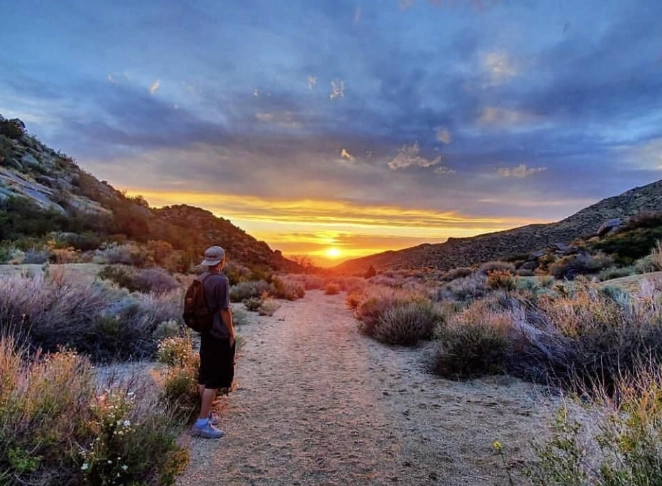
I've made the drive from the Duke City to these parks more times than I can count, sometimes for a quick weekend reset, other times for a deeper dive. The landscape shifts so dramatically once you leave the city—it's one of my favorite parts of living here. You go from the Rio Grande valley to expansive mesas, and then suddenly, you're in another world entirely.
So, what are you really looking for? Are you craving a day trip to stand in awe of a thousand-foot-deep canyon? A weekend camping trip under a blanket of stars so thick it feels solid? Or maybe a historical journey through ancient cities carved into cliffs? This guide is built to answer all those questions, cut through the clutter, and give you the real, practical info you need to plan an unforgettable trip to the national parks near Albuquerque, New Mexico.
Top National Park Sites Within Reach of Albuquerque
Here’s the core list. These are the heavy hitters, the places that consistently draw visitors from Albuquerque and deserve a top spot on your itinerary. I've ranked them not just by popularity, but by a mix of accessibility, uniqueness, and sheer impact.
| Park Name & Designation | Drive Time from Albuquerque | Can't-Miss Experience | Best For |
|---|---|---|---|
| Bandelier National Monument | ~1 hour 45 mins | Climbing ladders into ancient cliff dwellings. | Families, history buffs, easy-to-moderate hiking. |
| El Malpais National Monument | ~1 hour 30 mins | Exploring lava tube caves (with a permit/guide). | Adventure seekers, geology lovers, solitude. |
| El Morro National Monument | ~2 hours 15 mins | Seeing centuries of inscriptions at "Inscription Rock." | History, photography, a quieter stop. |
| Petroglyph National Monument (Right in Albuquerque!) | ~20-40 mins (within city) | Viewing thousands of ancient rock carvings. | A quick trip, no long drive, all ability levels. |
| Salinas Pueblo Missions National Monument (Three Units) | ~1 hour 15 mins to 2 hours | Seeing striking Spanish mission ruins against high desert. | Cultural history, peaceful contemplation. |
| Valles Caldera National Preserve | ~2 hours | Wildlife viewing in a massive volcanic crater. | Scenic drives, elk spotting, fishing. |
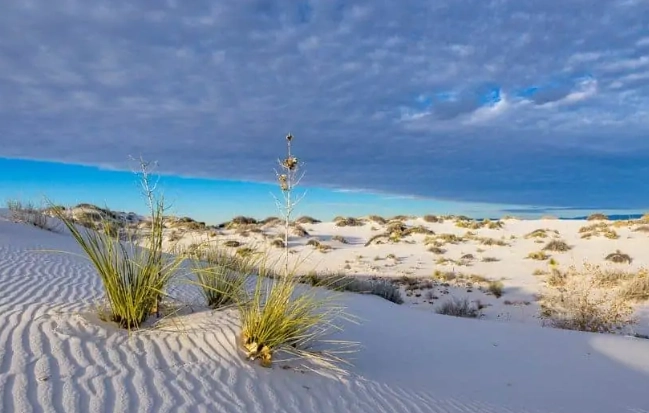
| White Sands National Park | ~3 hours 30 mins | Sledding down glowing white gypsum dunes. | Unique landscapes, sunset views, family fun. |
| Chaco Culture National Historical Park | ~3 hours | Wandering the monumental great houses of an ancient hub. | Serious archaeology fans, stargazing, remoteness. |
See that? You've got options ranging from under two hours to a half-day drive. This variety is what makes Albuquerque such a great hub. Now, let's dig deeper into a few of these gems, because a simple table doesn't do them justice.
Bandelier National Monument: Where History is Hands-On
Bandelier is probably the most popular answer to the "national parks near Albuquerque" query, and for good reason. It's relatively close, and the experience is immersive in a way few parks are. The main loop trail in Frijoles Canyon lets you walk among ruins on the canyon floor, and then—this is the best part—climb sturdy wooden ladders right into small cavates (carved-out rooms) and kivas used by the Ancestral Pueblo people.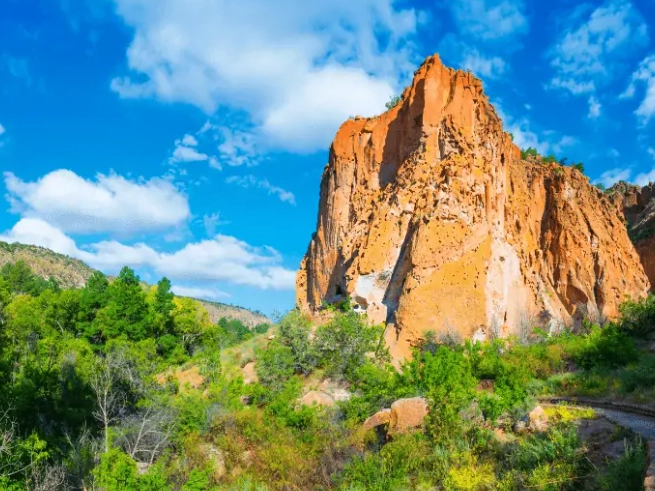
My first time climbing those ladders, I had a moment of pure wonder. It’s one thing to look at a cliff dwelling from a distance; it’s another to sit inside one, looking out through the same opening people used 600 years ago. The park service has done a great job making this accessible while preserving the sites.
If you're up for a hike, the Alcove House trail is a steeper climb involving several long ladders and stone stairs to reach a large ceremonial cave high in the cliff wall. It’s not for those afraid of heights, but the view is worth the effort.
Petroglyph National Monument: Albuquerque's Backyard Treasure
This is the cheat code for experiencing a national monument without leaving the Albuquerque metro area. Petroglyph National Monument protects one of the largest petroglyph sites in North America, with an estimated 24,000 images carved into volcanic rock by Native Americans and Spanish settlers 400 to 700 years ago.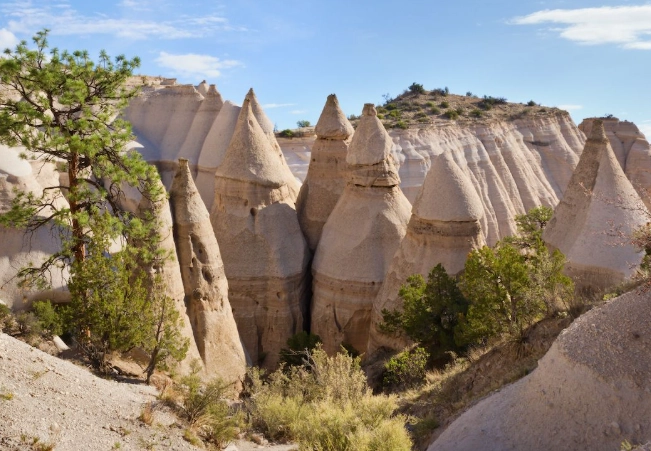
You have a few different canyon edges to choose from, like Boca Negra Canyon (very accessible, more crowded) or Rinconada Canyon (a longer, out-and-back hike for more solitude). Walking these trails feels like browsing an ancient, open-air art gallery. You'll see spirals, animals, human figures, and hands. It’s a powerful reminder of the deep history of this land, right on the city's western edge.
It's the perfect solution for an afternoon when you want a taste of the National Park Service but don't have a full day to commit.
White Sands National Park: The Otherworldly Day Trip
Yes, it's a 3.5-hour drive. But let me tell you, crossing the Sacramento Mountains and emerging into the blinding white sea of gypsum dunes of White Sands National Park is an experience that feels like traveling to another planet. It is, hands down, one of the most unique landscapes in the entire National Park System.
For families, sledding down the dunes is a must-do (buy plastic sleds locally, the waxed ones work best). For photographers, the hours around sunrise and sunset are pure magic, with the dunes turning shades of pink, blue, and gold. You can just drive the Dunes Drive and stop at pullouts, or you can hike one of the backcountry trails and find complete silence among the rolling white hills.
Crafting Your Perfect Itinerary from Albuquerque
Alright, you know the players. Now, how do you put it all together? Your plan depends entirely on how much time you have. Here’s my take, based on trial and error.
The Perfect National Parks Day Trip from Albuquerque
You have one day. You want maximum payoff with reasonable driving. Here’s your blueprint:
- Morning (Early Start!): Drive to Bandelier National Monument (1h45m). Arrive as close to opening as possible to get parking and beat the shuttle crowds. Spend 3-4 hours hiking the Main Loop Trail and, if you're feeling energetic, the Falls Trail or a portion of the Frey Trail.
- Afternoon: Drive 45 minutes west to El Malpais National Monument. Stop at the El Malpais Visitor Center on Highway 53 for info. The Sandstone Bluffs Overlook offers a breathtaking, easy-access view of the lava flows. If you planned ahead and got a permit or booked a guided tour, this is the time for a lava tube cave adventure.
- Evening: Drive back to Albuquerque (1h30m). Catch the sunset from the West Mesa overlooking the city—a great way to bookend a day of exploring national parks in the Albuquerque region.
This combo gives you two very different landscapes—lush canyon archaeology and stark volcanic geology—in one efficient loop.
The Ultimate Weekend Getaway
With two or three days, you can tackle one of the more distant crown jewels.
Option A: The White Sands & Valley of Fires Weekend. Drive down to Alamogordo, visit White Sands for sunset sledding and stargazing (check for full moon nights or astronomy programs). Stay the night there or in Las Cruces. The next day, you can explore more of the dunes at sunrise or head to the Valley of Fires Recreation Area (BLM land) near Carrizozo to walk on a much younger lava flow. It’s a fantastic geology-themed weekend.
Option B: The Chaco Canyon Deep Dive. Chaco is remote. The last 20 miles are on rough, unpaved roads that can become impassable mud after rain. But if you go, commit to staying. There’s a campground within the park, or you can find lodging in nearby towns like Cuba. Spend a full day hiking among the great houses like Pueblo Bonito and Chetro Ketl. Then, as night falls, prepare to have your mind blown. Chaco is an International Dark Sky Park. The stargazing is, without exaggeration, some of the best you will ever experience. It connects you to the ancient astronomers who built this place in a profound way.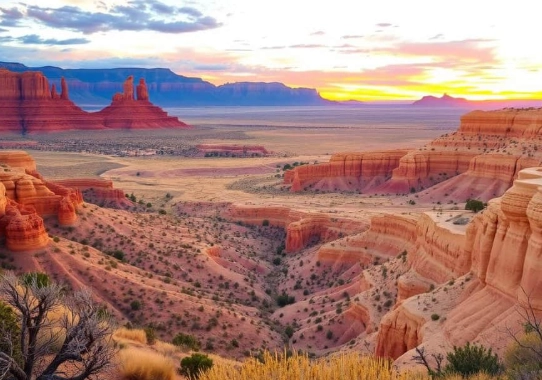
Practical Advice & Local Know-How
This is the stuff you need to know that doesn't always make it to the official brochures. Let's talk logistics.
The Elevation Thing. This isn't a joke. Albuquerque sits at about 5,300 feet. Many of these parks are higher. Bandelier's main area is around 6,000 ft, Valles Caldera is over 8,000 ft. You might get winded faster than you expect. Drink way more water than you think you need, and take it easy the first day if you're coming from sea level.
Weather is a Rollercoaster. The high desert has extreme swings. Summer afternoons can bring sudden, violent thunderstorms (flash flood risk in canyons is real!). Winters can be cold and windy, though often sunny. Spring is windy. Fall is usually perfect. The rule is layers—always pack layers, a sun hat, and a rain shell, no matter the forecast.
Respect and Preservation. This is the most important tip. These places are sacred to modern Pueblo tribes and are fragile. Do not touch, climb on, or deface rock art or structures. Stay on marked trails. Don't stack rocks (cairns). Leave everything as you found it. This isn't just about rules; it's about respect for a living culture and preserving these sites for future generations.
Answering Your Questions: The National Parks Near Albuquerque FAQ
I get asked these questions all the time. Let's clear them up.
The search for national parks in New Mexico near Albuquerque opens a door to more than you might expect.
It’s not about finding one single iconic park next to the city. It’s about discovering a network of profound places, each with its own story—stories of volcanoes, ancient civilizations, Spanish exploration, and resilient ecosystems. Albuquerque is your gateway to all of it. So grab a map, pack your water and your sense of wonder, and start exploring. The landscapes waiting just beyond the city limits are ready to leave you speechless.
Just remember to leave no trace, tread lightly, and take only pictures. These places are special. Let's keep them that way.
Reader Comments