Explore the Guide
Let's be honest, when you hear "New Mexico," your mind probably jumps to Santa Fe or Albuquerque. Maybe White Sands. But tucked away in the north-central part of the state is a place that feels like a secret, even though it shouldn't be. The Jemez Mountains are this incredible, sprawling volcanic range that's equal parts dramatic scenery, deep history, and pure relaxation. I've lost count of how many times I've driven up from Albuquerque on a whim, just to breathe the pine-scented air.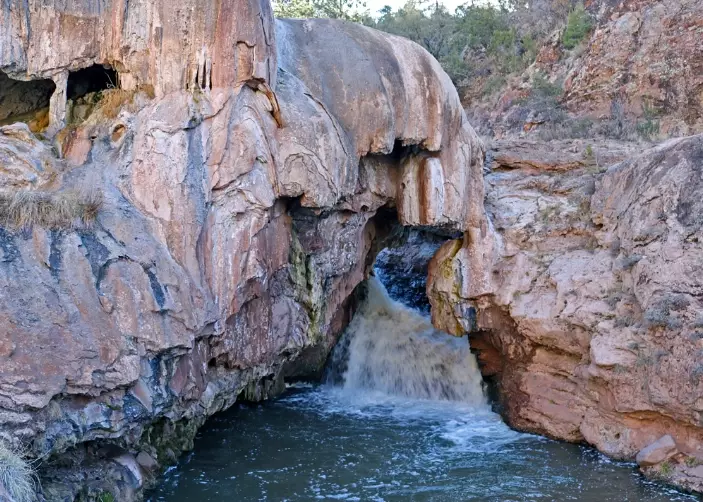
This isn't just another mountain range. It's a geologic wonderland. Millions of years ago, a supervolcano erupted here—the Valles Caldera—creating a landscape that's now a mix of towering peaks, expansive meadows, and, yes, some of the best natural hot springs you'll find anywhere. The result is a playground that offers something for the hardcore hiker, the family looking for a picnic spot, and the person who just wants to soak in a warm pool surrounded by forest.
Why listen to me? I've spent years exploring these trails and backroads. I've gotten lost on unmarked paths (briefly!), found hidden waterfalls most maps don't show, and soaked in every publicly accessible hot spring I could find. This guide is built on those experiences, meant to save you the trial and error and get you straight to the good stuff.
What Exactly Are the Jemez Mountains?
Geographically, the Jemez Mountains are a volcanic range sitting on the Pajarito Plateau. They're not the Rockies—they have their own distinct personality. The heart of it all is the Valles Caldera National Preserve, a 13-mile wide grassy valley that's actually the remnant of that ancient supervolcano. It's stunning, but it's just one piece. The range is also home to the Santa Fe National Forest, Bandelier National Monument, and Jemez Pueblo lands.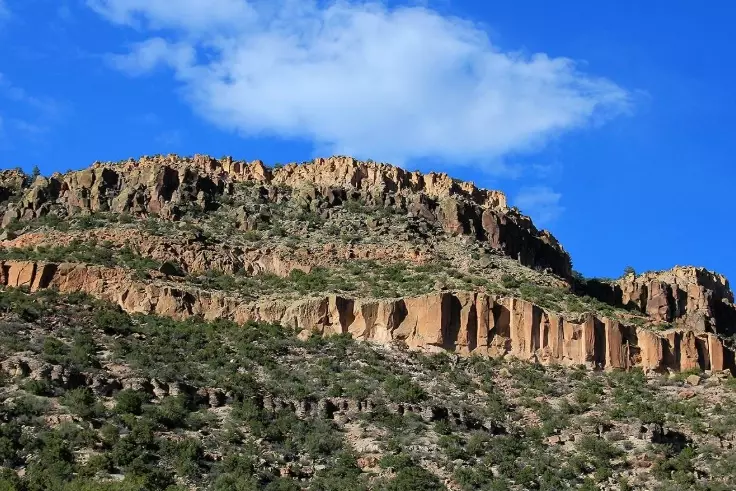
The landscape is incredibly diverse. You can be in a dense ponderosa pine forest one minute, and the next, you're looking at striking red rock cliffs in the Jemez River Canyon. Then there are the meadows of the caldera, the obsidian flows near the Obsidian Ridge, and the ubiquitous geothermal activity that gives us those precious hot springs. It's this variety that makes exploring the Jemez Mountains so rewarding—you never get bored.
Top Things to Do in the Jemez Mountains
Okay, let's get practical. You're here because you want to know what to actually do. The activities here naturally break down into a few big categories, and your trip will likely mix and match from them.
Hiking and Backpacking Trails
The trail network is extensive. Seriously, you could hike for weeks. The difficulty ranges from gentle, wheelchair-accessible paths at Bandelier to strenuous climbs up the highest peaks. The key is knowing which trail matches your ambition and the season.
A quick rant: some online lists recommend trails without mentioning the altitude. Coming from sea level? Please, take it easy. The air is thin up here. Start with something short.
Here’s a breakdown of some standout hikes to give you a flavor:
| Trail Name | Area | Distance (Round Trip) | Difficulty | Why It's Special |
|---|---|---|---|---|
| Bandelier Falls Trail | Bandelier National Monument | 3 miles | Easy to Moderate | Cliff dwellings, waterfalls, and canyon views. The full main loop is a perfect intro. |
| Cerro Grande Trail | Valles Caldera | 5 miles | Moderate to Strenuous | The best panoramic view of the entire caldera. Steep but absolutely worth it. |
| San Antonio Hot Springs Trail | Santa Fe National Forest | 1.5 miles (from upper trailhead) | Easy | Leads directly to a series of gorgeous, natural hot spring pools. A must-do. |
| East Fork of the Jemez River Trail | Jemez River Canyon | Varies (out-and-back) | Easy | Follows a beautiful river through a canyon. Great for fishing or a leisurely walk. |
My personal favorite for a half-day adventure is the combination around the Jemez River area. You can hike a bit of the East Fork trail, then drive a short way to see the Jemez Soda Dam (a weird and wonderful travertine formation), and end at the Spence Hot Springs trailhead. It packs a lot of variety into a small area.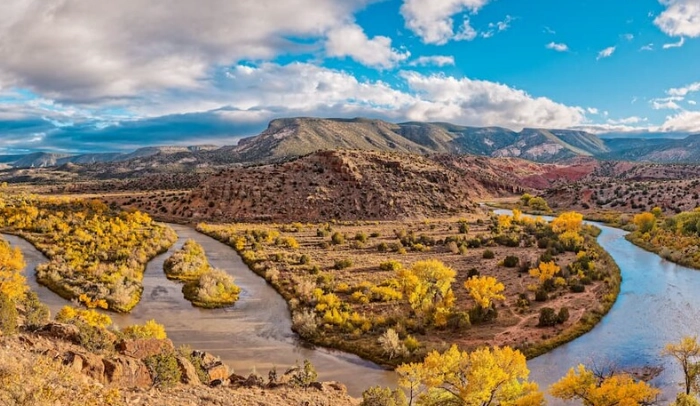
The Legendary Jemez Mountains Hot Springs
This is a major draw, and for good reason. Soaking in a natural warm pool while surrounded by forest is a magical experience. But not all hot springs are created equal, and access changes. I'll give you the real scoop.
Important Safety Note: Always test the water temperature with your hand before getting in. Some pools can be scalding hot in one spot and cool just a foot away. Never soak alone, and be extremely cautious after dark. The roads to these springs are often rough forest service roads—check conditions and have a suitable vehicle.
Spence Hot Springs: Probably the most famous and accessible. It's a short, moderately steep 0.6-mile hike down to several pools perched on a hillside with an incredible view. It gets crowded, especially on weekends. Go early on a weekday for a chance at solitude. The pools are rustic and natural.
San Antonio Hot Springs: My top pick. It's a bit more of a mission to get to (a dirt road and a short hike), but the reward is a stunning series of terraced pools fed by a constant, piping-hot waterfall. You can often find the perfect temperature by moving between pools. Check the Santa Fe National Forest website for current road conditions—the road (FR 376) is often closed in winter and can be rough even when open.
Other Options: There's also McCauley Warm Springs (more of a lukewarm creek) and the paid, developed option at Jemez Springs Bath House if you want guaranteed privacy and controlled temperatures.
Scenic Drives You Can't Miss
Not everyone wants to hike. Maybe you have limited mobility, or you just want a stunning view from your car. The Jemez Mountains deliver here too.
The Jemez Mountain Trail National Scenic Byway (NM-4): This is the main artery and an attraction in itself. Winding from San Ysidro near I-25 all the way to the edge of Los Alamos, it passes almost every major highlight. You'll drive through Jemez Pueblo, past the Soda Dam, by the trailheads for Spence and San Antonio springs, into the Valles Caldera, and past the turn-off for Bandelier. Allow a full day if you plan to stop anywhere, which you should.
Inside the Valles Caldera: The preserve itself has a few miles of gravel roads open to the public (for a fee). Driving into the middle of that vast meadow, surrounded by the caldera rim, is an experience that feels otherworldly. You're almost guaranteed to see elk. Details on access and fees are on the National Park Service page for Valles Caldera.
Planning Your Trip: The Nitty-Gritty Details
This is where many guides get vague. Let's get specific.
When to Visit the Jemez Mountains
This is crucial. The experience changes dramatically with the seasons.
- Summer (June-August): The peak season. Days are warm (70s-80s F), but afternoon thunderstorms are a daily possibility, especially in July and August. Start hikes early. The forests are lush, and everything is accessible.
- Fall (September-October): My absolute favorite. Crowds thin, the aspen trees in the higher elevations turn brilliant gold, and the weather is stable and crisp. It's perfect hiking weather.
- Winter (November-March): A different world. NM-4 often closes over the higher passes (like near the Valle Grande) due to snow. Many forest roads are impassable. However, the lower areas around Jemez Springs are often clear and can be beautiful. Cross-country skiing and snowshoeing open up in the Valles Caldera.
- Spring (April-May): Unpredictable. You can get beautiful warm days or late snowstorms. Lower trails are good, but high-elevation trails may be muddy or snowy. The runoff makes waterfalls spectacular.
Where to Stay: Lodging and Camping
There are no big resorts here. Accommodations are small-scale and fill up fast.
Towns:
- Jemez Springs: The quintessential mountain village. A few small inns, B&Bs, and the bath house. Central location.
- Los Alamos: On the eastern edge. More hotel options (chain and independent), more dining. A good base if you want more amenities.
- Cuba: On the western side. Less touristy, more of a local feel. Fewer options but good access to the western slopes.
Camping: This is the way to truly immerse yourself. The Santa Fe National Forest has dozens of developed campgrounds (like Jemez Falls, Redondo, and Las Conchas) and endless dispersed camping opportunities. Critical: Always check for fire restrictions with the Forest Service alerts page. During dry periods, campfires and even stoves may be banned. Many campgrounds are first-come, first-served and packed on summer weekends.
Pro Tip for Campers: If the popular campgrounds along NM-4 are full, look for smaller ones on the side roads off the main highway, like along FR 10 near Fenton Lake. They're often quieter.
Common Questions (Stuff You're Actually Wondering)
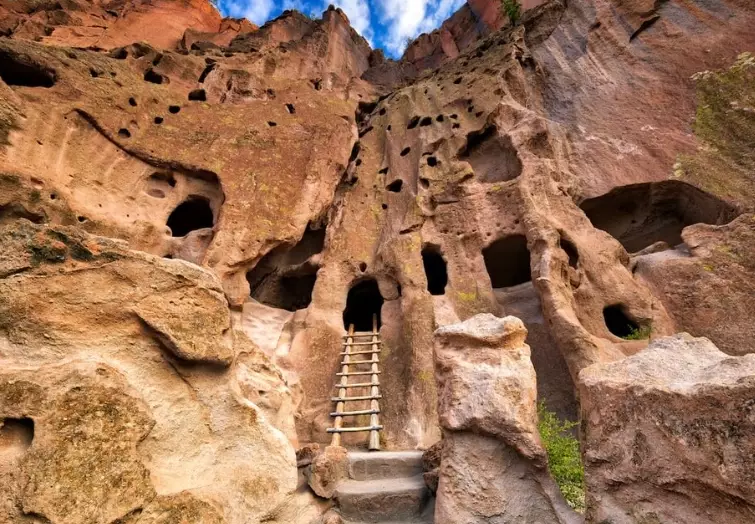
- Bandelier National Monument: Requires an entrance fee.
- Valles Caldera National Preserve: Requires an entrance fee per vehicle to enter the preserve itself.
- Some trailheads in very high-use areas may require a parking pass. Signs will be posted. When in doubt, check the managing agency's website (National Park Service or Forest Service).
Final Thoughts Before You Go
The magic of the Jemez Mountains isn't in checking off a list of attractions. It's in the feeling you get there. It's the smell of damp pine needles after a rain, the shock of stepping into a hot spring on a cool morning, the silence of the Valles Caldera meadow. It's a place that encourages you to slow down.
My biggest piece of advice? Don't try to do it all in one day. The area deserves at least a weekend, preferably more. Pick one or two focus areas—maybe the Jemez River valley and a hot spring one day, then Bandelier or the caldera the next.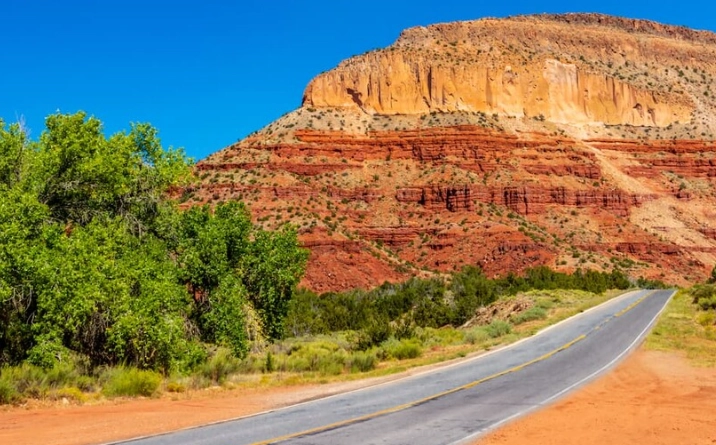
The first time I visited, I rushed. I tried to see the caldera, Bandelier, and a hot spring all between breakfast and dinner. I left exhausted and felt like I'd barely seen anything. The next trip, I camped at Las Conchas for three nights. I spent a whole afternoon just reading a book by the river. That's when I fell in love with the place. Give it time to work on you.
For the latest official information on road closures, fire restrictions, and trail conditions, always double-check with the land managers. The New Mexico Tourism Department's Jemez page is a good starting point for general trip ideas.
So, are you ready to explore the Jemez Mountains? Pack your hiking boots, your swimsuit, and a sense of adventure. You're in for a treat. Just remember to leave it as beautiful as you found it.
Reader Comments