Explore the Journey
Let's be honest. You're probably here because you've seen that photo. You know the one. The swirling, undulating sandstone that looks like a frozen wave in the middle of the desert. It's plastered all over Instagram, and it's the reason most people first hear about Vermilion Cliffs National Monument. I was the same. I saw the picture, became obsessed, and decided I had to see it for myself.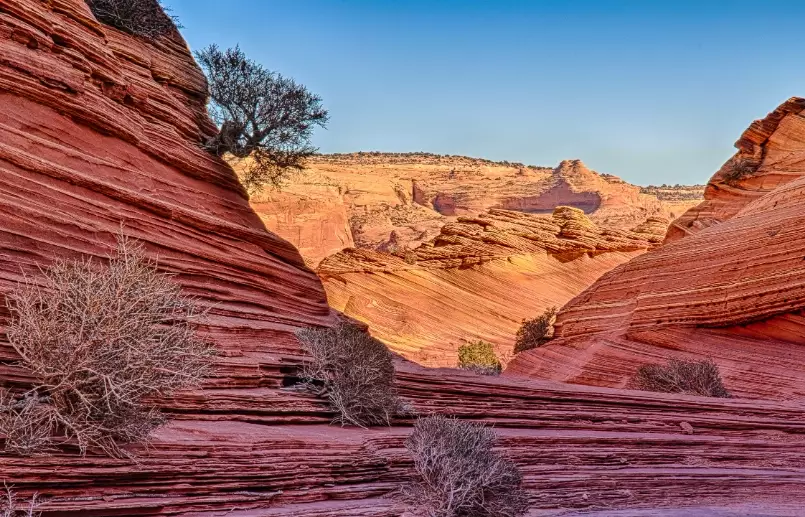
What I didn't expect was how much more there was to this place. The Vermilion Cliffs National Monument isn't just a single Instagram spot. It's a vast, rugged, and almost otherworldly chunk of the Colorado Plateau straddling the Arizona-Utah border. It's a place where the silence is so deep it rings in your ears, where the colors change from blood-red to soft pink with the angle of the sun, and where getting lost is a very real possibility (more on that later). The Wave is the star, for sure, but treating it as the only attraction is like going to a grand buffet and only eating the bread rolls.
My first trip there was a mix of awe and mild panic. The remoteness hits you like a wall of heat. No cell service. Dirt roads that turn to soup after a light rain. And a permit system for The Wave that feels like winning the lottery (because, well, it is a lottery). But navigating those challenges is part of the adventure, and it's what keeps the crowds at bay. This isn't a paved-path-and-gift-shop kind of national monument. It's raw, it's demanding, and it's spectacularly rewarding if you go in with the right information.
Why Vermilion Cliffs National Monument Feels So Different
Before we dive into the nitty-gritty of planning, it helps to understand what makes this place tick. The monument protects over 280,000 acres of dramatic geologic scenery. The main event, geologically speaking, is the Paria Plateau and the steep, multi-hued cliffs that give the area its name. These cliffs are a layer cake of sedimentary rock, with the Navajo Sandstone forming those famous cross-bedded swirls.
But here's what sets it apart from, say, the Grand Canyon (which is stunning, but can feel like a natural theme park with the shuttle buses and viewpoints). The Vermilion Cliffs National Monument is managed for its wilderness values. You won't find visitor centers, paved scenic drives, or marked trails in most of the area. The access is almost entirely via rugged dirt roads and cross-country hiking. This management philosophy, which you can read about on the official Bureau of Land Management (BLM) page for the monument, is what preserves the intense solitude. It also means you are 100% responsible for your own safety and navigation. It's public land at its most raw and authentic.
The climate is classic high desert. That means scorching, dry heat in the summer, pleasant days and cold nights in spring/fall, and potential snow in winter. The elevation varies, but much of it sits above 4,000 feet, so the sun is intense. I made the mistake of underestimating the sun once, and let's just say it was a long, red-faced drive home.
The Big One: Planning Your Trip & The Dreaded Permit
Alright, let's talk logistics. This is where most of the questions and headaches come from, especially for first-timers.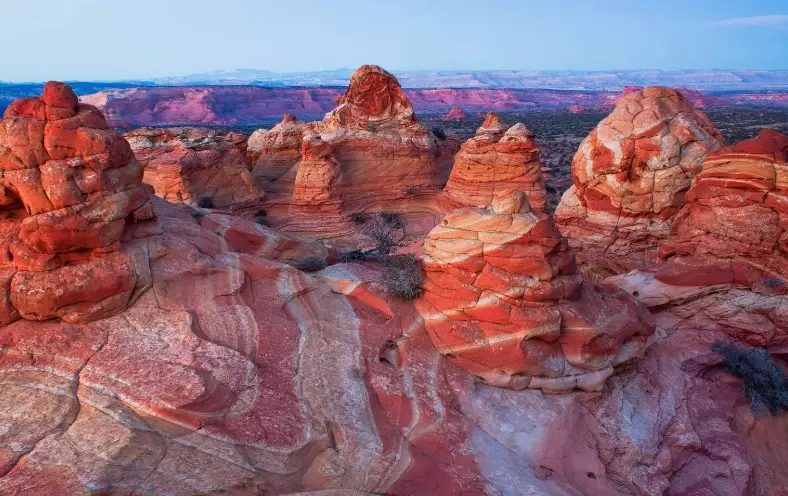
Getting There and Where to Stay
The monument is remote. The closest towns with real services (gas, groceries, motels) are Page, Arizona (about an hour south of the Wire Pass trailhead) and Kanab, Utah (about an hour north). I usually base myself in Kanab—it's got a great vibe, good food, and is the hub for exploring the broader region. Camping is the other option. There's the stately Stateline Campground right on the border, and tons of dispersed (free) camping on the surrounding BLM land. Just practice Leave No Trace principles religiously.
The Wave Permit: Your Ticket to the Main Event
This is the single most important thing you need to know. To hike to The Wave (the Coyote Buttes North area), you MUST have a permit. They limit it to 64 people per day (20 online in advance, 44 via walk-in lottery). This is strictly enforced by rangers, and the fines for trespassing are huge. The system exists to protect the incredibly fragile sandstone.
How do you get one? Brace yourself.
The Online Lottery: Run on Recreation.gov. You apply four months in advance for your desired month. The odds are famously low—often less than 10% for peak season dates. I've entered a dozen times and never won online. It's frustrating, but it's the reality.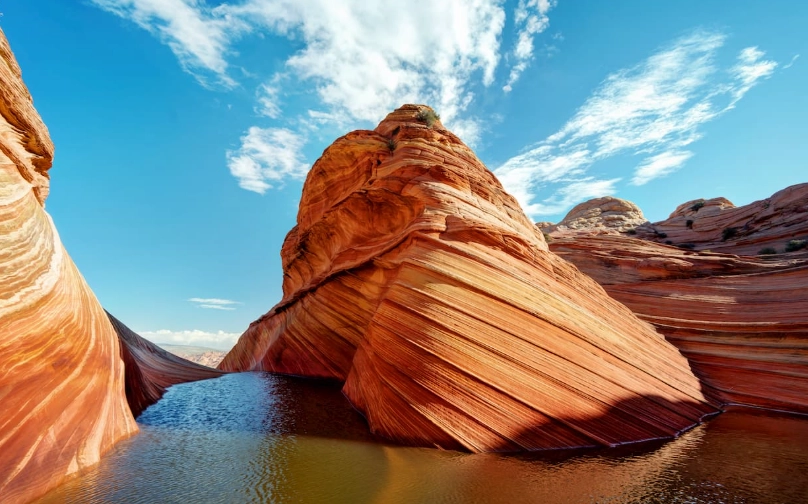
The In-Person Lottery: This is your best shot. It's held at the BLM Kanab Field Office every day for permits for the next day. You show up before 8:30 AM (Mountain Time), pay a small fee to enter, and pray. They draw names for the 44 spots. Your chances are way better here, especially on weekdays and outside of spring/fall. I got my permit this way on a Tuesday in late October. The tension in that room is palpable!
Beyond The Wave: Other Areas You Need Permits For
Yep, The Wave isn't the only permit zone. The BLM manages the fragile areas through a tiered system.
| Area Name | What's There | Permit Required? | How to Get It |
|---|---|---|---|
| Coyote Buttes North | The Wave, Top Rock Arch, Second Wave | YES (64/day) | Advanced online or daily walk-in lottery. |
| Coyote Buttes South | Teardrop Arch, The Paw Hole, Cottonwood Cove | YES (20/day) | Advanced online lottery only. Often easier than North. |
| Paria Canyon | Long, stunning slot canyon hike (overnight) | YES (20/day) | Advanced online reservation. Highly competitive. |
| White Pocket | Brain-rock formations, less crowded | NO (as of now) | Just need a high-clearance 4WD vehicle to access. |
| Vermilion Cliffs Wilderness | General backcountry, cliff areas | NO (for day use) | Free to explore, but no developed trails. |
See that? White Pocket doesn't need a permit. This is a massive pro-tip. If you strike out on The Wave lottery, White Pocket offers similarly surreal geology without the permit hassle (though with a serious drive).
The Top Experiences: From The Famous to The Forgotten
Let's break down what you can actually do within Vermilion Cliffs National Monument. I'll rank these based on a mix of wow-factor and accessibility.
The Wave (Coyote Buttes North)
Obviously. The 6-mile round-trip hike isn't terribly long, but it's entirely off-trail across open desert and slickrock. You must be an expert navigator with a GPS, map, and the specific route description provided with your permit. People get lost out here every year. The hike itself is part of the fun—finding the subtle cairns, navigating the washes. And then you round a corner and see it. It's smaller than photos make it look, but more intricate. Every curve and stripe is a work of art. Spend time exploring the surrounding area too—the Second Wave and Top Rock Arch are nearby and often empty.
White Pocket
My personal favorite, and I'm not alone. If The Wave is a masterpiece of flowing lines, White Pocket is a chaotic, brain-like explosion of swirling white and red rock. The access is the main barrier: a 17-mile dirt road that requires a high-clearance 4WD vehicle, especially the final sandy stretch known as "the belly." I've seen 2WD sedans get hopelessly stuck. Once you hike the last half-mile in, you have a playground of hoodoos, domes, and pools all to yourself. No daily limit (yet). No marked trail. Just pure exploration. It feels more adventurous than The Wave, honestly.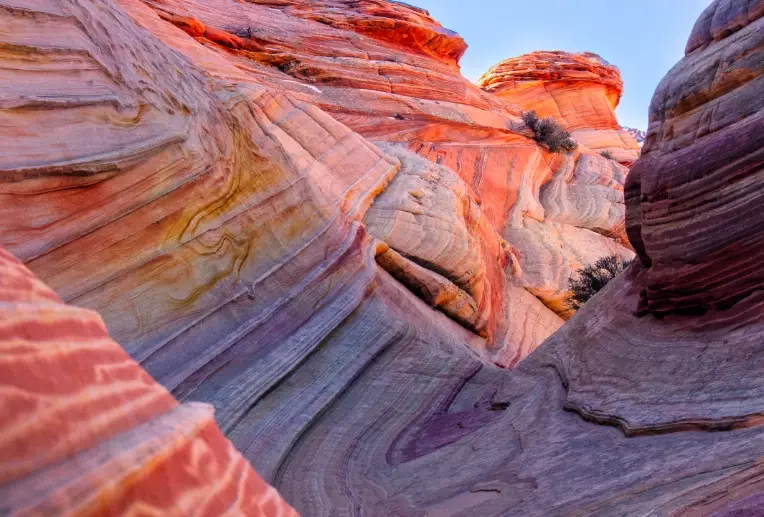
Paria Canyon
This is a multi-day backpacking epic. You hike through a deep, narrow slot canyon for miles, sometimes wading through cold water. It starts at the White House trailhead and ends at Lees Ferry. You need a permit, serious gear, and to be prepared for flash flood risk. It's not for casual hikers, but for canyon enthusiasts, it's a bucket-list trip. The BLM's dedicated page for Paria Canyon has essential safety info.
The Rimrocks and Dispersed Exploration
Don't overlook the simple act of driving the dirt roads along the base of the actual Vermilion Cliffs. Places like the Stateline Overlook offer jaw-dropping views of the towering cliffs. You can pull over almost anywhere, hike up a wash, and find your own private slot canyon or hoodoo. This is the spirit of the monument—unscripted discovery. Just have a good map and tell someone where you're going.
Staying Safe: This Isn't a City Park
I need to be blunt here. People get into trouble at Vermilion Cliffs National Monument. The combination of remoteness, off-trail hiking, and extreme weather is dangerous if you're unprepared.
- Navigation is Non-Negotiable: A paper map and compass, plus a fully charged GPS device (like a Garmin inReach or a phone with offline maps on Gaia GPS). Do not rely on phone service or memory.
- Water is Life: Carry at least one gallon (4 liters) of water per person, per day. In summer, carry more. I carry a 3-liter hydration bladder plus two extra liters in bottles.
- Tell Someone: Leave a detailed trip plan with a friend: where you're parking, your planned route, and when you'll check in.
- Weather Watch: Summer heat can cause heatstroke quickly. Monsoon season (July-Sept) brings sudden, violent thunderstorms and flash floods. Do not enter any slot canyon if rain is forecast anywhere upstream. Winter can bring ice and snow.
- Road Conditions: Dirt roads become impassable mud when wet. Check with the BLM Kanab Field Office for current conditions. A flat tire is a common souvenir.
It sounds like a lot, but this prep is what lets you relax and enjoy the immense beauty without fear.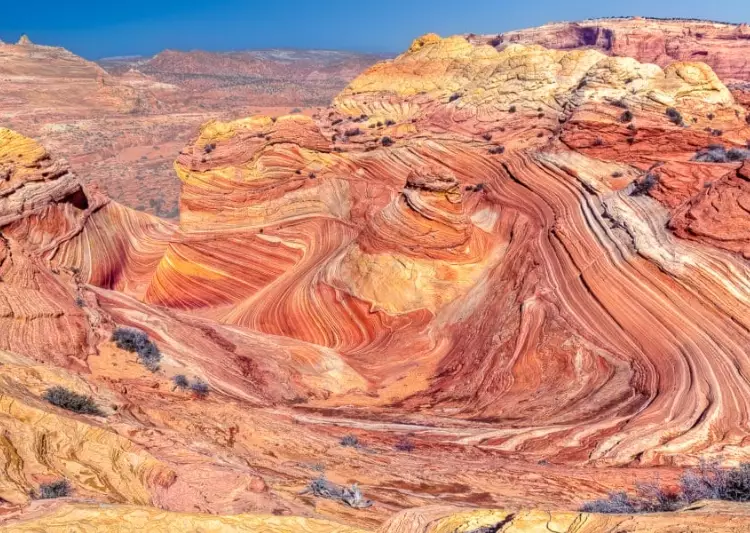
Your Vermilion Cliffs Questions, Answered
I've gotten a ton of questions from readers over the years. Here are the big ones.
Is it worth visiting if I don't get a Wave permit?
Absolutely, 100% yes. This is the biggest misconception. White Pocket alone is worth the trip. The drive along House Rock Valley Road, exploring the lesser-known corners of the monument—it's all stunning. A failed lottery is a bummer, but it's not a reason to skip the area.
Vermilion Cliffs vs. Grand Canyon: Which is better?
Apples and oranges. The Grand Canyon is about overwhelming scale and iconic views with full services. Vermilion Cliffs National Monument is about intimate, hands-on exploration of surreal geology with zero services. If you want convenience and guaranteed vistas, go to the South Rim. If you want adventure, solitude, and the feeling of discovery, choose Vermilion Cliffs.
Can I see the cliffs from my car?
You can see the distant cliff faces from Highway 89. But to truly experience the monument, you must get out on the dirt roads and hike. There's no scenic drive through the heart of it.
What's the best time of year to go?
Spring (April-May) and Fall (September-October) are ideal. Warm days, cool nights. Winter can be beautiful but cold, with short days. Summer (June-August) is brutally hot—only for very experienced, well-prepared desert hikers who start at dawn.
Are there any guided tours?
Yes, and for many people, this is the smartest option. Licensed guides can provide 4WD transportation (crucial for White Pocket), expert navigation, and geological knowledge. They also have access to a separate, commercial permit pool for Coyote Buttes. If you're nervous about the drive, the navigation, or just want to maximize your day, a guide is a fantastic investment. Search for licensed operators based in Kanab or Page.
Final Thoughts: Embracing the Challenge
Visiting Vermilion Cliffs National Monument requires more effort than most public lands. The permits, the dirt roads, the navigation—it's a filter. And that's a good thing. It ensures that those who make the journey are the ones who will appreciate it deeply and tread lightly.
It taught me to slow down. To read a map. To appreciate the value of a gallon of water. And to understand that the most beautiful places aren't always the easiest to get to. The Wave is a geological wonder, but the real magic of the Vermilion Cliffs National Monument is the feeling of having a vast, wild, colorful landscape all to yourself. That's a rarity these days, and it's worth every bit of the planning it takes to get there.
So do your homework, apply for that lottery, pack your sense of adventure (and extra water), and go see it. Just remember to leave the stripes in the sand for the next person to find.
Reader Comments