Quick Navigation
- Why Do So Many People Ask "Is Las Vegas in California?"
- Nevada vs. California: Why the State Line Matters More Than You Think
- So, Where Exactly *Is* Las Vegas? A Pin on the Map
- Practical Tips If You're Traveling Between California and Las Vegas
- Answering Your Related Questions (The FAQ You Actually Need)
- Final Thoughts: Why Getting It Right Is Useful
So, you're planning a trip, maybe filling out a form, or just got into a friendly argument with a friend. The question pops up: Is Las Vegas in California? It's one of those things that seems like it should be obvious, but for a surprising number of people, it's genuinely confusing. I get it. The cultures blend, the maps look close, and let's be honest, not everyone paid full attention in geography class. I remember a friend of mine once booked a non-refundable hotel in Anaheim, California, thinking it was a quick drive to the Vegas Strip for a show that night. That was an expensive and frustrating lesson about state lines.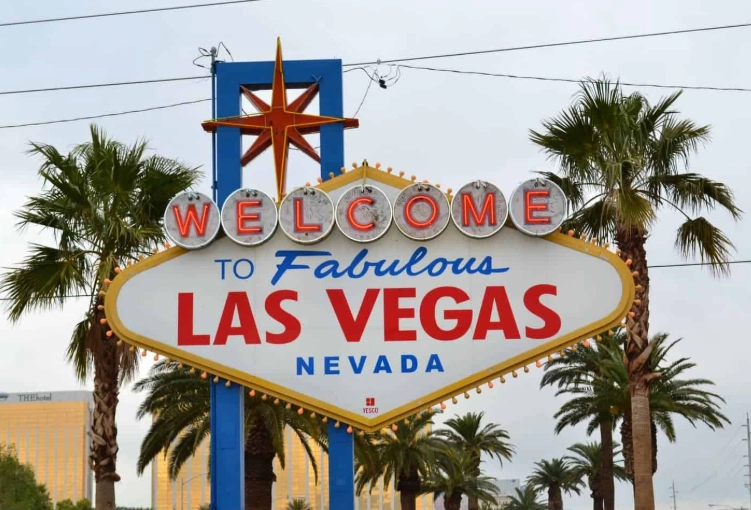
The short, direct, no-nonsense answer is no. Las Vegas is decidedly not in California.
It sits firmly within the state of Nevada. But if the answer were that simple, you wouldn't be here reading this, right? The real value isn't just in the "no," but in the "why"—why people get confused, why it matters, and what you need to know if you're traveling, moving, or just curious. This mix-up is more common than you'd think, and it can lead to real-world headaches.
Why Do So Many People Ask "Is Las Vegas in California?"
It's not a stupid question. There are some pretty logical reasons why the lines get blurred in people's minds. Think about it from a pop culture perspective.
First, the proximity. Las Vegas is located in Clark County, in the southern tip of Nevada. It's literally a stone's throw from the California border. If you drive west from the Strip on I-15, you'll cross into California in about 30-40 minutes, hitting the Mojave Desert towns like Primm and then the state line. This closeness makes it feel like part of the same region, which it is—the broader Southwest—but not the same state.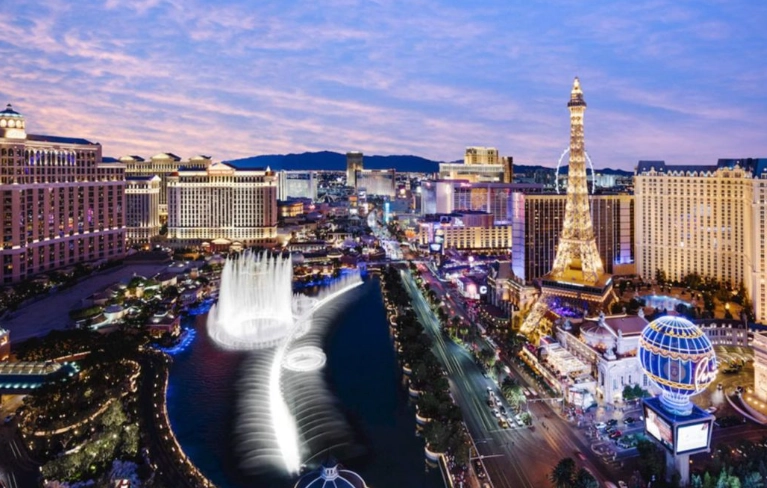
Then there's the cultural spillover. A huge number of visitors to Las Vegas come from California, especially Southern California. Los Angeles is about a 4-hour drive away. The entertainment industries are linked. Celebrities, shows, and trends flow back and forth. For many Californians, Vegas feels like a weekend extension of their own backyard. This familiarity breeds a kind of geographical assumption.
Media doesn't help either. Movies and TV shows often portray a seamless "West Coast" vibe that lumps Southern California and Las Vegas together. They rarely stop to clarify state jurisdictions unless it's a plot point about gambling laws.
So, when someone wonders, "Is Las Vegas in California?" they're often coming from a place of perceived regional connection, not ignorance. But understanding the distinction is crucial.
Nevada vs. California: Why the State Line Matters More Than You Think
This isn't just about coloring the right state on a map. The Nevada-California border represents a significant shift in rules, atmosphere, and even economics. Confusing the two can cost you time, money, or lead to unexpected surprises. Let's break down the major differences in a way that actually matters to you.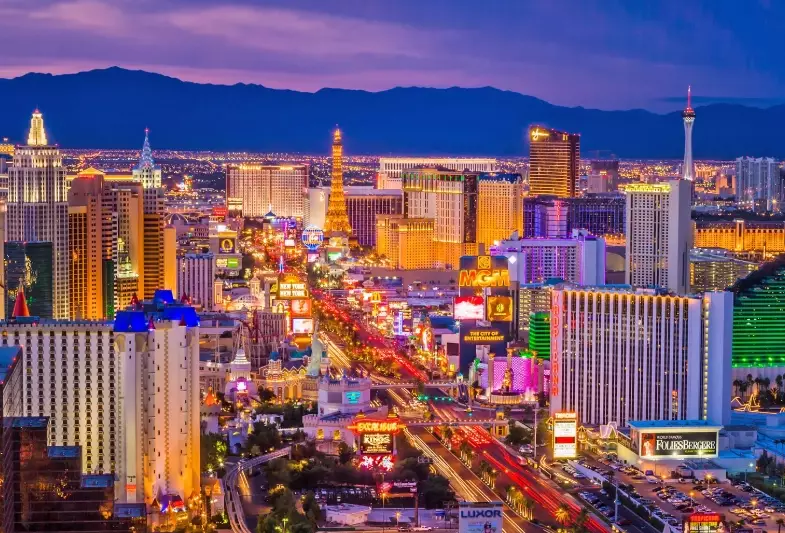
| Feature | Nevada (Home of Las Vegas) | California |
|---|---|---|
| Legal Gambling | Fully legal and widespread. This is the cornerstone of Las Vegas's economy. | Limited to tribal casinos, card rooms, and the state lottery. No large-scale commercial casinos like Vegas. |
| State Sales Tax | Statewide base rate is lower. Clark County (Las Vegas) rate is around 8.38%. You can check current rates on the Nevada Department of Taxation website. | Generally higher. State base rate is 7.25%, with local additions often pushing it over 8.5% and much higher in some areas. |
| Alcohol Laws | Very liberal. 24-hour sales, open container laws are lenient on the Strip (in designated areas), and you can buy alcohol in grocery, convenience, and even some gift stores any time. | More restrictive. Sales stop at 2 AM, and you can only buy spirits (hard liquor) in dedicated liquor stores, not supermarkets. |
| Smoking Laws | Allowed in most casinos, bars that don't serve food, and on casino floors. A major difference in atmosphere. | Banned in almost all indoor workplaces, including bars and casinos. |
| Primary Vibe | Built on tourism, entertainment, and 24/7 adult-oriented activity. The mantra is "What happens here, stays here." | Incredibly diverse—tech hubs, agricultural heartland, cinematic history, and natural wonders from beaches to mountains. |
| Governing Body Info | Official state info can be found at NV.gov. | Official state portal is CA.gov. |
See what I mean? Getting the state wrong means getting the basic rules of your environment wrong. Imagine planning a big gambling night only to find out you're in a state where it's largely illegal outside specific locations. Or budgeting for taxes on a big purchase based on the wrong rate.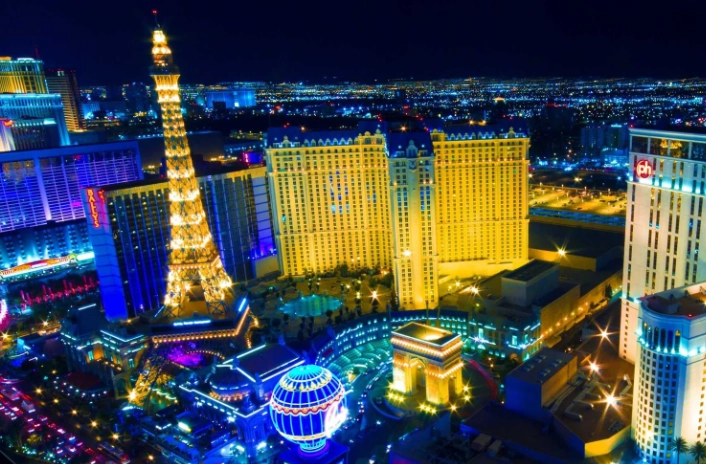
And here's a personal peeve of mine: some travel blogs and even TV segments will vaguely refer to "Las Vegas, CA" or talk about a "California vacation in Las Vegas." It's sloppy and perpetuates the myth. Always double-check your sources.
So, Where Exactly *Is* Las Vegas? A Pin on the Map
Let's get specific. Las Vegas is situated in the Mojave Desert, in the southern part of Nevada. Its exact coordinates put it roughly 270 miles northeast of Los Angeles and about 300 miles east of the Pacific Ocean.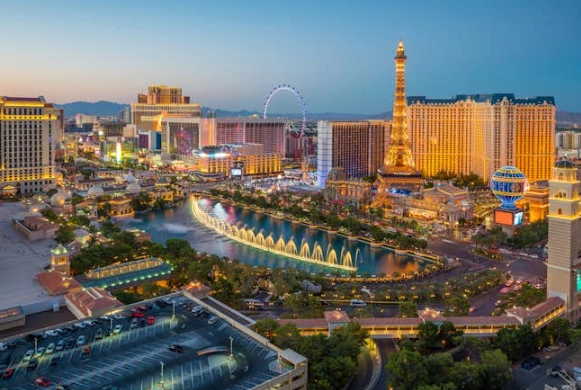
The city is the county seat of Clark County. If you look at a map from a reliable source like the U.S. Geological Survey or even Google Maps, you'll see Nevada's angular shape. The Colorado River forms the southeastern border with Arizona, and the sharp point at the bottom is where the Nevada, California, and Arizona borders meet at a tri-point near Laughlin. Las Vegas is northwest of that.
For visual learners, the best way to grasp this is to look at a map. But the narrative is this: California lies to the west and south. Arizona is to the southeast. The rest of Nevada stretches north. The Hoover Dam, that iconic engineering marvel, is on the Nevada-Arizona border, southeast of the city. Lake Mead, the reservoir formed by the dam, also straddles the two states. You can find fantastic maps and geographical data on the National Park Service page for Lake Mead.
When you fly into Harry Reid International Airport (LAS), you are landing in Nevada. Every sign, every law, every police officer is operating under Nevada jurisdiction. That's the final, physical truth of the matter.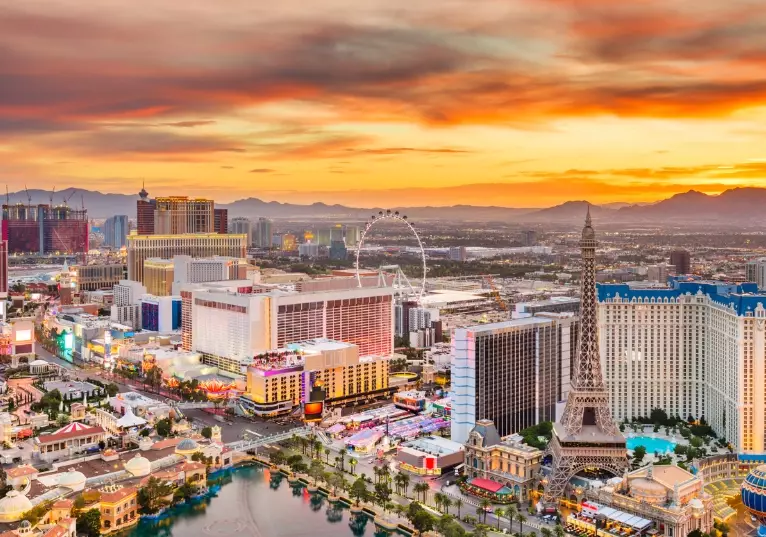
Practical Tips If You're Traveling Between California and Las Vegas
Since the connection between California and Las Vegas is so strong for travelers, here's a down-to-earth list of things to keep in mind. This is the stuff I wish I'd known on my first few trips.
- Time Zone Check: Las Vegas is in the Pacific Time Zone (PT), but Nevada does observe Daylight Saving Time. California is also on Pacific Time. So, for most of the year, there is no time difference between Los Angeles/San Diego and Las Vegas. However, always verify during the short windows when clocks change (spring/fall) as state policies can theoretically differ, though they currently align.
- The Drive: The I-15 is the main artery. It's a straight shot but can be monotonous and brutally hot. From LA, it's about 4-5 hours without traffic (good luck with that leaving LA). From San Diego, add an extra hour or so. Always, always check traffic and weather conditions before you leave, especially for summer heat or winter passes near the California-Nevada border.
- What to Expect at the Border: It's not an international border, but you will see signs welcoming you to "The Silver State" of Nevada or "The Golden State" of California. The California Agricultural Inspection Station, eastbound on I-15, is usually quick. Just be prepared to stop and maybe answer a question.
- Gas and Supplies: Gas is often (but not always) cheaper in Nevada than in California. It's a common tactic to fill up just after crossing the state line into Nevada. Similarly, alcohol is cheaper and more readily available in Nevada.
- Legal Mindset Shift: Remember the table above. When you cross into Nevada, the rules around gambling, drinking, and smoking change noticeably. Be aware of your new environment.
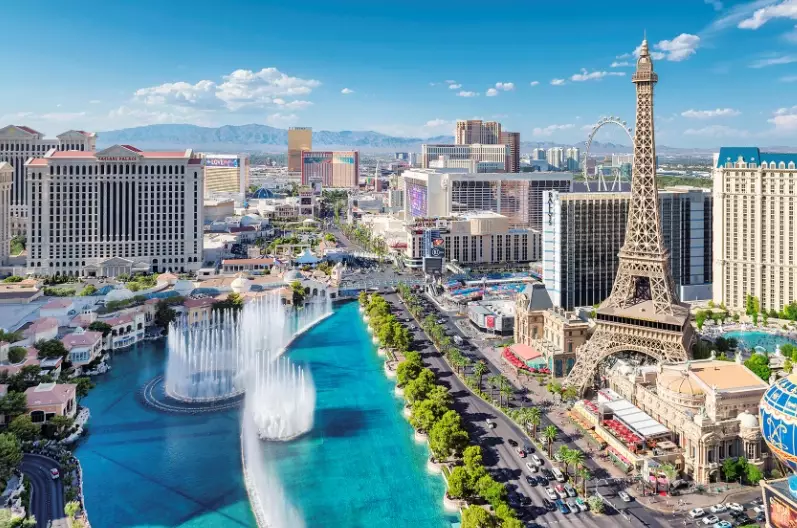
Honestly, the drive can be a drag. The scenery has a stark beauty, but it's mostly desert. I usually load up on podcasts and make sure my AC is working. The moment you see the skyline of the Strip rising from the desert floor, though, it's always a thrill. It feels like arriving in another world, not just another state.
Answering Your Related Questions (The FAQ You Actually Need)
- Los Angeles, CA: ~270 miles, 4-5 hour drive.
- San Diego, CA: ~330 miles, 5-6 hour drive.
- Riverside/San Bernardino (Inland Empire), CA: ~200 miles, 3-4 hour drive.
- Bakersfield, CA: ~300 miles, 4.5-5.5 hour drive.
Final Thoughts: Why Getting It Right Is Useful
At the end of the day, knowing that Las Vegas is in Nevada and not California is a small piece of knowledge, but it's a gateway to understanding a lot more. It helps you navigate laws, plan trips accurately, and even understand American cultural geography a bit better.
The confusion between Las Vegas and California is understandable, but now you have the clear facts. You can confidently say that no, Las Vegas is not in California, it's the beating heart of the Nevada desert. You know why the mix-up happens, and more importantly, why the distinction has real consequences.
So next time someone asks you, or you see it written incorrectly, you'll know. And maybe you can save them from a logistical headache, or at least win a trivia bet. Safe travels, whether you're headed to the Golden State or the Silver State—just make sure you know which is which!
Reader Comments