When you picture Oregon, you probably see dripping rainforests, rugged coastlines, and snow-capped peaks. That's the postcard version. Drive east of the Cascade Mountains, and the landscape does a complete 180. The air gets dry, the trees thin out, and you're suddenly in a world of vast, silent spaces under an enormous sky. This is Oregon's high desert—a place of stark beauty, volcanic remnants, and resilient life that most visitors never see.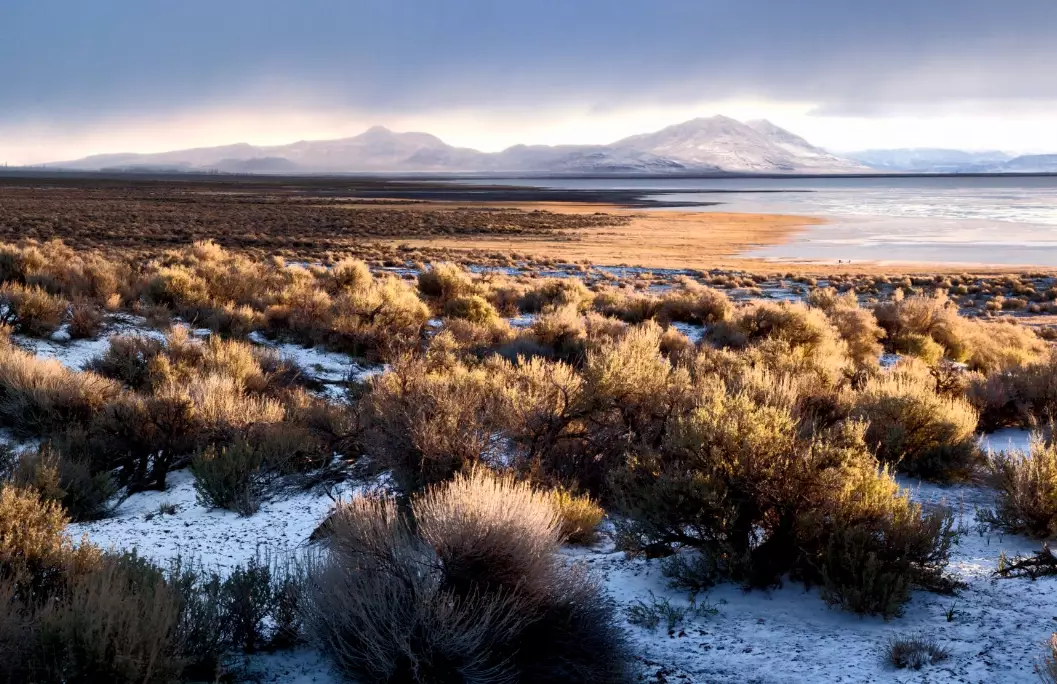
I've spent years exploring these remote corners, and I still get a thrill turning off the last paved road. It's a different kind of adventure. One that requires more planning, more self-reliance, and rewards you with solitude you simply won't find on the coast trail.
Your Quick Guide to the Oregon Desert
What Makes the Oregon High Desert Unique?
Let's clear something up. This isn't the Sahara. "High desert" means it's at elevation—often between 4,000 and 9,000 feet—and receives less than 12 inches of rain a year. The result? A mosaic of sagebrush steppe, ancient lake beds, fault-block mountains, and bizarre volcanic formations. The ecosystem is fragile. A cryptobiotic soil crust, a blackish living layer on the ground, holds everything together. Driving or walking off-road destroys it for decades.
The history here is written on the land. You'll find wagon ruts from the Oregon Trail, pictographs from Native tribes who thrived here for millennia, and ghost towns from short-lived mining booms. The sense of time is different. Slower. More geological.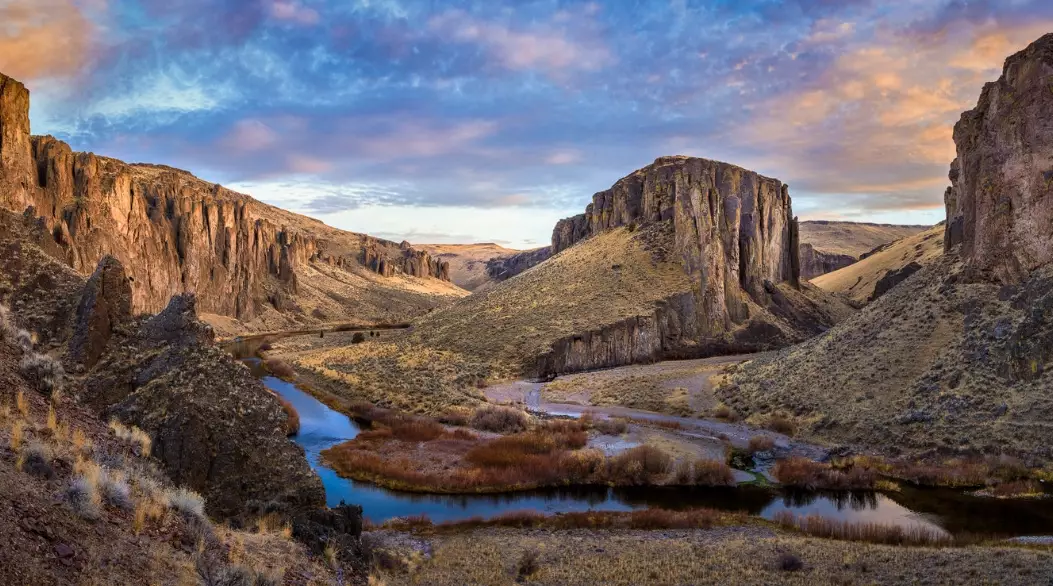
How to Plan Your Oregon Desert Road Trip
Throwing a dart at a map won't work here. Services are few and far between. Gas stations can be 100 miles apart. Cell service is a rare luxury. Your plan is your safety net.
A Sample 3-Day Loop from Bend
Bend is the perfect gateway. It has all the supplies you need before you head out.
- Day 1: Bend to Frenchglen (approx. 3.5 hrs). Stop at the Peter Skene Ogden State Scenic Viewpoint, then dive into the high desert on OR-31. Settle in at the historic Frenchglen Hotel (reservations essential) or camp at the nearby Page Springs Campground. Evening drive up the Steens Mountain Loop Road (gravel, high clearance needed) for epic views.
- Day 2: Explore the Alvord Desert. Drive south from Frenchglen to Fields Station for a famous milkshake, then east to the Alvord Desert playa. This is a 12-mile-long dry lake bed. Absolutely surreal. You can walk or drive on it (only when bone dry!). Soak in the nearby Alvord Hot Springs (privately owned, small fee). Camp dispersed on the BLM land around the playa's edge.
- Day 3: Alvord Desert to Bend via Burns (approx. 4.5 hrs). Visit the Malheur National Wildlife Refuge headquarters near Princeton. Even if you're not a birder, the setting is beautiful. Refuel and grab lunch in Burns before heading back west on US-20.
If You Have 5 Days
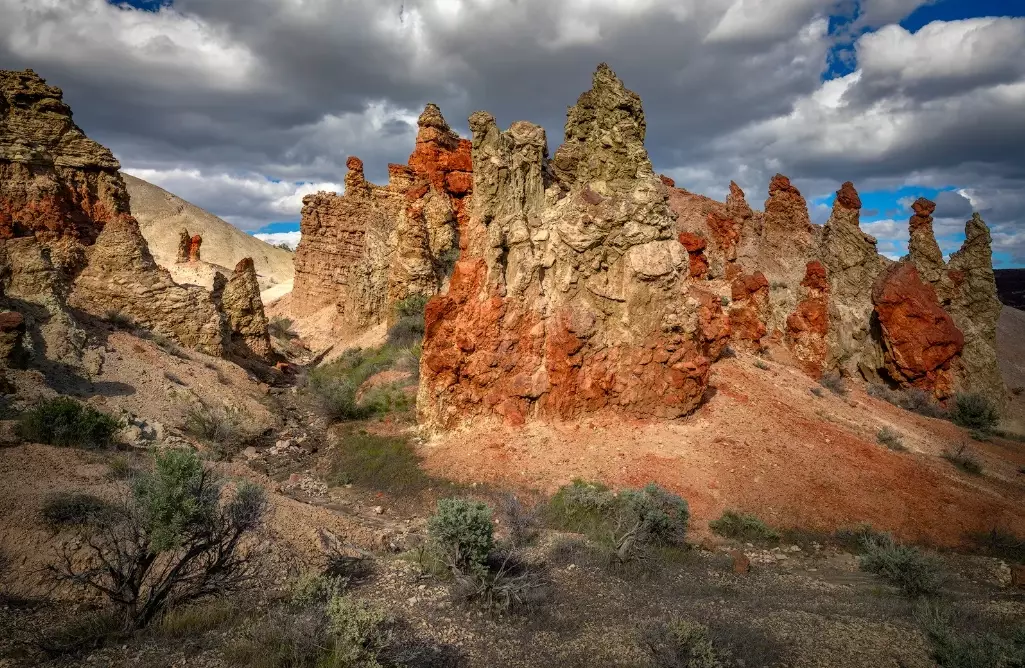
Add the southeastern corner. From the Alvord, head north to the Diamond Craters volcanic area (free, no services). Then continue to the town of John Day and explore the John Day Fossil Beds National Monument (Painted Hills unit). The contrast between the desert's subtle colors and the Hills' violent reds and yellows is mind-blowing.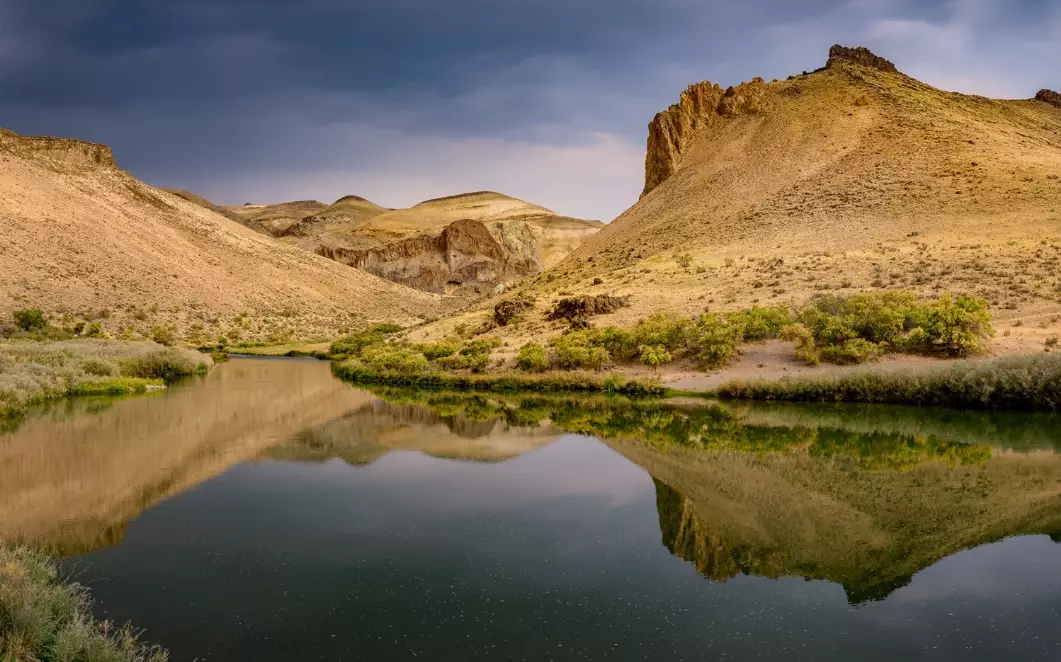
Must-See Spots & Hidden Gems
Beyond the itinerary, these places define the region. Bookmark them.
| Spot | What It Is | Key Details (Address/Access) | Pro Tip |
|---|---|---|---|
| The Alvord Desert Playa | A vast, perfectly flat dry lake bed. | East of Fields, OR. Access via several BLM roads off OR-78 & County Rd 727. No fee, no official address. | Check conditions locally. If the surface looks dark or damp, DO NOT drive on it. You will get stuck in bottomless mud. |
| Malheur National Wildlife Refuge | A crucial oasis for millions of migratory birds. | Headquarters: 36391 Sodhouse Ln, Princeton, OR 97721. Open dawn to dusk. Free entry. | The 42-mile auto tour route is a fantastic way to see wildlife. Stop at the historic Pete French Round Barn. |
| Hart Mountain Antelope Refuge | High fault-block mountain range with hot springs. | South of Plush, OR. Primitive gravel roads. Free, open year-round. | The Hart Mountain Hot Springs are a primitive, clothing-optional soak. It's a rough road in. Bring your own water, everything. |
| Crack in the Ground | A 2-mile long, 70-foot deep volcanic fissure. | Near Christmas Valley, OR. Forest Road 7170. Free, managed by BLM. | Even on a hot day, it's cool down in the crack. Bring a flashlight to explore the deeper sections. |
| Fort Rock State Natural Area | A massive tuff ring rising from the flat plain. | Off OR-31, Fort Rock, OR. Day use area, small parking fee. | Hike the trail inside the crater. The nearby Fort Rock Homestead Village Museum is a quirky, worthwhile stop. |
Camping & Lodging: From Playa to Motel
You have two real choices: embrace total solitude with dispersed camping, or find a rustic oasis in one of the tiny desert towns.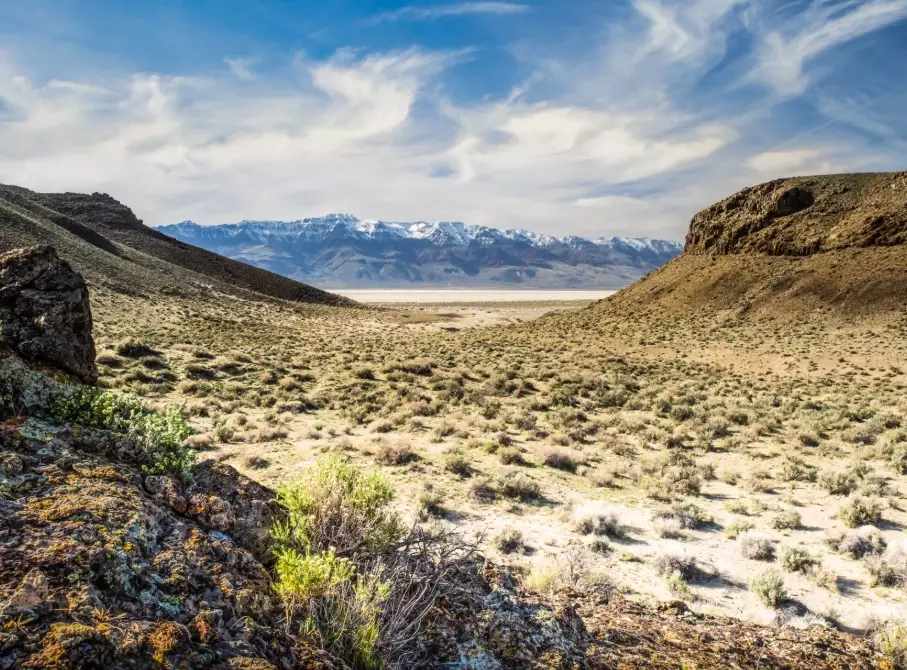
If a roof and a shower sound better, here are your hubs:
- Frenchglen: The Frenchglen Hotel is iconic, with 8 simple rooms and a family-style dinner. Book months ahead.
- Burns/Hines: The largest "town" in the region. Motels like the Broadway Deli & Motel are clean and reliable. Full services, grocery stores, gas.
- Fields: Literally a station. They have a few rustic cabins for rent above the diner. The milkshakes are legendary.
Desert Travel Tips from a Seasoned Explorer
This is where guidebooks often gloss over the gritty details. Listen up.
Water is Non-Negotiable. Carry at least 2 gallons per person, per day. Not just for drinking, but for your car if it overheats, or for washing dust out of a wound. I keep a separate 5-gallon jug just for emergencies.
Tell Someone Your Plan. No cell service means no calling for help. Before you leave, give a trusted person your detailed route and when you expect to check in. Stick to it, or find a way to update them.
Respect the Gates. You will encounter cattle gates on backroads. The rule is simple: if you open it, close it. If you find it closed, leave it closed. These are working ranches, and livestock management is real.
Your Car Kit Should Include: A full-size spare tire (gravel roads eat tires), a tire repair kit and compressor, extra engine coolant and oil, jumper cables, basic tools, and traction boards if you're venturing off gravel. A shovel isn't a bad idea either.
The desert isn't trying to kill you, but it's completely indifferent to your presence. Your preparation determines your experience.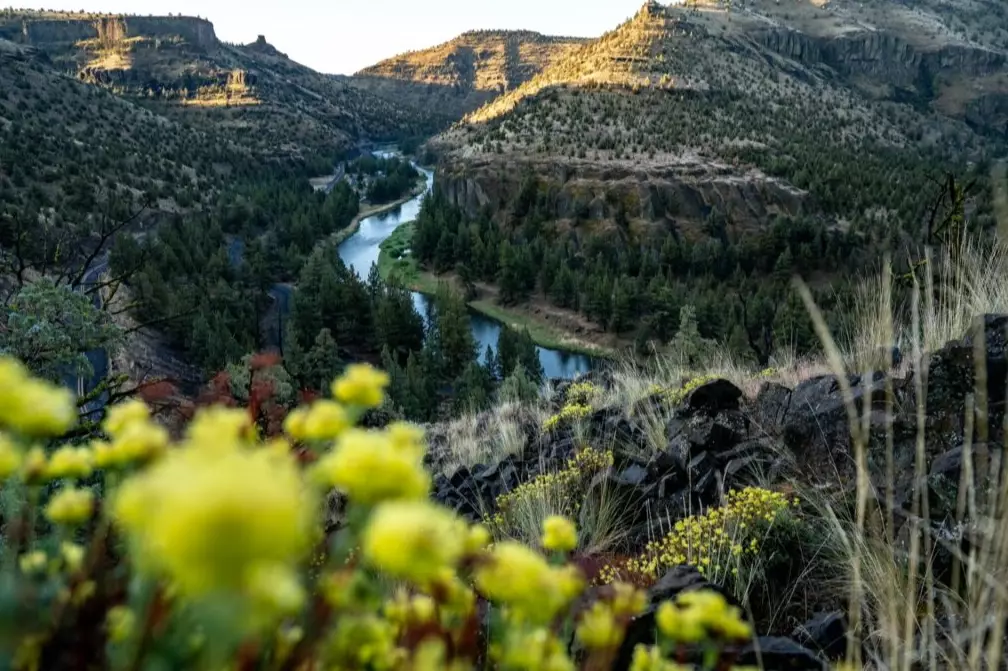
Answers to Your Burning Desert Questions
 Where can I find reliable information on dispersed camping in the Oregon desert?
Reader Comments