Quick Navigation
- Why Grandview Point is the Sunset Champion (And Why You Haven't Heard More About It)
- Your No-Stress Guide to the Perfect Grandview Point Grand Canyon Sunset
- Capturing the Magic: Photography Tips That Actually Work
- Safety First: This Isn't a City Park
- Grandview Point vs. The Competition: A Honest Breakdown
- Answers to Questions You're Probably Googling
- Making It More Than Just a Sunset
Let's be honest for a second. When you picture watching a Grand Canyon sunset, you're probably imagining shoulder-to-shoulder people, the constant click of selfie sticks, and a parking lot that feels like a theme park at closing time. Places like Mather Point or Yavapai can feel like that, especially in summer.
But what if I told you there's a spot where that postcard-perfect view comes with a side of something even better? Peace. A sense of discovery. The feeling that you're seeing something not everyone gets to see.
That spot is Grandview Point.
My first time there was almost by accident. I was frustrated with the crowds elsewhere and saw a sign for a viewpoint I hadn't heard much about. What I found completely rewrote my expectations for what a Grandview Point Grand Canyon sunset could be. It wasn't just a view; it was an experience. And that's what I want to help you have.
Why Grandview Point is the Sunset Champion (And Why You Haven't Heard More About It)
Grandview Point sits on the South Rim, about 12 miles east of the Grand Canyon Village. It's not the closest to the main hub, and that's its first secret weapon. The extra 20-minute drive acts as a natural filter.
The name "Grandview" isn't marketing fluff. It was named in the 1890s, long before the National Park Service existed, because miners and early tourists stood there and simply said, "Well, that's the grandest view." They were right. The panorama is staggering. You're looking directly into the heart of the canyon, with a commanding view of the massive Horseshoe Mesa and the winding Colorado River corridor far below. For a sunset, this east-facing orientation is magic. The low sun from the west lights up the entire facing canyon wall, turning it into a canvas of fire.
The Grandview Advantage: While west-facing points (like Hopi Point) get the classic "sun dipping below the horizon" shot, Grandview gets the afterglow. The sun illuminates the cliffs across from you, creating a longer, more dramatic color show that evolves for nearly an hour. It's less about a singular moment and more about a slow, beautiful transformation.
Here’s the thing most blogs don't tell you: Grandview has layers. Literally. There's the main paved viewpoint, which is great. But then there are unofficial, rugged trails leading a short way along the rim to the east and west. A little careful exploration (more on safety later) can give you your own private perch. I found a rocky outcrop just a few hundred feet off the main path one evening and had the entire spectacle to myself. Not another soul in sight. Try doing that at Mather Point.
Your No-Stress Guide to the Perfect Grandview Point Grand Canyon Sunset
Okay, so you're sold on the idea. Let's get down to the nitty-gritty of making it happen without any headaches.
Getting There and Parking: The Logistics
Grandview Point is located on Desert View Drive (Arizona State Route 64). If you're coming from the South Entrance near Tusayan or from Grand Canyon Village, you just head east. The turn-off is well-signed. The parking lot is decent-sized, but it's not massive. For a summer sunset, aim to arrive at least 90 minutes before official sunset time. In the shoulder seasons (spring/fall), 60 minutes might be enough. In winter, you'll often have plenty of space.
Heads up: Desert View Drive can be closed for long periods in winter due to snow. Always check the official National Park Service road conditions page before you go. I learned this the hard way one November. A quick look at the NPS Current Conditions page would have saved me a trip.
There are restrooms at the trailhead, which is a major plus. No facilities mean people tend to stay for shorter times. Here, you can comfortably settle in.
The Golden Timeline: When to Show Up
Sunset time is just one piece of the puzzle. The real show starts earlier.
- 90 minutes before sunset: Arrive, park, scout your spot. The light is already getting beautiful, casting long shadows and highlighting textures.
- 60 minutes before sunset: The "golden hour" begins. This is prime photography time. The canyon walls start to glow with warm, soft light.
- 30 minutes before sunset: Colors intensify. This is when most people start paying attention.
- Sunset to 45 minutes after: The main event at Grandview Point. The sky explodes, and the canyon faces ignite with reds, oranges, and purples. Do not leave right at sunset. The best colors often come 10-30 minutes after the sun disappears.
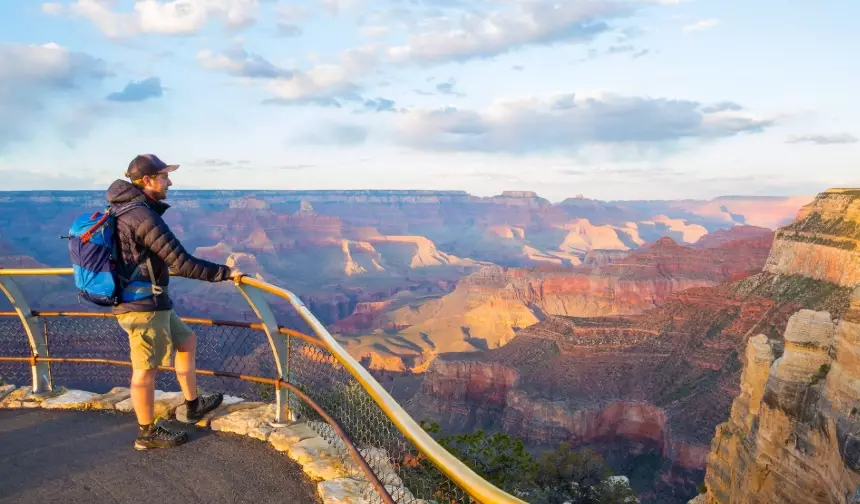
What to Pack: The Sunset Survival Kit
Forgetting something can turn a magical evening into a miserable one. Here’s what lives in my pack for every Grandview Point Grand Canyon sunset trip:
| Item | Why It's Essential | My Personal Note |
|---|---|---|
| Warm Layers | Temperatures drop shockingly fast after the sun goes down, even in summer. | A lightweight puffer jacket and a beanie are game-changers. I've seen people in shorts shivering uncontrollably. |
| Headlamp or Small Flashlight | It will be fully dark when you walk back to your car. The paths are unlit. | A headlamp keeps your hands free. The red light setting preserves your night vision and is less annoying to others. |
| Water & Snacks | High altitude and dry air dehydrate you quickly. Low blood sugar is a mood killer. | More water than you think you need. Granola bars or trail mix are perfect. |
| Camera Gear (Optional but Key) | To capture the memory, obviously. | A tripod is non-negotiable for sharp sunset shots. A wide-angle lens is ideal. |
| Small Sit Pad or Blanket | The ground is rocky and can be cold. | A simple foam pad makes waiting infinitely more comfortable. |
Capturing the Magic: Photography Tips That Actually Work
You want a photo that does the scene justice, not a blurry, dark blob. I'm not a pro photographer, but I've messed up enough times to know what works.
Tip #1: Use a Tripod. This is the single most important piece of advice. As light fades, your camera needs a steady base to avoid blur. Even image stabilization can't compete with a good tripod for sunset and twilight shots.
Shoot in RAW format if your camera allows it. It gives you much more flexibility to adjust colors and exposure later. For composition, don't just center the horizon. Use the rule of thirds—place the horizon on the upper or lower third line of your frame. Include a foreground element, like the twisted trunk of a juniper tree or the canyon rim rocks, to add depth and scale.
Exposure is tricky. If you meter for the bright sky, the canyon will be a black silhouette (which can be a cool look!). If you meter for the canyon, the sky might blow out. Try bracketing your shots (taking the same picture at different exposures) or use your camera's HDR mode. For that classic Grandview Point Grand Canyon sunset glow, I often underexpose slightly by about 2/3 of a stop to make the colors richer.
And put the phone down for at least a few minutes. Just watch. Some moments are meant to be absorbed, not just documented.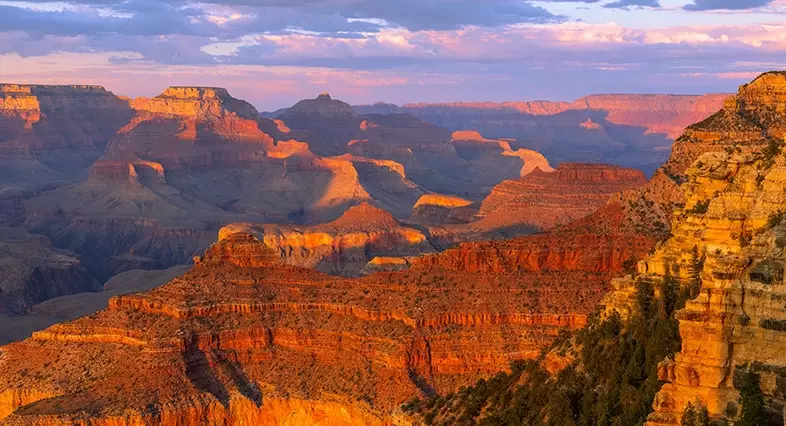
Safety First: This Isn't a City Park
I need to be blunt here. People get hurt at the Grand Canyon every year by being careless. The beauty is raw and the dangers are real.
- The Rim is Unprotected. In most places at Grandview, there is no guardrail between you and a thousand-foot drop. One misstep is all it takes. Keep a safe distance, especially in low light, high winds, or if you're taking photos. Never turn your back to the edge while walking.
- Stay on Designated Trails. Those unofficial paths I mentioned? Tread carefully. Wear sturdy shoes with good grip. The rocks are often sandy and slippery. If something looks sketchy, it is.
- Wildlife. You might see elk, mule deer, or squirrels. Admire them from a distance. Do not feed them. Ever. It's bad for them and can be dangerous for you.
- Weather is King. Thunderstorms can roll in with terrifying speed. If you hear thunder or see lightning, it's time to go. Get back to your car immediately. High winds are also common and can knock you off balance.
Grandview Point vs. The Competition: A Honest Breakdown
Is Grandview Point the "best" for everyone? Maybe not. It depends on what you want. Let's compare.
Hopi Point: The classic sunset spot. It's on the free shuttle route, has a large, paved area, and offers a direct west-facing view of the sun setting over the canyon. It's fantastic. It's also the most crowded spot on the rim by a mile. You'll be sharing the view with hundreds of others. If you don't mind the crowd and want the iconic "sun disk dropping" shot, Hopi is your place.
Mohave Point: Also on the shuttle route, slightly less crowded than Hopi, with a great view of the river. A solid, reliable choice.
Desert View Watchtower: Far to the east. You see the sunset light up the canyon behind you, which is unique and beautiful in its own right. But you don't get the direct canyon illumination show that Grandview offers.
Grandview Point: Offers the best balance of a truly spectacular, expansive view and relatively low crowds. The experience feels more personal, more immersive. The trade-off? You need to drive yourself, arrive early for parking, and facilities are more basic. For me, the trade-off is 100% worth it. The memory of my quiet Grandview Point Grand Canyon sunset beats any crowded viewpoint.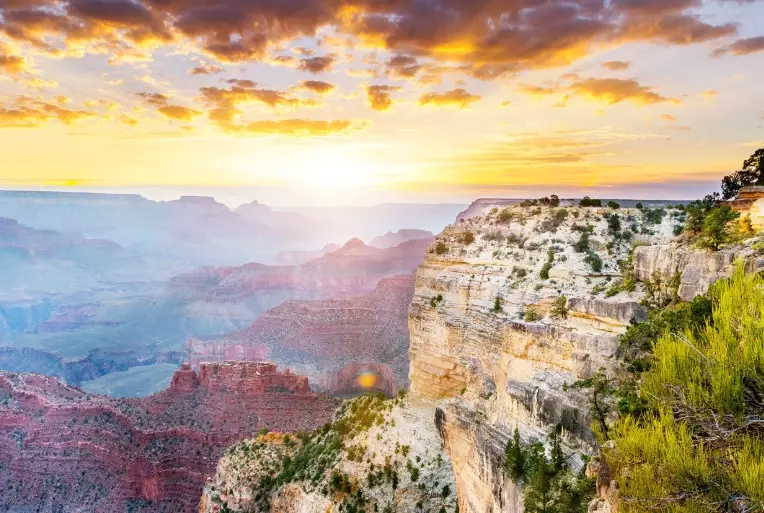
Answers to Questions You're Probably Googling
Is Grandview Point good for sunrise?
It's okay, but not its specialty. Since it faces east, you'd be looking into the sun at sunrise, which creates a lot of glare and makes it hard to see the canyon details. For sunrise, you want a west-facing point like Mather or Yavapai.
Can I bring my kids?
Absolutely, but with extreme vigilance. Hold their hands near the rim. Explain the rules clearly. The lack of guardrails means you need to be on high alert every second. Pack extra snacks and warm clothes for them—a cold, bored kid ruins the vibe fast.
What about the Grandview Trail? Can I hike it for sunset?
The Grandview Trail is a steep, rugged hiking trail that descends from the point into the canyon. Do not start a hike down this trail near sunset. You will be hiking back up in the dark, which is extremely dangerous and strongly discouraged by the Park Service. Save that hike for a full-day adventure with a very early start.
Are there any tours that go here?
Most commercial bus tours stick to the Village area and the Hermit Road shuttle route. Some private tour operators might include Grandview Point on custom itineraries, especially for photography. But part of the charm is that the big tour buses usually skip it. Check directly with tour companies if this is a must for you.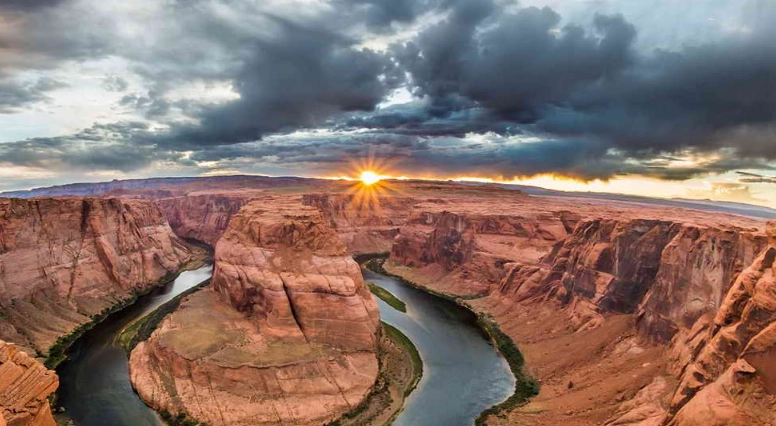
Making It More Than Just a Sunset
To make a full afternoon of it, consider this perfect sequence: Spend the earlier part of the day exploring other stops on Desert View Drive, like the Tusayan Ruins or Lipan Point. Then, head to Grandview Point with plenty of time to spare. After the sunset, the sky will be clear and dark (on a moonless night).
Grandview Point is a decent spot for stargazing, away from the village lights. Let your eyes adjust for 20 minutes, and the Milky Way might just reveal itself arching over the dark void of the canyon. It's a hauntingly beautiful encore to the sunset show.
Look, at the end of the day, any sunset at the Grand Canyon is a gift. But if you want one that feels a little more special, a little more yours, that trades the chaotic crowd for a profound sense of stillness, then make the drive to Grandview Point. Pack your layers, your patience, and your sense of wonder. Watch as the light paints the ancient rock, and you'll understand why they called it Grandview in the first place. Your own Grandview Point Grand Canyon sunset isn't just something you'll see; it's something you'll feel, long after you've driven away.
Reader Comments