You know that iconic final scene in Butch Cassidy and the Sundance Kid? The one where they burst out of a building into a hail of gunfire? That wasn't a Hollywood set. They filmed it in a real, abandoned town called Grafton, tucked away in the shadow of Zion National Park. Most people visit for that movie connection, but they leave talking about something else entirely—the palpable silence, the stories in the weathered wood, and the stark beauty of a place time forgot.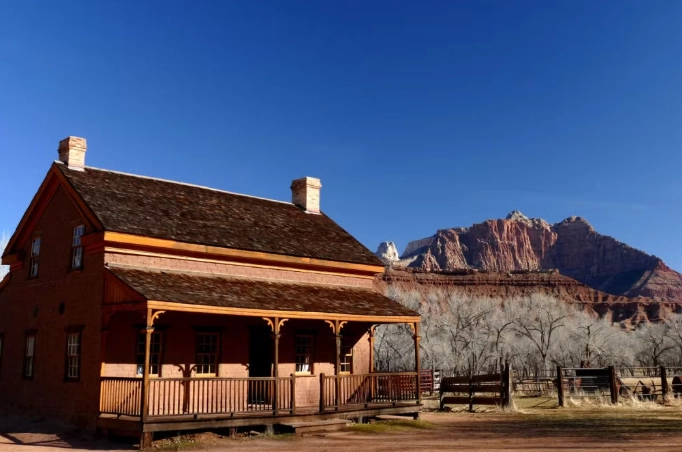
I've been out there half a dozen times over the years, in different seasons and with different cameras. The first time, I just saw the movie set. The last time, I finally saw Grafton.
Your Quick Guide to Grafton
The Story Behind the Ghost Town
Grafton wasn't built to be a tourist stop. It was founded in 1859 by Mormon pioneers looking to grow cotton along the Virgin River. For a while, it worked. They built homes, a schoolhouse, a church, and cultivated the land. But the river had other plans. Constant flooding made life miserable and farming nearly impossible. A particularly bad flood in 1862 wiped out the original settlement, forcing them to rebuild on slightly higher ground—the spot you see today.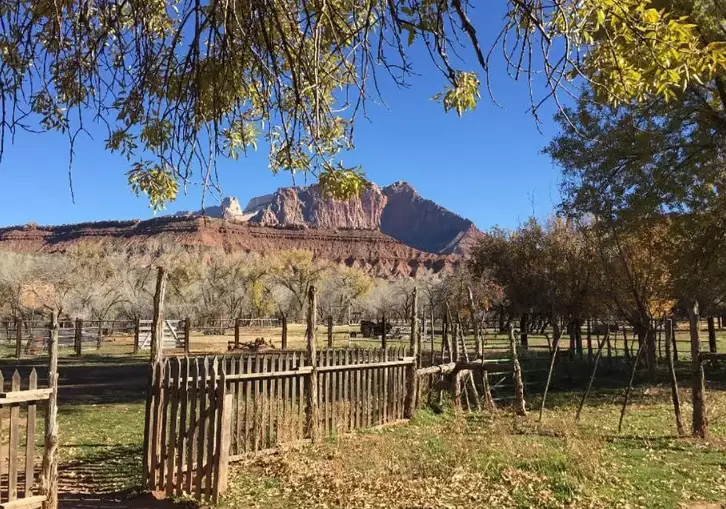
Then came the conflicts with local Native American tribes, driven by tensions over land and resources. It was a hard, dangerous life. By the early 1900s, the combination of natural disasters and the lure of easier living elsewhere led to a slow exodus. The last family packed up and left in 1944. Just like that, Grafton went quiet.
It sat in silence for decades, decaying under the Utah sun, until Hollywood showed up in 1968. The production crew for Butch Cassidy stabilized a few buildings just enough to film, putting Grafton back on the map, but as a facade for a movie rather than a real community. Today, it's preserved as a historic site, managed in partnership with the Zion Canyon Heritage Project and other local groups. The preservation is careful—they're not restoring it to look new, just keeping it from falling down. That's the key to its power.
How to Get to Grafton, Utah (The Nitty-Gritty)
This is where most guides are too polite. Getting to Grafton is an adventure in itself. It's not right off the highway.
Address & Location: Grafton is located near Rockville, Utah, approximately 6 miles southwest of the town of Springdale (the main gateway to Zion National Park). There is no street address. You'll navigate to the general area and follow signs.
The Route: From Springdale, head south on Highway 9 for about a mile. Turn right onto Bridge Road (you'll see a sign for Grafton). Cross the historic Virgin River Bridge and immediately turn left onto a dirt road. This is where the fun begins.
That dirt road is about 1.5 miles long. After a good rain, it can be a rutted, muddy mess. In dry conditions, it's a bumpy but generally passable road for most vehicles with moderate ground clearance. I've seen sedans make it, white-knuckled and moving at a crawl. I've also seen them get stuck. A SUV or truck is ideal. Don't even think about bringing an RV or a low-sports car down here.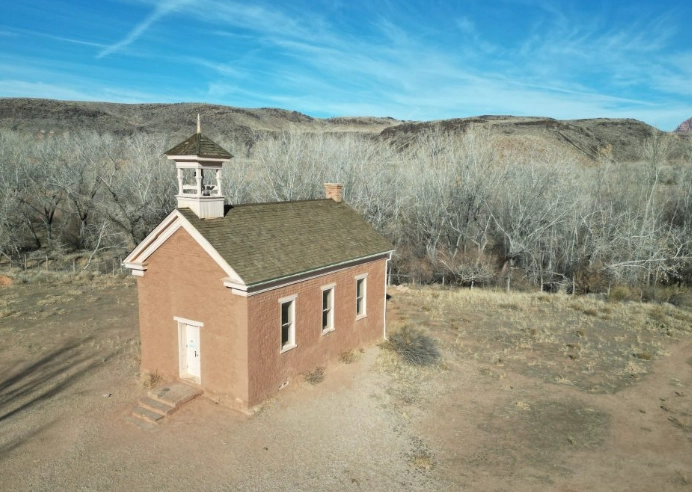
Critical Tip Everyone Misses: The biggest mistake isn't bringing the wrong car—it's not checking the weather for the days before your visit. A sunny day in Springdale can mean a slick, impassable road in Grafton if it rained two days prior. Call the Rockville or Springdale Visitor Center for a quick road condition check. It takes two minutes and saves a huge headache.
Parking: You'll dead-end into a small, informal parking area. It's free. There are no gates, no tickets, no opening hours. Grafton is accessible 24/7, year-round. Sunrise and sunset are magical, but bring a good flashlight if you stay late.
What to Expect When You Visit
You'll park and walk into a cluster of five main wooden structures surrounded by ancient cottonwood trees and old fence lines. The atmosphere is instantly different. The buzz of Zion is gone, replaced by wind and birdsong.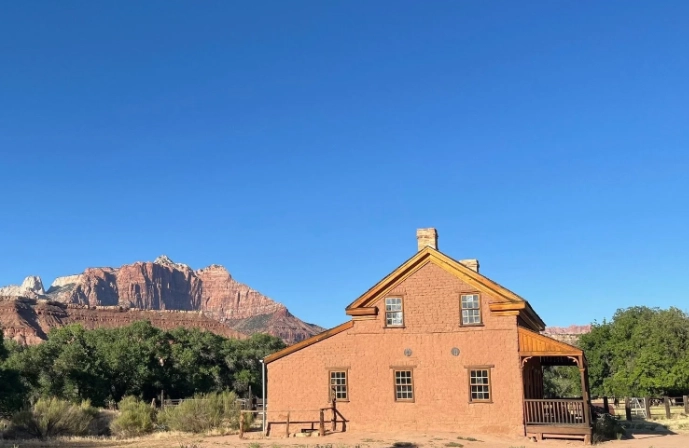
The most prominent building is the Alonzo H. Russell Home, a two-story house with a porch. This is the one often mistaken for the "movie house," but it's not. The actual building used in the film's finale was a smaller, since-demolished structure just to the west. The Russell home is photogenic and gives you the best sense of pioneer craftsmanship.
The schoolhouse and the John Wood Home are also standing. The tiny adobe schoolhouse is the oldest building, a reminder of the community's first efforts. Peek inside the windows (don't enter, it's unsafe) and imagine a single room full of kids.
Then there's the cemetery. It's a short, signed walk from the main townsite. This is, for me, the most profound part of Grafton. Simple headstones tell the brutal story: infants who died, young men killed in conflicts, families wiped out by disease. The most famous grave is that of Ellen P. Russell, who died in 1866. Her epitaph reads "Killed by Indians," a stark, unvarnished testament to the era's dangers. Visiting the cemetery isn't morbid; it's essential. It transforms Grafton from a film set back into a real place where real people lived, struggled, and died.
Plan to spend 60-90 minutes here. It's not a huge site, but you'll want to linger.
Capturing Grafton: The Ghost Town Photography Guide
Grafton is a photographer's dream, but it's easy to come away with the same shots everyone else has. Here’s how to do better.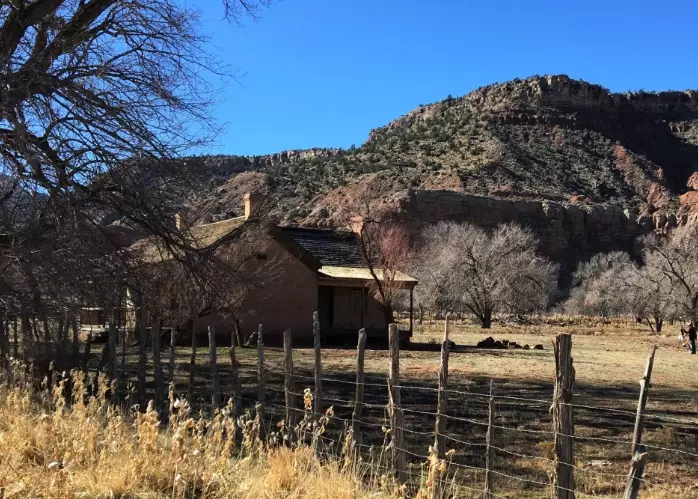
Best Time for Photos
Golden Hour & Blue Hour are non-negotiable. The harsh midday Utah sun flattens the textures and creates blinding highlights. Arrive for sunrise, and you get soft, directional light that makes the wood grain pop and long shadows from the fences. Stay for sunset, and the warm light bathes the buildings in gold, with the red cliffs of Zion glowing in the distance. After sunset, during blue hour, the sky turns a deep cobalt and the silhouettes of the buildings become incredibly dramatic.
Composition Secrets Beyond the Obvious
Everyone shoots the front of the Russell house. Fine, get that shot. Then move on.
• Find the details: The rust on a hand-forged nail, the peeling paint on a window frame, the way a cactus grows through a floorboard. These close-ups tell more story than a wide shot ever could.
• Use the environment: Frame a building through the branches of the gnarly old cottonwoods. Use the leading lines of a broken fence to draw the eye into the scene.
• Include life: Contrast the decay with something living. A rabbit sitting on a porch step, wildflowers growing by a foundation. It adds a powerful layer of meaning.
• At the cemetery: Focus on a single, poignant headstone. Use a wide aperture to blur the background of other markers. Be respectful—this is not a stage set.
Gear Recommendations
A wide-angle lens (16-35mm) is great for environmental shots, but a good prime lens (35mm or 50mm) will force you to focus on compositions. A polarizing filter can help manage the bright sky and enhance the colors of the wood. Bring a sturdy tripod, especially for blue hour and interior shots (through windows). The wind can kick up dust in an instant, so keep lens changes to a minimum and have lens cloths handy.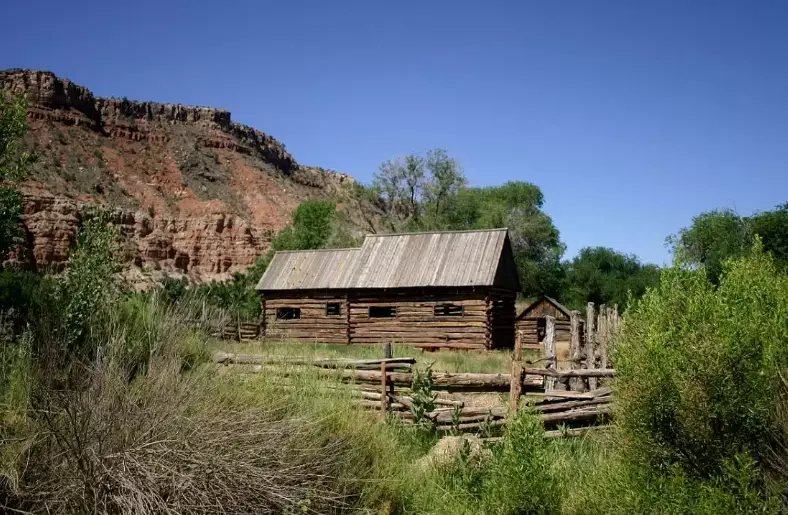
Beyond Grafton: What Else to See Nearby
You're in a incredibly rich corner of Utah. Grafton can be the centerpiece of a fantastic day trip.
Zion National Park: It's right there. If you haven't been, that's your next stop. The park's south entrance is in Springdale, 15 minutes from the Grafton turn-off. Even a short walk on the Pa'rus Trail or a drive through the Zion-Mount Carmel Tunnel is worthwhile.
Springdale: A great town for a meal after your adventure. Feel like a local and grab a pie at the Oscar's Cafe or a burger at Whiptail Grill (housed in a converted gas station).
Kolob Canyons: The often-overlooked northwest section of Zion National Park, about a 40-minute drive from Grafton. It offers stunning, red-rock canyon views with a fraction of the crowds. The Timber Creek Overlook trail is an easy, rewarding hike.
Ghost Towns of the Virgin River: Grafton is the most famous, but it had siblings. Duncan's Retreat and Northrop are even more obscure settlements nearby, now little more than foundations and memories. They're for the true, prepared history buff with a good 4x4 and detailed maps from the Bureau of Land Management.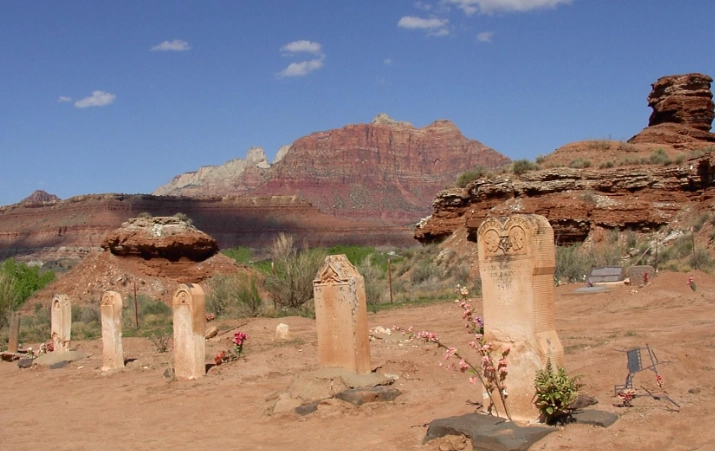
Where to Stay: Planning Your Base Camp
You have two main choices: stay in the bustling gateway town of Springdale or seek more solitude in the wider region. Here’s a quick comparison to help you decide.
| Option | Best For | Example & Vibe | Price Range |
|---|---|---|---|
| Springdale (Zion's Doorstep) | First-time visitors, those without a car, foodies, easy access to Zion shuttles. | Zion Lodge (inside the park) or Cliffrose Springdale. Walkable, vibrant, can be crowded. | $$$ - $$$$ |
| Rockville / Virgin (Closer to Grafton) | Quiet, history lovers, photographers wanting early starts, more rustic charm. | Zion Mountain Ranch (cabins with bison on property) or Harvest House B&B in Rockville. Serene, rural. | $$ - $$$ |
| St. George / Hurricane (Value Base) | Budget travelers, road-trippers covering multiple parks (Zion, Bryce, Grand Canyon). | Chain hotels like Holiday Inn Express or La Quinta. More driving, but significant savings. | $ - $$ |
My personal pick for a Grafton-focused trip? Rockville. Waking up in the quiet, dark skies near the ghost town and being able to get there in 10 minutes for sunrise is unbeatable.
Grafton, Utah FAQs Answered
Grafton isn't a theme park ghost town. It's a quiet, open-air museum of resilience and loss. You go there to see the movie set, but you remember it for the silence, the stories in the sun-bleached wood, and the profound sense of history underfoot. Just be prepared for the road, bring your respect, and let the place speak for itself.
Reader Comments