Let's be honest. You've seen the pictures. Those iconic red mesas and buttes jutting out of the desert floor, often with a lone dirt road winding between them. Monument Valley isn't just a place; it's the definitive postcard image of the American West. But between that postcard and actually standing there, feeling the dry wind and the sheer scale of it all, lies a bunch of practical questions nobody seems to answer clearly. I've been there multiple times, made my share of mistakes (like showing up at noon for photography), and learned how to do it right. This isn't just a list of facts. It's your roadmap to experiencing Monument Valley the way it deserves.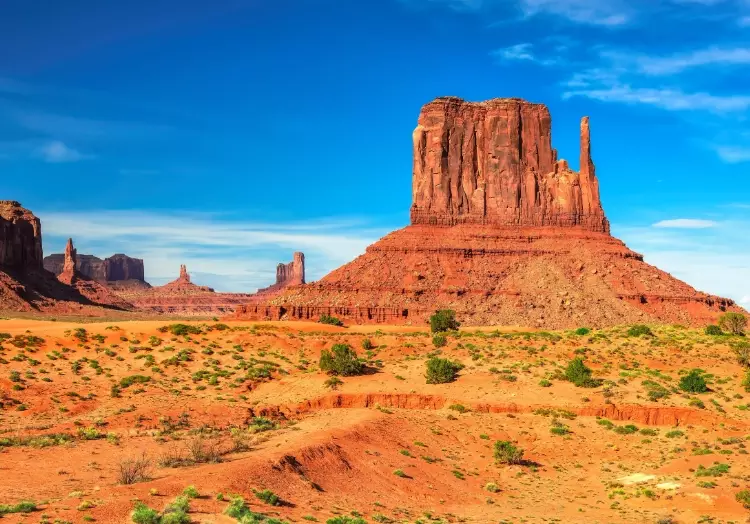
Your Monument Valley Trip at a Glance
- How to Get to Monument Valley and Where to Stay
- The Monument Valley Scenic Drive: A Self-Guided Tour
- What is the Best Time to Visit Monument Valley?
- Monument Valley Photography: Capturing the Magic Beyond the Snapshot
- How Can I Respectfully Experience Navajo Culture?
- Your Monument Valley Questions, Answered
How to Get to Monument Valley and Where to Stay
First thing to get straight: Monument Valley is not a U.S. National Park. It's part of the Navajo Nation Parks and Recreation system. This distinction matters for everything from permits to the overall vibe. The official entrance and visitor center is in Oljato-Monument Valley, on the Arizona-Utah border.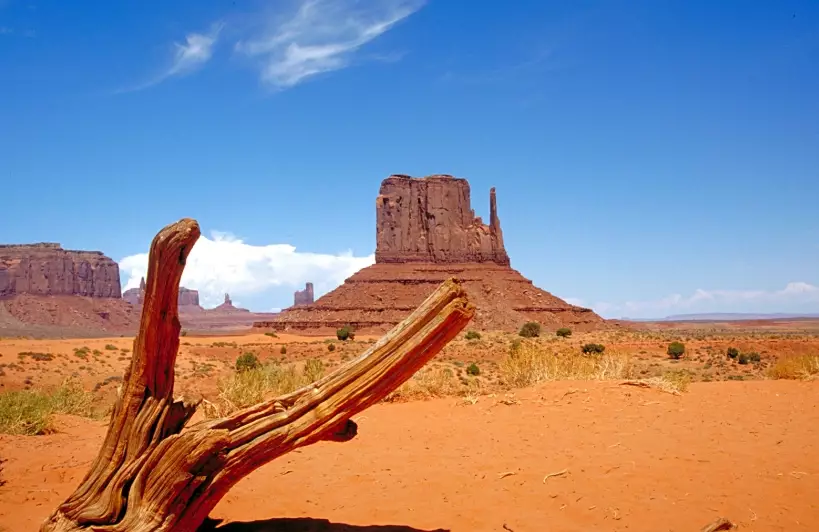
Getting There: You absolutely need a car. The nearest major airports are in Phoenix, AZ (5.5-hour drive) or Las Vegas, NV (6.5-hour drive). A more manageable hub is Flagstaff, AZ (3 hours) or even Page, AZ (2 hours). The drive from Page, especially, is stunning, taking you through parts of the Navajo Nation. There is no public transportation that will drop you at the gate.
Where to Stay: Options are limited and fill up fast, especially during peak seasons. You're choosing between being inside the park or in the nearby towns. Here’s the real breakdown:
| Option | Location & Address | The Vibe & Key Feature | Price Range (Per Night) |
|---|---|---|---|
| The View Hotel | Indian Route 42, Oljato-Monument Valley, AZ. Inside the park. | The only hotel with a balcony view of the Mittens and Merrick Butte. You pay for the iconic sunrise from your room. Books out months in advance. | $$$ - $$$$ |
| Goulding's Lodge | 1000 Main St, Monument Valley, UT. Just outside the park (5-min drive). | A historic trading post turned full-service lodge. Has a pool, museum, and restaurant. Reliable and offers great tour packages. | $$ - $$$ |
| Local Navajo Hogan Stays | Various, often booked through tour operators or local listings. | An authentic cultural experience. You might stay in a traditional hexagonal hogan. Often includes home-cooked meals. Amenities are basic. | $ - $$ |
| Camping | The View Campground (inside park) or Goulding's Campground. | The View Campground offers sites with the same million-dollar vista. No hookups at The View. Goulding's has full RV facilities. | $ |
My take? If your budget allows and you can snag a reservation, The View Hotel is worth it for one night just for the convenience and that private dawn moment. Otherwise, Goulding's is a perfect, comfortable basecamp.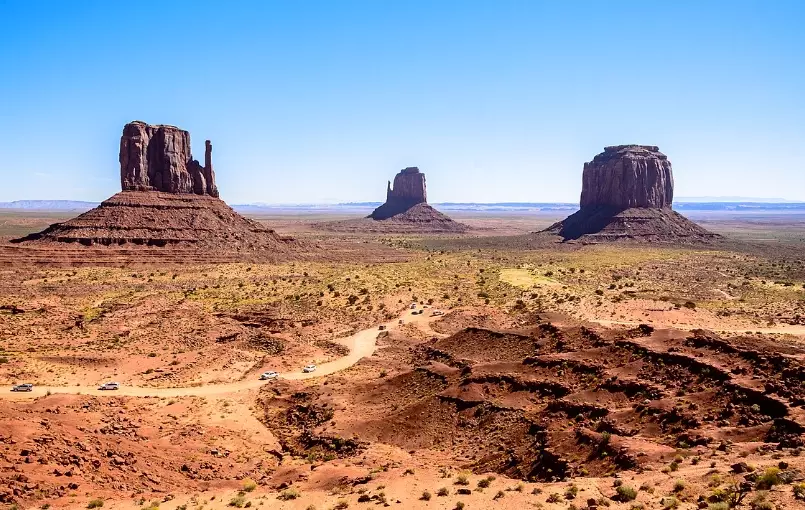
The Monument Valley Scenic Drive: A Self-Guided Tour
This is the core of most visits. It's a 17-mile unpaved loop road that starts at the visitor center. Here are the specifics everyone needs:
- Cost: $8 per person (ages 9 and up). Cash or credit accepted at the gate.
- Hours: Typically 6:00 AM to 8:00 PM (May-Sept), shorter hours in winter. Always check the official Navajo Parks site for current times.
- The Drive: It's rough. We're talking dirt, sand, and potholes. A high-clearance vehicle (SUV, truck) is strongly recommended, especially after rain. Sedans can do it slowly, but you'll be white-knuckling some sections.
- Stops: There are 11 designated pull-outs with names like John Ford's Point, The Three Sisters, and Elephant Butte. Each has a small sign. The drive is one-way.
Important Limitation: You cannot leave the main loop road in your own vehicle. To access famous spots like the Totem Pole or get close to the mittens, you must book a guided tour. This isn't a cash grab—it's a rule to protect the land and respect that this is a living, cultural landscape, not just a photo set.
Why You Should Seriously Consider a Guided Tour
I made the mistake of thinking the self-drive would be enough. It's not. Booking a 2-3 hour tour with a Navajo guide is the single best upgrade to your trip. They use open-air trucks, drive you into restricted areas with mind-blowing views, and share stories about the land, history, and culture you'd never hear otherwise. Companies like Simpson's Trailhandler Tours or Sacred Monument Tours come highly recommended. Tours range from $70-$120 per person. Book ahead.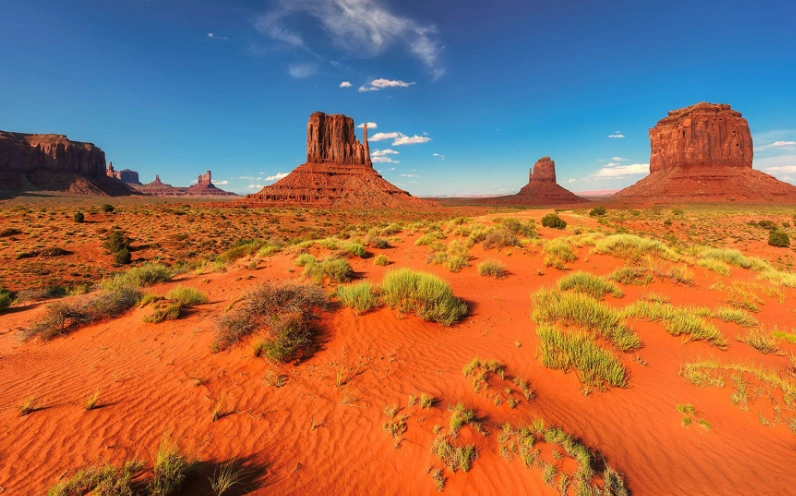
What is the Best Time to Visit Monument Valley?
This isn't just about weather; it's about light and crowds.
Spring (April-May) & Fall (Sept-Oct): The sweet spot. Days are pleasant (60s-80s°F), nights are cool. Crowds are manageable. This is ideal for hiking and photography.
Summer (June-August): It's hot. We're talking 90-100°F. Afternoon thunderstorms are common, which can create dramatic skies but also wash out roads. The upside? Very long days. If you go, you must start your activities at dawn and be done by 11 AM.
Winter (Nov-March): Cold, with potential for snow, which is incredibly beautiful against the red rock. Crowds are minimal. Some tours may not run, and roads can be icy. But the solitude is magical.
Monument Valley Photography: Capturing the Magic Beyond the Snapshot
Everyone gets the shot from the visitor center overlook. To get something unique, you need a plan.
The Classic Shot: For the iconic road-between-the-mittens shot, you need to be on a guided tour. They take you to the exact spot. A long lens (70-200mm) compresses the scene beautifully.
Sunrise vs. Sunset: Sunrise lights up the East and West Mitten Buttes from the front (viewed from the visitor center). Sunset lights them from behind, creating a stunning silhouette. For sunset, John Ford's Point is the famous location, but it's often crowded with tourists paying to have their picture taken on a horse. Scout other points along the rim.
A Non-Consensus Tip: Most photographers obsess over the big buttes. Look down. The patterns in the sand, the twisted juniper trees, the textures of the rock—these intimate details tell the story of the desert just as powerfully. A macro or wide-angle lens can be surprisingly useful here.
Bring a sturdy tripod and lens cleaning cloths. The wind blows fine, red sand into everything.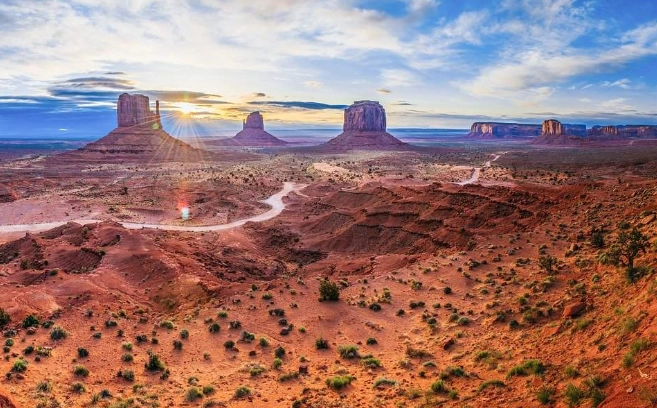
How Can I Respectfully Experience Navajo Culture?
This is the most important part of your visit. You are a guest on the Navajo Nation.
- Do not climb on the rocks. They are sacred. This isn't a suggestion.
- Stay on marked roads and trails. Straying is disrespectful and can damage fragile ecosystems.
- Ask before photographing people. Always. This is basic courtesy but often ignored.
- Support the local economy. Buy directly from Navajo artisans at the vendor stalls near the visitor center, not mass-produced souvenirs from gas stations. Hire Navajo guides.
- Be mindful of silence. This is a place of profound spiritual significance for the Navajo (Diné) people. It's okay to just be quiet and take it in.
Your Monument Valley Questions, Answered
Reader Comments