Quick Navigation
Let's be honest. Arizona is packed with famous spots. The Grand Canyon sucks up all the oxygen in the room. Sedona gets all the Instagram love. But tucked away in the rugged Superstition Mountains and overlooking the vast Roosevelt Lake, there's a place that feels different. Quieter. Older. It's called Tonto National Monument, and it protects some of the most intriguing and accessible cliff dwellings in the entire American Southwest.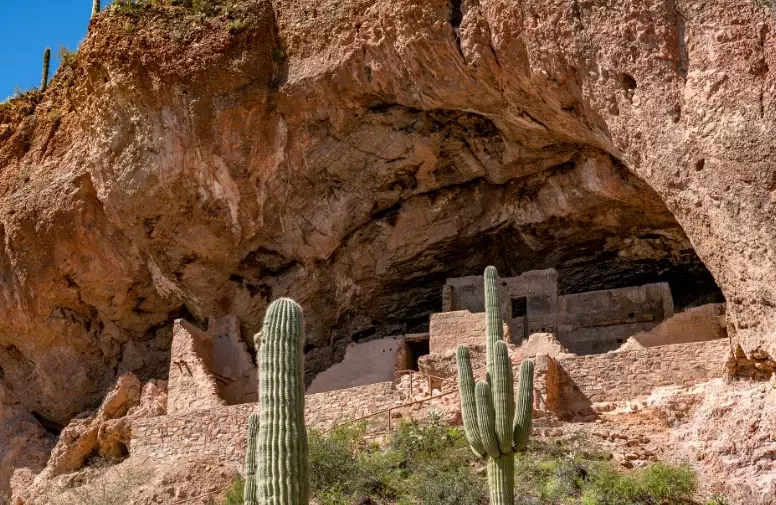
I first visited on a whim, driving from Phoenix towards Globe. The turnoff is easy to miss if you're not paying attention. But once you're on that winding road, the desert landscape opens up, and you get this feeling you're heading somewhere special. That's the thing about Tonto National Monument – it's not in-your-face. It's a place you have to choose to go to. And if you make that choice, you're in for a real treat.
Here's the core of it: Tonto National Monument safeguards the ancient homes of the Salado people, built into natural caves high on a cliff face around 700 years ago. They're remarkably well-preserved, and you can literally walk right up to them. It's not a replica. It's the real deal. The combination of the stunning Sonoran Desert scenery and these silent stone structures creates an atmosphere that's hard to describe. It's peaceful, but also humbling.
What Exactly Will You See at Tonto National Monument?
The main attractions are, of course, the cliff dwellings. The monument protects two primary sites: the Lower Cliff Dwelling and the Upper Cliff Dwelling. Your experience will largely depend on which one you visit, as access is quite different.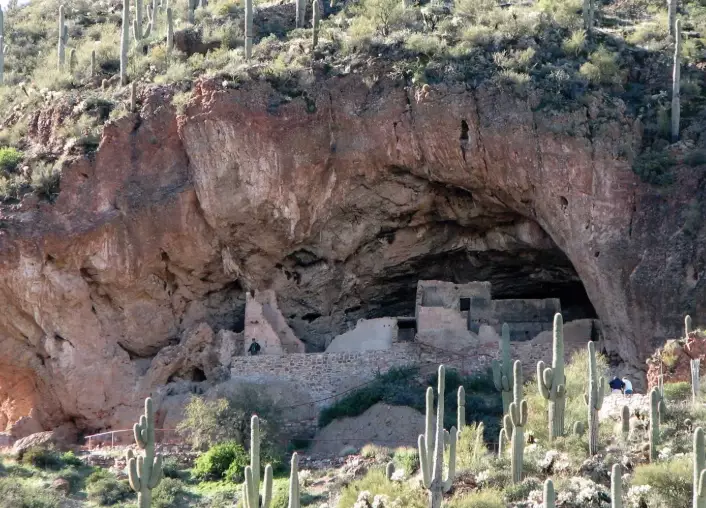
The Lower Cliff Dwelling: The Accessible Gem
This is the one most people visit, and for good reason. A paved, moderately steep trail leads you half a mile from the visitor center right up to the dwelling's doorstep. We're talking 350 feet of elevation gain, so it's a bit of a workout, but totally doable for most people in decent shape. Bring water. Seriously, bring more than you think you need. The Arizona sun doesn't play.
As you round the final bend, the dwelling comes into view. It's a moment that always gets me. You see these masonry rooms, some two stories tall, snugly fit under a massive, overhanging cliff. You can peer into doorways, see the original plaster on some walls, and observe the careful construction. Rangers are often stationed there, and they're fonts of knowledge. Ask them about the tiny corn cobs found on site or how the Salado managed water. Their answers bring the place to life.
The trail is a loop, so you walk through part of the dwelling and then circle back with different views. It takes about an hour round-trip at a leisurely pace with time for photos and gawking.
The Upper Cliff Dwelling: The Adventurous Quest
Now, this is a different beast. The Upper Cliff Dwelling is larger and more remote. Visiting it isn't a simple stroll; it's a guided hike that you must book in advance. The season is limited (typically late fall through early spring), and the hike is strenuous—3 miles round-trip with some serious scrambling.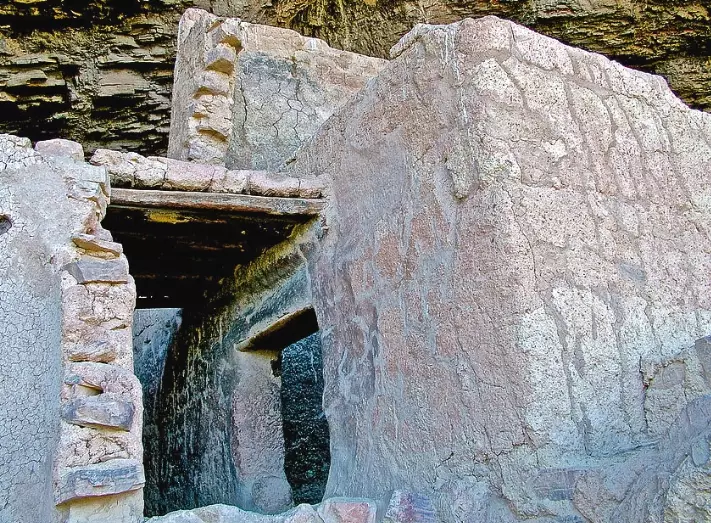
I haven't done this one myself (the timing never worked out), and honestly, the park's description of "steep, uneven terrain" and "climbing ladders" made me think twice. But everyone I've talked to who has done it says it's absolutely worth the effort. You get a more intimate, small-group experience and see a dwelling that feels even more untouched. If you're an avid hiker and planner, this should be at the top of your list. You need to reserve your spot through Recreation.gov, and spots fill up fast.
Quick Comparison: Lower Dwelling = easier, self-guided, always open (when monument is). Upper Dwelling = harder, ranger-guided, seasonal, requires reservation.
Beyond the dwellings, the visitor center is small but excellent. It has fascinating artifacts—actual Salado pottery with their iconic black-on-white designs, tools, and textiles. Don't just breeze through. The film is also worth watching; it sets the historical context perfectly.
Your Practical Guide to Visiting (The Nitty-Gritty)
Alright, let's get down to brass tacks. How do you actually make this trip happen? Here's everything I've learned, sometimes the hard way.
Getting There and When to Go
Tonto National Monument is about a 2-hour drive east from Phoenix. You take Highway 60/70 past Apache Junction and into the Tonto National Forest. The monument itself is just south of the small town of Roosevelt. Use your GPS, but cell service can get spotty, so having directions handy isn't a bad idea.
Timing is everything. This is the Sonoran Desert. Summer months (May-September) are brutally hot. I mean, dangerously hot. The park sometimes closes the Lower Dwelling trail if temperatures exceed a certain threshold for safety. The ideal time to visit is October through April. Winter days are mild and perfect for hiking. Spring can be magical if there's been rain and the desert wildflowers are blooming.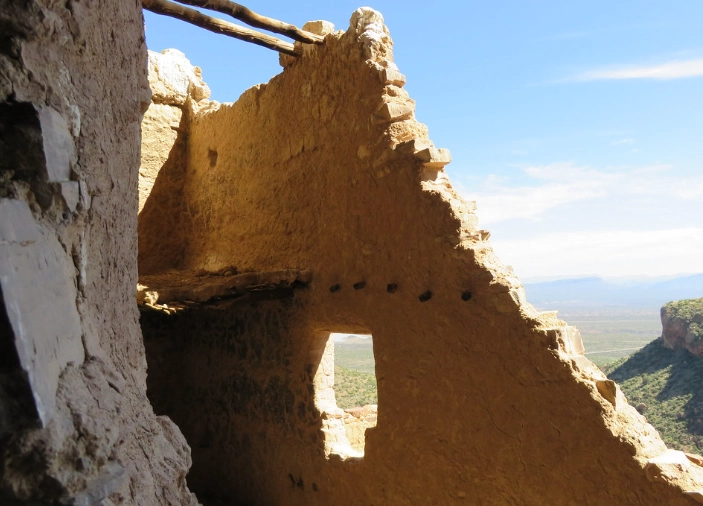
They open at 8:00 AM. My biggest tip? Get there as close to opening as you can. You'll beat the heat on the trail, have the dwelling more to yourself, and the morning light for photography is gorgeous. By 11 AM, the parking lot can get full and the trail feels much warmer.
Costs, Passes, and Facilities
It's cheap. As of my last visit, the entrance fee per person was just a few dollars. If you have an America the Beautiful Interagency Annual Pass, that covers the entry fee. Check the official National Park Service page for Tonto for the most current fees.
The facilities are basic but sufficient. There are restrooms at the visitor center and water bottle fill stations. There is no food for sale. None. Zero. Pack all your snacks and lunch. There are picnic tables with amazing views near the parking lot, so bringing a lunch is a great move.
| What to Bring | Why It's Essential |
|---|---|
| More Water Than You Think | Dehydration is a real risk. A liter per person for the Lower Trail is a minimum. |
| Sturdy, Closed-Toe Shoes | The trail is paved but steep and can be slippery with gravel. No sandals or flip-flops. |
| Sun Protection | Hat, sunglasses, and high-SPF sunscreen. The sun reflects off the rock. |
| Camera/Binoculars | The views are incredible. Binoculars let you spot details in the dwellings from afar. |
| Snacks & Lunch | No concessions. Fuel up before and after your hike. |
Who Were the Salado? Making Sense of the Stones
Walking through the Tonto National Monument cliff dwellings, you can't help but wonder about the people who built them. The Salado culture (pronounced Sah-LAH-doh) is fascinating because they were cultural mixers. They weren't just one group. Archeologists believe they were a blend of ancestral Puebloan people from the north and Hohokam groups from the south, with influences from nearby Mogollon cultures too.
They settled in the Tonto Basin around 700-900 years ago. What's amazing is how they thrived in this harsh environment. They were master farmers, using intricate networks of canals to irrigate fields of corn, beans, and squash along the Salt River. They were also skilled craftspeople. Salado polychrome pottery, with its distinctive red, black, and white designs, is some of the most beautiful and sought-after ancient pottery in the region. You'll see examples in the visitor center.
They built their homes in cliffs for practical reasons: protection from weather, enemies, and to take advantage of solar heating in winter and cooling in summer. By around 1450, the Salado had moved on from the Tonto Basin. The reasons are still debated—maybe prolonged drought, maybe resource depletion, maybe social changes. Their legacy, however, is permanently etched into the cliffs of Tonto National Monument.
It makes you think, doesn't it? What would our modern houses look like to someone 700 years in the future?
Hiking the Trails: What to Really Expect
Let's talk more about the hiking, because that's the primary activity. I've broken down the two main options based on my experience and what rangers tell visitors.
The Lower Cliff Dwelling Trail (0.5 miles one-way)
This is a paved trail, but don't let that fool you into thinking it's easy. It's a steady uphill climb. There are benches along the way if you need to catch your breath. The views get better with every step, looking out over the basin and Roosevelt Lake. The trail has railings in the steeper sections near the dwelling itself.
The real challenge isn't the distance, it's the combination of incline and heat. Take your time. The dwelling isn't running away. I've seen people in poor footwear struggling, and it just makes the trip miserable. Good shoes are non-negotiable.
The Upper Cliff Dwelling Hike (Guided, 3 miles round-trip)
As mentioned, this is a ranger-led program. You meet at the visitor center, and the ranger drives the group to a separate trailhead. The hike involves more natural, rocky terrain. You will cross a wash, do some scrambling over rocks, and climb a 30-foot ladder to access the dwelling itself. It's for the physically fit and those comfortable with heights. The reward is a less-crowded, more immersive experience. You must have a reservation from Recreation.gov.
Answers to Questions You're Probably Asking (FAQ)
Final Thoughts: Is Tonto National Monument Worth It?
Here's my honest take. If you're looking for a glitzy, theme-park-style attraction with gift shops and cafes, this isn't it. Tonto National Monument is quiet, unassuming, and demands a little effort from you. You have to drive out of your way. You have to hike up a hill. You have to use your imagination a bit.
But that's precisely why it's so rewarding. It feels authentic. You're standing in a real home that's 700 years old, in the middle of a breathtaking desert landscape. There's no crowd jostling you. You can hear the wind and the birds. It's a place for contemplation.
My one small gripe? I wish the open hours were a bit longer, especially in the cooler months. It always feels like I have to rush a little to see everything before closing time.
So, if you're in Arizona, tired of the crowds, and want to connect with a deep slice of American history in a stunning setting, make the trip to Tonto National Monument. Pack your water, wear good shoes, and go say hello to the ghosts of the Salado. You won't regret it.
Just remember to check the official website before you go for any alerts on trail closures or weather. Safe travels!
Reader Comments