You're scrolling through photos of the American Southwest, dreaming of red rock vistas, and you see it: a giant sombrero-shaped rock perched precariously on a cliffside. That's Mexican Hat. It's not just a rock. It's a tiny dot on the map in southeastern Utah, a gateway, and for many, the start of a journey into landscapes that feel utterly alien and ancient. If you're looking for the classic Monument Valley experience without the tour bus crowds, or a basecamp for exploring some of Utah's most dramatic and lonely geology, Mexican Hat is your spot.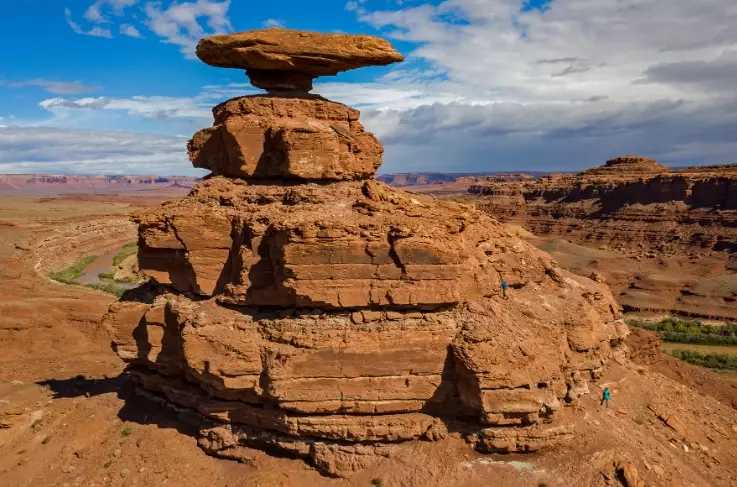
Let's be clear upfront. This isn't Park City or Moab. You won't find trendy breweries or a long list of fine-dining options. What you will find is raw, unfiltered beauty, a profound sense of solitude, and direct access to places that define the Colorado Plateau. I've driven through here half a dozen times over the years, and each time I'm struck by how it forces you to slow down. Your phone stops working, the world gets quiet, and the landscape takes over.
Your Quick Guide to Mexican Hat
What Exactly Is Mexican Hat Utah?
First, let's clear up the confusion. "Mexican Hat" refers to three things, and they're all right next to each other.
The Rock Formation: This is the star. It's a 60-foot tall, car-sized boulder of Cedar Mesa Sandstone balanced on a narrow pedestal, resembling a sombrero. It's on public land (Bureau of Land Management) and you can drive right up to its base. No gates, no fees, just a dirt pull-off. You can walk around it, photograph it, and marvel at the fact it hasn't toppled over.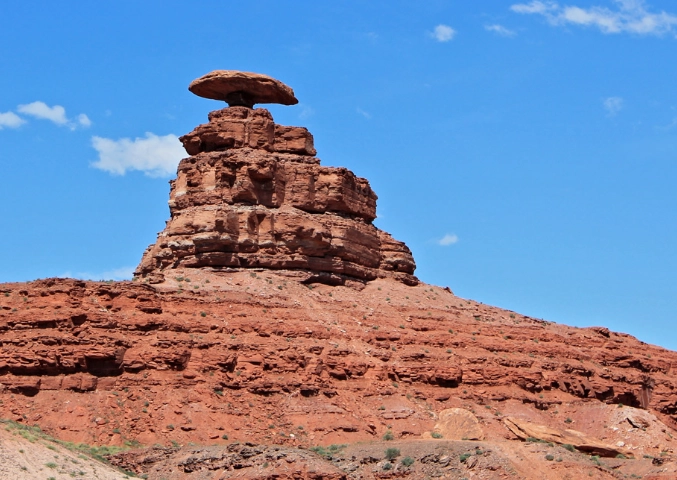
The Town: Calling it a town is generous. It's a scattering of buildings along US-163, with a population that might hit 50 on a good day. There's a gas station, a couple of motels, and a restaurant. Its sole purpose is to serve travelers headed to or from Monument Valley, which is about 20 minutes south.
The Geographic Area: This is the most useful meaning. When travelers say "we're staying in Mexican Hat," they mean they're using this crossroads as a base to explore a golden triangle of attractions: the iconic Monument Valley to the south, the mind-bending Goosenecks of the San Juan River to the west, and the mystical Valley of the Gods to the east.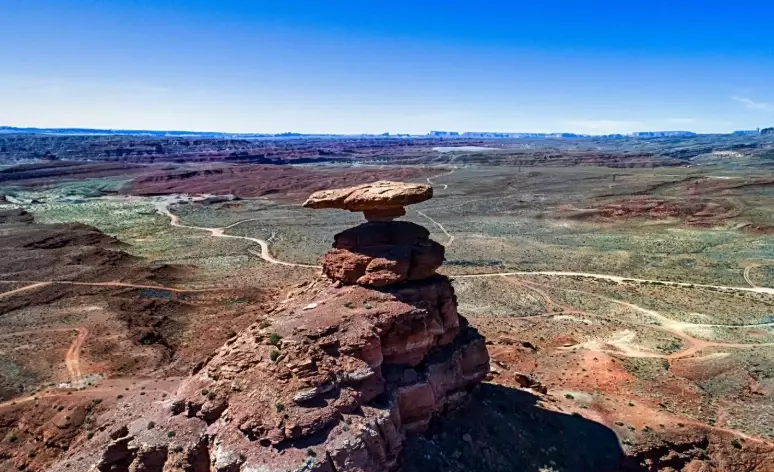
Key Location & Logistics
Address for Navigation: Simply plug "Mexican Hat, UT" into your GPS. The rock formation is located just off US-163, about 3 miles north of the town center. Look for the signs and the obvious dirt road turnout.
Getting There: You absolutely need a car. The nearest major airports are in Flagstaff, AZ (3 hours) or Albuquerque, NM (4 hours). You'll be driving through some of the most spectacular scenery in the country to get here.
Cell Service & Fuel: Assume you have none. Service is extremely spotty. Fill your tank in Bluff (to the north) or Kayenta (to the south) before arriving. The gas station in Mexican Hat is a lifesaver but can be pricey.
Top Things to Do Around Mexican Hat
Mexican Hat itself is a quick stop. The magic is in the 30-mile radius around it. Here’s how to spend your time.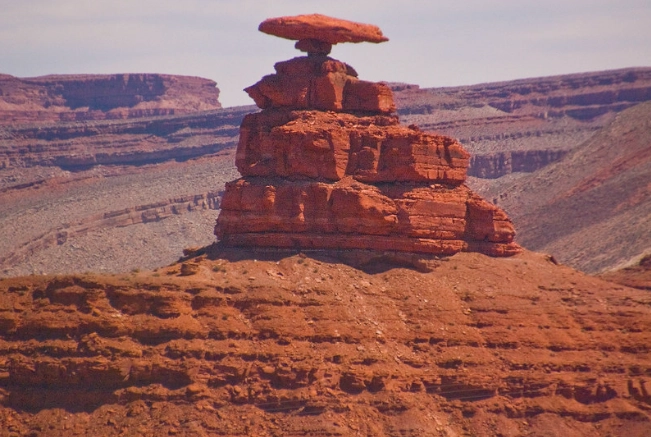
1. Visit the Mexican Hat Rock Formation
Drive the short, bumpy road to the base. The view from below is cool, but for the classic photo, pull over on US-163 about a quarter-mile south of the turn-off. That's the shot you've seen. Sunset here is pure gold. It takes 20 minutes, max. Respect the land—don't climb on the fragile sandstone pedestal.
2. Goosenecks State Park (5 miles west)
This is my top recommendation and the most underrated spot in the area. For a $5 day-use fee, you walk to a railing and look down 1,000 feet at the San Juan River. It has carved deep, tight meanders called entrenched meanders. The river flows 6 miles to travel just 1.5 miles as the crow flies. The scale is incomprehensible until you see it. It makes the Grand Canyon look… straightforward. The view is better than the similar (and more famous) Horseshoe Bend in some ways because you see multiple bends at once. There are a few primitive campsites right on the rim—first-come, first-served.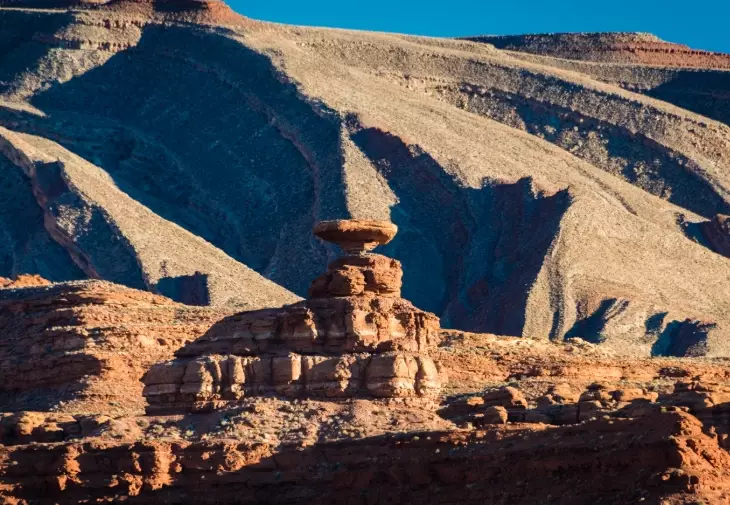
3. Valley of the Gods (10 miles east)
Think of this as Monument Valley's free, drive-yourself, less-crowded cousin. It's a 17-mile unpaved loop road (County Road 242) through a stunning basin of sandstone monoliths with names like Lady in a Bathtub and Seven Sailors. A high-clearance vehicle is recommended, especially after rain, but I've seen sedans do it slowly in dry conditions. Allow 1.5 to 2 hours. This is pure, unmediated adventure. No services, no markers, just you and the gods.
4. Monument Valley Navajo Tribal Park (25 miles south)
You can't come this close and not go. The iconic view of the Mittens and Merrick Butte from the visitor center is on every postcard. Entry is $8 per person. You can drive the 17-mile dirt loop road yourself (rough but doable in any car if dry) or book a guided tour with a Navajo guide to access restricted areas like Mystery Valley or Hunt's Mesa. Goulding's Lodge, just outside the park, has a museum, trading post, and the only significant cluster of services in the region.
5. Drive the Moki Dugway (30 miles west)
This isn't for the faint of heart. A gravel road (UT-261) climbs 1,200 feet up the face of Cedar Mesa via a series of tight, unpaved switchbacks with no guardrails. The views from the top over Valley of the Gods are phenomenal. Check conditions before you go, and don't even think about it in a large RV or during bad weather.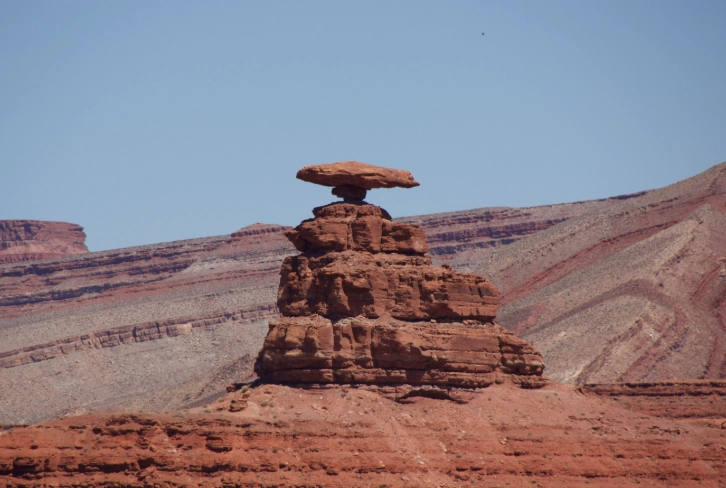
Planning Your Visit: The Nitty-Gritty Details
This isn't a place you wing. A little planning prevents a major headache.
Best Time to Visit: Spring (April-May) and Fall (September-October) are perfect. Summer is scorching hot, with temps over 100°F common. Winter can be cold and snowy, and some dirt roads become impassable.
What to Pack: This is non-negotiable. Sunscreen, a wide-brimmed hat, sunglasses, and at least 2 gallons of water per person per day. More water than you think. Also, download offline Google Maps for the entire region. Bring cash—some vendors and entry fees are cash-only.
Road Conditions: Pavement is a luxury here. Most attractions involve dirt roads. Always stop at a visitor center (in Bluff or Kayenta) or ask a local about current conditions before heading out. A sudden rainstorm can turn clay roads into slick, tire-sucking nightmares in minutes.
Where to Stay and Eat in Mexican Hat
Options are limited, so book ahead, especially during holiday weekends.
Where to Stay:
- San Juan Inn: The most well-known spot. Right on the San Juan River, it has a motel, a trading post, and a restaurant with a killer river-view patio. Rooms are basic but clean. This is the social hub.
- Mexican Hat Lodge: Another classic, no-frills motel option. Often quieter than the San Juan Inn.
- Goosenecks State Park Campground: For $10 a night, you get a picnic table and the best view in three states. Vault toilets only. No water. No reservations. Get there early.
- Valley of the Gods B&B: A unique, upscale option in a stunning remote setting. Requires advance booking and a drive down a long dirt road.
Where to Eat:
- San Juan Inn Restaurant: Your main sit-down option. Standard American and Navajo fare—burgers, fries, Navajo tacos. The green chili is good. It's about the view and the convenience.
- Swivel Sweets: A newer addition! A food truck near the gas station serving coffee, baked goods, and sandwiches. A godsend for morning coffee.
- Goulding's Lodge Restaurant (in Monument Valley): Your nearest alternative for a full-service meal, about a 25-minute drive away.
My advice? Manage your expectations. This is fuel-and-sustenance territory, not a foodie destination. Pack snacks.
A Sample 2-Day Mexican Hat Itinerary
Here’s how a perfect short trip could unfold:
Day 1: Arrival & Valley of the Gods
Arrive from the north (Moab/Bluff) or south (Monument Valley). Check into your lodging. Head straight to Valley of the Gods for the late afternoon light. Drive the loop slowly. Set up a chair and watch the sunset paint the buttes. Have dinner at the San Juan Inn.
Day 2: Goosenecks, Mexican Hat Rock & Monument Valley
Grab coffee from Swivel Sweets. Drive to Goosenecks State Park for morning views—the shadows are deep and dramatic. On the way back, stop at the Mexican Hat rock for photos. After lunch, head south to Monument Valley. Do the scenic drive or take a 3-hour guided tour. Return to Mexican Hat for one more epic sunset, perhaps back at Goosenecks.
Expert Tips & Common Mistakes to Avoid
After multiple trips, here’s what most first-timers get wrong.
The Water Mistake: They bring one small bottle. The desert dehydrates you silently. You need a cooler with gallons of water, not just for drinking but in case your car overheats.
The Gas Mistake: They see the gas station in Mexican Hat and think, "I'll fill up there." That station can run out or close early. Always top off in a major town. The stretch between Mexican Hat and Natural Bridges (to the north) is particularly barren.
The Road Arrogance Mistake: People in rental sedans think "all-wheel drive" is a magic wand for dirt roads. It's not. Ground clearance is king. If it says "high clearance recommended," that's not a suggestion. Getting stuck out here means a very expensive and long tow.
The Timing Mistake: Trying to do Monument Valley, Valley of the Gods, and Goosenecks all in one rushed afternoon. You'll see nothing but dust. This landscape demands slow travel. Give each place a few hours to breathe.
Your Mexican Hat Questions Answered
Mexican Hat is more than a funny name on a map. It's a threshold. It represents a choice to leave the paved, predictable tourist trail behind and engage directly with the immense, silent power of the Colorado Plateau. You come for the hat-shaped rock, but you leave remembering the bends of the river, the shapes of the gods, and the feeling of standing on the edge of it all.
Reader Comments