Fire Canyon isn't just another desert park. It's a raw, vibrant landscape where red rock towers seem to bleed into the sky. I've hiked here dozens of times over the years, and each visit reveals something new—a hidden slot canyon, a petroglyph I'd missed before. But let's be honest: it's easy to screw up your trip if you're not prepared. This guide cuts through the fluff and gives you the practical details you need, from ticket prices to secret trails.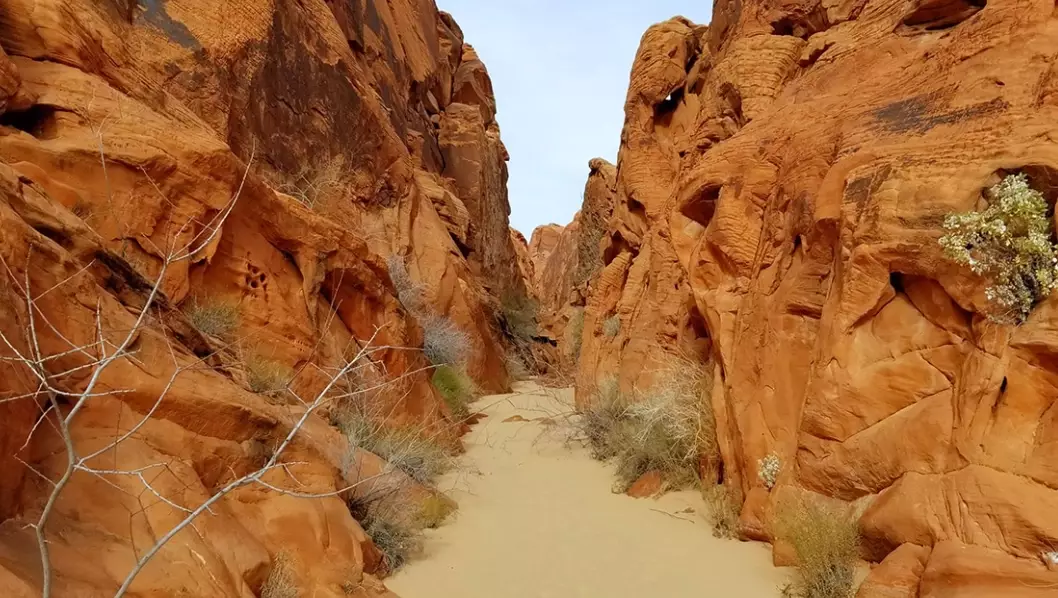
What You'll Find Inside
- What Is Fire Canyon? Beyond the Postcard Views
- Planning Your Visit: Tickets, Hours, and Getting There
- Best Hiking Trails in Fire Canyon: From Easy Walks to Epic Challenges
- Photography Tips for Fire Canyon: Capturing the Magic
- What to Pack for a Safe and Enjoyable Trip
- Insider Tips and Common Mistakes to Avoid
- Frequently Asked Questions About Fire Canyon
What Is Fire Canyon? Beyond the Postcard Views
Fire Canyon is a state park in the southwestern United States, known for its fiery red Aztec sandstone formations. Think of it as a smaller, more intense version of the Grand Canyon—but with fewer crowds and more intimate trails. The park covers about 42,000 acres, and its centerpiece is the Fire Canyon itself, a deep gorge carved by wind and water over millions of years.
I remember my first visit. I expected barren desert, but instead found a landscape alive with color: ochre cliffs, white gypsum patches, and green sagebrush clinging to life. The silence is profound, broken only by the wind or the occasional raven. It's a place that demands respect. Summer temperatures can soar past 110°F, and water sources are nonexistent. Yet, that's part of the allure—the challenge of hiking in such an extreme environment.
The park isn't just about geology. It's steeped in history. Ancestral Puebloans left petroglyphs on the rocks, and early settlers used the area as a travel route. Rangers offer guided tours that delve into these stories, but I prefer exploring on my own. There's a sense of discovery when you stumble upon a rock art panel tucked away in a canyon.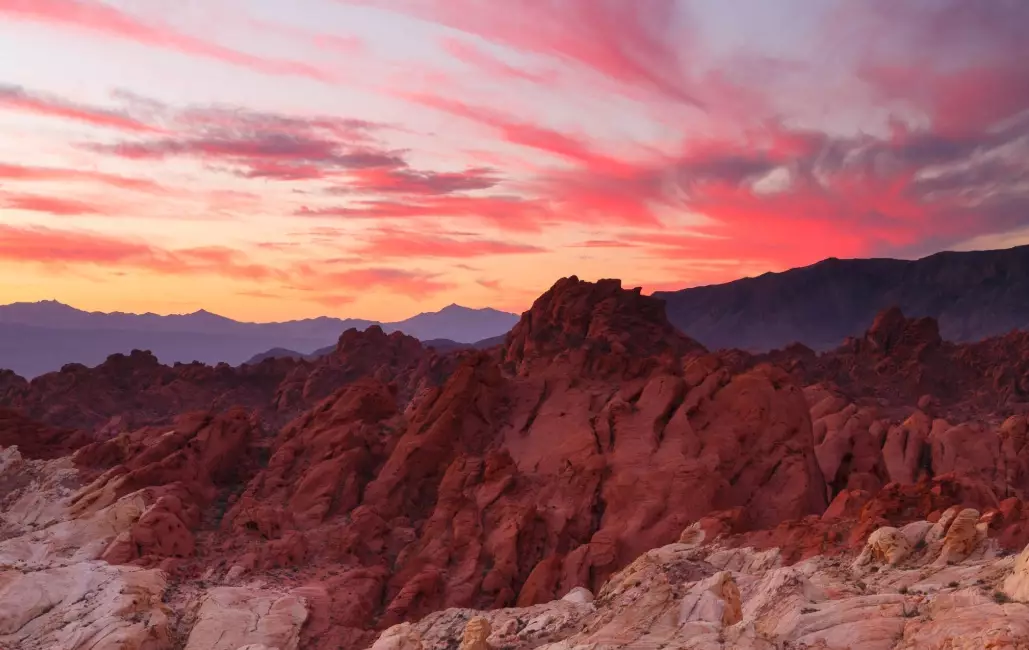
Planning Your Visit: Tickets, Hours, and Getting There
Let's get practical. You can't just show up and wing it. Here's everything you need to know about logistics.
Entrance Fees and Operating Hours
Fire Canyon is open year-round from 6 a.m. to 10 p.m., but the visitor center operates from 8 a.m. to 5 p.m. daily. The entrance fee is $10 per vehicle for a 7-day pass. Motorcycles pay $5, and pedestrians or cyclists are $3 per person. If you plan multiple visits, consider the annual pass for $75—it's worth it if you're local or traveling nearby.
I've seen tourists argue at the gate because they only brought cash. The park accepts credit cards, but it's wise to have some cash on hand just in case.
How to Get to Fire Canyon
The park is located about 50 miles northeast of Las Vegas. From the city, take Interstate 15 north, then exit onto State Route 169. Follow the signs for about 45 minutes. The road is paved all the way, but RVs might find some curves tight.
If you're coming from St. George, Utah, it's a 90-minute drive south via I-15 and SR 169. There's no public transportation to the park, so renting a car is essential. I once met a couple who tried to hitchhike—they ended up waiting hours for a ride. Don't make that mistake.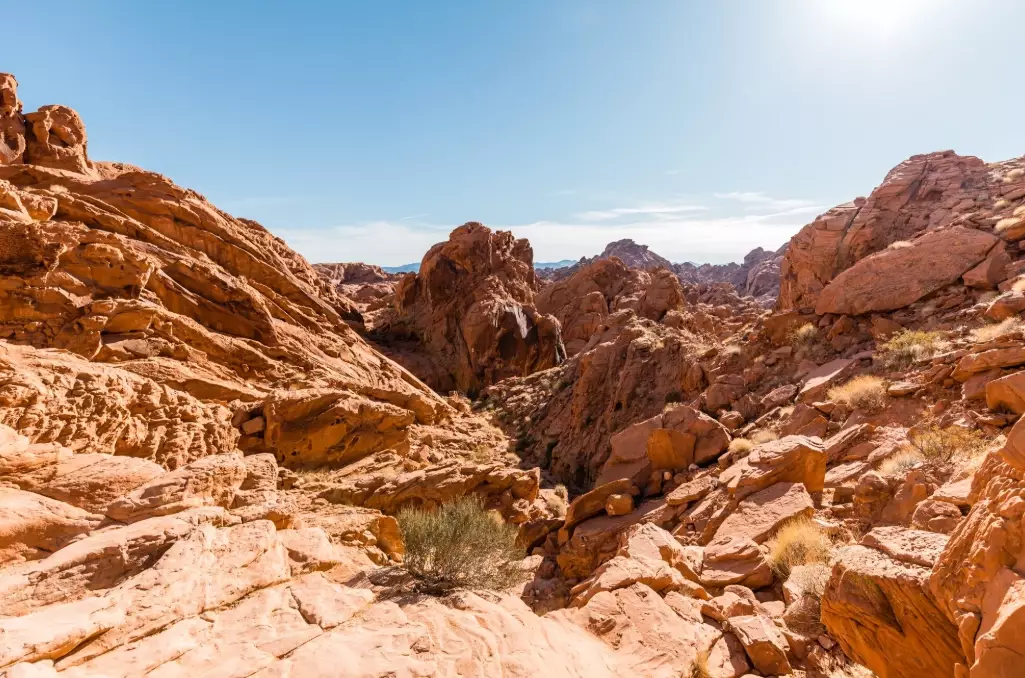
Where to Stay
Fire Canyon has one campground with 72 sites, each with a picnic table and fire ring. No hookups, but there are restrooms and water spigots. Sites are $20 per night and can be reserved online up to six months in advance. Summer weekends sell out fast.
If camping isn't your style, nearby towns like Overton offer motels and vacation rentals. The Overton Hotel is basic but clean, with rooms around $80 per night. For a bit more comfort, I recommend staying in Mesquite, about 40 minutes away, where you'll find chain hotels and restaurants.
Best Hiking Trails in Fire Canyon: From Easy Walks to Epic Challenges
Hiking is the main draw here. The park has over 30 miles of trails, ranging from flat paths to steep scrambles. Below is a table summarizing the top trails based on my experience.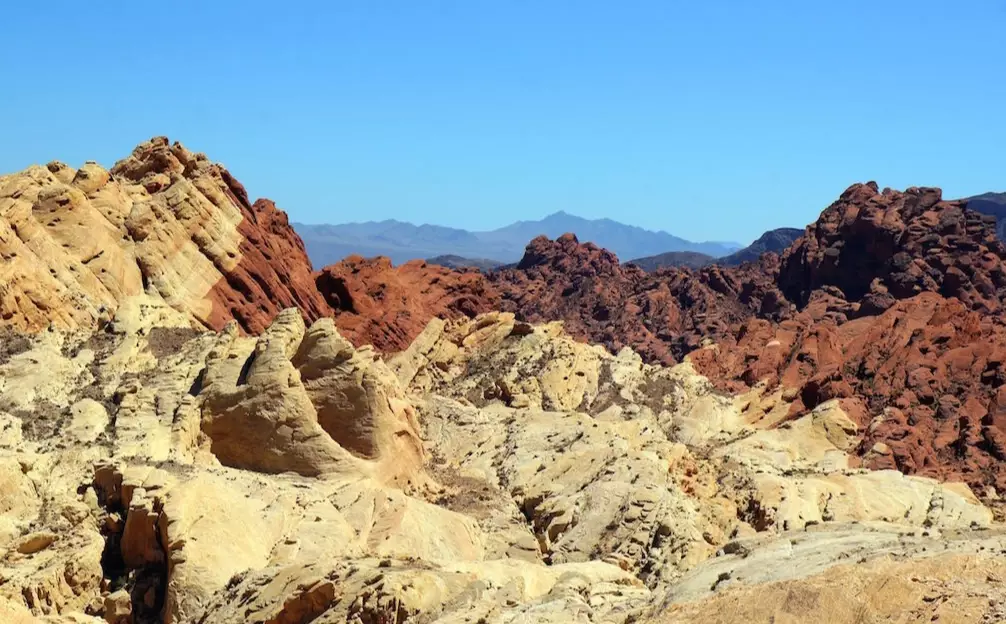
| Trail Name | Difficulty | Round-Trip Distance | Highlights | Time Needed |
|---|---|---|---|---|
| Fire Wave Trail | Easy | 1.5 miles | Swirling red and white sandstone | 1 hour |
| Mouse's Tank Road | Moderate | 4 miles | Petroglyphs and natural water basins | 2.5 hours |
| Rainbow Vista Loop | Moderate | 3 miles | Panoramic views of the canyon | 2 hours |
| White Domes Trail | Strenuous | 6 miles | Slot canyons and rock formations | 4 hours |
Fire Wave Trail is the park's poster child. It's short and mostly flat, ending at a wave-like formation that's perfect for photos. Go early—by 9 a.m., it's packed with selfie-takers. I once arrived at sunrise and had the place to myself. The silence was golden.
Mouse's Tank Road is named after a Southern Paiute rebel who used the area as a hideout. The trail leads to a natural basin that collects rainwater—a lifesaver in the desert. Along the way, you'll see petroglyphs of bighorn sheep and spirals. Don't touch them; the oils from your skin can damage them.
Rainbow Vista Loop offers the best views without too much effort. You'll hike along a ridge overlooking the canyon, with colors shifting in the light. It's windier up there, so hold onto your hat.
White Domes Trail is for the adventurous. It involves scrambling over rocks and navigating narrow slots. I've guided friends here, and some found it intimidating. But the reward is worth it—you'll feel like you're on another planet. Bring a map; the trail markers can be sparse.
Photography Tips for Fire Canyon: Capturing the Magic
Fire Canyon is a photographer's dream, but it's also a challenge. The light changes rapidly, and the colors can look flat if you're not careful.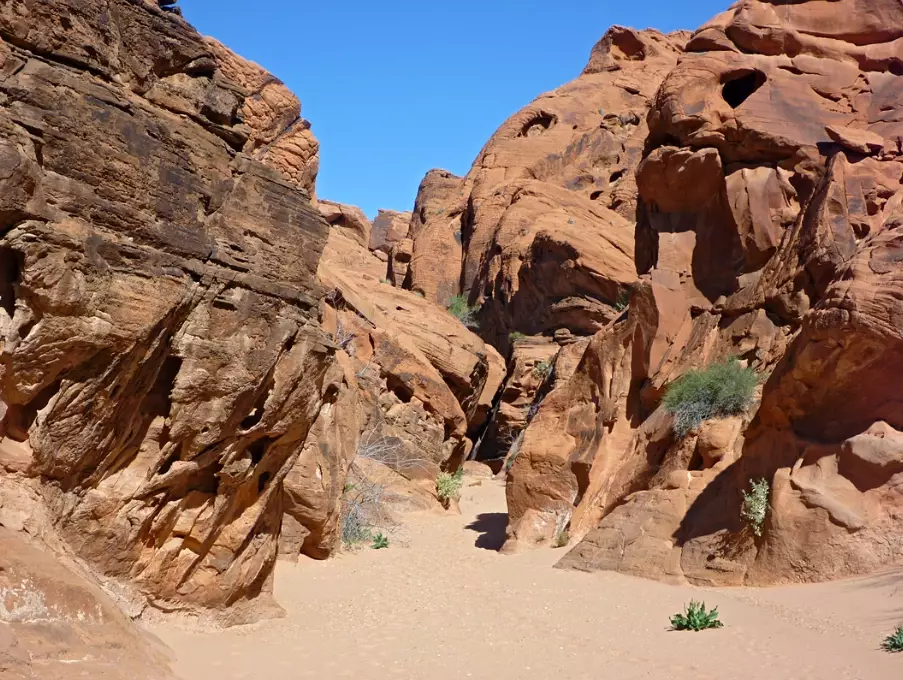
First, timing is everything. Shoot during the golden hours—just after sunrise or before sunset. The low angle light brings out the reds and oranges in the rocks. Midday light is harsh and creates deep shadows that hide details. I've made that mistake; my photos looked washed out.
Use a polarizing filter. It cuts glare from the sandstone and makes the sky pop. A tripod is essential for long exposures, especially in low light. The wind can be strong, so weigh down your tripod with your backpack.
Composition matters. Look for leading lines—cracks in the rocks, trails, or shadows—to draw the viewer's eye. Include human figures for scale, but keep them small to emphasize the vastness. I often use a wide-angle lens for landscapes and a telephoto for isolating details like textures or distant formations.
Don't forget about the night sky. Fire Canyon is a designated dark sky park, so the stars are incredible. Use a fast lens (f/2.8 or wider) and set your ISO high. Experiment with exposures of 20-30 seconds to capture the Milky Way. I've spent nights out here, and it's humbling to see the galaxy arch over the canyon.
What to Pack for a Safe and Enjoyable Trip
Packing right can make or break your day. Here's a list based on hard lessons learned.
- Water: At least 3 liters per person. More if you're hiking in summer. I carry a hydration bladder plus extra bottles.
- Food: High-energy snacks like nuts, jerky, and energy bars. Lunch that won't melt—sandwiches work well.
- Clothing: Lightweight, breathable layers. A hat with a brim, sunglasses, and a bandana for sweat. Sturdy hiking boots with ankle support—the terrain is rocky.
- Gear: Sunscreen (SPF 50+), lip balm, a detailed map or GPS device, compass, whistle, basic first-aid kit, multi-tool, and headlamp with extra batteries.
- Optional but useful: Binoculars for wildlife spotting, a small brush to clean sand from your camera, and zip-lock bags to protect electronics from dust.
I once saw a hiker in flip-flops trying to climb a rocky slope. He turned back with blistered feet. Don't be that person.
Insider Tips and Common Mistakes to Avoid
After years of visiting, I've picked up a few tricks that most guides don't mention.
Start your hike early. Not just to beat the heat, but to avoid the crowds. The parking lots fill up by 10 a.m., especially on weekends. If you arrive late, you might end up parking far away and adding extra miles to your hike.
Check the weather forecast. Summer thunderstorms can cause flash floods in slot canyons. The park closes trails when rain is imminent. I've been caught in a sudden downpour—it's scary and dangerous. Respect the closures.
Stay on marked trails. The cryptobiotic soil—a living crust that prevents erosion—is fragile. Stepping off-trail can damage it for decades. I've seen footprints where people shortcut switchbacks; it's disheartening.
Wildlife is part of the experience. You might see bighorn sheep, coyotes, or rattlesnakes. Keep a safe distance, and never feed animals. Store your food properly to avoid attracting critters to your campsite.
One common mistake: underestimating the sun. Even in winter, UV rays are intense. Reapply sunscreen every two hours, and wear a long-sleeved shirt if you burn easily. I learned this the hard way with a nasty sunburn that ruined my trip.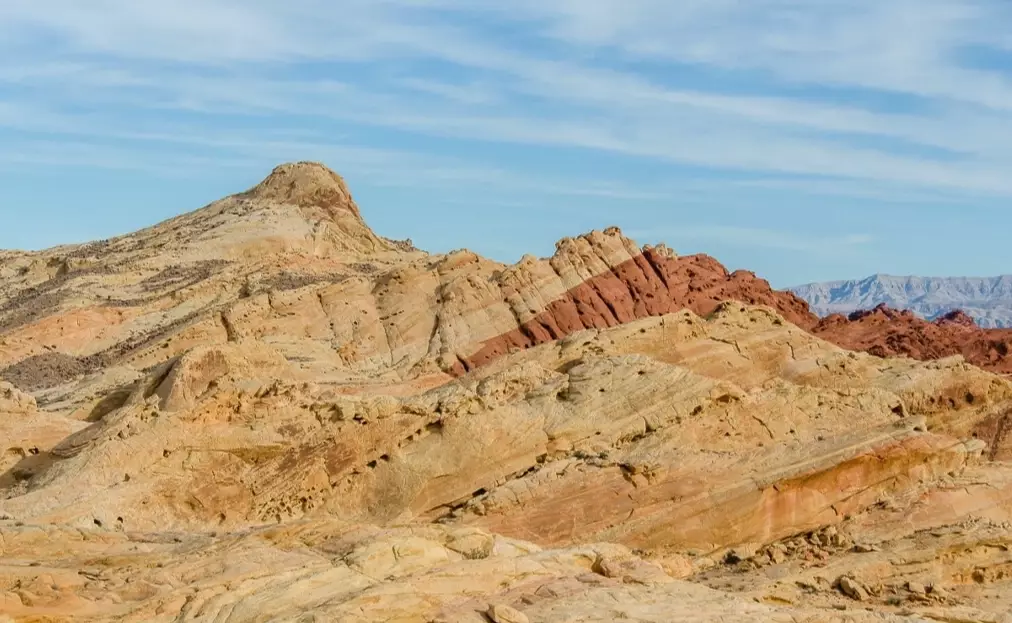
Frequently Asked Questions About Fire Canyon
What's the best time to visit Fire Canyon to avoid crowds and heat?
Early spring (March to April) or late fall (October to November) offer mild temperatures and fewer visitors. Summer is brutally hot, with highs often exceeding 100°F. If you must go in summer, hike at dawn and finish by 10 a.m. I've visited in all seasons, and spring wins for wildflowers and comfortable hiking.
Are there any permits or fees required for hiking in Fire Canyon?
Yes, there's an entrance fee of $10 per vehicle for a 7-day pass. No separate hiking permits are needed for day use, but overnight camping requires a reservation and a $20 camping fee per night. These fees support trail maintenance and conservation efforts. You can pay at the entrance station or online through the park's official website—I recommend booking online to save time at the gate.
How can I capture the best photos of Fire Canyon's red rock formations?
Use the golden hours—sunrise and sunset—when the light is soft and directional. Bring a polarizing filter to reduce glare and enhance color saturation. For unique compositions, hike to Fire Wave Trail at dawn; the low angle light creates dramatic shadows and textures. Avoid midday when the light is harsh and flat. I always pack extra memory cards because you'll end up taking more photos than you planned, especially with the changing light.
What should I pack for a safe and enjoyable day trip to Fire Canyon?
Essentials include at least 3 liters of water per person, high-energy snacks like nuts and bars, a wide-brimmed hat, sunscreen (SPF 50+), sturdy hiking boots, and a detailed map or GPS device. Cell service is unreliable, so offline maps are crucial. I also recommend a basic first-aid kit, whistle, and headlamp. Don't underestimate the desert climate—dehydration and heat exhaustion are real dangers. I once ran out of water on a long hike and had to ration; it was a stressful lesson learned.
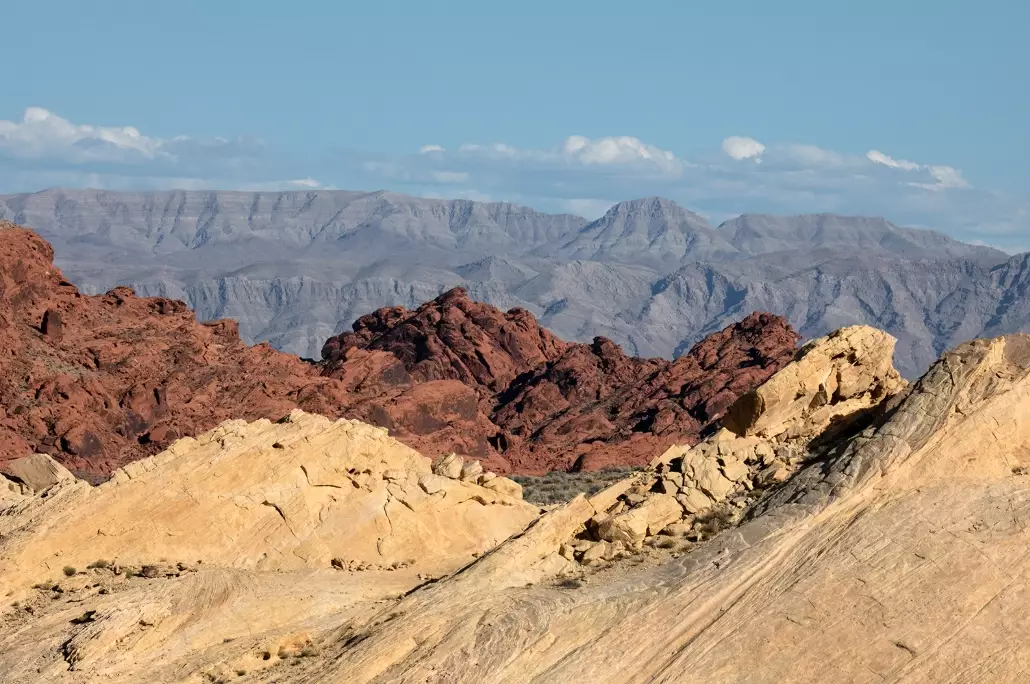 Fire Canyon is more than a destination; it's an experience that stays with you. The silence, the colors, the challenge—it all adds up to something memorable. Plan well, respect the land, and you'll leave with stories to tell. Whether you're a first-timer or a seasoned hiker, this park has something to offer. Just remember: the desert doesn't forgive carelessness. So pack your water, wear your hat, and step into the adventure.
Reader Comments