Let's cut to the chase. You're thinking about a trip to Utah's national parks. You've seen the photos—those impossible red arches, deep canyons, and towering hoodoos. It looks epic, and it is. But planning it can feel overwhelming. Which parks are worth it? How do you fit them all in? Where do you even start? I've guided trips through this region for over a decade, and I'm here to give you the straight talk, the hidden gems, and the logistical nitty-gritty that most generic travel blogs gloss over.
Utah's "Mighty 5"—Arches, Canyonlands, Capitol Reef, Bryce Canyon, and Zion—are a unique concentration of natural wonder. But they're also spread out, each with its own personality and challenges. The classic mistake? Trying to see them all in a frantic three-day dash. You'll spend more time in your car than on the trails. This guide is built to help you avoid that.
Your Utah National Parks Roadmap
The Perfect 7-Day Mighty 5 Itinerary (Counter-Clockwise Loop)
Starting in Las Vegas (LAS) is often cheapest. Salt Lake City (SLC) works too, but you'll add a few hours of driving. This loop minimizes backtracking.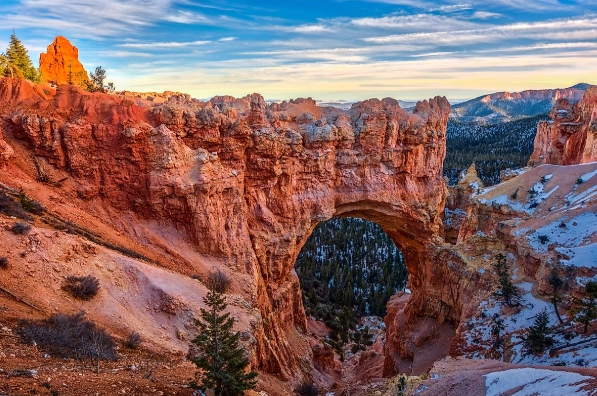
Day 1: Las Vegas to Springdale (Zion's Doorstep)
Drive: ~2.5 hours to Springdale, UT. Don't rush. Stop at the Valley of Fire State Park in Nevada for a stunning red rock appetizer. Settle into Springdale, a walkable town with great food. Get your park pass sorted. If you have energy, take the free town shuttle into Zion for a late-afternoon walk along the Pa'rus Trail. It's flat, paved, and gives you a glorious first look at the canyon walls.
Day 2: Zion National Park
This is a shuttle day. Zion's main canyon is accessed by the park's mandatory shuttle system (early March to late November). Get to the visitor center early—I mean 7:30 AM early. The line for the shuttle builds fast. Hike the iconic Angels Landing (permit required, apply months ahead) or the equally stunning but less harrowing Observation Point via the East Mesa Trail (this trailhead is outside the main canyon, so no shuttle needed—a pro tip). For a classic, do the Narrows Riverside Walk and wade into the river if conditions allow.
Day 3: Zion to Bryce Canyon
Drive: ~2 hours. Take the scenic route UT-9 east through the Zion-Mount Carmel Tunnel, then north on US-89. You'll gain elevation, and the temperature will drop. Spend the afternoon at Bryce. Don't just stop at the overlooks. Hike down into the hoodoos on the Queen's Garden/Navajo Loop combination. The perspective from below is transformative. Sunset at Sunset Point (ironically, one of the best sunrise spots) is a must. Stay in Bryce Canyon City or nearby Tropic.
Day 4: Bryce Canyon to Capitol Reef
Drive: ~2.5 hours. This is a gorgeous drive on Scenic Byway 12 over Boulder Mountain. Stop at the Kiva Koffeehouse for a break with a view. Arrive at Capitol Reef, the quietest of the five. Check into Torrey. Capitol Reef is about intimate scale. Hike the Cassidy Arch Trail or the Grand Wash. Then, hit the historic Fruita district. Pick fruit in the orchards (in season), and buy a fresh, hot pie from the Gifford Homestead. It's a uniquely charming park experience.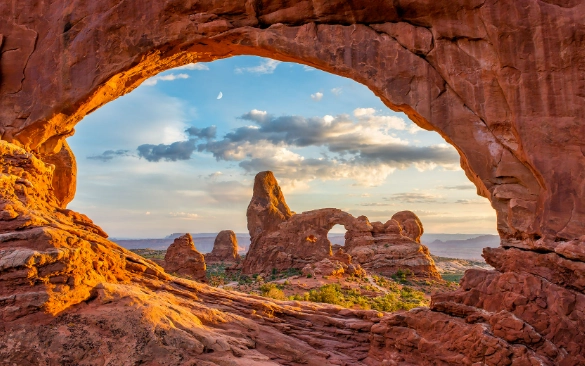
Day 5: Capitol Reef to Moab (Arches & Canyonlands Base)
Drive: ~2.25 hours. You're heading to adventure central. Settle into Moab. Your afternoon choice: Tackle a first glimpse of Arches (the Windows Section and Double Arch are quick, high-impact wins) or head to the Island in the Sky district of Canyonlands for what might be the most breathtaking sunset of your trip at Mesa Arch. The light glowing under the arch is pure magic.
Day 6: Arches National Park
Get your timed slot, and go. Hike to Delicate Arch (3 miles roundtrip, moderate). It's the postcard shot, and seeing it in person is worth the effort. Spend the rest of the day exploring the Devils Garden Trail (Landscape Arch is an easy out-and-back). The heat here is no joke—carry way more water than you think you need.
Day 7: Canyonlands (Island in the Sky) & Return
Before driving back to Vegas (~7.5 hours) or SLC (~4 hours), spend your morning at Canyonlands. It's Arches' wilder, less-visited neighbor. Do the short walk to Mesa Arch for sunrise if you can. Then drive the scenic drive to Grand View Point Overlook. The scale here is incomprehensible—it looks like the Grand Canyon got a red paint job. Then, sadly, point the car homeward.
Park-by-Park Deep Dive: What You Really Need to Know
| Park | Core Experience | Can't-Miss Hike/View | Practical Details (Address, Fee, Hours) |
|---|---|---|---|
| Zion | Majestic canyon immersion, iconic strenuous hikes. | Angels Landing (permitted), The Narrows (water hike). Observation Point via East Mesa Trail is a quieter alternative with equal views. | Springdale, UT. $35/vehicle, 7-day pass. Park open 24/7. Shuttle runs ~7am-8pm seasonally. South Campground & Watchman Campground. |
| Bryce Canyon | Forest of whimsical hoodoo rock spires. High elevation (8,000+ ft). | Queen's Garden & Navajo Loop combo (descend into the amphitheater). Sunrise at Sunrise Point. | Bryce, UT. $35/vehicle. Open 24/7. Visitor center 8am-8pm (summer). North & Sunset Campgrounds. |
| Capitol Reef | Hidden canyons, pioneer history, and fruit orchards. The "sleepy" park. | Cassidy Arch Trail, Hickman Bridge. Pie at Gifford Homestead. | Torrey, UT. $20/vehicle. Open 24/7. Fruita Campground. |
| Arches | Concentration of over 2,000 natural stone arches. Timed entry required. | Delicate Arch (hike it, don't just view from afar). Devils Garden Trailhead. | Moab, UT. $30/vehicle. Open 24/7. Timed entry Apr-Oct. Devils Garden Campground. |
| Canyonlands | Vast, rugged desert landscape divided into districts (Island in the Sky is most accessible). | Mesa Arch at sunrise. Grand View Point Overlook. Dead Horse Point State Park nearby is also stunning. | Moab, UT (Island in the Sky). $30/vehicle. Open 24/7. No water inside. Willow Flat Campground. |
When to Go & The Crowd-Beater's Playbook
Spring (April-May) & Fall (Sept-Oct) are the sweet spots. Days are warm, nights are cool, and crowds are manageable (except during holidays). Summer is brutal—heat in Arches and Zion can exceed 100°F, making hiking dangerous without extreme preparation. It's also packed. Winter is cold, especially at Bryce, but offers stunning snow-dusted scenery and solitude. Some park roads may close.
My non-consensus crowd tip: Reverse your daily logic. Most people hike in the morning and drive/scenic-overlook in the afternoon. Flip it. Get up for sunrise at a major viewpoint (it's cooler and emptier), then do your big hike in the late afternoon. You'll avoid the peak trail traffic and often get better light for photography.
Money, Logistics & Pro Tips From a Decade on the Road
The $80 America the Beautiful Pass is a no-brainer if you're hitting more than three parks in a year. It covers all entrance fees at federal recreation sites. Buy it at the first park you enter. It pays for itself on this trip alone.
Accommodation: Book months in advance, especially for Springdale (Zion) and Moab. Hotels fill up and prices skyrocket. Consider camping—park campgrounds are affordable and immersive, but also bookable far ahead on Recreation.gov. Dispersed camping on nearby Bureau of Land Management (BLM) land is a free, legal option for self-sufficient travelers.
What Most First-Timers Underestimate: The sun. The desert UV is intense. A wide-brimmed hat, long-sleeved sun shirt, and relentless sunscreen application are not optional—they're survival gear. The dryness. You need to drink water constantly, even if you don't feel thirsty. Carry a minimum of 1 gallon (4 liters) per person per day for hiking. The scale. Distances are vast, and services are few. Fill your gas tank whenever you see a station. Don't rely on cell service in the parks.
One more thing. Leave each place better than you found it. Stay on marked trails. Pack out all your trash. These landscapes are fragile. That orange cryptobiotic soil crust is alive—stepping on it kills it and can cause erosion that takes decades to heal.
Your Utah Parks Questions Answered
Is 7 days enough for all 5 Utah national parks?
It's enough for a highlights tour, which is what most first-time visitors want. You'll get a strong taste of each park. If you have 10 days, you can add more hikes, explore Capitol Reef's remote Cathedral Valley, or venture into Canyonlands' Needles district. But a well-planned 7-day loop is absolutely worthwhile and the most common successful itinerary.
What's the biggest mistake people make planning a Utah parks road trip?
Underestimating drive times and overestimating what they can do in a day. Google Maps times don't account for slow RVs, scenic stops, or construction. A 2-hour drive can easily become 3.5. And trying to do two major hikes in two different parks in one day is a recipe for exhaustion. Pick one signature experience per park day, and savor it.
Arches vs Canyonlands: which is better if I'm short on time around Moab?
It depends on your tolerance for crowds and what you seek. Arches is about specific, famous landmarks (Delicate Arch). It's more crowded and requires a timed entry ticket. Canyonlands (Island in the Sky) is about vast, mind-bending landscapes. It feels more remote and wild. If you want the iconic photo and a more curated experience, choose Arches. If you want raw, staggering scale and relative peace, choose Canyonlands. Honestly, if you have a full day, do Arches in the morning (with your ticket) and catch sunset at Canyonlands—they're only 45 minutes apart.
I'm not a serious hiker. Can I still enjoy these parks?
Absolutely. Every park has stunning views accessible from the road or very short, paved walks (like Zion's Pa'rus Trail, Bryce's Rim Trail, Arches' Windows Section). Scenic drives like the Zion-Mount Carmel Highway, Capitol Reef's Scenic Drive, and the Canyonlands Island in the Sky road offer incredible vistas with minimal effort. Rangers at visitor centers can point you to the best easy-access spots.
Where should I stay if park lodges and nearby towns are booked?
Look at the next town over. For Zion, check Hurricane or St. George (a bit farther). For Bryce, look at Panguitch or even farther along your route towards Capitol Reef. For Moab (Arches/Canyonlands), Green River is about 50 minutes north and often has availability when Moab is sold out. The drive is easy and puts you close to both parks.
Reader Comments