Quick Navigation
So you're planning a trip to the Grand Canyon and you keep hearing about this place called Lipan Point. Maybe a friend mentioned it, or you saw a breathtaking photo tagged with that name. The first question that pops into your head is probably the most basic one: where is Lipan Point, exactly? It sounds simple, but the answer is more than just a pin on a map. Knowing where it is tells you about the kind of experience you're in for—the crowds (or lack thereof), the journey to get there, and the specific slice of canyon grandeur you're about to witness.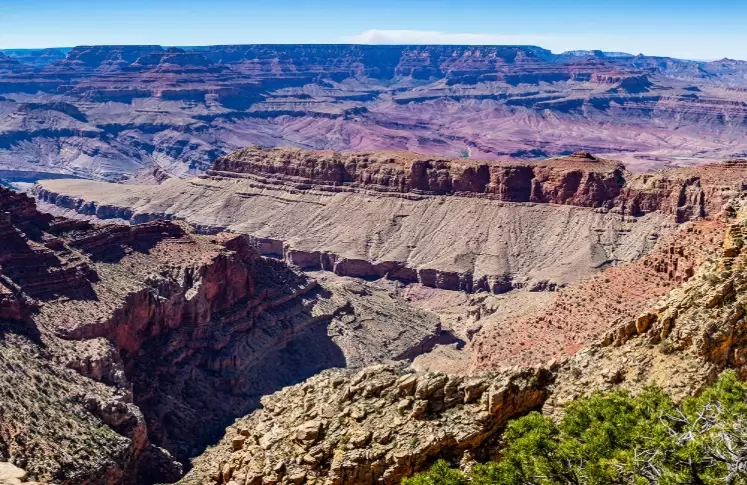
Let's cut to the chase. Where is Lipan Point located? It's on the South Rim of the Grand Canyon in Arizona, USA. More specifically, it's on Desert View Drive (State Route 64), about a 25-30 minute drive east from the main Grand Canyon Village area. If you're coming from the park's east entrance near Desert View Watchtower, it's one of the first major overlooks you'll hit heading west. I remember my first time driving that road, looking for the sign. You pass a few smaller pull-offs, and then there it is—a decently sized parking lot that often feels more manageable than the chaos at Mather Point.
The Straight Answer: Lipan Point is on the South Rim's Desert View Drive, roughly 8 miles west of the Desert View Watchtower and about 12 miles east of Grand Canyon Village. Its GPS coordinates are approximately 36.0372° N, 111.8649° W. That's the "where." But the real story is why you should care about this particular spot among dozens of others.
I've been to the Grand Canyon more times than I can count, and I've dragged countless first-time visitors to different overlooks. Lipan Point consistently gets the best reaction. It's not the most famous, but that's part of its charm. You're not just asking "where is Lipan Point?" You're asking for a quieter, arguably more dramatic perspective. The view from here is unobstructed and deep, giving you a powerful sense of the canyon's scale in a way that some of the busier, more developed viewpoints don't.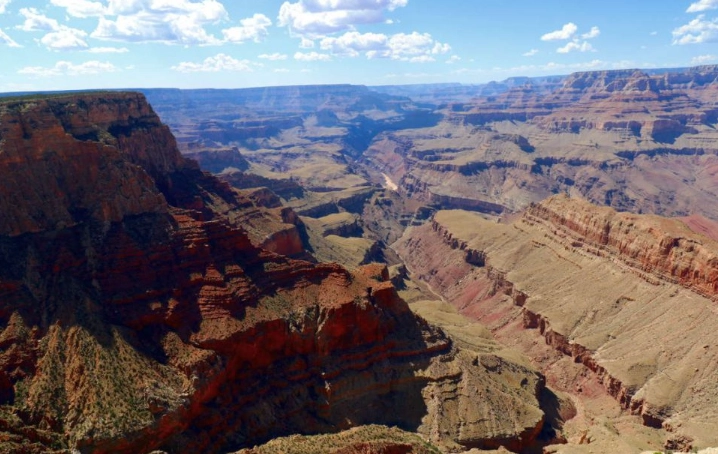
Getting to Lipan Point: Your Transportation Options
Okay, so you know where Lipan Point is on the map. Now, how do you actually get there? This is where details matter. Access changes with the seasons, and your choice of wheels makes a big difference in the experience.
By Car: This is the easiest and most flexible way. From Grand Canyon Village, head east on Desert View Drive. The road is open to private vehicles year-round, though winter weather can occasionally cause temporary closures (check the National Park Service website for current conditions). The drive itself is half the fun—winding through the pine forest with sudden, jaw-dropping glimpses of the canyon. Parking at Lipan Point is free (it's included in your park entrance fee), but the lot can fill up by mid-morning during peak season (May-September). My pro tip? Go for sunrise. You'll have your pick of spots and the light is magical.
By Park Shuttle: Here's a common point of confusion. The free, popular Hermit Road (Red Route) shuttle bus does not go to Lipan Point. Not even close. To reach Lipan Point via shuttle, you need to use the Hiker's Express Shuttle in the early morning (like, 5 am or 6 am early during summer) which goes to the South Kaibab Trailhead, which is still a significant distance from Lipan Point. Honestly, if you're relying solely on shuttles, getting to Lipan Point is a hassle involving multiple transfers and a fair bit of walking along the road—not ideal, especially with kids or if you're short on time. The shuttle system is fantastic for the West Rim, but for the East Rim along Desert View Drive, your own car is king.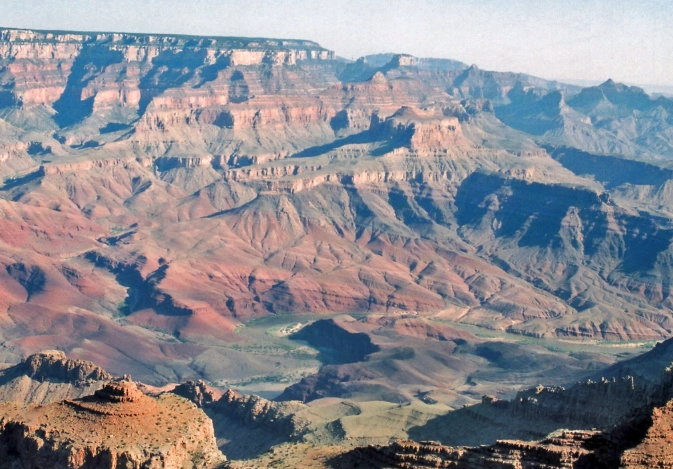
By Tour Bus or Commercial Tour: Many guided tours from nearby towns like Tusayan, Flagstaff, or even Las Vegas include Lipan Point as a stop on their South Rim itineraries. It's less common than stops at Mather Point or the Watchtower, which is a shame. If you're booking a tour, ask specifically if Lipan Point is on the schedule. It's a good indicator of a tour that goes beyond the most crowded spots.
Personal Experience: I once tried to convince a group of friends to wake up for a 4:30 am drive to Lipan Point for sunrise. There was grumbling. Absolute mutiny. But when we got there, with the first rays hitting the temples buttes and painting the Colorado River gold, not a single complaint was heard. They all admitted it was worth the sleep deprivation. The parking lot was maybe a third full, unlike the sunrise zoo at more famous spots.
Why Lipan Point? The View That Answers the Question
You've arrived. You've parked. You walk to the wall. And then you understand. Knowing where Lipan Point is geographically is one thing, but its real value is in its vantage point. This isn't just another pretty overlook.
The view from Lipan Point is famously panoramic and unobstructed. You get a staggering east-to-west vista. To the east, you can clearly see the Desert View Watchtower. Looking west, the canyon unfolds toward the more visited central areas. But the real star of the show is the depth. You can see all the way down to the Colorado River as it makes a wide bend. You can pick out major geological formations like the Vishnu Schist at the very bottom, the Redwall Limestone cliffs, and the distinctive buttes like Vishnu Temple and Rama Shrine. It's a geology textbook come to life.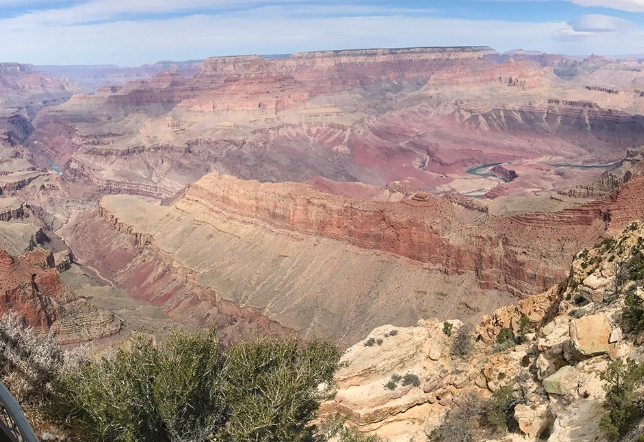
For photographers, asking "where is Lipan Point?" is really asking for the best light. Because of its east-facing orientation, it's arguably the premier spot on the South Rim for sunrise. The sun rises behind you, illuminating the buttes and temples in front of you in a slow, dramatic reveal. For sunset, the warm light bathes the canyon walls in a rich glow, though the sun itself sets behind you. It's a different, softer kind of beautiful.
What Makes the Lipan Point View Unique: It offers one of the clearest and most comprehensive views of the Grand Canyon's geologic layer cake and the Colorado River's path from the South Rim. You can see multiple rapids in the river, which is rare from rim viewpoints.
Lipan Point vs. Other South Rim Overlooks
People often wonder how it stacks up. Here's a quick, honest comparison based on many, many visits.
| Overlook | Crowd Level | Best For | View Characteristic | Ease of Access |
|---|---|---|---|---|
| Lipan Point | Medium-Low | Sunrise, Photography, Grand Vistas | Unobstructed, deep, river visible | Drive yourself, ample parking |
| Mather Point | Very High | Classic, wide, often crowded | Shuttle or short walk from Visitor Center | |
| Yavapai Point | High | Great east & west views, museum nearby | Shuttle or walk from Village | |
| Desert View Watchtower | High | High elevation, unique structure | Far east drive, often tour buses | |
| Moran Point | Low | Intimate, focused on a specific canyon section | Drive yourself, smaller lot |
See what I mean? Lipan Point hits a sweet spot. It's not the easiest to get to without a car, but that filters out a lot of the crowd. The view is more "complete" than some of the more intimate points. It lacks the facilities of Mather Point (no big visitor center, just restrooms), but that's part of its appeal—it feels more raw and connected to the landscape.
What to Do at and Around Lipan Point
You don't just drive to where Lipan Point is, snap a photo, and leave. Well, you could, but you'd be missing out. Here’s how to make the most of your visit.
Sunrise and Sunset Rituals: As mentioned, sunrise is the crown jewel. Bring a chair, a thermos of coffee, and layers—it's cold before the sun hits you. Sunset is more about the changing colors on the rocks after the sun dips below the forest behind you. Both are quiet, reflective experiences here compared to the party atmosphere at some other spots.
Photography Tips: Bring a wide-angle lens to capture the expanse, but also a telephoto (200mm+) to isolate those incredible buttes like Vishnu Temple. A polarizing filter can help cut haze and deepen the blues and reds, especially around midday. The best light is in the hour after sunrise and the hour before sunset. Don't just shoot from the wall; walk along the rim a bit in either direction for different compositions.
Picnicking: There are no concession stands. This is a bring-your-own-food situation. There are a few picnic tables near the parking lot, but snagging a spot on a rock along the rim (safely back from the edge, please) is a meal you won't forget. Pack out everything you bring in.
Nearby Hikes: This is a big one. Lipan Point is not a trailhead for a major rim-to-river trail. The Tanner Trail starts nearby, but let me be blunt: The Tanner Trail is not for casual hikers. It's steep, unmaintained, requires a permit for overnight use, and is extremely challenging. Do not attempt it without serious preparation, plenty of water, and backcountry experience. For most visitors, the "hiking" at Lipan Point is limited to walking the paved paths along the rim or exploring the very beginning of the Tanner Trail for a few hundred feet to get a feel for the descent (turn around well before it gets steep).
A Reality Check: I see people in flip-flops peering over the edge at the Tanner Trailhead looking curious. Don't be that person. The Grand Canyon is not a walk in the park. The trails are serious business. Enjoy the view from the top—that's what Lipan Point is perfectly designed for.
Combining with Other Stops: Since you're out on Desert View Drive, make a day of it. Head east to the Desert View Watchtower for a different perspective and some history. Stop at Moran Point for a quieter, more focused view. Navajo Point, right next to Lipan Point, offers a very similar vista and is often even less crowded. Driving this road and hopping between these overlooks is one of the best ways to experience the South Rim's diversity.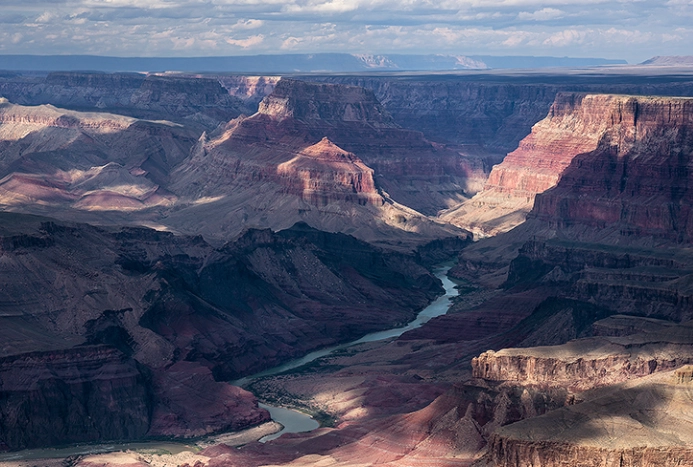
Essential Tips for Your Visit
Let's get practical. Here’s the stuff you need to know before you go, born from hard-learned lessons.
- Best Time to Visit: Sunrise, always. Not just for the light, but for the peace. Late afternoon is also lovely. Midday can be hazy and harsh for photos. Seasonally, spring (April-May) and fall (September-October) have the best weather. Summer is hot on the rim and packed. Winter can be stunning with snow, but check road conditions on the NPS conditions page first.
- What to Bring: Water. More than you think. Sunscreen and a hat—the Arizona sun is no joke even at 7,000 feet. Layers. The temperature swing from dawn to midday can be 30+ degrees Fahrenheit. Good shoes with grip. Snacks. A map (cell service is spotty).
- Safety: Stay on designated paths. The rock can be crumbly. Keep a safe distance from the edge, especially if it's windy. Watch your kids like a hawk. There are no guardrails in many places. Don't throw rocks over the edge—there could be hikers below.
- Facilities: There are vault toilets (non-flushing) at the parking lot. No water. No food. No gift shop. Plan accordingly.
- Parking: The lot is paved and decent-sized, but it does fill up between 10 am and 3 pm in peak season. If it's full, Navajo Point is literally a one-minute drive east and usually has space.
Common Questions About Lipan Point

The History and Geology You're Standing On
When you stand at where Lipan Point is, you're on the Kaibab Limestone, the top layer of the Grand Canyon sequence, about 270 million years old. The rock under your feet was a seafloor. The names you see on the signs—Vishnu Temple, Rama Shrine—were given by explorers like Clarence Dutton in the 19th century, who named features after mythological deities from world religions.
The point itself is named for the Lipan Apache people, whose territory once included regions to the east of the canyon. It doesn't have a built-up history like the Watchtower; its history is the deep time of the rocks themselves. Looking out, you're seeing over a billion years of Earth's history in the exposed layers. The dark V-shaped gorge of the inner canyon is the Vishnu Schist, some of the oldest exposed rock on the continent.
It's a place that makes you feel small in the best possible way. Not insignificant, but connected to something vast and ancient. That's the feeling you're really after when you ask where is Lipan Point. You're looking for a specific place that delivers a specific, profound experience.
And that's the thing about the Grand Canyon.
Every overlook has its personality. Mather Point is the energetic greeter. Desert View is the wise historian. Lipan Point? It's the quiet friend who doesn't say much but shows you exactly what you need to see. It doesn't have all the amenities, and getting there requires a bit more effort, but that effort is rewarded with clarity, depth, and a moment of peace above one of the world's greatest wonders.
So now you know. You know where Lipan Point is on the map, on the road, and in the hierarchy of Grand Canyon views. You know how to get there, when to go, and what to expect. More importantly, you know why it's worth seeking out. Pack your water, charge your camera, set that alarm clock, and go find it for yourself. The view is waiting.
Reader Comments