Your Tonto Forest Adventure Map
Let's be real. When you type "Tonto National Forest Arizona things to do" into Google, you're probably staring at a screen, feeling a mix of excitement and that familiar trip-planning overwhelm. You know this place near Phoenix is huge—like, nearly 3 million acres huge—but what should you actually do there? Is it just cactus and heat, or is there more?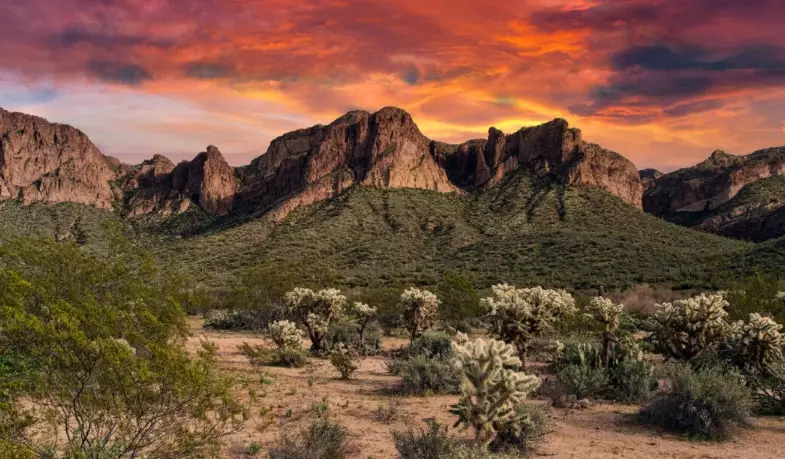
I've been there, scrolling through generic lists that all say the same thing. So I'm not going to do that. Instead, I want to walk you through what it's really like, based on getting my boots dusty on more trails there than I can count. We'll break it down by the kind of experience you're after. Looking for a chill family day by the water? A leg-burning hike with insane views? Or maybe just a scenic drive with a great picnic spot? Tonto has you covered, but you need to know where to look.
The key is understanding that Tonto is split into distinct districts, each with its own personality. Trying to do something from the Mesa district on the same day as something from the Payson district is a recipe for a long, frustrating car ride. We'll get into that.
First Things First: What Exactly is Tonto National Forest?
It's not a single park with one entrance gate. Think of it as a massive patchwork of public land managed by the U.S. Forest Service, wrapping around the eastern parts of the Phoenix metro area and stretching up into the mountains. It goes from saguaro-studded desert floor (as low as 1,300 feet) up to cool, pine-covered mountains (over 7,000 feet). This elevation change is your secret weapon—it means you can chase the perfect weather or find a landscape that matches your mood. The official Tonto National Forest website is your best friend for current alerts, like fire restrictions or road closures, so definitely check it before you head out.
Where to Start: The Main Areas for Tonto National Forest Activities
You can't talk about things to do in Tonto National Forest without knowing your playgrounds. I group the main activity hubs into three, based on geography and vibe.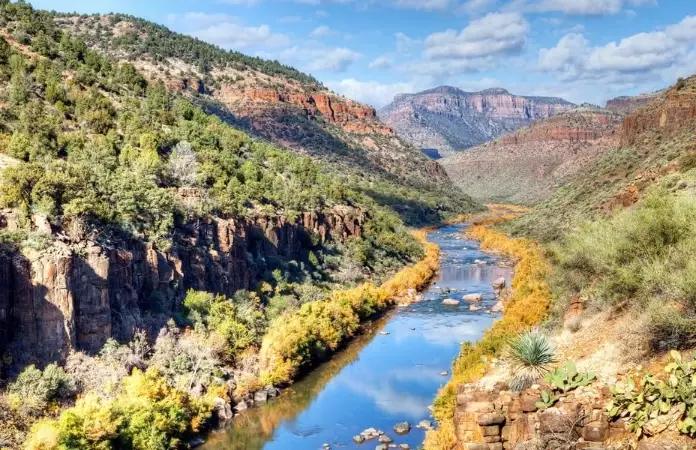
The Salt River & Lower Canyon Lakes Area (Near Mesa/Apache Junction): This is the water playground. If your vision of Tonto involves lakes, tubing, and easy desert hikes with water views, this is your zone. It's the most accessible from Phoenix and gets busy, especially on summer weekends.
The Superstition & Four Peaks Wilderness Area: This is the hiker's and backpacker's paradise. Rugged, iconic landscapes with trails that range from moderately challenging to "are you sure about this?" The views are unbeatable, but the sun is unforgiving.
The Mogollon Rim & Payson Area (Higher Elevation): This is where Arizonans go to escape the heat. Up on the Rim, you swap cacti for ponderosa pines. The vibe shifts from desert adventure to mountain getaway. The activities here—like camping by a creek or hiking through cool forests—are a world apart from the lower desert.
The Top Things to Do in Tonto National Forest: A Curated List
Okay, let's get to the good stuff. Here’s my breakdown of the best Tonto National Forest things to do, beyond just saying "go hiking."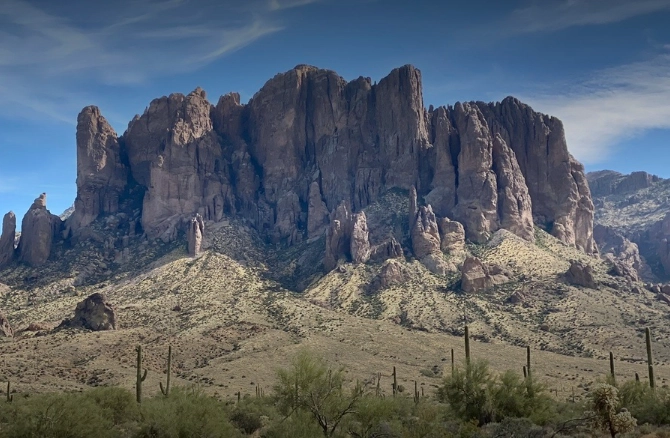
1. Hike to a Swimming Hole (The Best Summer Activity)
This isn't just a hike; it's a mission with a glorious, wet reward. The most famous is the Horton Creek Trail near Payson. It's a moderate 8-mile round trip that follows a gurgling creek the whole way, ending at a series of small, clear pools and springs. It's shady, the water is cold, and it feels like a secret garden. Perfect for a hot day.
Down in the desert, the goal is the Salt River. There isn't one specific "trail to a swimming hole"—you often find a safe access point (like at Phon D Sutton or Goldfield) and pick your spot along the bank. The water is moving, so it's not a stagnant pool. Just be super cautious of the current, especially in spring.
2. Conquer a View-Paying Trail
If you want to earn your bragging rights. The Wave Cave Trail is a local favorite. It's a 3-mile round-trier with a steep finish that lands you inside a cave with a wave-like rock formation and a killer view over the Superstitions. Go early—the parking lot is small and it gets packed.
For something more sustained, the Four Peaks Trail (the one to Brown's Peak, the highest summit) is a brutal but incredible 6-mile round trip scramble. You're above 7,000 feet, looking down on Roosevelt Lake. This is for experienced hikers only, and the road to the trailhead (FR 143) is rough—high-clearance recommended.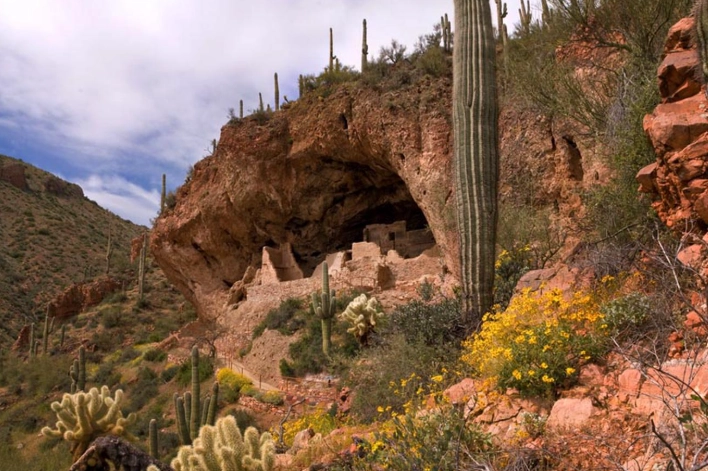
Honestly, the first time I did Four Peaks, I questioned my life choices halfway up. But sitting on the summit? Zero regrets.
3. Get on the Water
The chain of lakes along the Salt River (Saguaro, Canyon, Apache, and Roosevelt) are the heart of water recreation. They're all man-made reservoirs, but don't let that fool you—they're massive and beautiful.
| Lake | Best For | Vibe & Notes |
|---|---|---|
| Saguaro Lake | Boat rentals, guided desert tours, easy access. | Most developed. The Desert Belle paddlewheel tour is cheesy fun for families. Can feel crowded. |
| Canyon Lake | Scenic drives, cliff views, casual kayaking. | The Apache Trail (Highway 88) winds right past it. Stop at the Canyon Lake Marina for a burger with a view. |
| Apache Lake | Getting away from crowds, fishing. | Further down the unpaved Apache Trail. Remote, rugged, quiet. Road is dirt and can be rough. |
| Roosevelt Lake | Fishing (bass, catfish), spacious camping. | Largest of the bunch. Feels more open and windy. Great for finding your own cove. |
Kayaking on Saguaro at sunrise, when the water is glassy and the cliffs glow orange, is one of my top Arizona memories. Rentals are available at the marinas.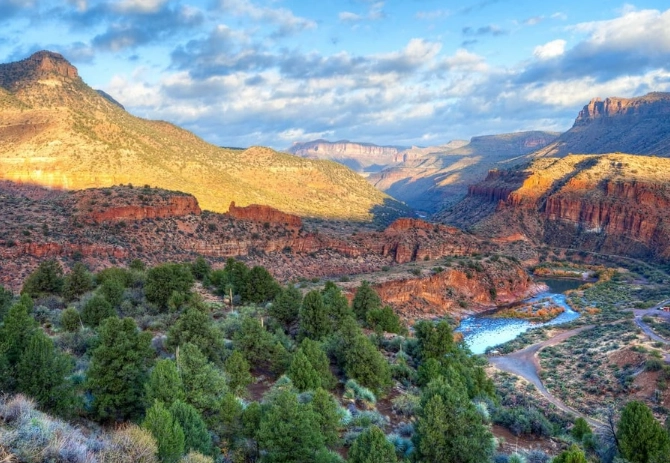
4. Camp Under a Blanket of Stars
Camping is where Tonto shines. You've got everything from developed campgrounds with vault toilets to total backcountry dispersion camping where you see no one.
For Families & First-Timers: Look for campgrounds near Payson like Houston Mesa or along the Mogollon Rim (e.g., Kehl Springs). They're in the pines, have defined sites, and are cooler at night. You usually need to book these in advance on Recreation.gov.
For the Adventurous: Dispersed camping is free and allows you to find your own piece of paradise. Along the Forest Roads (FR) near the Salt River or up on the Mogollon Rim (FR 300) you'll find pull-offs. The rule is simple: camp 100-200 feet from any road, trail, or water source, and pack out EVERYTHING. I mean everything. This isn't a campground with trash bins.
A Critical Note on Fire: Arizona has brutal fire seasons. Campfire restrictions are always in effect at some point, often from late spring through monsoon season. A banned campfire can turn into a catastrophic wildfire. Always, always, always check the current fire restrictions on the Tonto NF Alerts page before you even think about a fire. Often, you'll be restricted to a portable gas stove. It's a major bummer, but it's non-negotiable for safety.
5. Take a Legendary Scenic Drive
If hiking isn't your thing, you can still see the best of Tonto from your car.
The Apache Trail (State Route 88) from Apache Junction to Roosevelt Lake is the classic. It's partly paved, partly gravel, and 100% stunning. You pass Canyon and Apache Lakes, see the cliff-dwelling remains at the Tonto National Monument (a separate, fee-required site run by the National Park Service), and wind through dramatic desert canyon scenery. The unpaved section is graded but can be washboardy—take it slow.
Up north, the Mogollon Rim Road (FR 300) is a completely different experience. It's a long, mostly dirt road that runs for miles along the top of the Rim. You're driving through a thick pine forest with sudden, breathtaking overlooks where the earth just drops away. It's best for high-clearance vehicles, and you need a good map.
Practical Info You Absolutely Need to Know
This is the stuff that can make or break your day.
The Pass Situation
Most developed trailheads and recreation sites require a pass. You have two main options:
- Tonto Daily Pass: $8 per vehicle. Good for one day. Buy it at self-service stations at major trailheads or online.
- America the Beautiful Pass: $80 per year. Covers all federal recreation site fees (including Tonto). If you visit more than a few times a year or go to other national parks, it pays for itself fast.
Dispersed camping areas and general forest access usually don't require a pass, but the popular, maintained trailheads almost always do. Rangers do check, and the ticket is more expensive than the pass.
When to Go: This is crucial. For the lower desert areas (lakes, Superstitions), the sweet spot is October through April. Summer (May-Sept) is dangerously hot for hiking. If you go in summer, you must be on the water or in the high country (Payson, Rim). The high country is best May through October; it can get snow in winter.
What to Bring (The Desert Isn't Playing):
- Water: I bring one gallon per person, per day for hiking. No, that's not too much. In the car, I keep a spare case of water.
- Navigation: Cell service is spotty to non-existent. Download offline maps (Google Maps, Gaia GPS, or AllTrails) or bring a physical map. Getting lost here is a serious problem.
- Sun Protection: Hat, sunglasses, long-sleeve sun shirt, and relentless sunscreen. The sun reflects off the rock and water.
- Footwear: Sturdy hiking boots or shoes with good grip. The trails are rocky and can be slippery with loose gravel.
Answering Your Questions About Tonto National Forest Things to Do
Let's tackle some of the specific questions I had when I first started exploring.
Wrapping It Up: Your Adventure Awaits
So, there you have it. A real, detailed, and hopefully helpful guide to navigating the vast world of Tonto National Forest. It's not just a list; it's a framework. Start by deciding what kind of day you want (water, mountain views, forest peace), then pick the corresponding area, check the practical details (pass, weather, restrictions), and go.
The beauty of Tonto is its scale and variety. You can have a completely different experience from one visit to the next. My biggest piece of advice? Start simple. Pick one lake, one moderate trail, and see how you like it. Respect the desert—it demands it—and you'll be rewarded with some of the most memorable landscapes in Arizona.
Now, close this tab, grab your water bottle, and go see it for yourself.
Reader Comments