Forget everything you think you know about deserts. The Great Basin Desert isn't about rolling Saharan sand dunes or scorching, relentless heat. It's a different beast entirely—a cold desert defined by its stark, rugged beauty, island mountain ranges, and a profound sense of solitude you won't find in busier parks. Stretching across most of Nevada, western Utah, and parts of Oregon and California, it's the largest desert in the United States. But its size isn't its only secret. The real magic lies in its unique ecology, its world-class darkness at night, and the challenge of exploring a landscape that refuses to be tamed.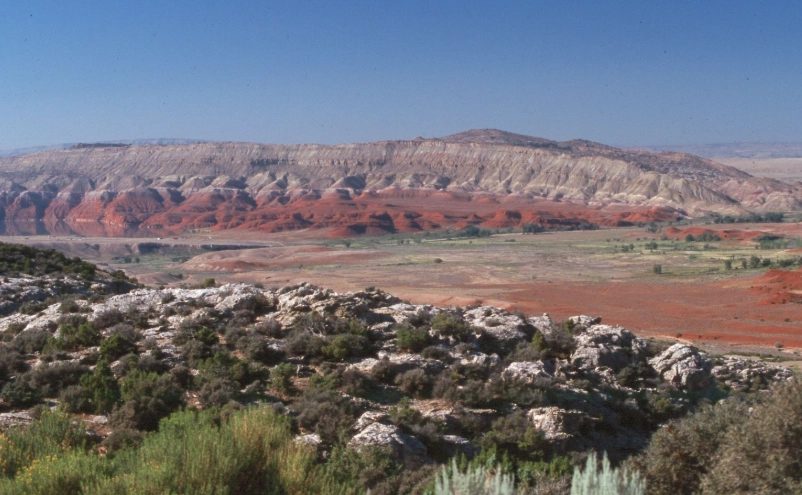
Your Great Basin Desert Navigation
What Exactly Is the Great Basin Desert?
Let's clear up the biggest misconception first. The "Great Basin" refers to a massive hydrological region where water does not flow to any ocean. Rain and snowmelt here either sink into the ground or evaporate from terminal lakes like the Great Salt Lake. The desert part of this region is a cold desert. Winters are long and genuinely cold, with temperatures often plunging below freezing. Summers are hot, but the heat is dry and often tempered by the high elevation.
The landscape is characterized by the classic Basin and Range topography: parallel north-south mountain ranges separated by flat, arid valleys. According to the U.S. Geological Survey, this distinctive pattern shapes the entire experience. You're constantly moving between valley floors, often at 4,000-5,000 feet, and mountain peaks that can soar over 13,000 feet. This creates "sky islands"—isolated mountain ecosystems with forests and streams that are completely different from the sagebrush valleys below.
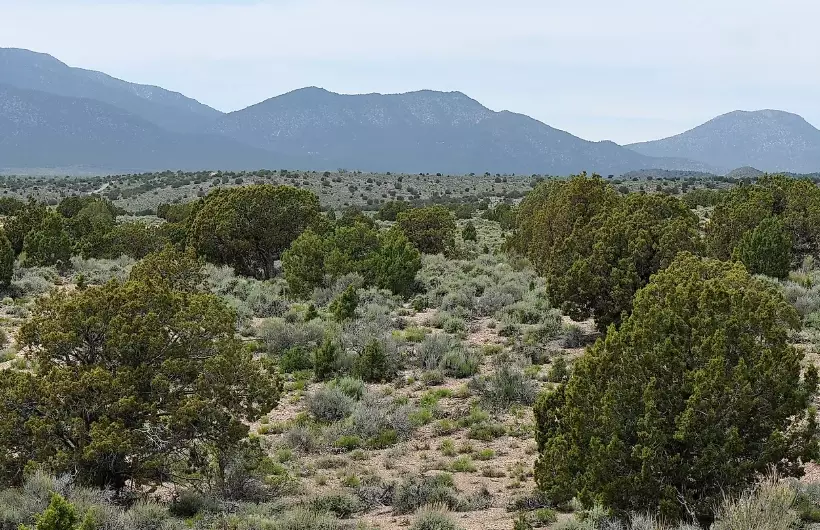
The flora and fauna are tough, specialized survivors. You'll see vast seas of sagebrush, Utah juniper, and the iconic, twisted shapes of ancient bristlecone pines. Wildlife includes pronghorn, bighorn sheep, mountain lions, and the elusive kit fox. It's a subtle landscape. The beauty isn't in-your-face; it's in the quality of the light at sunset, the silence, and the scale.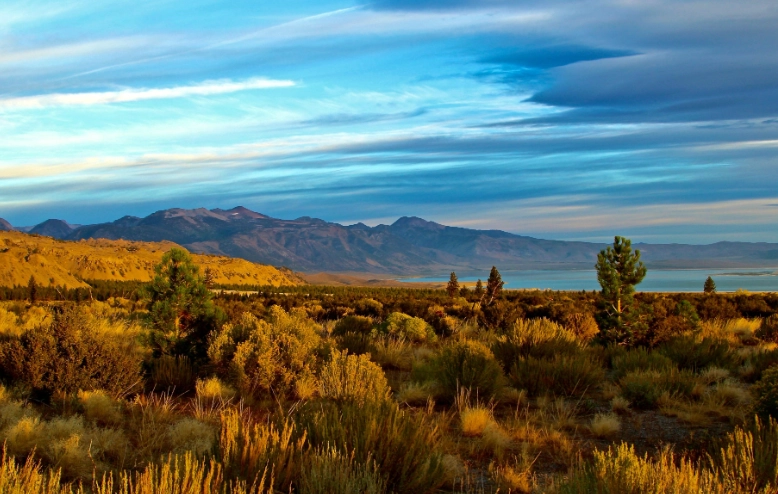
Top Attractions and Experiences You Can't Miss
While the desert feels endless, there are key anchors for your visit. Think of them as portals into understanding this vast region.
Great Basin National Park: The Crown Jewel
This is the must-visit heart of the region. Don't let its "least visited national park" status fool you—that's part of its appeal. The park showcases the full vertical spectrum of the Great Basin, from desert valleys to 13,063-foot Wheeler Peak.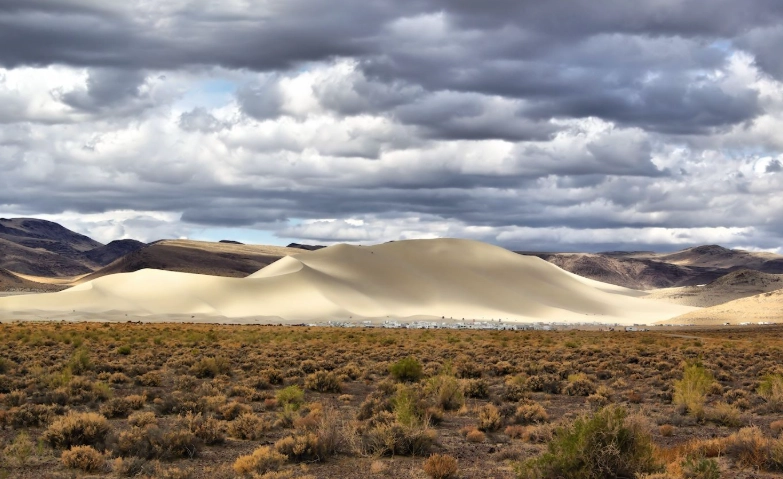
Great Basin National Park at a Glance
Location: Near Baker, Nevada (the nearest town, with very limited services). The main park entrance is about 5 miles west of Baker on NV-488.
Operating Hours: The park is open 24/7, year-round. However, the scenic Wheeler Peak Road and access to the high country are typically closed by snow from November through May or June. Visitor centers (Lehman Caves and Great Basin) typically open from 8 am to 4:30 pm Pacific Time.
Fees: No general entrance fee! This is a huge perk. Fees only apply for specific activities: guided tours of Lehman Caves (around $11-$15 for adults) and camping in developed campgrounds (typically $20 per night).
Top Sights: Lehman Caves, the Bristlecone Pine Grove on Wheeler Peak, the Glacier, and the Lexington Arch.
The Lehman Caves are a masterpiece of marble and limestone formations. The 60-minute Grand Palace tour is perfect for most, but the 90-minute tour offers more. Reserve online in advance, especially for weekends. Up on Wheeler Peak, the Bristlecone Pine Grove trail is a humbling walk among the oldest non-clonal organisms on Earth. Some trees here are over 3,000 years old. Their gnarled, resilient wood tells a story of survival.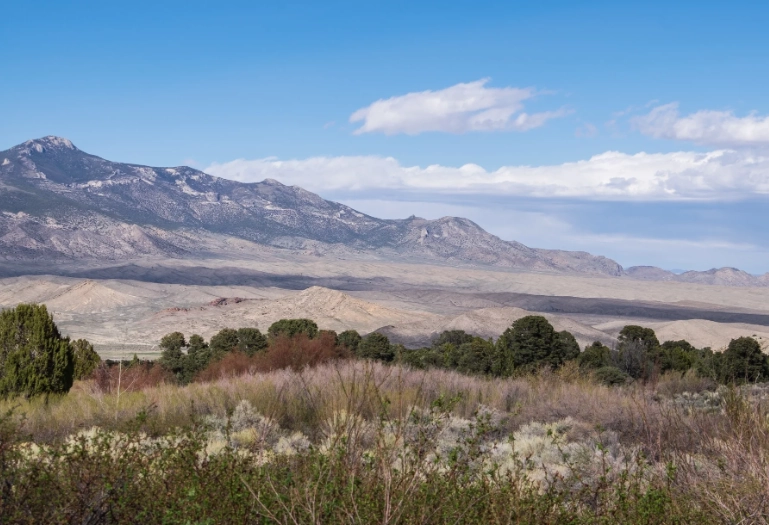
The Real Draw: A Stargazing Mecca
Here's the non-consensus gem most casual guides gloss over. Great Basin National Park is an International Dark Sky Park, but the quality of darkness is something you have to experience to believe. On a moonless night, the Milky Way is so bright it casts shadows. The park's astronomy programs are fantastic, but you don't need a program. Just drive away from any building, let your eyes adjust for 30 minutes, and look up. It's a transformative experience that redefines "night sky." This is the industry hotspot—dark sky preservation—and the Great Basin is a global leader.
Beyond the Park: Hidden Gems of the Wider Desert
The adventure doesn't stop at the park boundary. To the east in Utah, the Wheeler Historic Farm area offers fantastic hiking with fewer people. Further afield, the Loneliest Road in America (U.S. Route 50 across Nevada) cuts right through the desert's soul. It's not just a catchy nickname; it's a state of mind. Stop in the tiny towns like Eureka or Austin for a slice of remote Western life. For a starkly beautiful and accessible valley view, head to Grimes Point Archaeological Site near Fallon, NV, to see ancient petroglyphs with hardly anyone else around.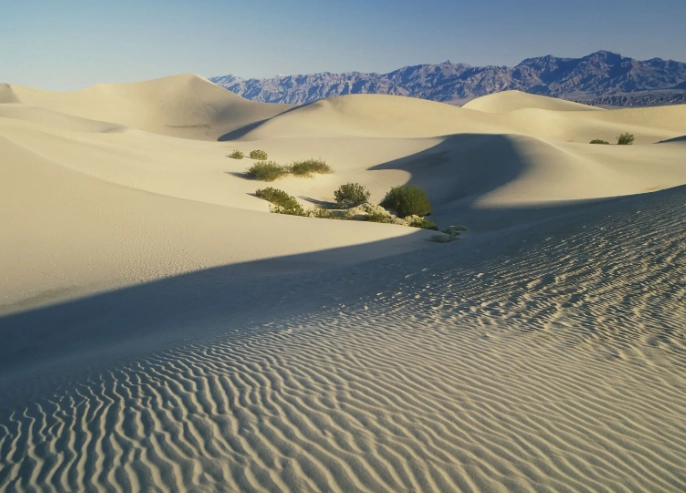
How to Plan Your Great Basin Desert Adventure
This isn't a spontaneous weekend getaway. Success here hinges on preparation. The user pain point is absolutely remote travel planning—underestimating the distances and lack of services.
When to Go: The sweet spot is late June through September for full high-country access. Fall (October) is gorgeous with cooler temps and autumn colors in the mountains, but be ready for cold nights and potential early snow closures. Spring (May-June) can be muddy and unpredictable.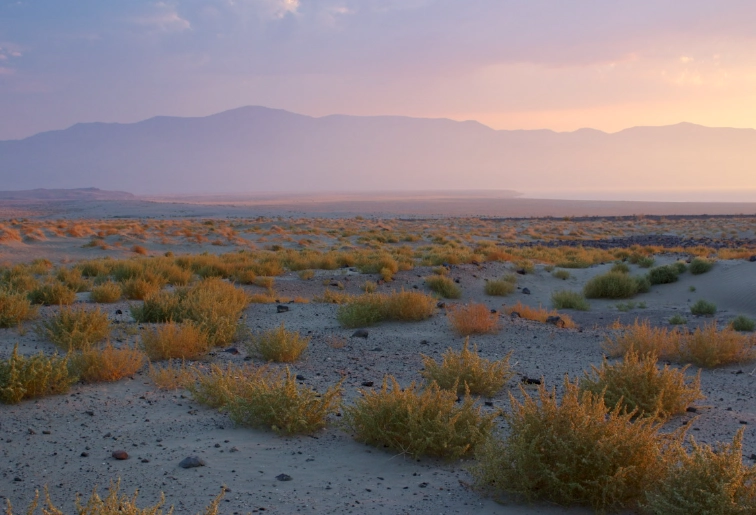
| Season | Pros | Cons & Considerations |
|---|---|---|
| Summer (Jun-Sep) | All roads/trails open. Warm days. Full park access. Night sky programs. | Afternoon thunderstorms in the mountains. More visitors (still relatively few). Hot in the valleys. |
| Fall (Oct) | Stunning colors. Fewer people. Cooler hiking temps. | Very cold nights. Wheeler Peak Road can close anytime due to snow. Shorter days. |
| Winter/Spring (Nov-May) | Extreme solitude. Snowy landscapes. Lower-elevation hiking possible. | Most high-elevation areas inaccessible. Lehman Caves may be the main attraction. Road conditions can be hazardous. |
Getting There & Getting Around: You need a car. The nearest major airports are Salt Lake City, UT (4-hour drive) or Las Vegas, NV (4.5-hour drive). Once here, distances are vast. Fill your gas tank in larger towns like Ely, NV, or Delta, UT. Baker, NV (the park gateway), has one gas pump that may not always be operational. Plan your fuel stops.
What to Pack: This is critical. Beyond the usual hiking gear: Layers, layers, layers (a down jacket even in summer). A wide-brimmed hat and serious sunscreen. More water than you think you need—at least one gallon per person per day for active days. A detailed paper map or offline GPS. Cell service is nonexistent in most of the park and spotty at best in the region. A red-light headlamp for stargazing (preserves night vision).
Where to Stay: Options are limited and fill up. Inside the park, there are first-come, first-served campgrounds like Upper Lehman Creek. The Stella Lake reserved campsites are gorgeous. Baker, NV, has a couple of small motels and rustic cabins (book months ahead). For more services, consider staying in Ely, NV (about 1 hour west), which has chain hotels, restaurants, and a supermarket.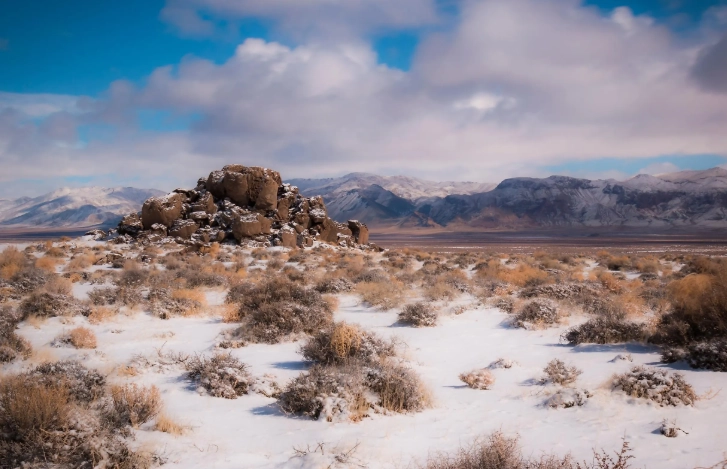
Great Basin Desert: Your Questions, Answered by Experience
Reader Comments