You're driving through a vast, tan-colored emptiness when suddenly, the landscape shifts. Dark, almost sinister shapes rise from the earth—jagged, smooth, piled into hills or standing alone like forgotten monuments. This is desert black rock, and it's one of nature's most dramatic signatures. It's not just a color; it's a story. A story of fire, time, and incredible pressure. Most visitors see a photo op, but if you know what to look for, these formations become an open geology book. I've spent years chasing these landscapes, from the famous playas to hidden basins, and the mistake I see everyone make is treating them all the same. The truth is, the type of black rock under your feet changes everything about your experience.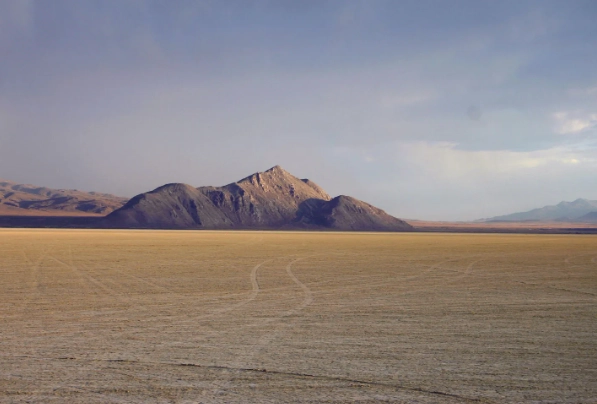
Your Quick Guide to Desert Black Rocks
What Actually Creates Black Rock in Deserts?
Let's clear something up first. "Black rock" isn't one thing. In deserts, the dark color usually points to two main origins: volcanic activity or mineral coatings.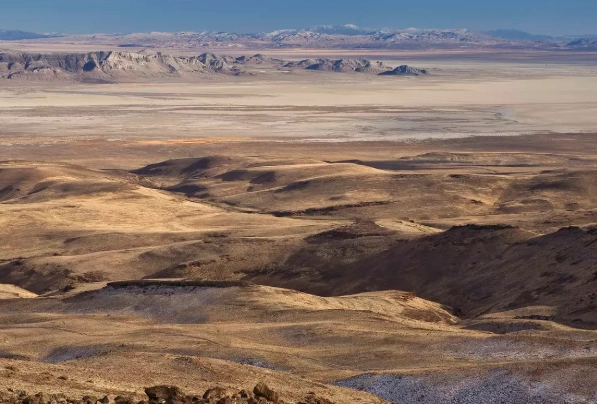
The most common source is volcanic basalt. Millions of years ago, lava erupted, flowed, and cooled in the desert air. As it cooled quickly, it often formed the iconic hexagonal columns, like at Devil's Postpile (though that's not strictly a desert). In other places, it cooled into rough, clinkery aa lava or smooth, ropy pahoehoe. The black color comes from dark-colored minerals like pyroxene and olivine, rich in iron and magnesium. The U.S. Geological Survey has extensive resources on volcanic rock types if you want to dive deeper into the science.
The second type is desert varnish. This is a sneaky one. The rock itself might be light-colored sandstone or limestone, but it's coated in a thin, dark patina of clay minerals, manganese, and iron oxides. Microbes help deposit this over thousands of years. It feels smooth, almost like a shellac. Touch it, and your fingers come away clean—unlike sooty, crumbly rock that might just be dirty.
Why does this matter? Basalt is tough, sharp, and great for traction. Desert varnish often coats softer sandstone, which can be fragile and slippery. Knowing the difference helps you plan your hike and understand the fragility of what you're seeing.
Top Places to See Desert Black Rock Formations
Not all black rock deserts are created equal. Some are parks with trails, others are vast wilderness areas requiring serious preparation. Here are two iconic examples that showcase the diversity.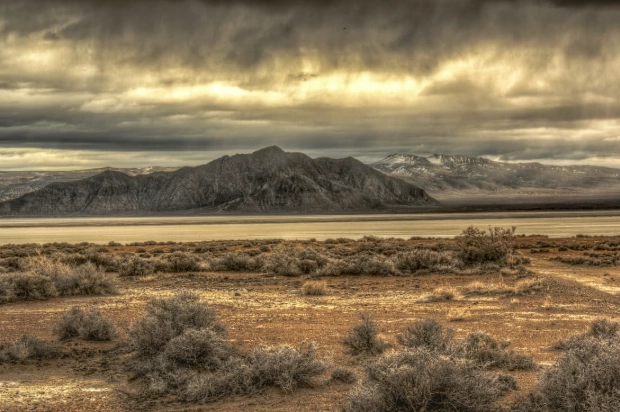
| Location & Name | What You'll See & Rock Type | Key Visitor Info |
|---|---|---|
| Black Rock Desert, Nevada, USA | The massive, flat playa (dried lake bed) bordered by dark volcanic hills and hot springs. Rock is primarily volcanic basalt from the nearby Calico Mountains. | Access: Public land (BLM). No entrance fee for most areas. Best Time: Spring/Fall. Summer is brutally hot, winter can be muddy. Famous For: The annual Burning Man event (late Aug-early Sept). The playa is closed for setup/teardown; check BLM alerts. Nearest Town: Gerlach, NV (limited services). |
| Wadi Rum (Valley of the Moon), Jordan | Vast red desert with towering mesas and cliffs of granite and sandstone, often capped with or streaked with dark desert varnish. The contrast is breathtaking. | Access: Protected area. Entrance fee required (~5-20 JOD). Best Time: October to April. Must-Do: 4x4 tour or camel trek booked through a licensed camp. Overnight in a Bedouin camp. Nearest Town: Wadi Rum Village. |
Beyond these, keep an eye out for areas like the Mojave Desert's lava tubes or Death Valley's volcanic remnants. The principle is the same: look for geological maps that show volcanic fields or areas known for iron-rich deposits.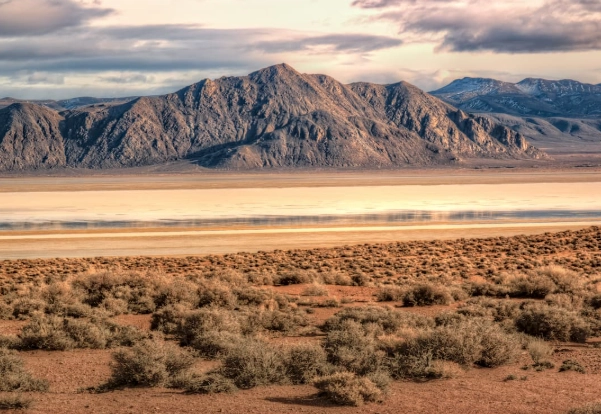
Planning Your Visit: A Practical Checklist
Visiting a black rock desert isn't like a city park. Forgetfulness here has consequences. Here’s what I’ve learned the hard way.
The Non-Negotiables: More water than you think (1 gallon/person/day minimum), full tank of gas, spare tire and jack, paper maps (cell service is a myth), sun protection (hat, sunscreen, long sleeves), and telling someone your route and return time.
Footwear is everything. On rough basalt, you need stiff-soled hiking boots with good ankle support. The rock is unforgiving. On slick desert varnish or playa silt, traction is key. I've seen people in sneakers wipe out on a gentle, varnished slope.
Timing your visit. The light does all the work. Sunrise and sunset are magical, casting long shadows that reveal every crack and texture. Midday light flattens everything. In summer, plan all activity for dawn and dusk. The rocks absorb heat and can turn the area into a convection oven.
If you're going to the Black Rock Desert playa specifically, understand the surface. When dry, it's a hard, cracked clay perfect for driving. After rain, it turns into a slippery, tire-sucking mud pit that can immobilize a truck. Always check recent weather reports.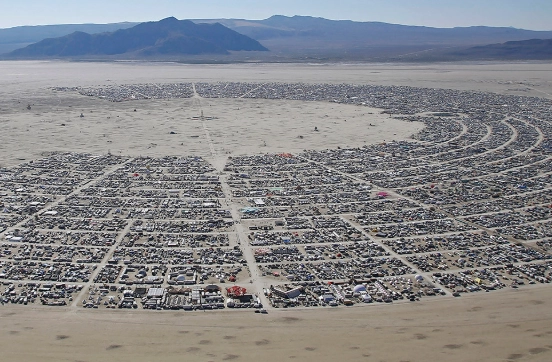
How to Photograph Black Rock Landscapes (Beyond the Cliché)
Everyone gets the wide shot. To capture the feel, you need to get close and pay attention to detail.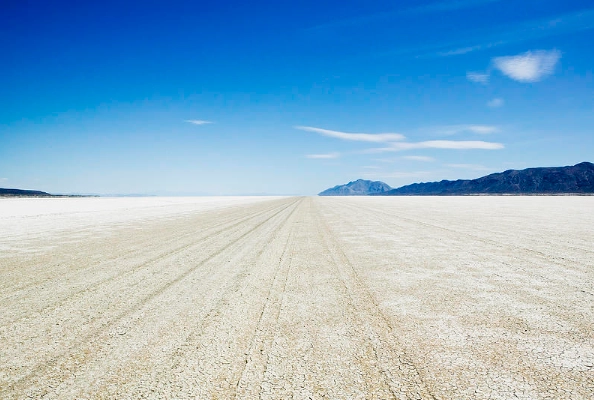
Look for Texture and Pattern
Get low. Shoot along the surface of the rock to emphasize cracks, bubbles (vesicles in the basalt), or the metallic sheen of desert varnish. A polarizing filter can help cut the glare and make those colors pop, especially the reds against the black in places like Wadi Rum.
Use the Sky as Your Canvas
A stark black formation against a dramatic sky is a classic for a reason. Storm clouds, sunrise hues, or a star-filled night (these are incredible dark-sky sites) create compelling contrast. For Milky Way shots, use the dark rock as a foreground silhouette.
My personal trick? I almost never shoot at eye level. I'm either on the ground or finding a slight rise. It changes the relationship between the rock and the horizon completely.
Navigating the Terrain: Safety and Environmental Concerns
This is where experience talks. The land is fragile, and it can bite back.
Leave No Trace is paramount. In places like the Black Rock Desert, any mark on the playa can last for years. Don't drive off established tracks where vegetation is trying to grow. Never carve your name into desert varnish—it takes centuries to form and is destroyed in seconds. It's not just graffiti; it's geological vandalism.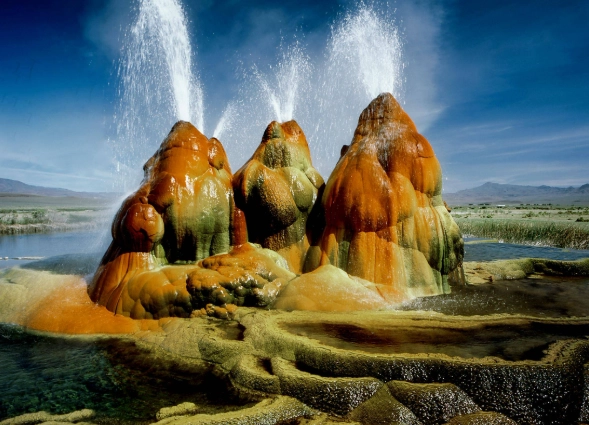
Heat and isolation are your real enemies. Dehydration and heatstroke creep up. A headache is your first warning sign. Turn back. Your car is your lifeline. Getting a high-clearance vehicle stuck miles from a paved road is an expensive, dangerous ordeal. If you're solo, this risk multiplies. I don't recommend deep backcountry travel alone unless you have satellite communication and extensive recovery gear.
Watch for wildlife too. Those crevices in the black rock are perfect homes for snakes, scorpions, and spiders. Watch where you put your hands and feet.
Your Black Rock Desert Questions Answered
Is the black rock sharp enough to damage my vehicle's tires?
Basalt can be razor-sharp. I've seen sidewall slices from driving over freshly broken rock. Stick to established dirt roads and avoid driving over untouched fields of jagged lava rock. The playa surface itself, when dry, is very smooth and safe for tires.
Can you visit the Black Rock Desert outside of the Burning Man event?
Absolutely, and that's when you'll experience its true nature. The event uses only a small portion of the vast area. The rest of the year, it's a serene, almost alien landscape of silence. Just meticulously check the BLM website for temporary closures around the event dates (late August to mid-September).
What's the biggest mistake first-timers make when hiking on black rock?
Underestimating how quickly they lose the trail. On dark, uniform rock, cairns (rock piles) are hard to see, and footpaths disappear. Before you head out, identify a few large, unmistakable landmarks to use as navigation points. It's shockingly easy to get turned around once you're down in a gully between black boulders.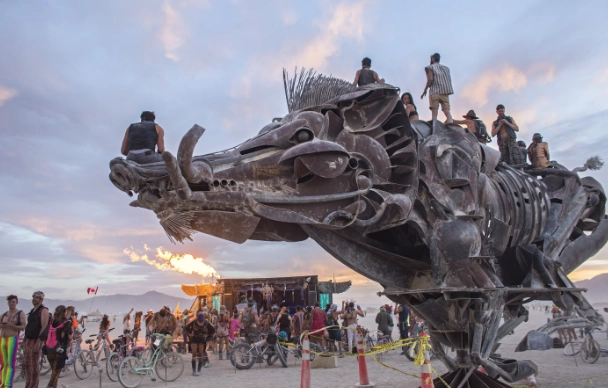
Is camping allowed among the black rock formations?
It depends on the specific location. On BLM land like around the Black Rock Desert, dispersed camping is generally allowed for up to 14 days. In protected areas like Wadi Rum, you must camp at designated campsites. Always, always check local regulations first. The rule is: if there's no established fire ring, assume no fires due to extreme wildfire risk.
Why do some black rocks look shiny and others look dull?
You're likely seeing the difference between fresh rock and weathered rock. A freshly broken piece of basalt will have a dull, matte surface. Over time, wind and sand polish it to a shine. Desert varnish, by its nature, has a glossy, almost wet look. The shine is a great clue to the rock's history and composition.
Reader Comments