Let's be clear about Vermilion Cliffs National Monument right from the start. This isn't a park with a visitor center, paved loops, and ranger talks every hour. It's a sprawling, 280,000-acre slab of remote Arizona wilderness that demands respect, preparation, and a serious sense of adventure. It’s home to The Wave, yes, that iconic sandstone swirl you've seen a thousand times. But fixating solely on that one formation is the biggest mistake most first-timers make.
I've spent years exploring these trails and dirt roads. The real magic of the Vermilion Cliffs lies in the journey and the sheer density of geologic insanity packed into this corner of the Colorado Plateau. This guide cuts through the hype and gives you the straight talk on permits, routes, and the realities of visiting one of the most logistically challenging—and visually rewarding—places in the American Southwest.
Your Journey at a Glance
Why Vermilion Cliffs is Worth the Effort
You come here for raw, unfiltered geological spectacle. It feels like walking on another planet. The colors are intense—deep reds, stark whites, and bands of chocolate brown. The silence is profound, broken only by the wind. It's a destination for travelers who find paved viewpoints boring and who get a thrill from earning their views.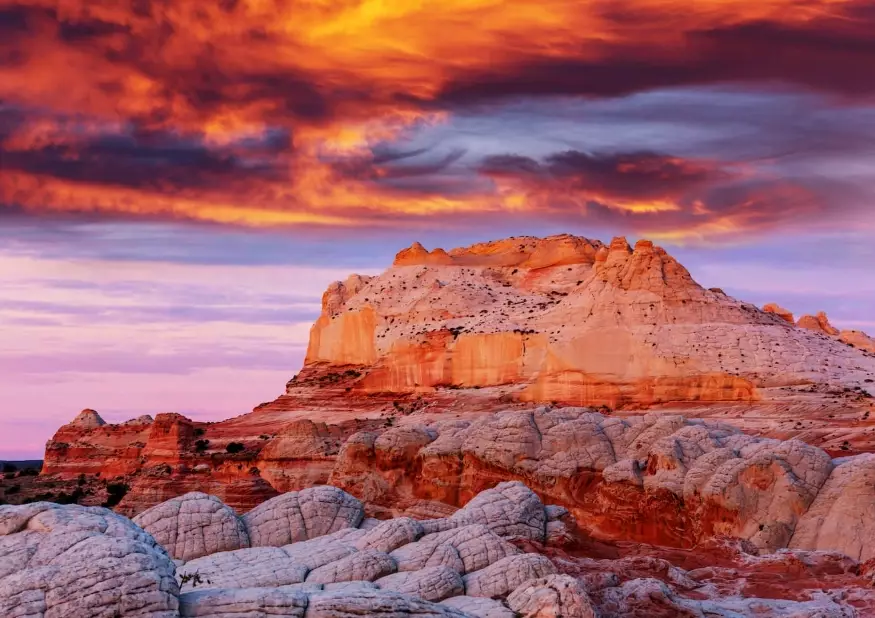
The flip side? Nothing is easy. Access is controlled to protect the fragile terrain. You'll need permits for the best spots, a capable vehicle for the terrible roads, and solid navigation skills. There's no cell service, no water, and minimal signage. That's the trade-off for an experience that feels genuinely wild and uncrowded.
Location & Basics: The monument straddles the Arizona-Utah border, north of the Grand Canyon. The closest towns with services are Page, AZ (about 1 hour south) and Kanab, UT (about 45 minutes north). It's managed by the Bureau of Land Management (BLM), not the National Park Service. There is no entrance fee for the monument itself, but permits for specific areas are required and cost money.
A Crash Course in Cliffs and Colors
The name gives away the star attraction: the Vermilion Cliffs are a towering, 3,000-foot escarpment of brilliant red Navajo Sandstone. But the monument encompasses four distinct layers: the Vermilion, White, Gray, and Chocolate Cliffs. Each represents a different ancient environment, from windswept dunes to muddy tidal flats. The cross-bedding you see in The Wave? Those are the frozen footprints of Jurassic-period dunes. The swirling patterns in White Pocket? The result of soft sediment deformation, like slow-motion liquid rock. Understanding this turns a pretty hike into a fascinating one.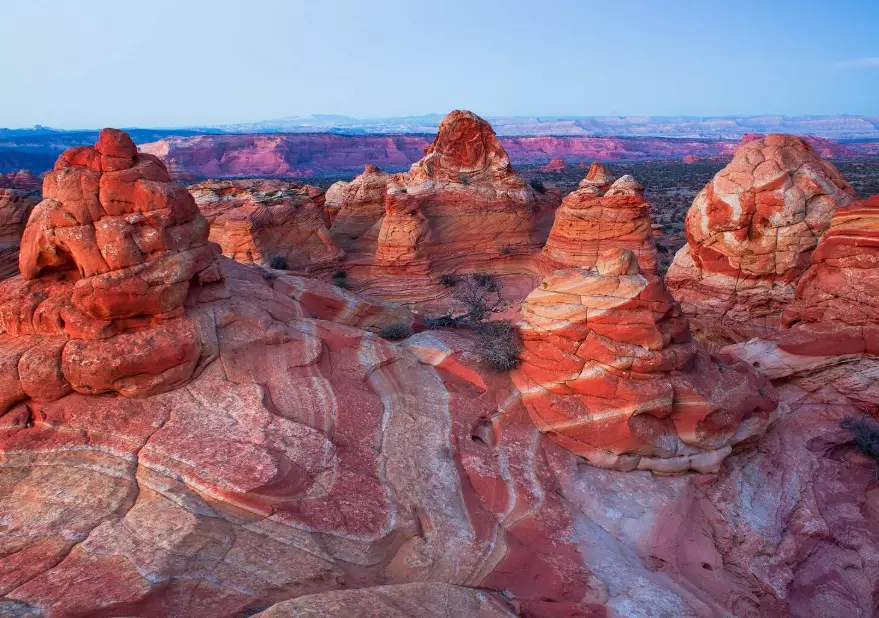
Key Areas & Hikes: Beyond The Wave
Thinking Vermilion Cliffs equals only The Wave is a sure way to miss out. The monument is a collection of distinct districts, each with its own character and rules.
The Wave (Coyote Buttes North)
The superstar. A compact area of mind-blowing, swirling sandstone. The hike is 6.4 miles round-trip with minimal shade. The permit is the holy grail, won through a lottery. It's stunning, but it's also a small area that gets crowded with the handful of permit holders. My advice? If you win, go. But don't put all your hopes on it.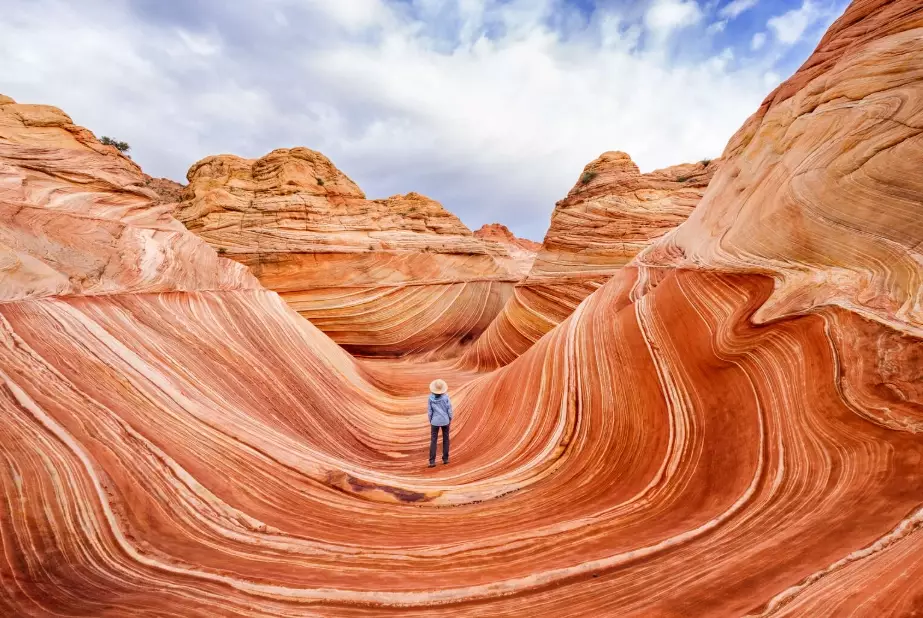
Coyote Buttes South
Often overlooked, the South section is arguably more diverse. It's home to the iconic Teepees and other formations. The permit is separate from the North lottery and is slightly easier to get. The access road is just as brutal, requiring high-clearance 4WD.
White Pocket
This is my personal favorite. No daily permit limit, just a required overnight permit for camping. The landscape is a vast, brain-like plateau of swirling white and red Navajo Sandstone. It feels more expansive and explorable than The Wave. The catch? The access road is notoriously bad, making a high-clearance, 4WD vehicle absolutely mandatory.
Paria Canyon
A world-class backpacking destination. The hike from the White House to Lee's Ferry traverses 38 miles of stunning narrows. It requires a permit and careful planning due to flash flood risk. Not a day-trip destination, but worth knowing for serious adventurers.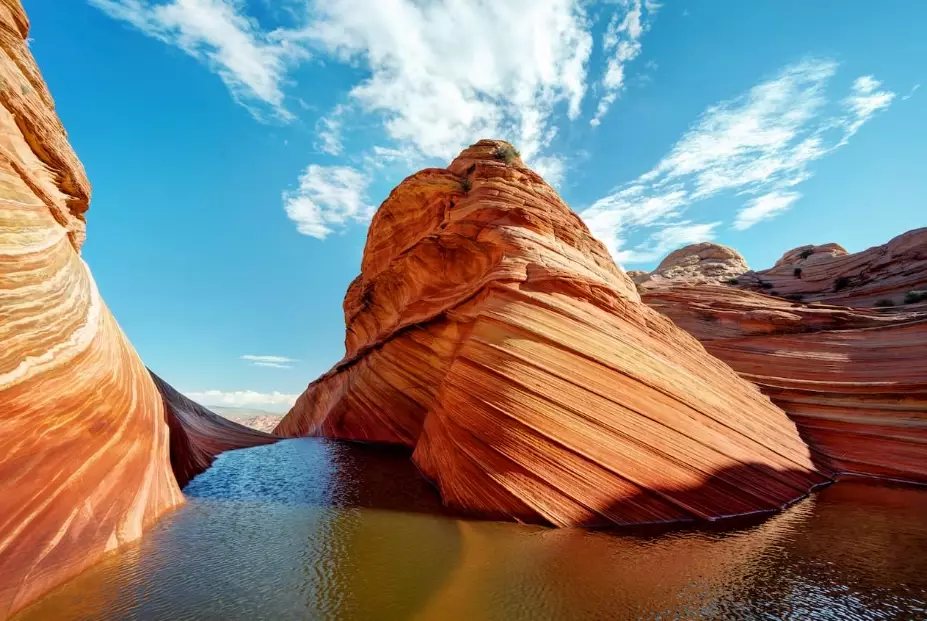
| Area | Key Feature | Permit Needed? | Vehicle Requirement | Notes |
|---|---|---|---|---|
| The Wave (Coyote Buttes North) | Iconic swirling sandstone | Yes (Difficult Lottery) | High-clearance 4WD | Extremely competitive. Plan months ahead. |
| Coyote Buttes South | Teepees, Top Arch | Yes (Separate Lottery) | High-clearance 4WD | Less competitive than North, still stunning. |
| White Pocket | Expansive swirling plateau | Yes (Overnight Permit) | High-clearance 4WD Required | My top recommendation if you have the gear. |
| Paria Canyon | Spectacular narrows, backpacking | Yes (Limited Overnight) | N/A (Backpacking) | For experienced backpackers only. Flash flood risk. |
Demystifying the Permit System
This is the make-or-break for most trips. The system is designed to limit impact, not to be convenient.
The Online Lottery for The Wave and Coyote Buttes South runs four months ahead. You apply for a specific calendar month. Applying for more people in your group increases your chances. Be meticulous with your map study – applications with errors are tossed.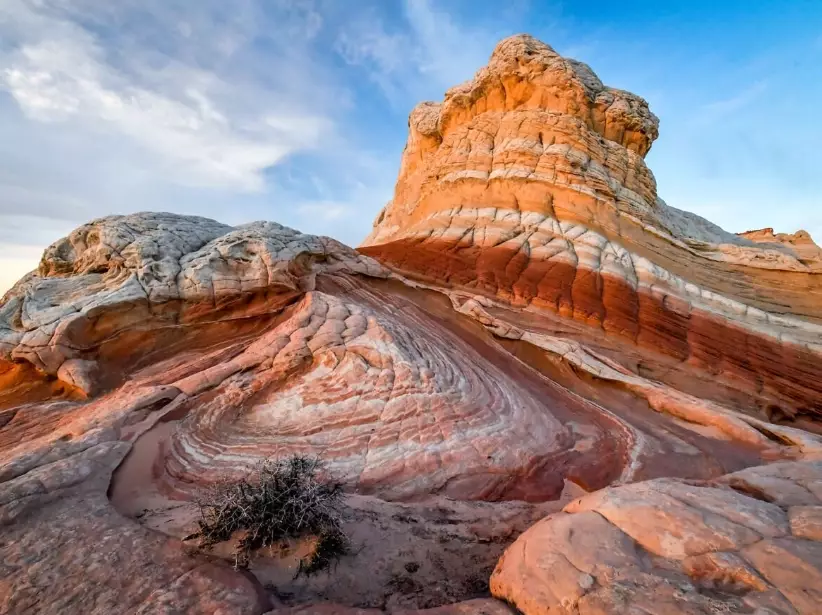
The In-Person Lottery happens at the BLM office in Kanab, UT, every morning. It's for next-day permits only. This is a backup plan, not a primary strategy. Show up expecting nothing.
White Pocket requires a permit for overnight camping only. You can visit for the day without one, but you must come prepared to handle the challenging road.
Photography in a Harsh, Beautiful Place
The light here is brutal and beautiful. Midday sun washes out the colors. Aim for early morning and late afternoon. A circular polarizer is your best friend for cutting through the haze and making the reds pop.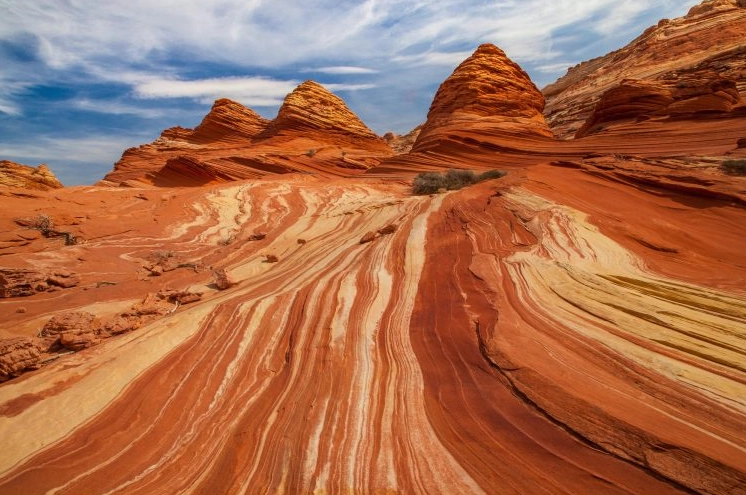
Wind is constant. A sturdy tripod is essential. I use sandbags to weigh mine down.
Practical Trip Planning: When, How, and Where to Stay
Best Time to Visit: Spring (April-May) and Fall (September-October) have the best weather. Summer is scorching. Winter can be cold with unpredictable access.
Getting There: You will need a high-clearance, 4WD vehicle. Rent one in Las Vegas or Phoenix. Do not attempt the roads without one.
Where to Stay: Base yourself in Page, AZ, or Kanab, UT. Both are geared towards visitors to the region and have the necessary services. Camping is available in the monument with a permit.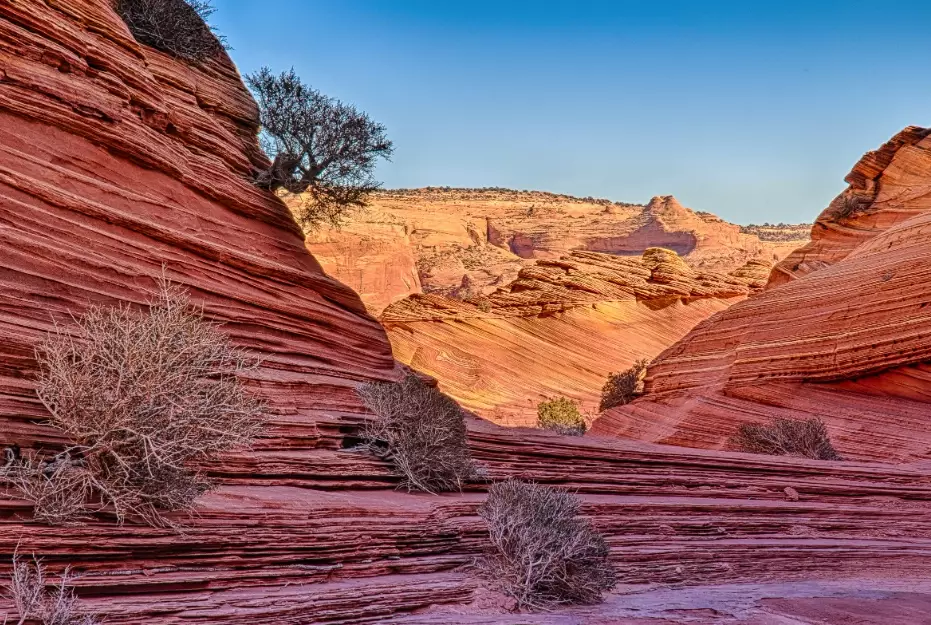
Reader Comments