Let's be honest. You've seen the photos. Those impossible swirls of red and white sandstone, the fiery arches, the ancient rock art set against a deep blue sky. Valley of Fire State Park in Nevada isn't just another stop on a Las Vegas road trip—it's a full-blown geological wonder that demands your attention. But here's the thing most blogs don't tell you: without the right plan, you'll spend half your day lost, overheated, and missing the best parts.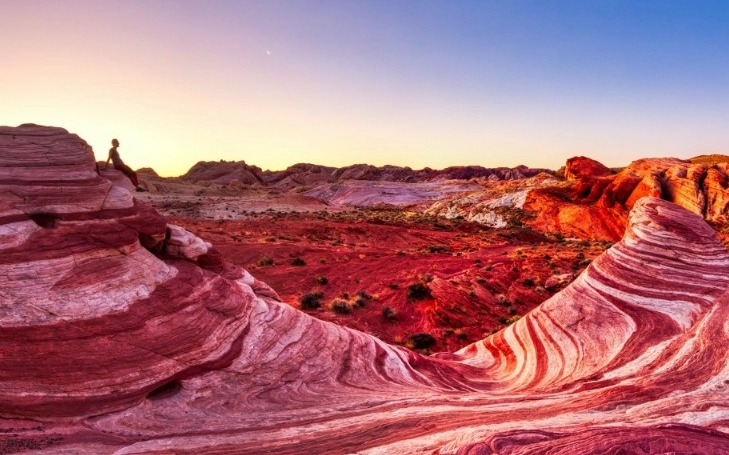
I've made those mistakes so you don't have to. This guide cuts through the fluff and gives you the exact, actionable info you need to see the park properly.
Your Quick Guide to Navigating This Article
- What is Valley of Fire State Park and Why Visit?
- Essential Valley of Fire Trip Planning: Fees, Hours, and Logistics
- Top Hikes in Valley of Fire for Every Ability
- Capturing the Fire: Photography Tips and Locations
- Beyond the Trails: Petroglyphs, History, and Hidden Gems
- Valley of Fire FAQ: Expert Answers to Your Burning Questions
What is Valley of Fire State Park and Why Visit?
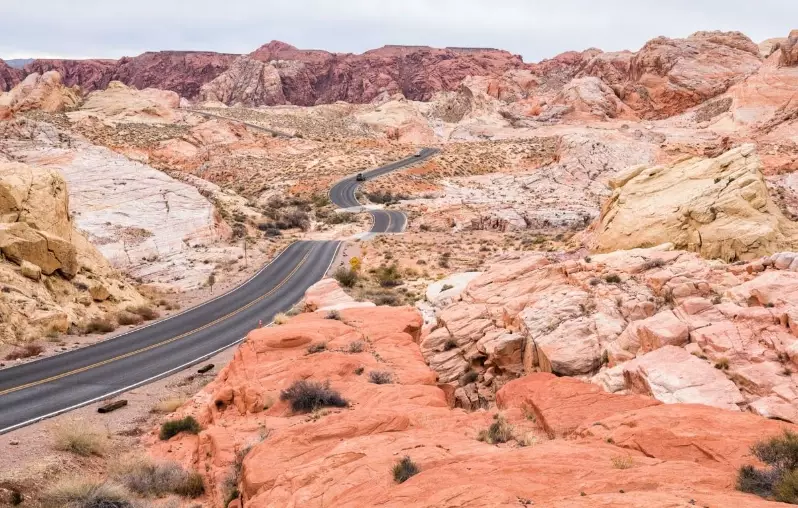
Located about 50 miles northeast of the Las Vegas Strip, Valley of Fire is Nevada's oldest and largest state park. The name comes from the stunning red Aztec sandstone formations that seem to glow, especially at sunrise and sunset. It's not a huge park—you can drive through it in under an hour—but every turn reveals something new: slot canyons, petrified logs, arches, and over 2,000-year-old petroglyphs left by the Ancestral Puebloans.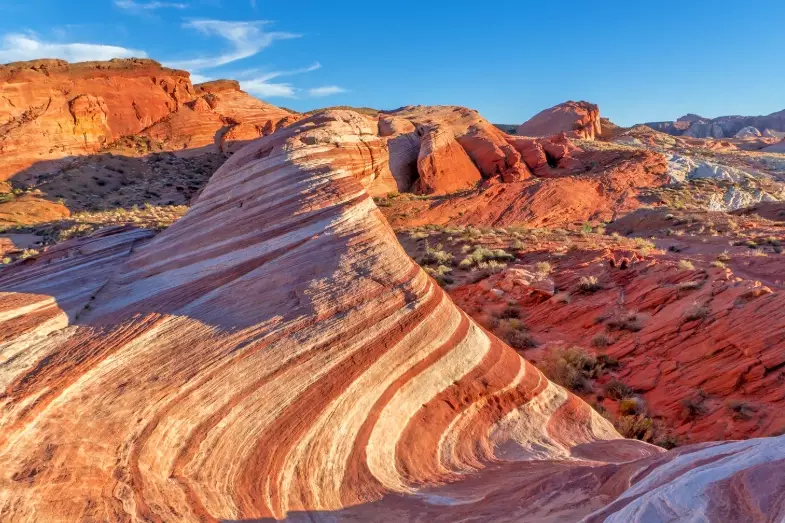
People often ask if it's worth the drive from Vegas, especially with the Grand Canyon or Zion further afield. My take? Absolutely, but for different reasons. Valley of Fire offers a highly concentrated, accessible, and otherworldly landscape that's perfect if you have a day or even just a half-day. The colors are more intensely red than anything you'll see in many national parks, and the proximity to Las Vegas makes it a manageable adventure.
Essential Valley of Fire Trip Planning: Fees, Hours, and Logistics
Getting the basics wrong can ruin your trip. The desert here is no joke.
Park Entrance Fee and Operating Hours
The park is open daily from sunrise to sunset. The visitor center, a great first stop for maps and info from rangers, typically operates from 9:00 AM to 4:00 PM, but these hours can seasonally change. Always check the Nevada State Parks official website for the latest updates before you go.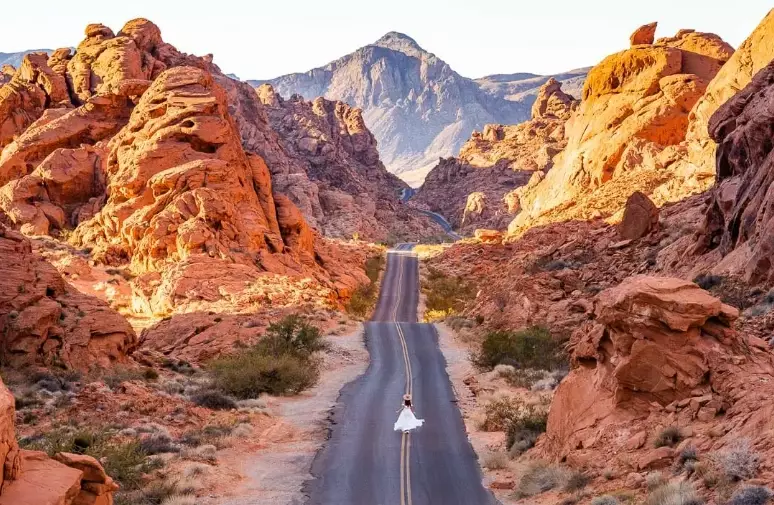
Entrance is fee-based per vehicle, not per person. Here’s the breakdown:
| Vehicle Type | Entrance Fee | Notes |
|---|---|---|
| Non-NV Vehicles | $15 | Covers all occupants for the day. |
| NV Licensed Vehicles | $10 | Proof of Nevada registration required. |
| Bicyclists / Pedestrians | $2 per person | Not recommended due to distances and heat. |
They accept credit cards at the entrance station. There's no timed entry reservation system (a major advantage over some national parks), but holidays and weekends from October to April get very busy. Aim to arrive before 9 AM.
How to Get There: Driving from Las Vegas
The drive is straightforward. Take I-15 North from Las Vegas for about 35-40 miles. Take Exit 75 for Valley of Fire Highway (State Route 169). Follow this scenic road for about 17 miles until you reach the park's west entrance. The drive from the Strip takes about 50-60 minutes without traffic.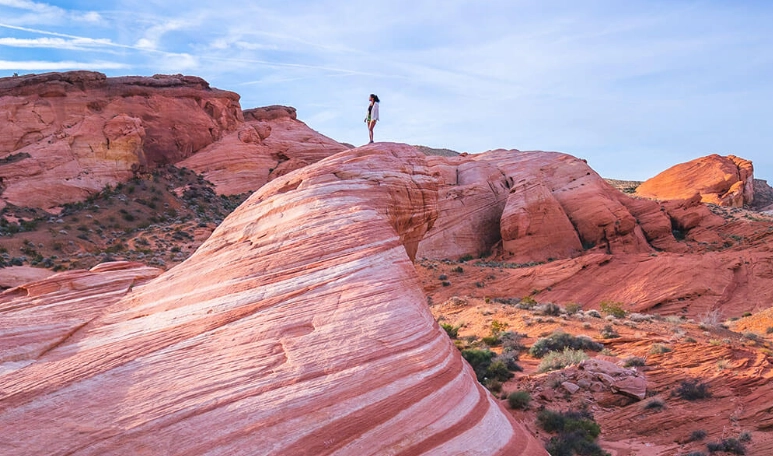
You must have a full tank of gas and plenty of water before you enter. There are no gas stations or reliable services inside the park. The last reliable stop is in the town of Overton, near the park's east exit.
Top Hikes in Valley of Fire for Every Ability
You don't have to be an expert hiker to enjoy Valley of Fire. The trails range from paved pathways to sandy scrambles. Here are the ones you should prioritize.
Fire Wave Trail – This is the park's poster child for a reason. The 1.5-mile round trip hike leads to a spectacular striped sandstone formation that looks like a frozen wave. It's moderate—mostly flat but on uneven, sandy rock. Go at sunrise for the best light and fewest people. A common mistake? Not bringing enough water because the trail is "short." The reflection off the white and red rock amplifies the heat.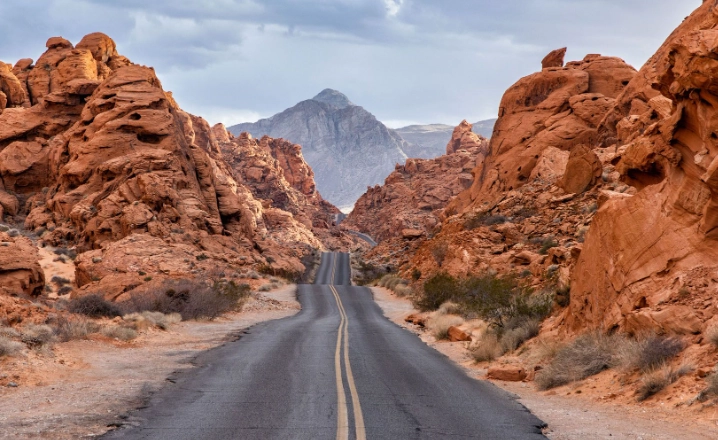
White Domes Trail – A fantastic 1.25-mile loop that packs in everything. You'll descend through a slot canyon, pass a historic movie set (films like *Star Trek* were shot here), and climb back up past multi-colored sandstone domes. It gives you a perfect sampler of the park's diversity. The initial descent is the hardest part.
Mouse's Tank Trail – This is your go-to for petroglyphs. It's a flat, sandy 0.75-mile round trip walk into a canyon where you'll see numerous rock art panels on the walls. "Mouse's Tank" is a natural basin in the rock that collects water. It's easy and highly rewarding for history buffs.
Rainbow Vista & Fire Canyon Overlook – Not a hike, but essential stops. These are pull-offs with minimal walking required that offer sweeping, panoramic views of the red rock landscape. Perfect for those with limited mobility or time.
Capturing the Fire: Photography Tips and Locations
If you're coming for photos, you're in the right place. The light defines everything here.
Golden Hour is Non-Negotiable. The harsh midday sun flattens the colors and creates deep, unflattering shadows. The park truly ignites in the hour after sunrise and before sunset. The low angle of the sun highlights the texture and intense reds of the sandstone.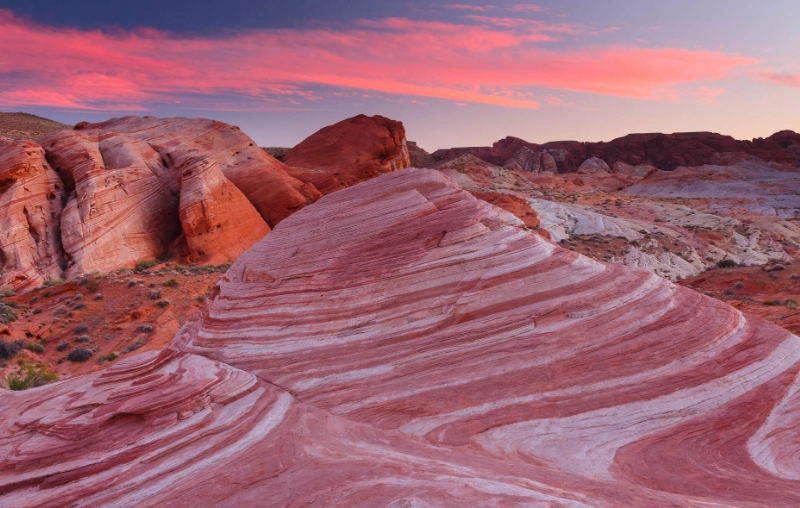
Top Photography Spots:
– Fire Wave: Sunrise is magic here, casting long shadows across the stripes.
– Elephant Rock: A natural arch that looks like an elephant, best shot from the roadside pullout near the east entrance. Great at sunset.
– Atlatl Rock: Capture the detailed petroglyphs with the vast desert as a backdrop. Go in the late afternoon when the sun lights up the rock face.
– The Silica Dome: On the road to Fire Wave, this brilliant white dome creates stunning contrast against the red surroundings.
A polarizing filter is your best friend. It cuts the glare off the rocks and deepens the blue of the sky, making those reds pop even more. And protect your gear—the fine, red sand gets everywhere.
Beyond the Trails: Petroglyphs, History, and Hidden Gems
While the hikes are stunning, don't just rush from trailhead to trailhead. Slow down.
The Petroglyph Canyon sites (at Mouse's Tank and along the short trail to Atlatl Rock) are incredible. Please respect them. Don't touch the rock art—the oils from your skin damage it permanently. View from the designated paths.
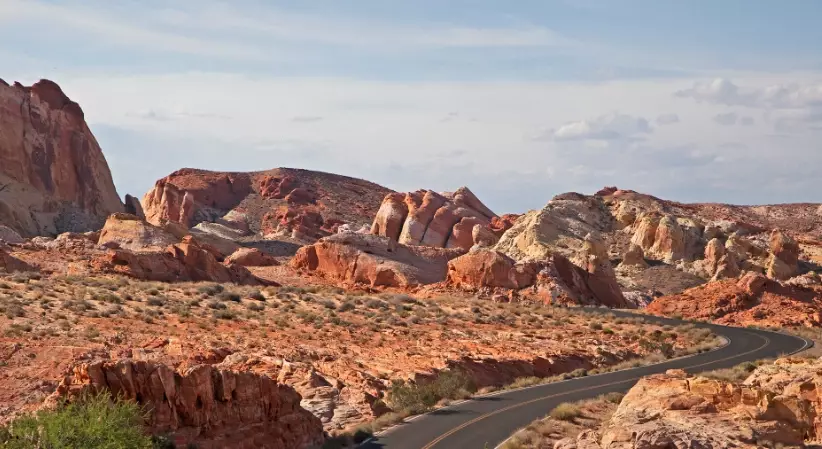
One spot most people drive right past is the Beehives, located just a few miles from the west entrance. These are sandstone formations weathered into shapes that resemble old-fashioned beehives. It's a quick stop, but a great example of the park's wind-sculpted geology.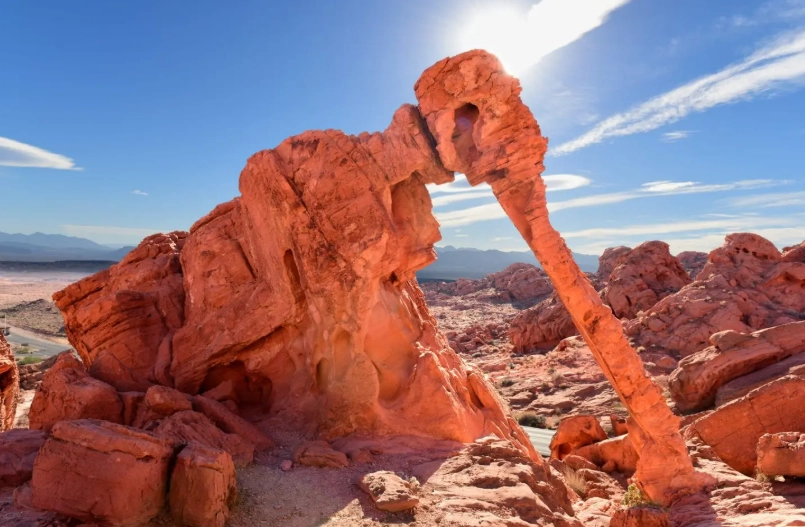
For a quiet moment, pull over anywhere safe along the main road once you're a few miles in. Get out, listen to the wind, and just look. The scale and silence are as impressive as any specific landmark.
Valley of Fire FAQ: Expert Answers to Your Burning Questions
Reader Comments