What You’ll Find in This Guide
Let’s cut straight to the point: San Rafael Swell is one of Utah’s most underrated outdoor playgrounds. It’s not a national park, so you won’t find crowds or entrance gates, but what you will get is a raw, unfiltered slice of desert wilderness. I’ve been exploring this area for over a decade, and every trip reveals something new—a hidden canyon, a petroglyph panel most miss, or a quiet campsite under a sky so starry it feels fake. If you’re tired of the same old tourist trails and want a real adventure, this guide is for you. We’ll cover everything from the geology that shaped this place to the nitty-gritty details like where to park your car and how not to get lost. No fluff, just practical info you can use right now.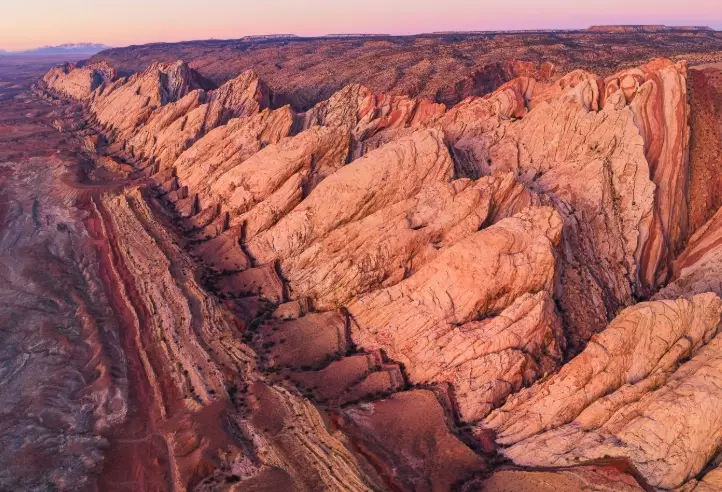
What Exactly is the San Rafael Swell?
San Rafael Swell isn’t a single destination; it’s a massive geological uplift covering about 2,500 square miles in central Utah. Think of it as a giant dome of rock pushed up over millions of years, then eroded into a maze of canyons, mesas, and buttes. According to the Bureau of Land Management (BLM), which manages most of the land here, it’s a prime example of Colorado Plateau geology. The Swell is often overlooked because it’s sandwiched between more famous spots like Arches and Canyonlands, but that’s its charm. You can hike for hours without seeing another soul. The terrain varies from slickrock deserts to narrow slot canyons, and it’s all public land—free to explore. Just remember, “free” doesn’t mean easy. The remoteness is real, and services are minimal. I once met a group who drove in without a map, assuming their phone GPS would work. It didn’t, and they spent half a day backtracking. Don’t be that person.
How to Get to San Rafael Swell: Routes and Access
Getting there is half the adventure. The Swell is roughly 180 miles south of Salt Lake City and 100 miles west of Moab. The main access points are along Interstate 70, with exits at Green River (Exit 164) or Salina (Exit 89). From Green River, take Highway 24 south—this is the most common route, leading to gems like Goblin Valley State Park. From Salina, head south on Highway 10, then east on dirt roads into the Swell’s western edge. If you’re coming from Moab, it’s a scenic 2-hour drive via Highway 191 and I-70. Roads are mostly paved until you hit the Swell, but once you’re in, expect graded dirt roads that can turn to mud after rain. A high-clearance vehicle isn’t mandatory for all areas, but for trails like Behind the Rocks, you’ll need 4WD. I drive a stock SUV and stick to main routes like the San Rafael River Road, which is doable in dry conditions. Pro tip: Fill up your gas tank in Green River or Price—there are no stations inside the Swell. Cell service is spotty; Verizon works in some high spots, but don’t count on it. Download offline maps from apps like Gaia GPS before you go.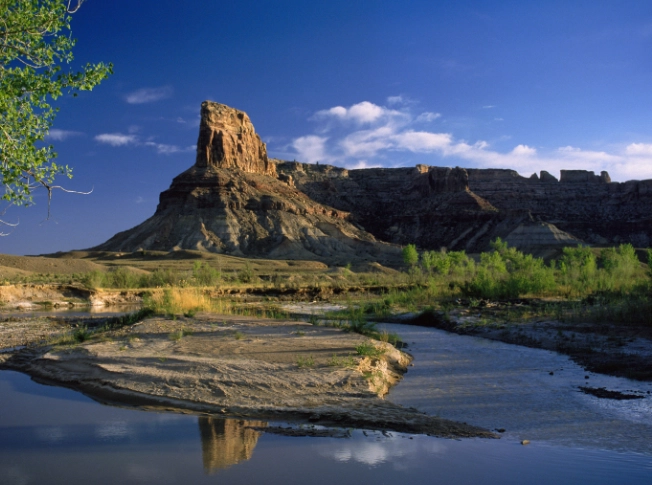
Best Hiking Trails You Can’t Miss
Hiking here isn’t about marked trails with signposts. It’s about exploration. But if you’re new, start with these classics. They’re well-known for a reason, but I’ll throw in some insider twists.
Little Wild Horse Canyon
This is the crown jewel for slot canyon lovers. It’s an 8-mile loop that combines Little Wild Horse and Bell Canyon, near Goblin Valley. The trailhead is off Temple Mountain Road, about 30 miles from Green River. No permit needed, and it’s free. The hike is moderate—narrow sections require squeezing through, but it’s family-friendly if kids are agile. Most people do the loop clockwise, starting with Little Wild Horse. My advice? Go counter-clockwise. You’ll avoid the crowds that pile in by mid-morning, and the light in Bell Canyon is better in the afternoon. Bring at least 3 liters of water per person, even in spring. I’ve seen folks with tiny bottles keeling over from dehydration.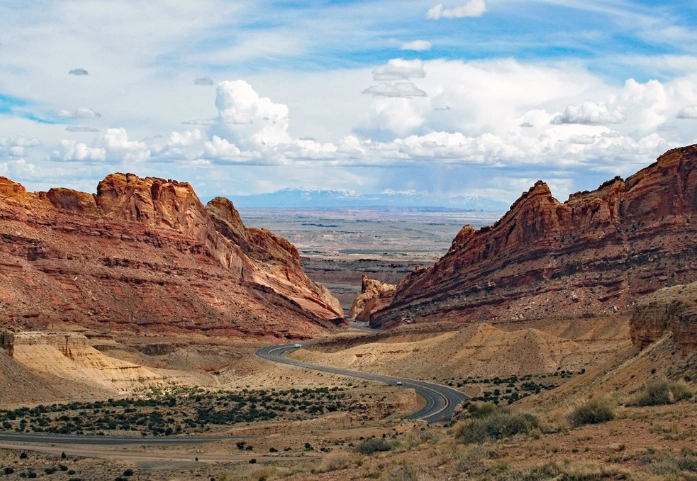
Goblin Valley State Park
Yes, it’s a state park, not strictly part of the Swell, but it’s the gateway and worth the detour. Address: Goblin Valley Road, Green River, UT 84525. Hours: 6 AM to 10 PM daily. Entrance fee: $20 per vehicle (Utah residents $15). It’s more developed, with restrooms and picnic areas, but the valley of hoodoos feels otherworldly. Hike the 1.5-mile Carmel Canyon Loop or just wander freely. Crowds peak at noon, so come early or late. A hidden gem: the park’s southern edge has unmarked trails leading into the Swell’s backcountry—ask rangers for directions.
Crack Canyon
For a quieter alternative, try Crack Canyon. It’s a 6-mile out-and-back near the Wedge Overlook. The trailhead is off a dirt road off Highway 24—coordinates: 38.567°N, 110.432°W. It’s free, no facilities. The canyon starts wide, then narrows into a stunning slot section. Difficulty is moderate; some scrambling over boulders. I love it because it’s less trafficked. Last fall, I had the whole canyon to myself for hours. Watch for flash flood risks—check weather forecasts from the National Weather Service before heading in.
Quick Trail Comparison: If you’re short on time, Little Wild Horse offers the best bang for your buck with its iconic slots. Goblin Valley is great for families and easy access. Crack Canyon is for solitude seekers willing to navigate rougher roads.
Where to Camp: From Developed Sites to Dispersed Camping
Camping in the Swell ranges from organized campgrounds to pure boondocking. Here’s a breakdown based on my stays.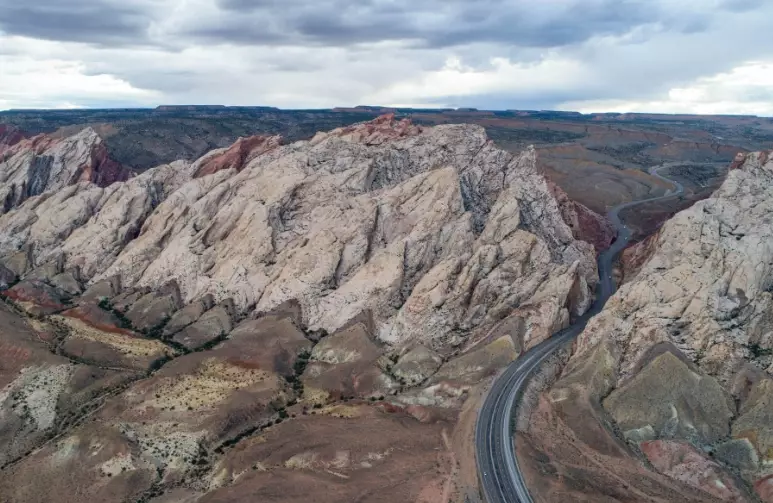
| Campground | Location | Features | Cost | Best For |
|---|---|---|---|---|
| Goblin Valley Campground | Inside Goblin Valley State Park | Flush toilets, water, picnic tables | $35/night | Families, first-timers |
| San Rafael Campground | Near the Swell’s edge off I-70 | Vault toilets, no water | $15/night | Budget campers |
| Dispersed Sites (BLM land) | Throughout the Swell, e.g., along Temple Mountain Road | No facilities, total solitude | Free | Experienced adventurers |
I usually go for dispersed camping. My favorite spot is near the Swasey’s Cabin area—coordinates around 38.701°N, 110.512°W. It’s flat, with fire rings from previous campers, and offers epic sunrise views. But here’s the catch: you must pack out all trash, and there’s no water source. I bring 5 gallons per person for a weekend. Also, camp at least 200 feet from any water or archaeological sites—the BLM stresses this to protect fragile resources. In spring, winds can howl; I’ve had tents nearly fly away. Stake everything down tightly. If you need amenities, Goblin Valley is reliable, but book ahead on weekends. Their sites fill fast, especially from March to May.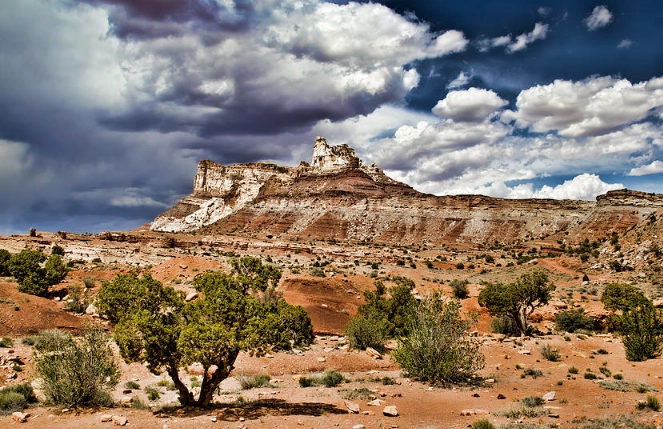
Off-Roading and 4x4 Trails for Thrill-Seekers
If hiking isn’t enough, the Swell’s dirt roads and technical trails will get your adrenaline pumping. This isn’t a place for casual driving; routes are rugged and remote. According to local off-road clubs, the most popular trails are Behind the Rocks and Eagle Canyon. Behind the Rocks starts near Green River and winds through sandstone fins—it’s rated difficult, requiring 4WD with low range and high clearance. I attempted it in a rented Jeep once and got a flat tire on a sharp rock. Lesson learned: carry two spares, not one. Eagle Canyon is more moderate, with stunning overlooks of the San Rafael River. Access is from the Buckhorn Wash Road, which is well-graded but can be slick after rain. Always travel with another vehicle; breakdowns happen, and tow trucks won’t come out here. A common mistake? Underestimating fuel consumption. Off-roading burns gas fast—plan for 10-12 MPG, not your highway average. For maps, the BLM’s San Rafael Swell travel map is gold, but you can also find digital versions on sites like Trailsoffroad.com. Respect closures; some areas are protected for cultural reasons.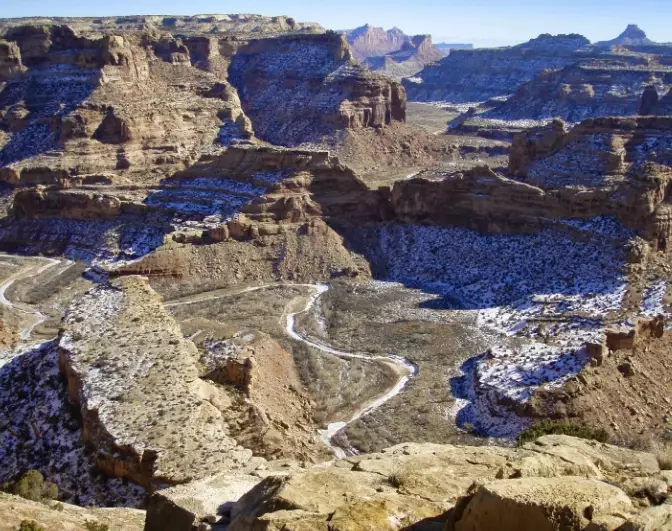
Pro Tips for a Safe and Enjoyable Visit
Let’s get practical. Based on my mishaps and successes, here’s what you need to know beyond the basics.
- Timing is everything: Visit in spring (April-May) or fall (September-October). Summers are scorching—temps hit 100°F regularly. Winters can be cold with snow on high roads. I made the mistake of going in July once; we hiked at dawn and hid in shade by 10 AM.
- Water, water, water: Bring 1 gallon per person per day, plus extra for emergencies. Natural sources like the San Rafael River exist, but treat all water—giardia is real. I use a Sawyer filter and never had issues.
- Navigation tools: A paper map and compass are non-negotiable. Phones fail. The BLM’s map is detailed, or get the National Geographic Trails Illustrated map for the Swell. GPS devices like Garmin InReach are lifesavers for emergencies.
- Leave no trace: This isn’t optional. Pack out toilet paper, bury waste 6 inches deep, and avoid driving off designated roads. I’ve seen graffiti on rocks—it’s heartbreaking. Report vandalism to BLM field offices.
- Wildlife awareness: You might see coyotes, snakes, or even mountain lions. Keep distance, store food securely. Snakes are active in warm months; wear boots and watch your step.
One more thing: respect the silence. The Swell’s solitude is its magic. Don’t blast music; listen to the wind instead.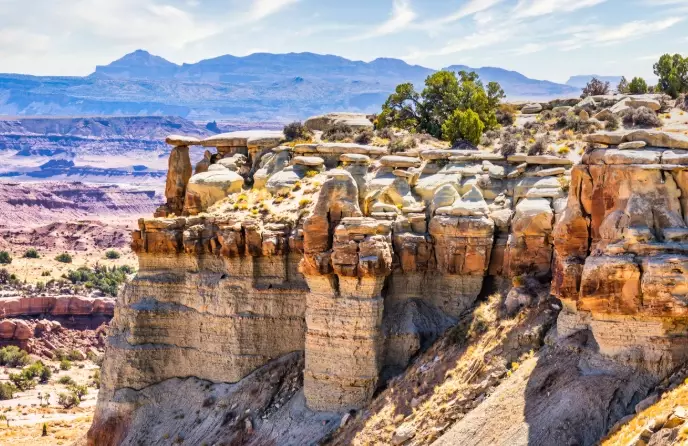
Reader Comments