Let's cut to the chase. If you're looking at the Wind River Range, you're probably not after a casual stroll. You're after raw, unfiltered mountain grandeur—glacial lakes so blue they look edited, granite spires that defy gravity, and trails that test your legs and reward your soul. Spanning over 100 miles in western Wyoming, this isn't Yellowstone with boardwalks. This is serious backcountry, and planning a trip here demands more than just enthusiasm.
I've spent over a decade hiking and guiding in the Rockies, and the Winds hold a special, slightly intimidating place in my heart. I've seen people turn back on day one because they underestimated the altitude. I've also seen the pure joy on someone's face cresting a pass into the Titcomb Basin. This guide is here to make sure you experience the latter. We'll move past the generic "it's beautiful" and get into the nitty-gritty: the exact trails, the permit hassle, the gear most people forget, and the mistakes I see every single season.
What's in This Guide?
What are the Best Hikes in the Wind River Range?
Forget trying to see it all in one go. The Winds are massive. Your success hinges on picking a route that matches your fitness and ambition. Here are the two crown jewels that should be on every backpacker's list, plus a solid alternative.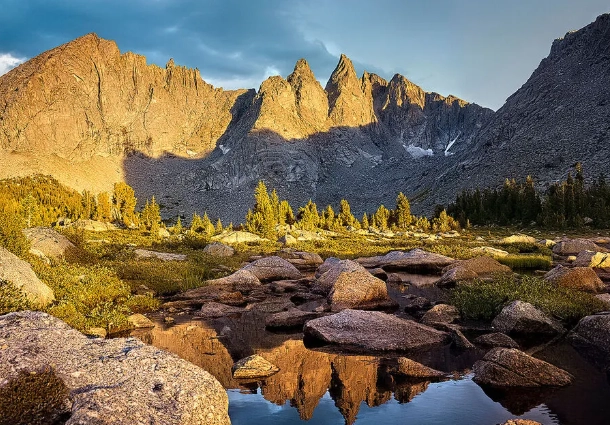
The Classic: Cirque of the Towers via Big Sandy
This is the poster child of the Wind River Range for a reason. The approach is no joke, but walking into that amphitheater of jagged peaks like Wolf's Head and Pingora is a religious experience for climbers and hikers alike.
- Trailhead: Big Sandy Trailhead (End of Forest Road 133, near Boulder, WY). The last 10 miles are rough gravel—a Subaru Outback handles it fine, a low-clearance sedan will hate you.
- The Route: Out-and-back to Cirque Lake. It's about 8-9 miles one way from the trailhead. Most people do it as a 3-day, 2-night trip, camping near Big Sandy Lake on night one, then moving up to the Cirque for night two.
- Difficulty: Strenuous. You gain about 2,000 feet, but the real challenge is the altitude (trailhead is at 9,000 ft) and the rocky, uneven trail past Big Sandy Lake.
- My Take: It gets crowded. I mean, weekend-in-July crowded. For a better experience, aim for a weekday or go after Labor Day. The mosquitoes in July are also a biblical plague. Seriously, a head net is not optional.
The High-Reward Challenge: Titcomb Basin Loop
If you have more time and want epic high-alpine scenery without the technical climbing of the Cirque, Titcomb Basin is your answer. It's a longer, more committing loop that serves up non-stop vistas.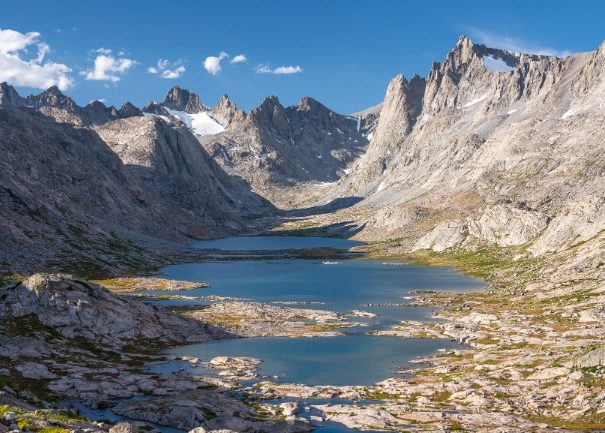
- Trailhead: Elkhart Park Trailhead (Pinedale, WY). The road is paved all the way, a welcome change.
- The Route: The common loop is about 35-45 miles depending on exact variations. You pass Photographer's Point (iconic), Island Lake, and then into the stunning Titcomb Basin itself before crossing 11,000+ ft passes like Indian Pass or Knapsack Col (requires route-finding).
- Difficulty: Very Strenuous. This is a multi-day backpacking trip for experienced folks. Weather at the passes can change in minutes.
- Pro Tip: Don't rush it. Budget 5-7 days. The basin itself deserves a full rest day to explore. Most people try to do it in 4 and end up miserable, just ticking miles.
The Underrated Gem: Green River Lakes to Cube Rock Pass
Want stunning views with slightly fewer people? The northern end of the Winds, accessed from Green River Lakes, is breathtaking in a more serene way. The view of Squaretop Mountain reflected in the lake is iconic.
It's a great area for shorter trips or as a start point for longer traverses into less-visited areas. The trails are generally a bit more forgiving initially, but you still get that deep wilderness feel.
How to Plan Your Wind River Range Backpacking Trip
This is where trips are made or broken. The Winds don't forgive poor planning.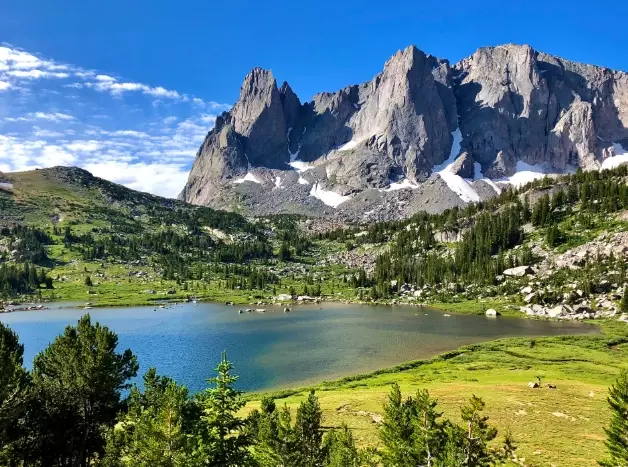
Key Planning Timeline: Start this process at least 4-6 months in advance for a summer trip. Permits for popular trailheads go fast.
Step 1: Permits & Regulations (The Non-Negotiable)
You need a permit for overnight stays in the Bridger-Teton National Forest portion of the Winds (which is most of it). The Shoshone National Forest east of the Continental Divide also requires permits.
- Where to Get It: For the most popular trailheads near Pinedale (Elkhart Park, Big Sandy), permits are available online via Recreation.gov. They become available on January 15th at 8 AM MST for the following summer and sell out for prime dates within hours.
- Cost & Quotas: It's cheap (like $15 per trip plus $5/person), but the quota is the real barrier. Have backup trailhead and date options ready.
- Walk-up Permits: A portion are held for walk-ups. This means lining up at the Pinedale Ranger Station before it opens. It's stressful. I don't recommend banking on it unless you're ultra-flexible.
- Bear Canisters: They are required in many areas, including the entire Popo Agie Wilderness and near the Cirque of the Towers. Rangers do check. A standard BV500 is the go-to. Hanging food is ineffective and illegal in these zones.
Step 2: Getting There & Trailhead Logistics
You're flying? Your best bets are: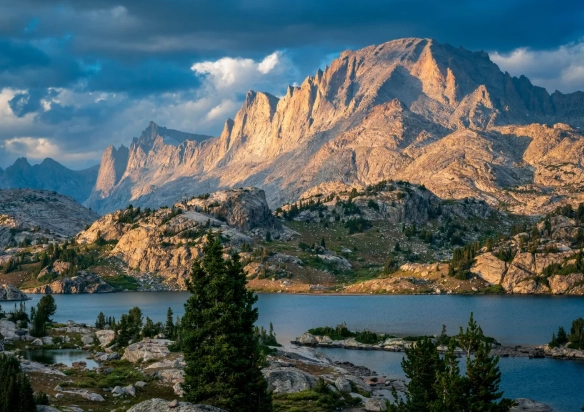
| Gateway Airport | Drive to Trailhead | Best For |
|---|---|---|
| Salt Lake City (SLC) | ~4.5 hours to Pinedale | Most options, major rental car availability. |
| Jackson Hole (JAC) | ~2 hours to Pinedale, ~3 to Big Sandy | More scenic, often more expensive flights. |
| Idaho Falls (IDA) | ~3 hours to Pinedale | A good, often cheaper alternative. |
You'll need a car. Zero public transport gets you to these trailheads. Stock up on all food, fuel, and last-minute gear in Pinedale (Great outdoor shops like the Great Outdoor Shop) or Lander.
Essential Gear Most Backpackers Forget for the Winds
Your standard backpacking kit applies, but the Winds have unique demands.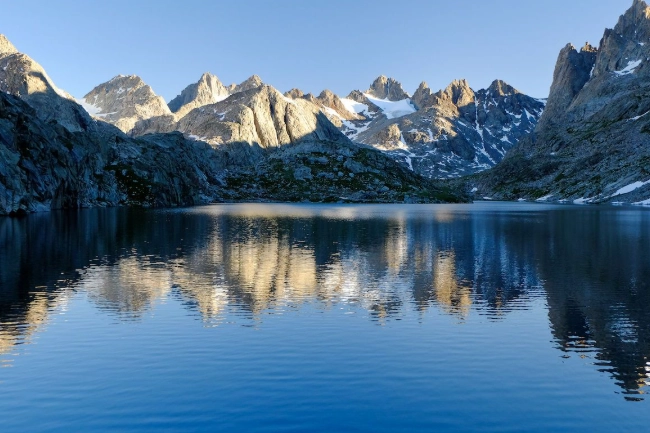
- Waterproof, High-Top Hiking Boots: Not trail runners. The trails are rocky, muddy, and you'll be crossing countless streams. Ankle support and dry feet are worth the weight.
- Warm Layers, Even in August: I've seen snow flurries on the Fourth of July at 11,000 feet. A puffy jacket, warm hat, and gloves are not "just in case" items—they are required.
- Detailed Paper Map & Compass/GPS: Cell service is nonexistent. Trails can fade above treeline. The USGS 7.5-minute quad maps or the Beartooth Publishing "Wind River Range" map are excellent. Don't rely solely on your phone.
- Insect Repellent & Head Net: I mentioned the mosquitoes, right? From late June through July, they are horrific. 100% DEET or picaridin lotion. The head net will save your sanity.
- Sun Protection: The sun is intense at altitude. Strong sunscreen, lip balm with SPF, and a wide-brimmed hat are crucial.
Expert Tips & Common Mistakes to Avoid
Here's the stuff you won't find on the official Forest Service page, learned from watching hundreds of hikers.
The Altitude Adjustment Lie: The biggest mistake is flying in from sea level and starting a long hike the next day. You'll feel awful. Budget a full acclimatization day. Sleep in Pinedale (7,200 ft) or at the trailhead. Drink tons of water, avoid alcohol. A mild headache is normal; nausea and dizziness mean you need to stop and descend.
Weather Windows Are Tiny: Afternoon thunderstorms are a daily possibility in summer. Be over any high pass by noon. Plan short mileage days when you have a major pass to cross, so you can camp low on one side, get up early, and cross in the morning calm.
Leave No Trace is a Creed, Not a Suggestion: The Winds are pristine because people have (mostly) cared. Pack out everything, including toilet paper (use a bag). Camp on durable surfaces at least 200 feet from lakes and streams. Human waste: dig a cathole 6-8 inches deep. In the alpine zones above treeline, the soil is thin and doesn't decompose well—consider using a WAG bag for pack-out.
Bear Safety is Simple: You have the canister. Use it. Cook and eat 100 yards downwind from your tent. Never have food or smellables (toothpaste, deodorant) in your tent. Black bears are around, but they're mostly interested in your snacks, not you. Make noise in brushy areas.
One last thing—the fishing. If you have a rod, bring it. The lakes are full of cutthroat trout. Catching dinner is a real possibility. Just check Wyoming fishing regulations first.
Reader Comments