Let's cut to the chase. Cloudcap Overlook isn't just another pretty view. It's a full-sensory reset button, a place where the horizon stretches forever and the only sounds are the wind and your own heartbeat. Perched high in the Cascade Mountains, this spot delivers a panorama of jagged peaks, deep valleys, and, on the right day, a sea of clouds that laps at the mountainsides like a silent ocean.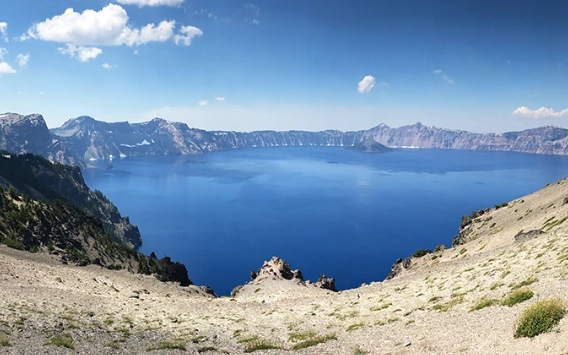
But here's the thing nobody tells you straight up: a mediocre trip to Cloudcap Overlook is incredibly easy to have. Show up at the wrong time, wear the wrong shoes, or miss the permit window, and you're looking at disappointment, not destiny. I've seen it happen too many times. This guide is the one I wish I'd had before my first visit ten years ago. It's not just about getting there; it's about crafting an experience you'll remember for all the right reasons.
Your Quick Trail Map to Cloudcap Overlook
The Non-Negotiables: Permits, Fees, and Timing
Before you dream about that golden hour photo, deal with the paperwork. This is where most first-timers stumble.
Cloudcap Overlook: Vital Stats at a Glance
Location: Cascade Mountains, within the Alpine Lakes Wilderness area. The nearest major town is Skyline, about 45 minutes drive away.
Trailhead Name: Highridge Trailhead
Parking Fee: A National Forest Recreation Pass is required. It's $5 for a day pass or $30 for an annual pass. You can buy these online or at ranger stations and local outfitters in Skyline.
Wilderness Permit: Required for all overnight stays in the backcountry from June 1st to October 15th. A percentage are reservable online (recreation.gov) months in advance; the rest are first-come, first-served at the Skyline Ranger Station.
Best Season: Late July to late September. The road to the trailhead is typically snow-free by mid-July, and the wildflowers peak in early August.
The biggest mistake? Assuming a summer weekend walk-up will work. For a Saturday overnight permit in August, you need to be online the moment reservations open, or at the ranger station door before it opens on Friday. I've watched people drive four hours only to be turned away. Plan like a local: target weekdays, or be ready to roll the dice very early in the morning.
Reading the Weather Window
"Cloudcap" is a literal name. The overlook sits at 6,200 feet, often in or above the cloud layer. A clear, sunny day in the valley can be a cold, socked-in whiteout up top.
Don't just check the forecast for Skyline. Use a mountain-specific forecast. I rely on the National Weather Service's point forecast for the exact coordinates. Look for a high-pressure system. The sweet spot is the day after a storm has cleared out—the air is scrubbed clean, and the visibility is insane.
My personal rule: if the forecast calls for more than 40% cloud cover at the summit elevation after 10 AM, I reconsider. The view is the entire point.
How to Actually Get to the Trailhead
The adventure starts on Forest Service Road 431. From Skyline, head north on Highway 7 for 12 miles. Look for the sign for FR-431 (it's easy to miss). Turn left. Now, the real drive begins.
FR-431 is a maintained gravel road, but "maintained" is a generous term after a winter. It's 8 miles of potholes, washboard, and occasional tight turns. You do not need a 4x4 truck in the summer, but you absolutely need a vehicle with decent clearance. A low-slung sedan will have a very bad, noisy time. I drive a Subaru Outback and it's perfect.
Drive slowly. Not just for your suspension, but because this road is popular with cyclists and the occasional deer. The trailhead parking lot fits about 25 cars. It fills by 8:30 AM on summer weekends. Have a backup plan? Consider the lower Canyon Creek trailhead, which adds 3 miles and 1,000 feet of gain to your hike. It's quieter, at least.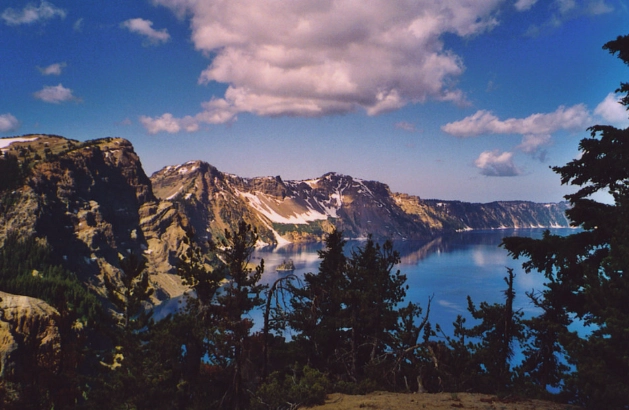
Hiking the Trail: A Mile-by-Mile Breakdown
The Highridge Trail to Cloudcap Overlook is 4.2 miles one-way with 2,300 feet of elevation gain. It's rated as moderate-strenuous. That's accurate. Here’s what you'll actually experience.
Miles 0-1.5: You start in a dense fir and hemlock forest. The trail climbs steadily but reasonably. It's a good warm-up. You'll cross a few small, rocky streams—reliable water sources early in the season. This section is shaded and can be muddy into July.
Miles 1.5-3.0: The forest begins to thin. You'll hit a series of switchbacks that feel relentless. This is the grind. The views start to peek through the trees to your left, teasing you. Pace yourself here. I see more people burn out in this section than anywhere else.
Miles 3.0-4.2: You break out above treeline. The world opens up. The trail becomes rockier and follows the spine of the ridge. The wind picks up—this is no joke, it can knock you sideways. The final approach to the overlook is along a narrow, exposed section with a steep drop-off on one side. It's safe if you pay attention, but not a place for recklessness. And then, suddenly, you're there.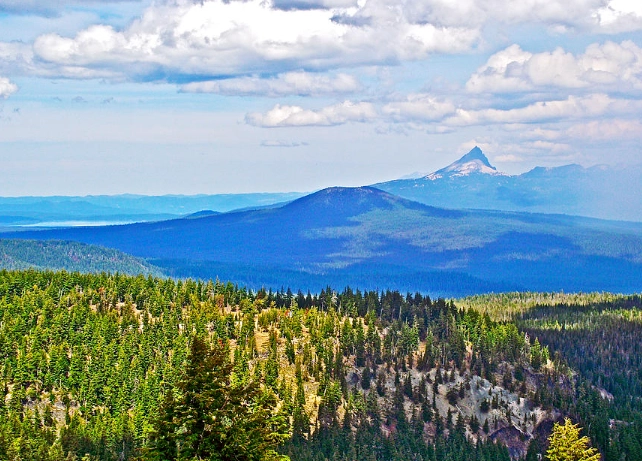
Photographing Cloudcap Overlook Like a Pro
You've made it. Now, to avoid the classic "crowd of backs in front of a vast landscape" photo.
Lighting: Sunrise is the undisputed champion. The sun rises behind the primary mountain vista, painting the peaks in alpenglow. The light is soft, directional, and the crowds are minimal (just the hardy campers). Midday light is harsh and flat—the worst time for photos. Sunset can be spectacular, but the overlook faces east, so you're getting sidelight or backlight on the main scene. It's great for atmospheric, moody shots, but not for classic peak portraits.
Composition: Everyone shoots from the obvious, flat rock platform. Walk 50 yards south along the ridge (carefully!). There's a slightly lower, jutting rock that lets you include a foreground of wildflowers or heather with the endless peaks behind. It creates depth. Use a wide-angle lens (16-35mm full-frame equivalent), but don't go so wide that the mountains become insignificant specks. A 24mm is often perfect.
Bring a telephoto lens too. A 70-200mm is ideal for isolating dramatic ridges, capturing climbers on distant peaks, or compressing layers of atmospheric haze.
Where to Sleep Under the Stars Nearby
Watching the stars explode over Cloudcap is a top-tier life experience. You have two real options.
1. Camp at the Overlook (Backcountry): There are three small, established tent sites tucked into rocky nooks about 200 feet below the actual overlook. They are first-come, first-served for permit holders. Pros: Unbeatable location for sunrise. Cons: Exposed, windy, zero water source (you must carry all you need), and no privacy. It feels like camping on the moon.
2. Camp at Mirror Lake (My Recommendation): This is the local's move. It's a 1.2-mile hike down a spur trail from the main Highridge Trail at mile 3.1. The lake has several beautiful campsites, reliable water (filter it!), and protection from the wind. You get a great alpine lake experience and can day-hike the last mile to Cloudcap for sunset or sunrise with just a daypack. It requires the same wilderness permit, but it's a more comfortable and sustainable basecamp.
There are also developed campgrounds near the highway, like Pine Grove Campground, if you want a car-camping experience and are willing to drive to the trailhead each day.
Reader Comments